
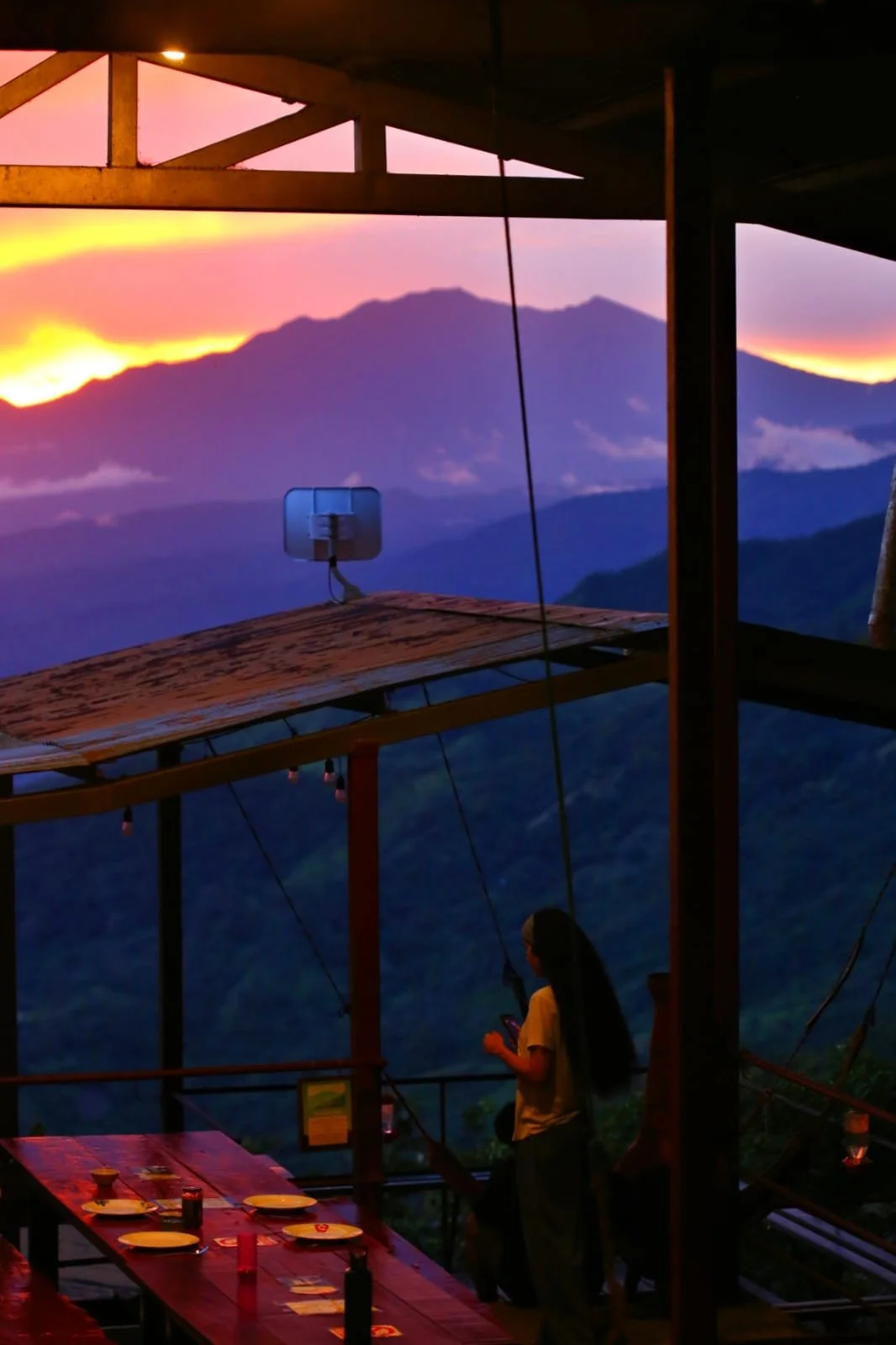
Boquete, a small mountain town in Panama’s Chiriquí province, did not become famous for coffee by accident. Its reputation as one of the world’s most respected specialty coffee regions is the result of a rare combination of geography, volcanic soil, microclimates, farming culture, and timing in the global rise of specialty coffee. Today, when people talk about high end Panamanian coffee, especially the legendary Geisha variety, Boquete is almost always at the center of the story. But what makes it truly fascinating is how a relatively small valley in the highlands of Panama ended up influencing global coffee markets and auction prices in a way that even traditional coffee powerhouses did not anticipate.
The foundation of Boquete’s coffee fame begins with its geography. The town sits on the slopes of Volcán Barú, the highest point in Panama, at over 3,400 meters above sea level. While coffee is not grown at the summit, the surrounding highlands range between roughly 1,000 and 2,000 meters in elevation, which is considered ideal for high quality Arabica coffee production. At these altitudes, temperatures are cooler, growth is slower, and coffee cherries mature more gradually. This slow maturation process is one of the key factors that leads to more complex flavor development, higher acidity balance, and the distinctive aromatic profiles that specialty coffee buyers seek.
Equally important is the volcanic soil. The entire Boquete region is part of an ancient volcanic system, and the soil is rich in minerals such as potassium, phosphorus, and trace elements that contribute to plant health and flavor complexity. Volcanic soils also tend to be well draining, which is crucial for coffee plants, as they prefer consistent moisture without waterlogged roots. This combination of mineral richness and drainage creates ideal growing conditions that are difficult to replicate in flatter, less geologically active regions.
However, geography alone does not explain Boquete’s rise. The region also benefits from a unique set of microclimates created by shifting mountain winds, Pacific and Caribbean moisture flows, and dramatic elevation changes over short distances. In Boquete, it is possible to move from warm valley floors to cool mist covered ridges in a matter of minutes. This variation allows different coffee farms to produce slightly different flavor profiles even within the same small geographic area. Some farms experience more cloud cover, others more sun exposure, and others a balance of both, leading to a remarkable diversity of cup characteristics within a relatively small region.
Historically, coffee production in Boquete began as a practical agricultural activity rather than a luxury export industry. Coffee was introduced to Panama in the 19th century and gradually became one of the country’s important agricultural products. In Boquete, small and medium scale farms began cultivating coffee as part of a broader agricultural economy that also included vegetables and livestock. For many decades, coffee from the region was sold as part of bulk commodity markets rather than as a premium specialty product. It was respected, but not globally famous.
The transformation began in the late 20th and early 21st centuries with the rise of the global specialty coffee movement. As consumers in North America, Europe, and Asia began paying more attention to origin, processing methods, and flavor nuance, coffee began shifting away from being a mass commodity and toward being an artisanal product. This change created space for regions like Boquete to redefine themselves. Instead of competing on volume, they could compete on quality, uniqueness, and story.
The real turning point came with the discovery and global promotion of the Geisha coffee variety. Originally from Ethiopia, Geisha coffee plants were introduced to Panama decades earlier but remained relatively unremarkable until they were cultivated under the specific conditions of Boquete’s highlands. When grown in these environments, Geisha developed an extraordinary flavor profile that included floral notes, jasmine like aromatics, tea like body, and bright citrus acidity. It was unlike most traditional coffee profiles and immediately stood out in international tastings and competitions.
Once Geisha coffee from Boquete began entering global competitions, everything changed. In the mid 2000s and 2010s, Panamanian Geisha coffees began breaking auction records, selling for extremely high prices per pound and attracting buyers from elite coffee roasters around the world. These auctions turned Boquete into a global reference point for luxury coffee, placing it alongside regions that had been famous for coffee for centuries. Suddenly, a small mountain town in Panama was being discussed in the same conversations as the most prestigious coffee origins on the planet.
Another key factor in Boquete’s rise is the structure of its farming community. Many coffee farms in the region are family owned or small estate operations, which allows for careful attention to cultivation, harvesting, and processing. Unlike large industrial coffee operations, these farms often focus on selective picking, careful fermentation methods, and experimental processing techniques such as natural, washed, and honey processes. This attention to detail has helped elevate Boquete’s reputation even further, as coffee quality becomes increasingly dependent not just on where it is grown, but how it is processed after harvest.
Tourism has also played a major role in spreading Boquete’s coffee fame. As Panama developed as a travel destination, Boquete became a popular stop for hikers, retirees, and digital nomads. Visitors quickly discovered coffee farm tours, tastings, and small boutique roasters in the area. This direct exposure allowed people to experience the coffee at its source, creating a strong connection between place and product. Many travelers leave Boquete not only remembering the landscape of mountains and mist, but also the distinct flavor of its coffee, which reinforces the region’s reputation through word of mouth and global travel networks.
Today, Boquete’s coffee identity is both local and global at the same time. Locally, it remains a working agricultural region where coffee farming is part of everyday life and seasonal rhythm. Globally, it is recognized as one of the premier specialty coffee origins in the world, particularly for Geisha varieties that continue to command attention at auctions and in high end cafés. This dual identity is part of what makes Boquete so fascinating. It is not just a tourist coffee destination, but a real agricultural ecosystem that happens to produce some of the most sought after coffee on the planet.
In the end, Boquete became famous for coffee because it combines everything that high quality coffee needs: altitude, volcanic soil, microclimate diversity, careful farming practices, and global timing in the rise of specialty coffee culture. But beyond the technical reasons, there is also something more subtle at play. The coffee of Boquete reflects the place itself: layered, aromatic, complex, and shaped by mist, mountains, and time. That is what ultimately turned a quiet highland valley into one of the most respected names in the coffee world.