
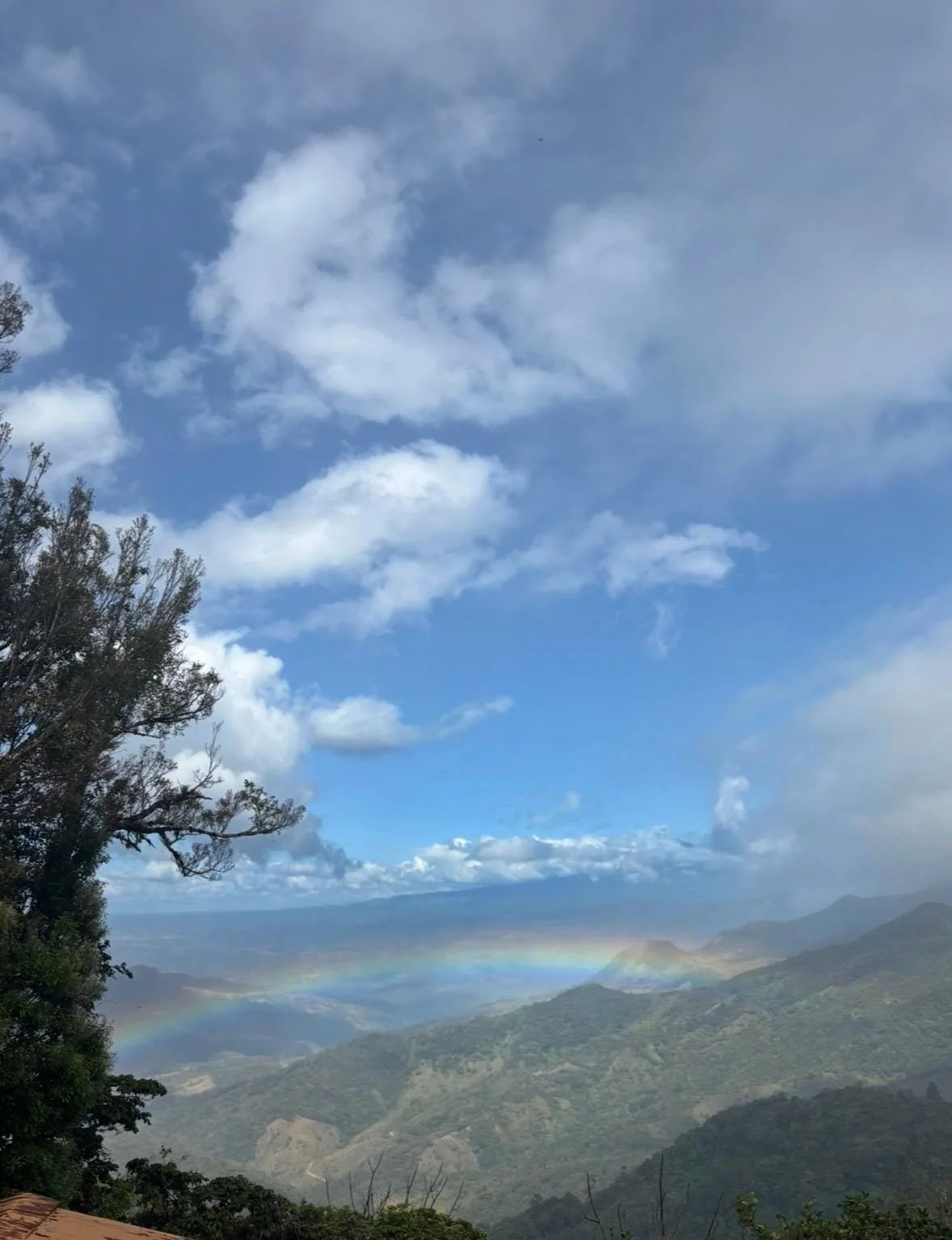
Panama has been steadily rising on the radar of Canadians who are looking for something beyond the traditional “sun destination” vacation. While places like Mexico, Florida, and the Caribbean islands have long dominated Canadian travel patterns, Panama offers a slightly different kind of appeal. It is not just a beach escape or a winter getaway. It is a country that combines tropical climate, modern urban infrastructure, geographic accessibility, financial stability, and a relatively smooth cultural transition in a way that makes it attractive not only for tourism but also for long term stays, seasonal living, and retirement planning. For many Canadians, Panama does not feel like an extreme lifestyle change. It feels like a controlled shift into warmth, nature, and slower rhythms of life while still retaining enough familiarity to remain comfortable.
One of the strongest and most immediate reasons Canadians are drawn to Panama is the climate. After months of cold winters, snow, icy roads, and long periods of darkness in parts of Canada, Panama’s year round tropical warmth feels almost like a physical and psychological reset. There is no winter in the Canadian sense, no snow removal routines, no seasonal isolation caused by weather, and no extended periods of limited outdoor activity. Instead, there is a consistent baseline of heat, humidity, sunlight, and green landscapes. The dry season offers clear skies and strong sun, while the rainy season brings dramatic but predictable tropical downpours followed by rapid returns to warmth and light. For Canadians accustomed to seasonal restrictions on outdoor life, this constant accessibility to nature and fresh air becomes one of the most transformative aspects of being in Panama.
This climate shift is not just about comfort, but about lifestyle restructuring. Daily routines change significantly when weather is no longer a limiting factor. Walking becomes more consistent. Outdoor dining becomes normal. Beaches, rivers, and mountains become year round possibilities rather than seasonal luxuries. Even simple habits like grocery shopping, commuting, or socializing take on a different rhythm because the environment encourages movement and flexibility rather than constraint and planning around weather forecasts. For many Canadians, this is one of the most powerful and immediate changes they notice after spending time in the country.
Another major factor that contributes to Panama’s appeal is its geographic accessibility from Canada. While it is far enough south to feel distinctly tropical, it is not as logistically difficult to reach as many other long haul destinations. Flights from major Canadian cities often connect through direct or one stop routes into Panama City, making it feasible for both short vacations and repeated seasonal travel. This accessibility is particularly important for Canadians who want flexibility rather than total relocation. Panama allows people to experiment with extended stays without fully disconnecting from Canada, which makes it an attractive “in between” option for those testing a semi international lifestyle.
Panama City itself plays a major role in shaping Canadian interest because it offers a level of urban development that is often unexpected in Central America. The skyline is modern, with high rise residential towers, international hotels, financial districts, and infrastructure that supports global business and trade. The city is a major logistics and banking hub, and it reflects that status through its roads, airports, services, and commercial districts. For Canadians coming from cities like Toronto, Vancouver, or Montreal, Panama City does not feel like a step into an undeveloped environment. It feels like a different version of urban life, shaped by tropical geography rather than cold climate constraints.
This urban development is especially important for Canadians considering longer stays or relocation, because it reduces the friction of adaptation. Access to healthcare, supermarkets, banking services, transportation, and housing options is relatively straightforward in major urban zones. There are modern apartments with ocean views, gated residential communities, suburban neighborhoods, and centrally located condos that allow people to choose between dense city living and quieter residential environments. This variety gives Canadians a sense of control over their lifestyle transition, which is often a deciding factor in long term international moves.
Another significant appeal is Panama’s use of the US dollar as its primary currency. For Canadians, this creates a financial environment that is stable and relatively easy to understand. It removes the complexity of volatile local currencies and makes budgeting more predictable, especially for those living on pensions, savings, or fixed income. Combined with Panama’s relatively stable political environment compared to some neighboring countries, this financial consistency contributes to a sense of security that is essential for long term planning.
Language and cultural accessibility also play an important role. While Spanish is the official language, Panama is highly international, especially in urban and expat heavy areas. English is widely used in business, tourism, real estate, and services, particularly in Panama City and regions with established foreign communities. This means Canadians can function comfortably even without immediate fluency in Spanish, while still having the opportunity to gradually learn and integrate more deeply into local culture over time. This balance between accessibility and immersion is one of the reasons Panama feels approachable rather than overwhelming for newcomers.
Cost of living is another important but nuanced factor. Panama is not universally inexpensive, but it offers a wide range of lifestyle options depending on location and personal choices. In high end areas of Panama City, costs can be comparable to major North American cities, especially for imported goods and luxury living. However, outside of premium zones, everyday expenses such as local food, transportation, and basic services can be significantly more affordable than in Canada. This creates a flexible system where Canadians can essentially choose their lifestyle level, from budget conscious local living to upscale international housing, depending on preference and financial goals.
The lifestyle itself is perhaps one of the most compelling reasons Canadians find Panama attractive. Life in Panama tends to be more centered around movement, climate, and social interaction rather than rigid seasonal structure or indoor confinement. The presence of beaches, islands, rainforests, and mountain regions within relatively accessible distances from urban centers creates a sense of constant optionality. Weekends can easily involve nature trips, coastal relaxation, or short regional travel without the extensive planning required in larger countries. This accessibility to nature becomes part of everyday life rather than a special occasion.
Healthcare access is another practical consideration that influences Canadian interest. Panama has both public and private healthcare systems, with private clinics in urban areas offering modern facilities and shorter wait times. Many expats, including Canadians, use private healthcare services, which are generally considered affordable compared to North American costs for similar care. This contributes to the sense that Panama is not only a place for lifestyle enjoyment but also a viable option for long term living from a practical infrastructure standpoint.
Another major factor is the presence of established expat communities. Canadians are part of a broader international population that includes retirees, remote workers, entrepreneurs, and long term residents from the United States, Europe, and Latin America. These communities often form informal support networks that help newcomers navigate housing, services, cultural adjustment, and social integration. For Canadians, this reduces the isolation that can sometimes accompany international relocation and provides a smoother entry point into life in a new country.
Retirement migration is one of the most significant trends connecting Canadians to Panama. The country offers formal retirement visa programs and incentives designed to attract foreign retirees, and its combination of climate, cost flexibility, healthcare access, and geographic proximity to North America makes it a logical choice for people seeking a warmer and more active retirement lifestyle. Instead of long winters and seasonal limitations, retirees in Panama can maintain outdoor activity, social engagement, and travel opportunities throughout the year.
Ultimately, what makes Panama especially appealing to Canadians is not a single defining factor but the convergence of many practical and lifestyle advantages. It is warm but not overly remote, modern but not overwhelming, foreign but still accessible, and different enough to feel like a meaningful change without requiring total cultural reinvention. It offers Canadians a way to step outside of winter driven routines and into a lifestyle where climate, movement, and flexibility play a much larger role in everyday life.
In the end, Panama’s appeal lies in balance. It is not a radical escape from Canada, but a parallel option that runs alongside it. It allows people to adjust their environment without losing their sense of structure, to experience tropical living without sacrificing modern infrastructure, and to explore a different rhythm of life while still maintaining connection to home. For many Canadians, that combination is exactly what makes Panama not just interesting, but increasingly difficult to ignore.