
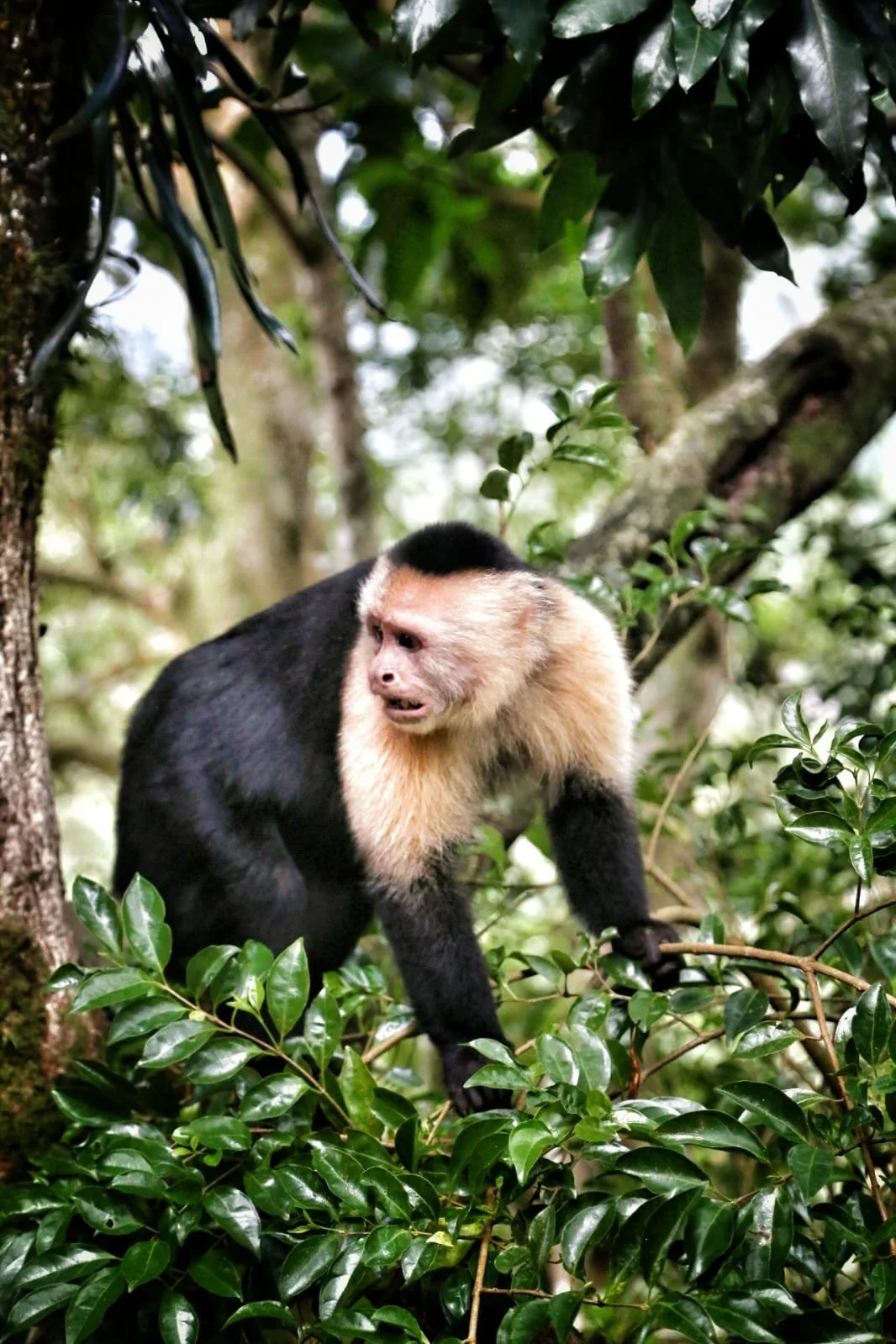
Every year, millions of people plan international trips. They search for destinations that offer adventure, culture, nature, great food, interesting history, beautiful scenery, and good value for money. Yet despite possessing all of those qualities, Panama often finds itself overshadowed by larger tourism giants. Travelers dream of Costa Rica, Mexico, Colombia, Spain, Thailand, Italy, or Japan while barely considering the narrow strip of land that connects North and South America.
And that raises one of the most interesting travel questions on the internet:
Is Panama actually worth visiting?
The short answer is yes.
The long answer is far more fascinating.
The truth is that Panama may be one of the most misunderstood countries in the Western Hemisphere. Many people know almost nothing about it beyond the Panama Canal. Some imagine it as a place ships pass through rather than a destination worth exploring. Others assume it is simply another tropical country with beaches and jungles.
In reality, Panama is one of the most geographically diverse, historically significant, and surprisingly modern countries in the Americas. It is a place where skyscrapers stand beside rainforests, where monkeys live within sight of one of the world's most important shipping routes, where cloud forests rise above coffee plantations, and where travelers can experience two oceans without ever leaving the country.
The question is not whether Panama has enough attractions to justify a visit.
The question is why more people are not already talking about it.
The First Surprise: Panama Is Far More Modern Than Most Visitors Expect
One of the biggest shocks for first time visitors occurs within minutes of arriving.
Many travelers arrive expecting a developing tropical nation with limited infrastructure.
Instead, they discover a skyline that rivals major cities across the Americas.
The waterfront of Panama City is often the moment when expectations completely change. Glass towers rise above the Pacific Ocean. Modern highways curve along the coast. Luxury hotels, international restaurants, shopping malls, banks, and business centers create an atmosphere that feels far more cosmopolitan than many outsiders anticipate.
In fact, Panama City often surprises visitors more than any other capital in Central America.
It is not because the city is perfect.
It is because it rarely matches preconceived notions.
Many people arrive expecting one thing and discover something entirely different.
The Canal Is More Impressive Than You Think
Nearly everyone has heard of the Panama Canal.
Far fewer people truly understand its scale.
Before visiting, some travelers imagine a large ditch connecting two oceans. They assume it will be interesting for an hour or two and then move on.
What they discover instead is one of humanity's most remarkable engineering achievements.
Watching a massive vessel rise or descend through the locks provides a new appreciation for the complexity of global trade. Every container ship, cruise ship, tanker, and cargo vessel passing through the canal represents a small piece of a gigantic international system connecting continents.
The canal is not simply a tourist attraction.
It is one of the reasons Panama occupies such an important place on the world stage.
Many visitors arrive with modest expectations and leave fascinated by the scale of the operation.
The Wildlife Is Extraordinary
One of Panama's greatest strengths is that incredible wildlife exists surprisingly close to civilization.
In many countries, seeing monkeys, sloths, toucans, crocodiles, or tropical birds requires long journeys into remote wilderness.
In Panama, these experiences often occur within relatively short distances of major cities.
The forests surrounding Soberanía National Park demonstrate this perfectly.
Less than an hour from downtown Panama City, visitors can find themselves surrounded by rainforest filled with birds, monkeys, butterflies, and countless other species.
This accessibility is remarkable.
You can spend the morning in a modern urban environment and the afternoon listening to howler monkeys in the jungle.
Very few countries offer that combination.
Panama Contains Two Different Oceans
This fact sounds simple until you experience it.
Most countries are associated with a single coastline.
Panama offers access to both the Caribbean Sea and the Pacific Ocean.
These are not interchangeable environments.
They feel different.
They look different.
They support different lifestyles.
The Caribbean side often evokes images of turquoise water, coral reefs, tropical islands, and laid back coastal culture.
The Pacific side offers dramatic tides, rugged shorelines, surfing destinations, fishing opportunities, and spectacular sunsets.
Visitors can experience both within a single trip.
That geographical advantage gives Panama an unusual amount of variety for a relatively compact nation.
The Mountains May Be the Country's Best Kept Secret
Many first time visitors assume Panama is entirely tropical and hot.
Then they visit the highlands.
Suddenly the country feels completely different.
Communities such as Boquete reveal a side of Panama that many travelers never expect.
Cooler temperatures.
Coffee farms.
Mountain valleys.
Rivers.
Cloud forests.
Hiking trails.
Flower gardens.
Mist covered slopes.
The contrast with the coast can be astonishing.
A traveler who spends several days in the mountains often feels as though they have entered another country entirely.
This diversity is one of Panama's greatest assets.
The Biodiversity Is World Class
Panama sits at one of the most important biological crossroads on Earth.
Millions of years ago, the formation of the Isthmus of Panama connected North and South America, allowing animals and plants to move between continents.
The result is extraordinary biodiversity.
The country contains thousands of plant species, hundreds of bird species, numerous mammals, reptiles, amphibians, and insects.
Birdwatchers regularly rank Panama among the best destinations in the world.
Scientists continue discovering new information about its ecosystems.
Nature enthusiasts often arrive expecting a pleasant tropical destination and leave realizing they have visited one of the most biologically rich places on the planet.
The Food Is Better Than Many People Expect
Panamanian cuisine rarely receives the international attention enjoyed by countries such as Mexico, Peru, or Italy.
That does not mean it lacks quality.
The country's food reflects centuries of cultural influences.
Indigenous traditions mix with Spanish heritage, Afro Caribbean flavors, and modern international influences.
Fresh seafood appears throughout the country.
Tropical fruits are abundant.
Rice, plantains, vegetables, soups, stews, and grilled meats form important parts of the culinary landscape.
In Panama City, the dining scene has evolved dramatically over the past two decades.
Visitors can find everything from simple local meals to sophisticated fine dining experiences.
It Is Easier to Explore Than Many People Realize
Some destinations require enormous amounts of travel time between attractions.
Panama's compact size creates advantages.
Within a relatively short period, visitors can experience:
A modern international city.
Rainforests.
Cloud forests.
Beaches.
Islands.
Mountains.
Indigenous cultures.
Wildlife reserves.
Historic districts.
Coffee regions.
The variety packed into a single country is impressive.
Instead of spending entire days moving between destinations, travelers often spend more time actually enjoying them.
The Biggest Misunderstanding About Panama
Perhaps the greatest misconception is that Panama lacks a defining identity beyond the canal.
Nothing could be further from the truth.
Panama is simultaneously a crossroads, a rainforest nation, a maritime nation, a mountain nation, a financial center, a biodiversity hotspot, and a cultural bridge between continents.
Its identity comes from being many things at once.
That complexity makes it far more interesting than stereotypes suggest.
So Is Panama Worth Visiting?
If your ideal vacation involves giant theme parks, endless nightlife, or famous landmarks recognized by every person on Earth, Panama may not always dominate your shortlist.
But if you value variety, nature, culture, history, wildlife, adventure, and the opportunity to discover a destination before it becomes overwhelmed by mass tourism, Panama deserves serious consideration.
It offers tropical islands without requiring long flights between them.
It offers rainforests filled with wildlife close to major cities.
It offers mountains cool enough to surprise people who assumed the entire country was hot.
It offers history stretching from indigenous civilizations to Spanish colonial routes, pirate attacks, gold transport networks, and one of the greatest engineering projects ever undertaken.
It offers modern infrastructure while still preserving vast areas of wilderness.
Most importantly, it offers something increasingly rare in international travel: the feeling of discovery.
Many of the world's most famous destinations arrive burdened by expectations. Travelers already know exactly what they will see before they arrive.
Panama is different.
People arrive with limited knowledge.
They expect little.
And then they discover skyscrapers beside jungles, monkeys beside shipping lanes, cloud forests above tropical coastlines, and landscapes so varied that they seem to belong to several different countries at once.
That is why so many visitors leave Panama saying the same thing.
They came expecting a canal.
They left wondering why nobody told them how incredible the rest of the country was.