
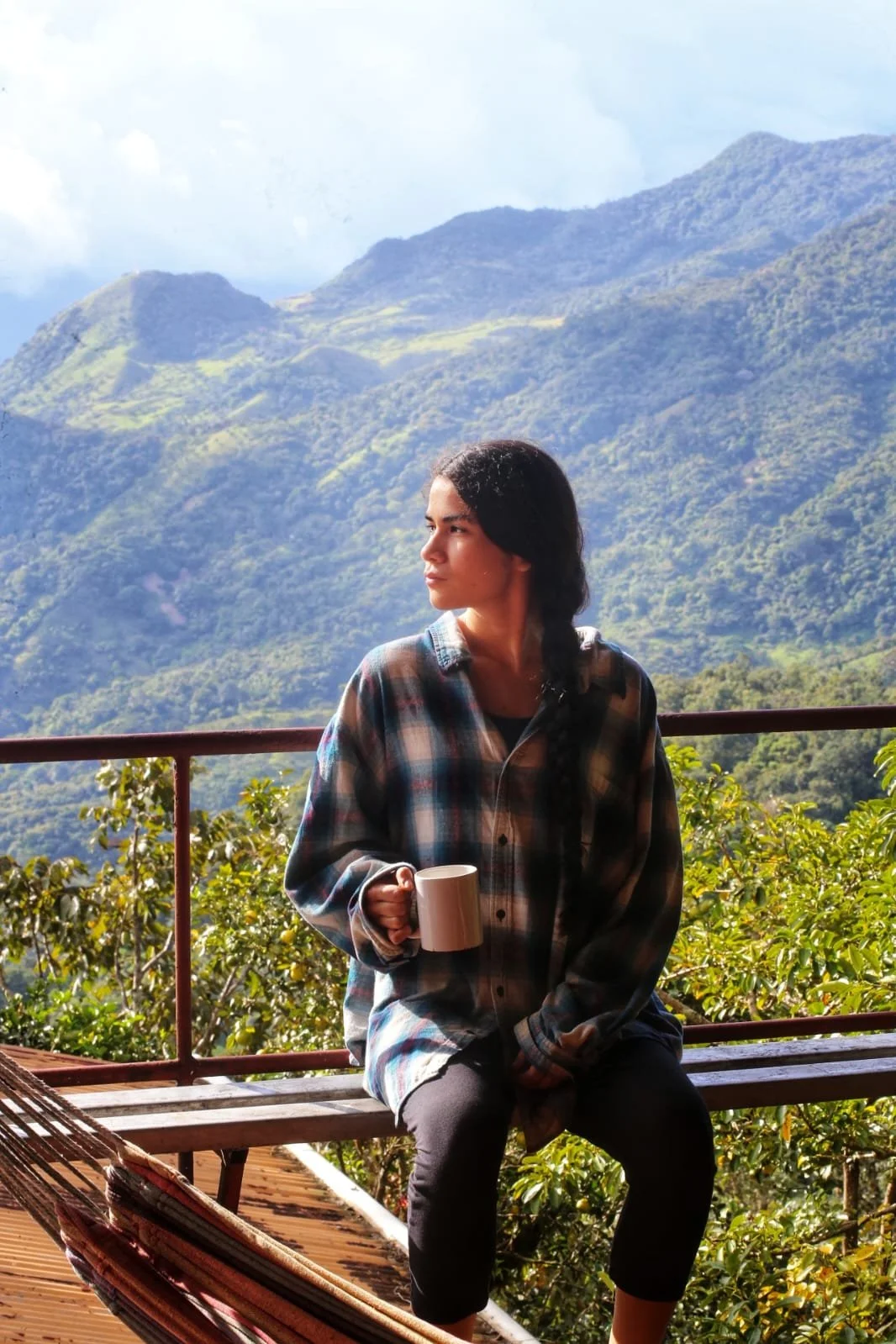
Coffee in Panama is not treated like a delicate hobby or a complicated science experiment. It is more like a daily spark that quietly kicks everything into motion. It appears in tiny cups, strong enough to make you blink twice, and it is served everywhere from mountain farms wrapped in mist to busy city corners where taxis never fully stop honking. It is simple, direct, and surprisingly playful in how it shows up across the country.
In the highlands around Boquete, coffee begins its life in cool air and volcanic soil that seems almost designed for it. Farmers pick cherries in landscapes where clouds drift low enough to feel involved in the process. When coffee is served here, it often comes without ceremony. A small cup, strong and hot, handed over with the confidence of people who know exactly how good the beans are without needing to announce it. Even when the coffee is world class, like the famous Geisha varieties, it is still often treated as something you simply drink rather than something you admire from a distance.
In everyday life across Panama, coffee tends to arrive in small, powerful servings. Forget oversized mugs that take half an hour to finish. Here, it is usually a quick pour of dark, concentrated coffee that gets straight to the point. It is the kind of drink that makes conversation start faster, makes mornings feel slightly more awake than you expected, and occasionally surprises visitors who think they ordered something mild and friendly.
Sugar is often part of the experience, not as an optional extra but as a natural companion. In many homes and small local eateries, coffee is brewed strong and then sweetened directly in the cup, creating a balance between bitter and smooth that feels almost automatic. Milk appears too, especially in café con leche, but it is not the star. The coffee is always the main character, even when it is sharing the stage.
In Panama City, especially in places like Casco Viejo, coffee takes on a more creative personality. Cafés here are full of contrast. One table might hold a carefully poured single origin brew with floral notes explained by a barista in detail, while another table has someone downing a tiny espresso before rushing off into traffic. You can find latte art that looks like it belongs in a gallery right next to a quick plastic cup served to someone still half asleep. It is this mix that gives the city its charm. Nothing feels overly serious, even when it is high quality.
Street coffee is where things get especially interesting. Small stands, roadside thermoses, and tiny kiosks serve coffee to workers, drivers, and early commuters who do not have time to sit down. These cups are fast, hot, and strong enough to feel like they have opinions. You grab one, take a sip, and immediately understand that productivity is no longer optional for the next hour or two.
Then there is the specialty coffee scene, which has quietly put Panama on the global map in a big way. The Geisha coffee variety in particular has become almost legendary, fetching high prices at auctions and attracting attention from around the world. But what is fun about Panama is that even this level of prestige does not fully change how coffee is treated locally. You can still find it served in small cafés without any dramatic presentation, sitting next to a simple pastry like it is just another morning option rather than a luxury item.
What makes coffee in Panama especially enjoyable is the contrast between all these settings. In one moment, you are drinking something ultra refined that tastes like tropical flowers and citrus notes carefully explained by a barista. In the next, you are standing by a street corner holding a tiny cup that costs almost nothing but wakes you up faster than anything else on the planet. It moves easily between worlds without changing its core identity.
At its heart, coffee in Panama is not about complexity or performance. It is about impact. Small cup, strong flavor, immediate effect. It fits into conversations, workdays, bus stops, mountain mornings, and city chaos without needing to adjust itself too much. It is flexible, slightly mischievous in its strength, and always ready to show up exactly where it is needed.
And once you spend enough time in the country, you start to notice something subtle. Coffee is not just something people drink here. It is something that quietly keeps everything moving forward, one strong sip at a time.