
There are few places in the world where wilderness still feels unapologetically alive, where it has not been trimmed, packaged, or softened for convenience. Panama is one of those rare places. It is not just a country you travel through, it is a country you move inside of, like stepping into a living system that constantly shifts between jungle, ocean, mountain, and cloud. For backpackers and nature enthusiasts, it is not a single experience but a chain of them, each one dissolving into the next without ever feeling repetitive.
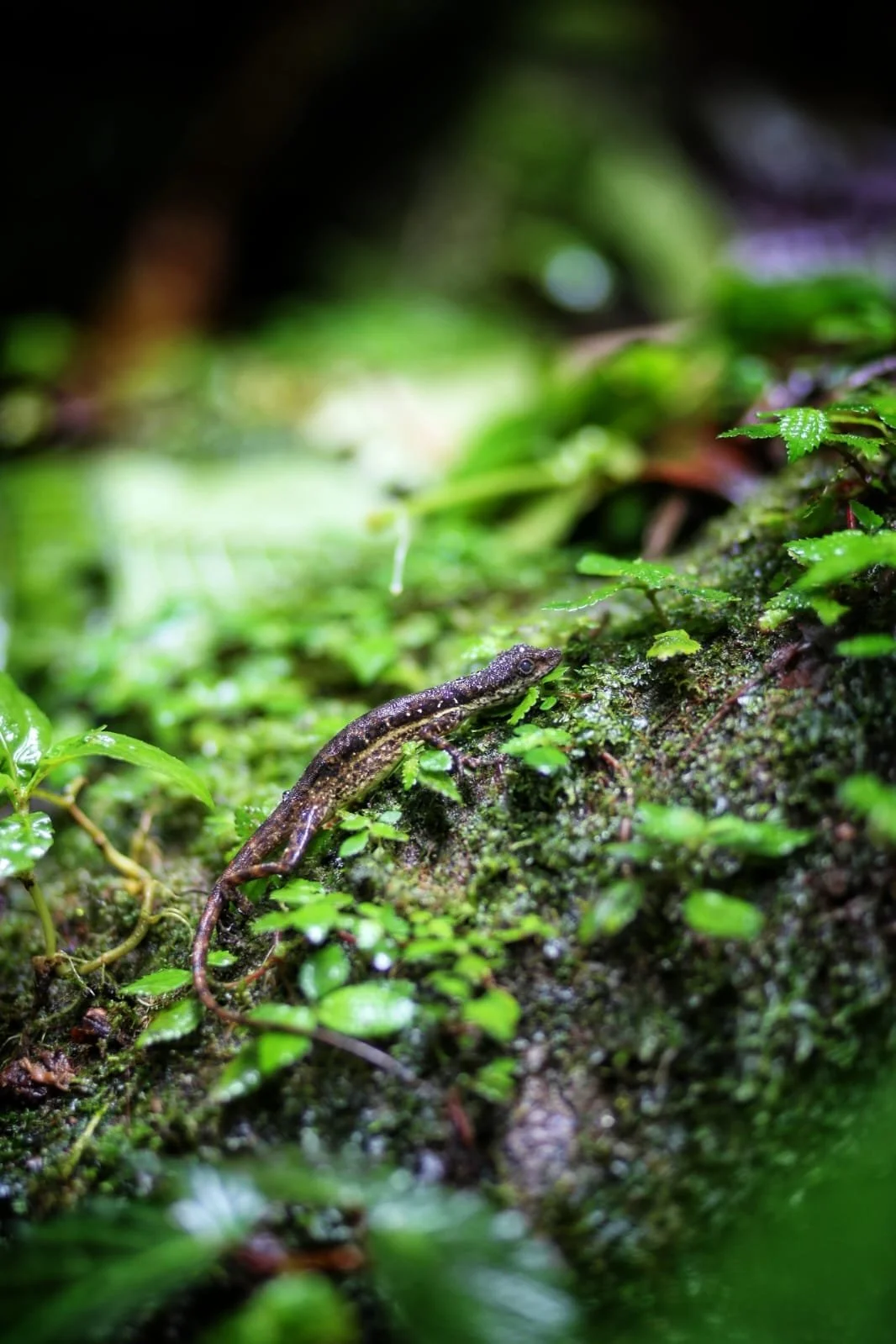
In the western highlands, where the air begins to cool and the land folds upward into green ridges, places like the region around Boquete feel like a gentle introduction to Panama’s wild side. Coffee farms sit on volcanic soil, and mist drifts through the valleys like a slow-moving river in the sky. Trails climb into cloud forests where everything feels softened by moisture and time. Moss covers tree trunks in thick layers, and orchids appear suddenly in places you were not looking. Hiking here is not about conquering elevation, it is about being absorbed into humidity and silence, where even your footsteps feel temporarily borrowed from the earth.
As you move eastward, the world changes without warning. Roads become fewer, rivers become more dominant, and the jungle begins to reclaim attention. In regions approaching the vast and almost mythic wilderness of Darién National Park, the sense of human scale starts to dissolve completely. This is not a landscape that presents itself for comfort. It is dense, layered, and uninterested in visibility. Trees do not stand apart from each other but interlock in a continuous canopy that filters light into fragments. Rivers are not scenic additions but primary pathways, carving through the forest with a logic older than roads.
Backpacking here is not casual. It becomes an exercise in awareness. Every sound carries potential meaning. Every pause in the jungle feels like a decision the environment is making rather than you. The humidity clings to everything, not as discomfort but as constant contact. And yet, within this intensity, there is a strange clarity. When the world is this full, your mind stops searching for distractions. It simply responds.
Then there is the coast, where Panama transforms again into something almost unreal. On the Caribbean side, the archipelago of San Blas Islands feels like a different dimension entirely. Small islands of white sand and palm trees drift across water so clear it looks edited by imagination. The ocean here is not distant or threatening. It is intimate, shallow in some places, endlessly deep in others, always changing color depending on the angle of light.
Life on these islands moves at a rhythm that seems detached from urgency. Canoes glide between islands. Waves arrive softly, as if they are trying not to disturb anything. Nights bring skies so clear and dense with stars that it becomes difficult to separate water from space. For backpackers, this is where the idea of “journey” begins to blur into “staying still for too long without realizing it.”
What makes Panama remarkable is not just the variety of its ecosystems but the speed at which they transition. In a single journey, you can go from cloud forest to tropical jungle to coral reef without ever feeling like you have left the same living system. It is as if the country has compressed multiple worlds into a narrow strip of land and allowed them to overlap without conflict.
Even the Pacific coastline carries its own character. In places like the Azuero Peninsula, dry forest meets ocean in a landscape that feels more open, more exposed, more honest. The sun is stronger here, the wind more constant. Trees twist rather than rise, shaped by seasons of dryness and rain. It is a reminder that wilderness does not always mean lush green density. Sometimes it means space, light, and the sound of heat moving through the air.
For those traveling on foot or with a simple backpack, Panama reveals itself not as a checklist of destinations but as a continuous negotiation with environment. You learn when to walk and when to stop not by planning, but by listening. A sudden rainstorm becomes an instruction. A clearing in the forest becomes an invitation. A quiet shoreline becomes a place where hours dissolve without resistance.
And always, beneath all of it, there is the sense that nature here is not performing. It is not trying to be impressive. It is simply uninterrupted. That is what gives it its power. You are not witnessing wilderness as something separate from yourself. You are briefly participating in something that existed long before you arrived and will continue long after you leave.
When the journey ends, and the backpack is finally set down in a place with concrete and noise and structured time, what lingers is not a series of images but a change in tempo. The world feels slightly more constructed than it did before. And somewhere in the background of thought, there remains the memory of places where everything was still moving, but nothing was rushing.