
Among the many natural wonders that define Panama, few are as delicate, mysterious, and culturally meaningful as the country’s national flower, the orchid known as Peristeria elata. In Spanish it is often called the Flor del Espiritu Santo, which translates to Flower of the Holy Spirit. This name is not poetic exaggeration. When the flower blooms, its center appears to contain a small white dove shaped form that seems to rise from within the petals like a spirit emerging from light. For many people who see it for the first time, it feels less like a normal plant and more like something symbolic or sacred hidden inside the rainforest.
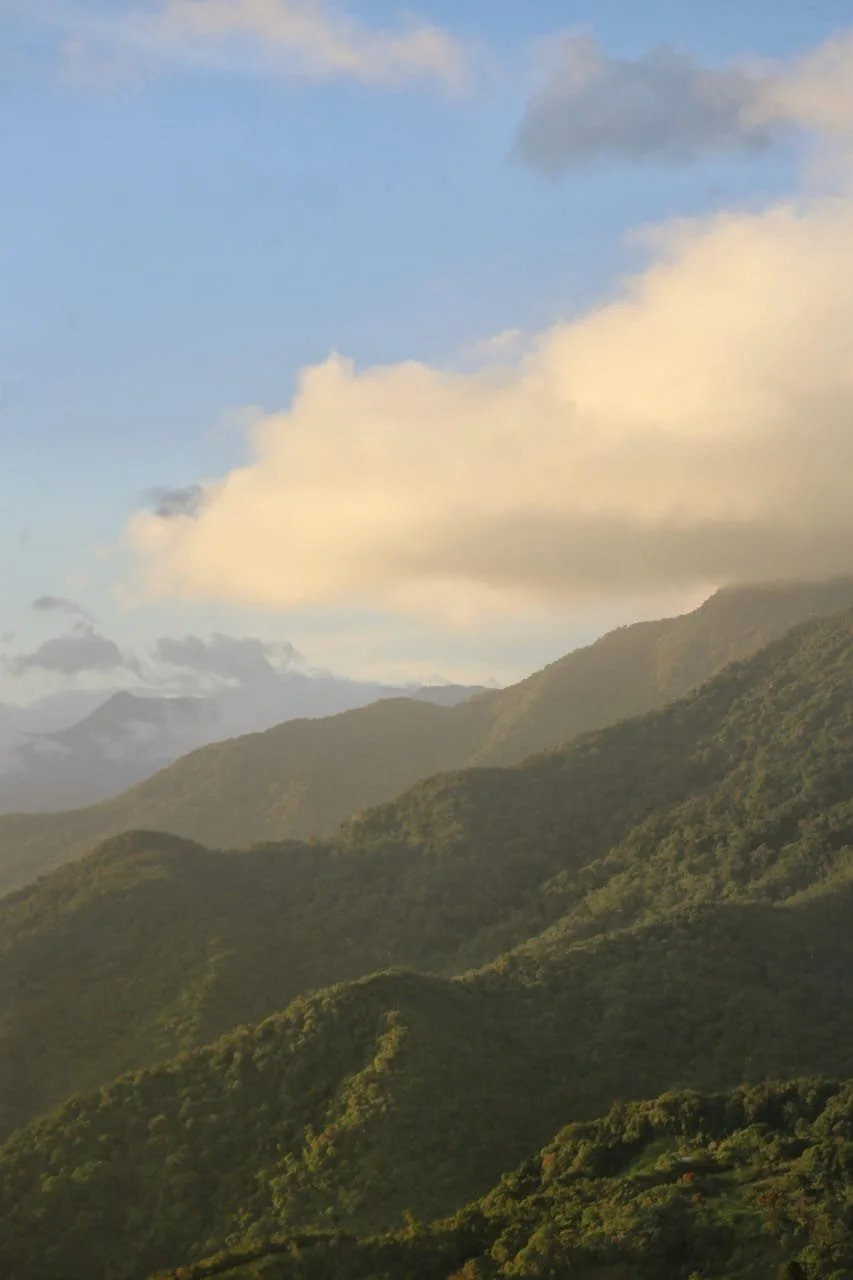
This orchid is native to Panama and grows naturally in humid forest environments where moisture is constant and sunlight filters softly through dense canopy. It thrives in very specific ecological conditions that exist in parts of the country such as the highland forests of Chiriqui, including areas near Boquete, and in protected rainforest zones on both slopes of the continental divide. It can also be found in certain forest reserves where humidity remains high throughout the year. These environments are not easy to access, which adds to the mystique of the flower. Many Panamanians grow up hearing about it but never see it in the wild.
A Flower That Looks Like It Carries a Message
What makes Peristeria elata so extraordinary is the structure of its bloom. The flower grows in tall clusters that emerge from broad green leaves. When it opens, the central column of the blossom forms a shape that resembles a dove resting inside the flower. This natural illusion is what inspired the spiritual name. The surrounding petals are waxy and white with subtle hints of cream, and they curve around the center in a way that enhances the impression of a figure emerging from within.
The flowering process is slow and requires patience. The plant does not bloom constantly, and when it does, the display is brief. This rarity increases its cultural value. In the wild, spotting one in bloom is considered a special moment even for experienced botanists. The orchid is sensitive to environmental changes and depends on stable forest ecosystems. Temperature, humidity, shade, and soil composition must align correctly for it to thrive.
Deep Roots in Panama Identity
The national status of this orchid reflects more than its beauty. It represents Panama’s deep connection to its rainforests and biodiversity. The country sits at a biological crossroads where species from North and South America meet and interact. This position has created extraordinary ecological richness, and Peristeria elata is one of the most iconic expressions of that richness.
In Panamanian culture, the flower is often associated with purity, spirituality, and natural harmony. Its dove like appearance has led many people to connect it with peace and faith. In rural communities, stories about the orchid are passed through generations, often blending natural history with symbolic meaning. It is not uncommon for people to describe it as a flower that feels alive with intention, even though its beauty is entirely the result of natural evolution.
Where It Lives in the Wild
The natural habitat of Peristeria elata is highly specific. It grows in humid tropical forests where rainfall is frequent and temperatures remain warm but not extreme. It prefers shaded environments under tall trees where direct sunlight is limited. The orchid often grows attached to other plants or rooted in rich organic material on the forest floor.
Some of the best known regions where related orchid species and occasional wild populations exist include the cloud forest zones of western Panama, especially in the provinces of Chiriqui and Veraguas. Areas around Boquete and Volcan provide suitable elevation and humidity. It can also be found in protected reserves such as Soberania National Park near the canal watershed, where rainforest conditions remain stable enough to support rare plant life.
These habitats are fragile. Small changes in temperature, deforestation, or human disturbance can disrupt the delicate balance required for the orchid to survive. Because of this, wild populations have become increasingly rare in some regions.
Conservation and the Threat of Disappearance
One of the most important chapters in the story of Panama’s national flower is its conservation status. Peristeria elata has faced significant pressure from habitat loss and overcollection. Because of its beauty and symbolic value, the orchid was historically removed from forests and sold in markets or collected for ornamental purposes. This practice, combined with deforestation, led to a decline in wild populations.
Today, the species is protected under national and international conservation efforts. Its survival depends heavily on preserving rainforest ecosystems and promoting responsible cultivation rather than wild extraction. Botanical gardens and orchid growers have played an important role in helping maintain populations through controlled propagation. In many cases, the orchids seen in homes or exhibitions are grown in carefully managed environments rather than taken from the wild.
The conservation of this flower is tied directly to broader environmental protection in Panama. When forests are preserved, the orchid survives. When forests are damaged, it disappears. In this way, the plant has become a symbol not only of beauty but also of ecological responsibility.
Orchids in the Panamanian Landscape
Panama is one of the richest orchid regions in the world, with thousands of species found across its varied ecosystems. From lowland jungles to high mountain cloud forests, orchids occupy nearly every ecological niche. Some grow on tree trunks, others on rocks, and many on the forest floor. This diversity reflects the country’s unique geography and climate variety.
Peristeria elata stands out among this diversity because of its cultural elevation to national symbol status. While many orchids are admired for their colors or shapes, this one carries a deeper narrative. It represents the relationship between people and forest, between identity and environment, and between natural beauty and meaning.
The Experience of Seeing It in Nature
For those who encounter the flower in the wild, the experience is often described as quiet and almost reflective. It is not a bright, loud bloom that demands attention from a distance. Instead, it blends into the forest until one comes close enough to notice the intricate details of its structure. The dove like center becomes visible only with careful observation, as if the forest is revealing a secret.
In cloud forests, where mist moves through the trees and light shifts constantly, the orchid can appear almost otherworldly. It is easy to understand why early observers gave it spiritual significance. Surrounded by moss covered branches, dripping leaves, and filtered light, the flower seems suspended between nature and imagination.
A National Symbol Rooted in Nature
The designation of Peristeria elata as Panama’s national flower reflects a broader national identity shaped by biodiversity. Unlike symbols that are purely historical or political, this one is biological. It comes directly from the forests that cover much of the country’s interior. It represents living ecosystems rather than monuments or architecture.
It also reflects the importance of conservation in modern Panama. As urban development expands and global pressures on tropical forests increase, symbols like this orchid serve as reminders of what is at stake. Protecting it means protecting the larger environmental systems that sustain it.
A Flower That Carries Silence and Meaning
Ultimately, the national flower of Panama is more than a botanical curiosity. It is a quiet expression of the country’s natural heritage. It grows in silence, blooms with patience, and carries a form that suggests something beyond simple biology. Whether seen in a remote rainforest or cultivated in a garden, it continues to inspire curiosity and respect.
In the dense green landscapes of Panama, where rainforests stretch across mountains and valleys, Peristeria elata remains one of the most elegant reminders that nature can create forms that feel symbolic without any intention at all. It is a flower that looks like it carries meaning, and in a way, it does.