
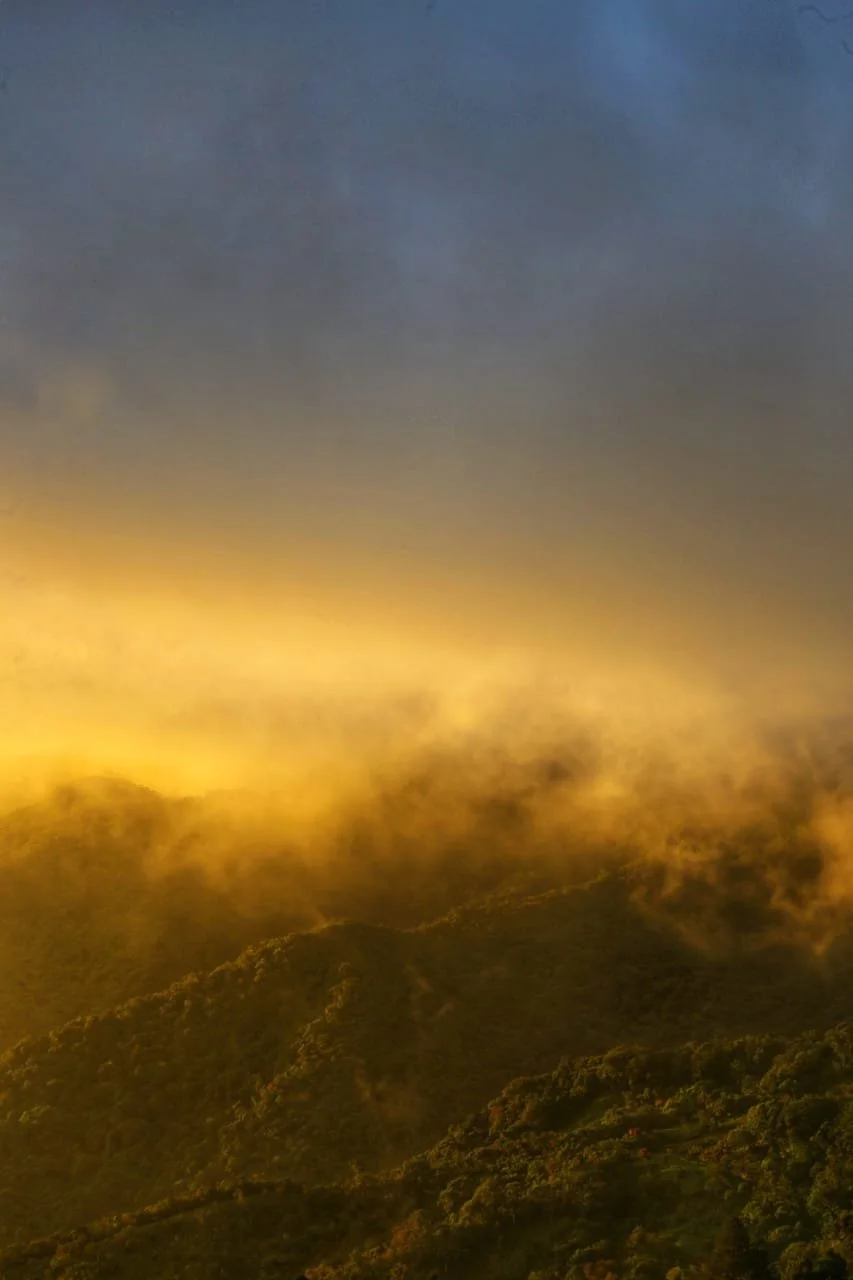
To understand Panama, it helps to look beyond its famous canal, tropical beaches, and rainforest-covered mountains and instead focus on a simple question: what do Panamanians enjoy doing when they are not working? The answer reveals a society that is remarkably social, outdoors-oriented, family-centered, and deeply connected to both nature and community. Unlike countries where hobbies often revolve around individual pursuits, many Panamanian pastimes are shared experiences. Free time is frequently spent with relatives, neighbors, friends, and entire communities. Whether gathering for a barbecue on a Pacific beach, watching a baseball game in a small town, fishing in coastal waters, dancing at a festival, or simply talking for hours on a front porch, Panamanians have developed a culture where leisure is often as much about human connection as it is about the activity itself.
Perhaps the most universal hobby in Panama is simply spending time with family and friends. This may not sound like a hobby in the traditional sense, but it occupies an enormous portion of people's free time. Across the country, weekends are often centered around family gatherings that can last an entire day. Relatives visit each other's homes, share meals, watch sports, listen to music, and tell stories. Grandparents, cousins, aunts, uncles, and family friends frequently participate in these gatherings, creating social networks that remain remarkably strong. Visitors are often surprised by how much time Panamanians devote to maintaining personal relationships. In a world increasingly dominated by screens and social media, much of Panama still values face-to-face interaction. Entire afternoons may be spent simply sitting together and talking, a pastime that outsiders sometimes underestimate but that forms an essential part of Panamanian culture.
Sports are among the most beloved hobbies throughout the country, and baseball holds a particularly special place in Panamanian life. While soccer receives increasing attention, baseball remains deeply woven into the culture, especially outside Panama City. Small towns often revolve around local baseball fields where children begin playing at a young age. Many Panamanians grow up dreaming of following in the footsteps of legendary players such as Mariano Rivera, whose success in Major League Baseball made him a national icon. On weekends, local games draw enthusiastic crowds, and entire communities may gather to watch amateur and professional competitions. Baseball is not merely a sport in Panama; it is a source of regional pride, community identity, and countless childhood memories.
Soccer has experienced enormous growth in popularity over recent decades. The success of the Panama national football team, particularly its qualification for the 2018 FIFA World Cup, helped fuel nationwide enthusiasm. Today, soccer fields can be found throughout the country, from urban neighborhoods to remote villages. Children play informal matches on dusty lots, beaches, and schoolyards. Adults gather to watch international leagues from Europe, South America, and neighboring countries. During important national team matches, businesses, restaurants, and homes often become miniature viewing parties filled with excitement and patriotic pride.
Fishing is another favorite pastime, and Panama's geography makes it easy to understand why. The country is surrounded by both the Pacific Ocean and the Caribbean Sea and contains countless rivers, lakes, estuaries, and coastal environments. For many Panamanians, fishing is both recreation and tradition. Families often spend weekends on boats searching for snapper, tuna, mahi-mahi, roosterfish, or other species. In coastal communities, fishing trips frequently begin before sunrise and become social events involving multiple generations. Even people who are not serious anglers often enjoy occasional fishing excursions simply as an excuse to spend time on the water.
Beachgoing ranks among the most popular hobbies nationwide. Few countries offer such easy access to diverse coastlines. Within a relatively short drive, many Panamanians can reach Pacific beaches known for surfing, fishing, swimming, or relaxation. Others head toward Caribbean destinations where turquoise waters and white sand create entirely different experiences. Weekends often involve coolers packed with food, portable grills, folding chairs, and large groups of friends and family heading toward the ocean. Beaches become temporary social centers where people swim, play sports, listen to music, cook meals, and spend entire days enjoying the tropical environment.
Music occupies a central role in Panamanian leisure culture. Many people enjoy listening to music, but countless others actively participate by dancing, singing, or playing instruments. Genres range from salsa, típico, and cumbia to reggaetón, reggae en español, bachata, and international pop music. Music is present at birthdays, holidays, festivals, family gatherings, and neighborhood celebrations. Dancing remains one of the country's most cherished social activities. It is common to find people of all ages participating, from young children learning traditional dances to elderly couples who have spent decades perfecting their moves. Music in Panama is not merely entertainment; it serves as a social glue connecting communities across generations.
Outdoor exploration has become increasingly popular as Panamanians rediscover the extraordinary natural treasures within their own country. Hiking, birdwatching, camping, and nature photography attract growing numbers of enthusiasts. Protected areas such as Volcán Barú National Park, Soberanía National Park, and Fortuna Forest Reserve draw visitors seeking cooler temperatures, wildlife encounters, and beautiful scenery. Panama's incredible biodiversity means even casual outdoor enthusiasts can encounter monkeys, sloths, toucans, hummingbirds, and hundreds of other fascinating species.
Birdwatching deserves special recognition because Panama has become one of the world's premier destinations for observing birds. Although many international visitors travel specifically for birding, countless Panamanians also enjoy watching and identifying local species. The country's strategic position between North and South America creates extraordinary avian diversity. For some people, birdwatching becomes a serious hobby involving photography, field guides, and long expeditions. For others, it simply means enjoying the colorful wildlife that visits gardens, farms, and forests.
Boating and water sports occupy an important place in coastal communities and urban areas alike. Sailing, kayaking, paddleboarding, snorkeling, scuba diving, and surfing continue growing in popularity. Panama's two coastlines provide access to vastly different marine environments. Some people spend weekends exploring islands, while others focus on surfing famous breaks near destinations such as Playa Venao or enjoying calm Caribbean waters around the archipelago of Bocas del Toro.
Another surprisingly common hobby is simply driving around the country and exploring. Panama's relatively compact size allows residents to experience mountains, beaches, rainforests, islands, and agricultural regions within a single weekend. Road trips have become increasingly popular, particularly among younger generations. A family living in Panama City can enjoy the cool mountain air of Chiriquí, the beaches of Los Santos, or the forests of central Panama without undertaking the kind of massive journey required in larger countries.
Shopping and visiting local markets also function as recreational activities for many people. Markets provide opportunities not only to purchase food and goods but also to socialize and experience local culture. Weekend visits to markets, shopping centers, and commercial districts are common forms of entertainment. Panama's role as a regional commercial hub means many residents genuinely enjoy browsing stores, searching for bargains, and spending time in bustling shopping environments.
Food itself is often a hobby. Panamanians love eating, cooking, and sharing meals. Weekend barbecues, seafood feasts, traditional dishes, and family cooking sessions are cherished activities. Many people take pride in preparing specialties such as sancocho, arroz con pollo, tamales, fresh seafood, and regional recipes passed down through generations. Conversations about food can easily become lengthy and enthusiastic because cuisine serves as an important expression of family identity and cultural heritage.
Perhaps the most distinctive aspect of Panamanian hobbies is that they rarely exist in isolation. A fishing trip becomes a family gathering. A baseball game becomes a community event. A beach visit turns into a massive social occasion. A hike ends with a shared meal. Even activities that appear individual from the outside frequently involve friends, relatives, and neighbors. This reflects a broader cultural tendency toward community and connection.
In the end, the favorite hobbies of Panamanians reveal much about the country itself. They reflect a nation blessed with extraordinary natural beauty, rich cultural traditions, strong family ties, and a deep appreciation for life's simple pleasures. Whether watching baseball in a small town, fishing along a tropical coastline, dancing at a local festival, exploring a rainforest trail, or spending hours talking with loved ones under the shade of a porch roof, Panamanians often find happiness not in elaborate or expensive pursuits but in experiences that bring people together. It is a way of life that values relationships as much as recreation and reminds visitors that some of the most rewarding hobbies are the ones shared with others.