
Few plants define the image of the tropics more completely than palm trees. Mention Panama to someone who has never visited, and chances are they will imagine swaying palms lining white sand beaches, their fronds moving gently in the warm Caribbean breeze. Yet the reality of Panama's palms is far more fascinating than this familiar postcard image. Panama is not simply a country that has palm trees. It is a nation where palms dominate landscapes, shape ecosystems, support wildlife, feed communities, and create some of the most beautiful forests in the Americas. From sea level beaches to misty mountain slopes, from mangrove-lined coasts to remote jungle valleys, palms are everywhere. Some are towering giants visible from miles away. Others are miniature understory species that spend their entire lives hidden beneath the rainforest canopy. Together they form one of the most diverse and important plant groups in the country.
What surprises many visitors is the sheer diversity of palms found in Panama. Scientists have documented well over one hundred native palm species across the country, making Panama one of the richest palm regions in Central America. Walk through a tropical rainforest and you may encounter half a dozen species within a few hundred meters. Some grow as solitary trunks rising fifty feet into the air. Others grow in dense clumps with dozens of stems emerging from the forest floor. Some have smooth gray trunks, while others are armored with formidable black spines that can easily pierce clothing and skin. Their leaves vary just as dramatically. Certain species have elegant feather-like fronds, while others possess enormous fan-shaped leaves that resemble giant green umbrellas. The result is an astonishing variety that many people never notice because they simply refer to them all as "palm trees."
One of the most recognizable palms in Panama is the majestic Royal Palm. These towering trees can dominate entire landscapes with their straight trunks and graceful crowns. Rising high above surrounding vegetation, they create some of the most iconic tropical scenery in the country. Royal palms are particularly impressive at sunrise and sunset when their silhouettes stand against brilliant tropical skies. For generations they have symbolized tropical beauty and continue to be planted throughout towns, villages, and parks. Yet their value extends far beyond aesthetics. Birds frequently nest among their fronds, bats use them as roosting sites, and numerous insects depend on them throughout their life cycles.
Among the most important native palms is the Corozo Palm. This species plays a critical role in Panama's ecosystems because of its fruit production. During fruiting season, corozo palms become wildlife magnets. Scarlet macaws, parrots, toucans, monkeys, coatis, agoutis, and countless other animals feed on their abundant fruits. In some areas, entire food webs revolve around the seasonal availability of corozo. Birdwatchers often learn to look for fruiting palms because they attract extraordinary concentrations of wildlife. A single productive tree can become one of the busiest locations in the forest, with animals arriving throughout the day to take advantage of the rich food source.
The remarkable Tagua Palm may be one of Panama's most fascinating species. Often called the vegetable ivory palm, it produces seeds that harden into a substance almost indistinguishable from animal ivory. For centuries artisans have carved tagua into buttons, jewelry, figurines, and decorative objects. Before the rise of plastic, tagua buttons were exported around the world. Today the species remains important as a sustainable alternative to ivory, helping reduce pressure on endangered animals while providing income for rural communities. Holding a polished tagua seed is a remarkable experience because it feels surprisingly similar to ivory despite originating from a tropical palm.
Some of Panama's palms seem almost prehistoric. Walking through remote rainforests, particularly in regions such as Darién National Park, visitors frequently encounter massive spiny palms that appear as though they belong in another era. Their trunks are covered with long black spines capable of deterring almost any animal. These defenses evolved over millions of years to protect the palms from herbivores. Encountering one unexpectedly on a rainforest trail quickly teaches hikers why paying attention is important. These palms are beautiful but command respect.
Perhaps nowhere are palms more impressive than within Panama's lowland rainforests. In these environments, palms occupy nearly every ecological niche imaginable. Some species specialize in swampy areas where their roots remain submerged for months. Others prefer well-drained ridges. Certain palms thrive in deep shade beneath towering canopy trees, while others demand direct sunlight. This incredible adaptability explains why palms have become so successful throughout the tropics. In many rainforest locations, palms are among the most abundant plants present. They form a crucial structural component of the forest itself, influencing everything from light availability to wildlife movement.
One of the most remarkable relationships in Panama's forests exists between palms and birds. Many of the country's most famous bird species depend heavily upon palms for food, shelter, or nesting sites. Toucans feast on palm fruits. Macaws travel considerable distances to exploit fruiting palms. Various parrots spend hours feeding among palm crowns. Even elusive mammals such as kinkajous and several monkey species frequently utilize palms. In some forests, fruiting palms effectively function as wildlife gathering points, bringing together species that may otherwise remain widely dispersed. For birdwatchers, locating a productive palm tree can feel like discovering a hidden treasure chest.
Palms have also played an essential role in human history throughout Panama. Indigenous peoples have utilized palms for thousands of years. Palm leaves have traditionally been used to construct roofs capable of lasting for years in tropical conditions. Certain species provide edible fruits, oils, fibers, and construction materials. Others yield materials used in baskets, mats, fishing equipment, and ceremonial objects. Long before modern building supplies arrived, palms formed the foundation of daily life in many tropical communities. Even today, traditional palm thatch remains common in parts of rural Panama because of its durability and effectiveness.
Along Panama's coastlines, coconut palms create some of the country's most iconic scenery. While coconuts are not native to Panama, they have become deeply associated with tropical life. On islands throughout the Caribbean side of the country, including many within the stunning Bocas del Toro Archipelago, coconut palms lean over turquoise water, creating the classic tropical landscapes that appear on postcards around the world. Beyond their beauty, coconuts provide food, drink, building materials, fuel, and economic opportunities. Few plants offer such a complete package of usefulness.
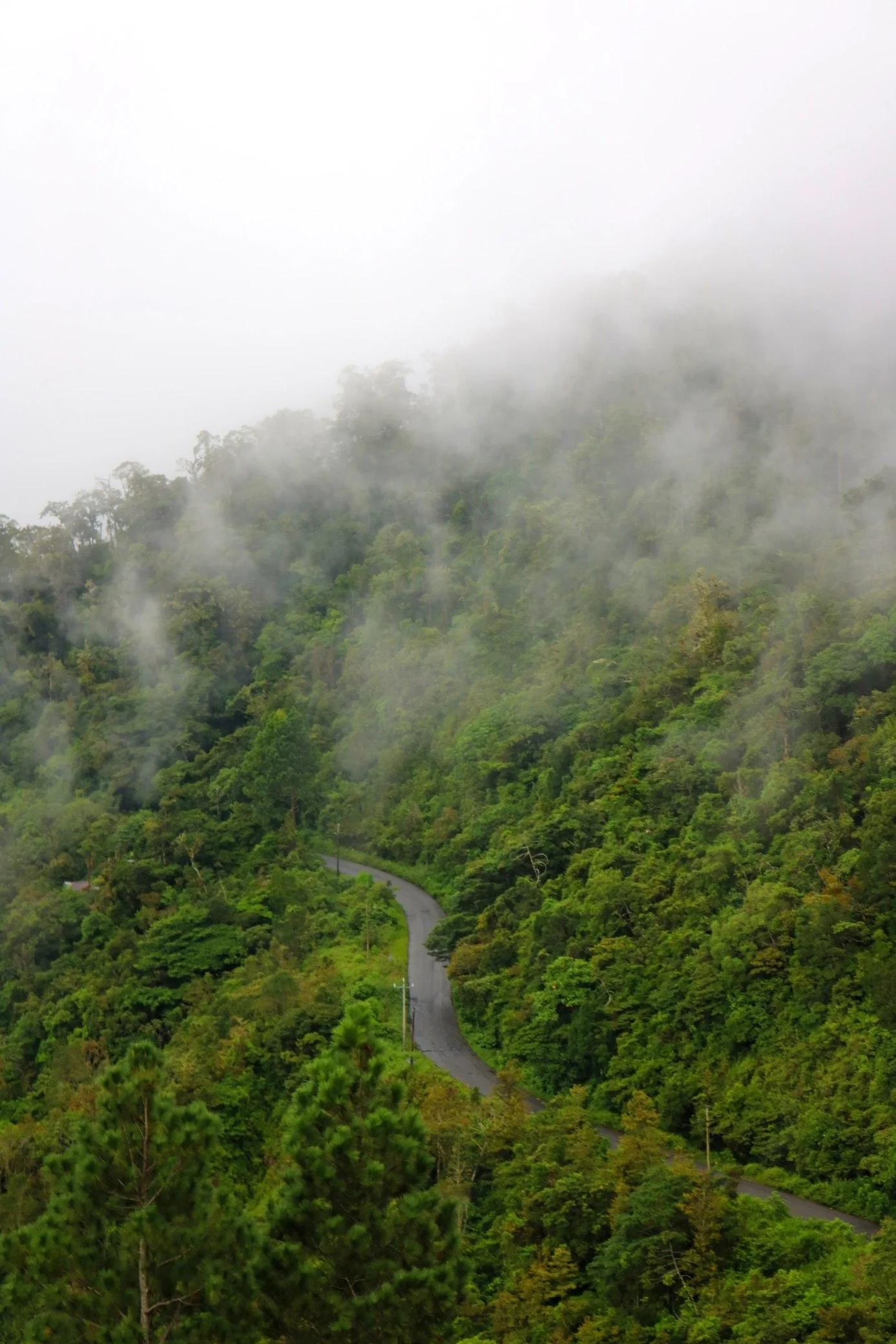
The cloud forests of western Panama reveal another side of palm diversity. Many visitors assume palms are restricted to hot lowlands, but several species thrive at surprisingly high elevations. In the misty mountains surrounding La Amistad International Park, palms emerge through swirling clouds alongside tree ferns, moss-covered oaks, and orchids. Here they contribute to some of the most enchanting landscapes in Central America. Seeing palms rising from a cloud forest often surprises visitors who associate them exclusively with beaches and tropical heat.
One particularly interesting characteristic of Panama's palms is their role as environmental indicators. Certain species only occur in undisturbed primary forests. Their presence often signals healthy ecosystems with intact ecological processes. Conservationists frequently monitor palm communities because changes in their abundance can reveal broader environmental shifts. When palms disappear, it often indicates deeper ecological problems. Conversely, diverse palm populations usually suggest thriving forests capable of supporting a wide variety of wildlife.
For travelers exploring Panama, palms become a constant companion. They line roads, shade beaches, dominate islands, fill rainforests, and frame mountain vistas. Yet the more time one spends observing them, the more they transform from a generic tropical symbol into individual species with unique stories. What initially appears to be a simple palm tree may actually be a critical food source for endangered wildlife, a plant used by indigenous communities for centuries, a species found nowhere else on Earth, or a living relic whose ancestors witnessed the rise and fall of entire ecosystems.
Ultimately, the story of Panama's palms is the story of Panama itself. They are resilient, diverse, adaptable, beautiful, and deeply woven into the fabric of the country. They feed animals, support people, shape forests, and define landscapes. Whether standing alone on a remote Caribbean beach, towering above a rainforest canopy, or growing quietly beneath the shadows of giant jungle trees, palms are among the most important and fascinating plants in Panama. To truly understand the country's natural heritage, one must look beyond the birds, monkeys, and colorful flowers and appreciate the silent green giants that have been shaping Panama's landscapes for countless generations. Once you begin paying attention to them, you realize that palms are not merely part of the scenery. In many ways, they are the scenery.