
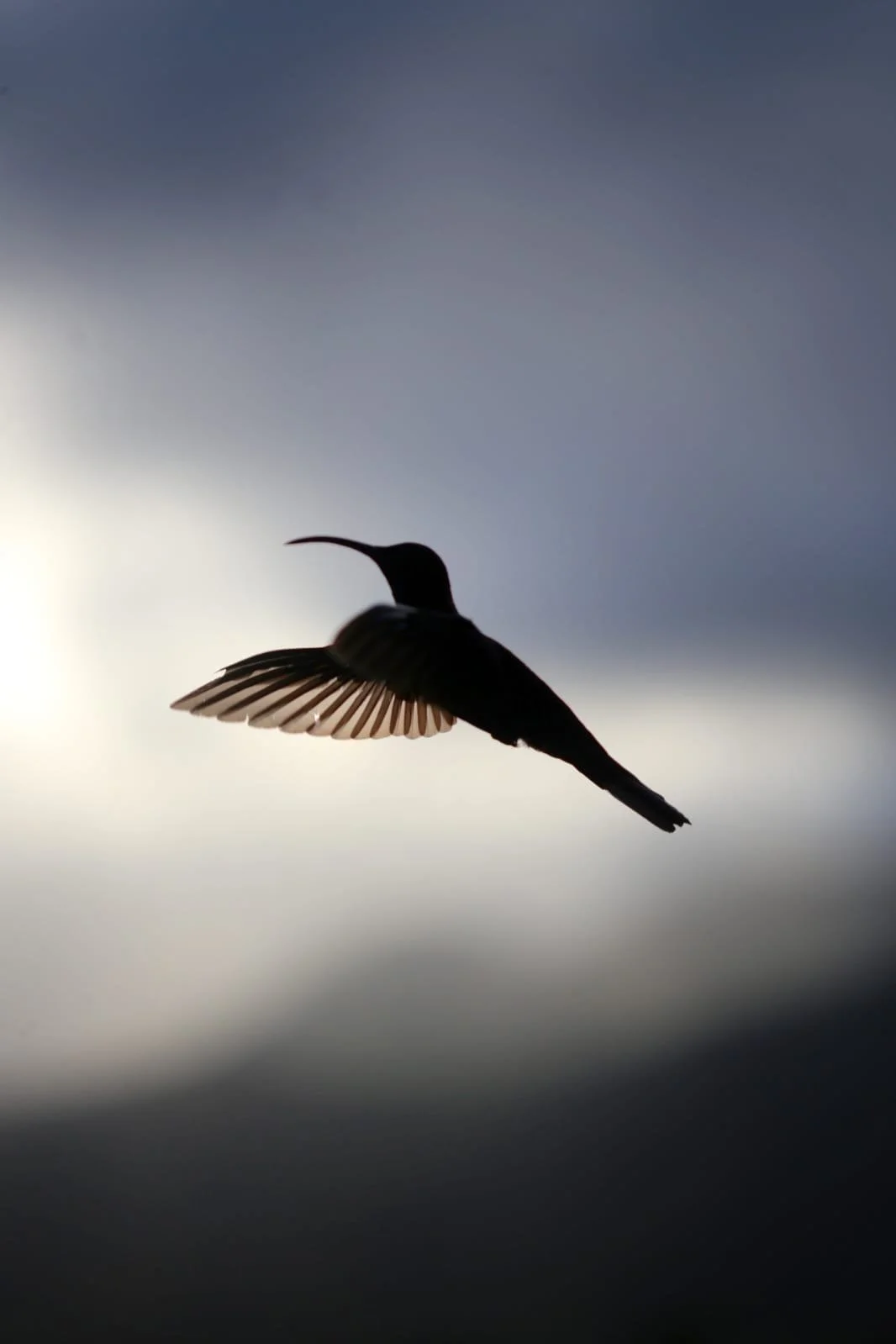
Few birds in Panama are as fascinating, elusive, and misunderstood as the cuckoos. While colorful toucans, dazzling hummingbirds, and noisy parrots often steal the spotlight, cuckoos live a quieter existence in the shadows of forests, mangroves, wetlands, and jungle edges. Yet these remarkable birds possess some of the most unusual behaviors in the avian world. They are agile hunters, expert climbers, and in some parts of the world, notorious tricksters. In Panama, cuckoos represent an entire group of birds that many visitors hear before they see, and often glimpse only briefly as they slip through dense foliage like feathered ghosts.
Panama's position as a biological bridge between North and South America has made it home to an impressive variety of cuckoo species. Birdwatchers exploring the country's forests may encounter the Squirrel Cuckoo, Smooth-billed Ani, Groove-billed Ani, Mangrove Cuckoo, Striped Cuckoo, Pheasant Cuckoo, Lesser Ground-Cuckoo, and several others. Each species has evolved its own lifestyle and ecological niche, creating one of the richest cuckoo assemblages anywhere in the Americas. From the Caribbean lowlands of Bocas del Toro to the cloud forests of Chiriquí and the remote wilderness of Darién, cuckoos are quietly carrying out their lives largely unnoticed by most people.
The most iconic of Panama's cuckoos is undoubtedly the Squirrel Cuckoo. This striking bird looks almost prehistoric, with its long tail, rich chestnut back, pale belly, and vivid red eye-ring. At first glance it appears more like a small dinosaur than a modern bird. Unlike many birds that hop from branch to branch, the Squirrel Cuckoo moves with surprising agility through the canopy, often bounding between limbs and racing through vegetation in pursuit of prey. Its name comes not from any relationship to squirrels but because its movements resemble those of a squirrel scrambling through the trees. When sunlight filters through the rainforest canopy and illuminates its reddish plumage, it becomes one of the most spectacular birds in Panama's forests.
What makes cuckoos particularly unique is their diet. While many tropical birds focus on fruits, nectar, or seeds, cuckoos are voracious predators. They consume caterpillars, grasshoppers, beetles, spiders, lizards, frogs, snakes, and even small birds when opportunities arise. Remarkably, many cuckoos can eat hairy or toxic caterpillars that other birds avoid. Their digestive systems are specially adapted to handle prey that would be difficult or dangerous for many other species. In Panama's forests, this makes cuckoos important natural pest controllers that help maintain ecological balance.
Perhaps no cuckoo in Panama has a more unusual lifestyle than the anis. The Smooth-billed Ani and Groove-billed Ani are among the most social members of the cuckoo family. Unlike their secretive relatives, anis often gather in noisy groups that can number more than a dozen birds. They are commonly seen in open fields, agricultural areas, roadsides, and forest edges throughout much of Panama. Their glossy black feathers and awkward appearance may not immediately attract attention, but their behavior is extraordinary. Multiple pairs often share a single nest, cooperatively raising their young together. This communal nesting strategy is rare among birds and demonstrates a level of social cooperation that scientists continue to study. Watching a group of anis move through a pasture, searching for insects while calling to one another, reveals a completely different side of cuckoo life.
One of the most mysterious cuckoos found in Panama is the Mangrove Cuckoo. As its name suggests, this species is closely tied to mangrove ecosystems along both the Caribbean and Pacific coasts. Mangroves are among the least explored habitats by casual visitors, and the birds that inhabit them often remain hidden from view. The Mangrove Cuckoo slips silently through tangled roots and dense vegetation, hunting insects, crabs, and other small creatures. Birdwatchers may spend hours searching suitable habitat before finally spotting one. Because mangrove forests are disappearing in many parts of the world, the presence of healthy populations of Mangrove Cuckoos serves as an indicator of ecosystem health.
Then there is the astonishing Pheasant Cuckoo, a bird that seems almost mythical. This species is rarely encountered, even by experienced birders. Found in dense forests, it possesses a long, barred tail and elegant appearance unlike most other cuckoos. What makes it truly extraordinary is its ability to mimic the appearance of certain forest hawks. Scientists believe this mimicry may help deter predators or confuse potential threats. Imagine a harmless bird evolving to resemble a bird of prey simply as a survival strategy. Nature's creativity is on full display in species such as the Pheasant Cuckoo.
Perhaps the most famous characteristic associated with cuckoos worldwide is brood parasitism, the behavior of laying eggs in another bird's nest and allowing the host species to raise the chicks. While this strategy is legendary among European and Asian cuckoos, some Panamanian species also exhibit variations of this remarkable reproductive behavior. The Striped Cuckoo, for example, is known for placing its eggs in the nests of other birds. The unsuspecting foster parents incubate the eggs and care for the chick, often investing enormous energy into raising a young bird that is not their own. This reproductive strategy is one of the most extraordinary examples of evolutionary adaptation in the animal kingdom.
The sounds of Panama's cuckoos are often more noticeable than the birds themselves. Deep within the rainforest, strange calls echo from unseen branches. Some species produce haunting whistles, while others generate rhythmic series of notes that seem to come from nowhere. The Squirrel Cuckoo's bubbling calls can travel considerable distances through the forest, creating an atmosphere that feels ancient and untamed. In mangroves, the Mangrove Cuckoo emits distinctive vocalizations that help birdwatchers identify its presence long before the bird reveals itself. For many visitors, hearing these mysterious sounds becomes one of the most memorable parts of exploring Panama's wild places.
Panama's remote protected areas provide excellent habitat for cuckoos. Places such as Palo Seco Forest Reserve, La Amistad International Park, Soberanía National Park, and Darién National Park offer some of the best opportunities to encounter these fascinating birds. In the forests surrounding the renowned Lost and Found Hostel area near the Fortuna region, birders frequently encounter Squirrel Cuckoos and occasionally other members of the family while exploring trails and roadside forest edges. The combination of mature forest, secondary growth, and abundant insect life creates ideal conditions for these secretive hunters.
What makes cuckoos especially appealing to bird enthusiasts is that they never seem entirely predictable. A toucan often sits visibly in a fruiting tree. A hummingbird repeatedly visits flowers. But cuckoos appear suddenly, move rapidly, and disappear just as quickly. Every sighting feels earned. They are birds that reward patience and observation. Their elusive nature creates an almost treasure-hunt-like experience that keeps birdwatchers scanning every branch and listening carefully to every unfamiliar call.
In many ways, cuckoos embody the spirit of Panama's wild landscapes. They are adaptable yet secretive, widespread yet rarely seen, common in some areas but perpetually mysterious. They thrive in rainforests, cloud forests, mangroves, wetlands, and even agricultural landscapes. They are predators, mimics, cooperative nesters, and in some cases, reproductive strategists unlike almost any other birds. Each species tells a different evolutionary story, yet together they form one of the most intriguing bird families in the country.
For travelers exploring Panama's forests, spotting a cuckoo often becomes an unexpected highlight. It may be a Squirrel Cuckoo racing through the canopy near a jungle trail, a flock of anis gathering beside a rural road, or the fleeting silhouette of a Mangrove Cuckoo vanishing into coastal vegetation. These encounters tend to linger in memory because cuckoos feel different from other birds. They seem to belong to another age, carrying ancient behaviors and remarkable adaptations that have evolved over millions of years. In a country already famous for its extraordinary biodiversity, the cuckoos stand as some of the most fascinating reminders that nature's greatest wonders are often the ones hiding quietly in plain sight.