
For generations, Panama has been defined by movement. Ships cross the canal. Airplanes connect continents through Tocumen. Highways link cities from the capital to the Costa Rican border. Yet despite being one of the most important transportation hubs on Earth, Panama has never had a modern passenger rail system connecting the length of the country. That may soon change with the proposed Panama–David–Frontera railway, one of the most ambitious infrastructure projects in the nation's history. If completed, it could reshape how Panamanians travel, how goods move, and how entire regions develop for decades to come.
The vision is bold. The railway would stretch roughly 475 kilometers from Panama City westward through the country's interior, eventually reaching David in Chiriquí and continuing to Paso Canoas on the Costa Rican border. Current plans envision a line capable of carrying both passengers and freight, creating a transportation corridor that would unite the country's economic heart with its agricultural powerhouse. The estimated cost is measured in billions of dollars, making it one of the largest public works projects Panama has ever considered.
Perhaps the most remarkable aspect of the proposal is the travel time. A journey from Panama City to David currently requires a long drive across the Inter-American Highway or a domestic flight. The proposed train could potentially make the trip in about three hours, dramatically shrinking the perceived size of the country. Suddenly, weekend trips between Chiriquí and the capital could become routine. Business travel would become easier. Families separated by hundreds of kilometers would find themselves much closer than ever before.
For residents of Chiriquí, Veraguas, Coclé, and other provinces along the route, the implications could be enormous. Throughout history, railways have done far more than move people. They have created entirely new patterns of development. Towns that once sat quietly beside highways often become transportation hubs. New hotels, restaurants, logistics centers, housing developments, and businesses frequently emerge around stations. The government has repeatedly emphasized that the railway is intended not only as a transportation project but also as a tool for regional development and national integration.
The freight component may be even more significant than the passenger service. Chiriquí produces much of Panama's vegetables, dairy products, coffee, and agricultural exports. Moving cargo efficiently from western Panama to ports and markets in the capital has long been a challenge. Supporters argue that a modern freight railway could lower transportation costs, improve competitiveness for farmers, and strengthen Panama's logistics sector. The country already serves as a bridge for global commerce through the canal. A modern railway across the nation's interior could extend that role far beyond the canal zone itself.
One of the most fascinating engineering challenges involves crossing the Panama Canal. Plans call for a major new bridge that would carry the railway across one of the world's most important waterways. The proposed fifth canal bridge has become a critical component of the project, connecting the rail corridor between eastern and western Panama while preserving the canal's operational requirements. Designing such a structure is a massive undertaking in itself and represents one of the most technically demanding parts of the entire railway.
Although many people talk about the railway as if construction were already underway, the project remains in an extensive planning and study phase. During 2025 and 2026, the government authorized additional engineering work, environmental studies, market analysis, financial evaluations, and feasibility assessments. International engineering firms have been brought in to help determine everything from route alignments to environmental impacts and economic viability. In other words, the dream is becoming more detailed, but significant planning work still remains before the full project can become reality.
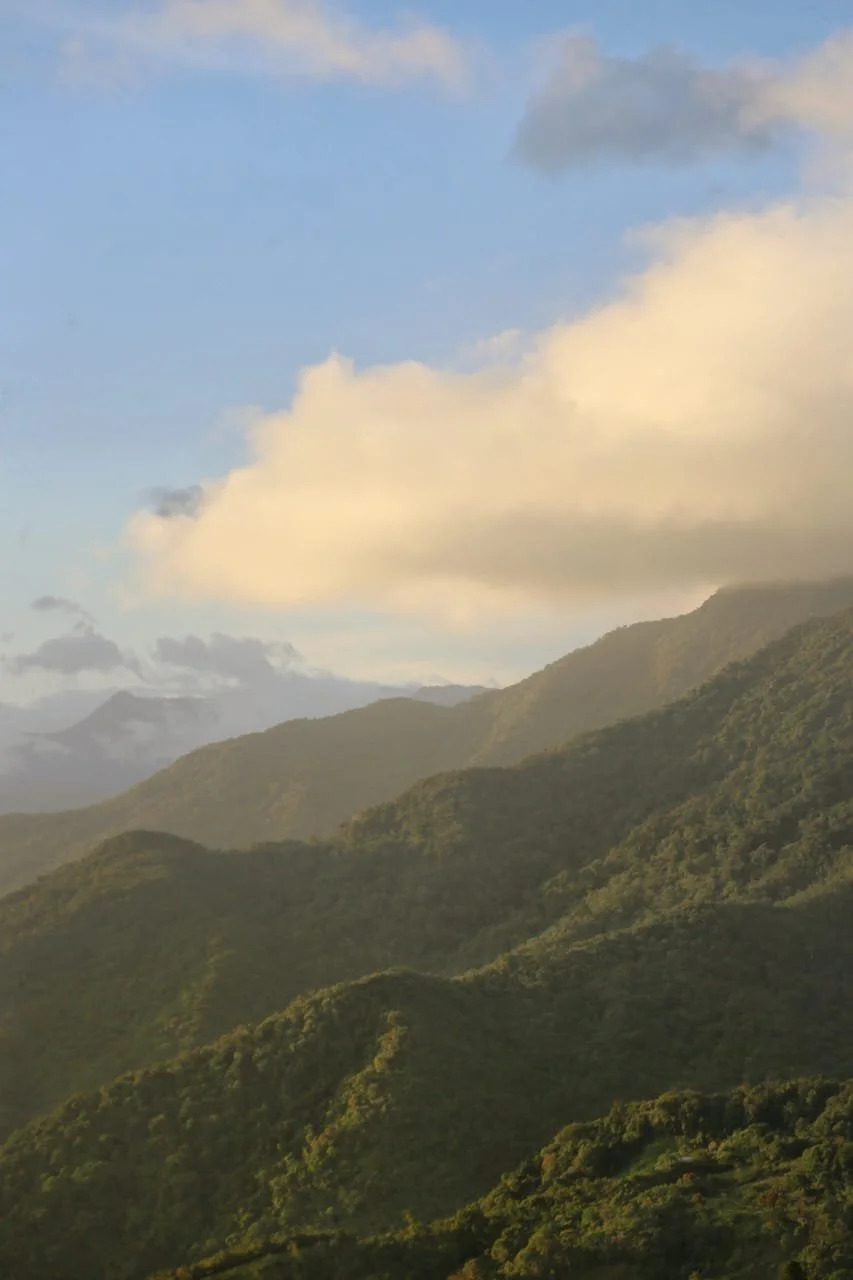
The route itself is expected to pass through some of Panama's most important population centers and landscapes. Travelers could potentially watch the skyline of Panama City disappear behind them, cross the rolling hills of Coclé, pass through the ranchlands of Veraguas, and eventually arrive in the cool highlands and fertile valleys of Chiriquí. Few countries offer such geographic diversity over a relatively short distance. The railway would not merely connect destinations; it would provide a moving window into Panama's natural and cultural richness.
Tourism advocates are particularly excited about what the railway could mean. Visitors arriving at Tocumen International Airport could potentially board a train and reach destinations across the country without renting a car or taking domestic flights. Places like Santiago, David, Boquete, Volcán, and the border region could become more accessible than ever before. Tourism development often follows transportation improvements, and supporters see the railway as a way to spread visitor spending beyond Panama City.
The project also carries a larger symbolic significance. Panama already possesses one of the world's most historic railroads, the legendary Panama Canal Railway, which helped transform global trade in the nineteenth century. The proposed Panama–David railway would represent a new chapter in that story. Instead of connecting two oceans, it would connect an entire nation. It would be a reminder that railways still have the power to shape economies and societies, even in the age of airplanes and highways.
Whether the train ultimately follows its current timetable or faces delays remains to be seen. Megaprojects of this scale are never simple. They require financing, engineering, environmental approvals, and political commitment over many years. Yet regardless of the final outcome, the proposal has already captured the imagination of many Panamanians. For the first time in generations, people can envision boarding a train in Panama City and stepping off hours later in David, watching the landscapes of their country unfold through the window.
If that vision becomes reality, the Panama–David–Frontera railway may be remembered not simply as a transportation project, but as one of the defining national projects of twenty first century Panama.