
There are some countries that work surprisingly well for family travel, and then there are countries that seem almost designed to spark a child's imagination. Panama belongs firmly in the second category. Traveling through Panama with children is rarely a perfectly smooth experience. There will be moments when someone is tired, hungry, sunburned, bored during a transfer, or refusing to leave a beach that the rest of the family is ready to depart. There will be afternoons interrupted by tropical rainstorms and mornings when plans change unexpectedly. Yet these are often the exact trips that families remember most fondly years later. Panama is not a destination that simply entertains children. It immerses them in a world that feels completely different from everyday life. One day they may be standing beside one of the greatest engineering achievements in human history, watching gigantic cargo ships slowly move through the Panama Canal. The next day they may be riding in a boat across crystal clear Caribbean water while pelicans dive into the sea around them. A few days later they could be walking through a cloud forest where the trees disappear into mist and strange bird calls echo through the mountains. For children, Panama feels less like a vacation destination and more like stepping into an adventure book where every chapter introduces something entirely new.
The reason Panama works so well for families is because of its incredible diversity combined with relatively manageable distances. Many countries require multiple expensive flights or days of travel to experience dramatically different landscapes. In Panama, a family can wake up in a modern skyline filled with skyscrapers, spend the afternoon surrounded by rainforest wildlife, and within a few days be swimming beside coral reefs or hiking through cool mountain forests. The country constantly changes scenery. Children rarely have enough time to become bored because every destination feels different from the last. The Pacific Coast has its own atmosphere. The Caribbean feels like another world entirely. The mountains around Boquete offer temperatures and landscapes that seem impossible after experiencing the tropical heat of the lowlands. This constant variety keeps children engaged and curious, and curiosity is one of the most valuable assets a family can have while traveling.
For most visitors, the journey begins in Panama City, and many families underestimate how enjoyable the city itself can be. Parents often arrive expecting to spend only a day or two before moving on to beaches and rainforests, but Panama City frequently surprises visitors with how easy it is to explore and how much there is to see. One of the simplest ways to make family travel less stressful here is by relying heavily on Uber rather than trying to navigate traffic, parking, and unfamiliar roads. This may sound like a small detail, but for families it can dramatically improve the experience. Imagine finishing a long morning exploring the locks of the Panama Canal with tired children, backpacks full of water bottles, cameras, snacks, hats, and perhaps a few souvenirs. Instead of searching for parking or walking long distances in tropical heat, a family can simply request an Uber and quickly move to their next destination in air conditioned comfort. The cost is often remarkably reasonable compared to many major cities in North America or Europe, and the convenience becomes especially valuable when traveling with younger children. Parents who use Uber extensively within Panama City often discover that they spend less time worrying about logistics and more time actually enjoying their vacation.
The Panama Canal itself is often far more fascinating to children than many parents expect. Adults appreciate its economic importance and historical significance, but children become captivated by the spectacle. Standing at the observation platforms and watching a vessel that appears almost as large as a skyscraper slowly move through the locks creates a sense of wonder that is difficult to describe. The ships seem impossibly large. The machinery appears enormous. The entire process resembles a giant moving puzzle. Children quickly begin asking questions. Where is the ship going? How does the water lift it? How long does it take? How many containers are on board? The canal transforms geography, engineering, and history into something tangible and exciting. It is one of those rare attractions where education happens naturally because children become genuinely curious about what they are seeing.
One challenge that many families encounter in Panama is transportation between destinations. Looking at a map can create the illusion that everything is close together. In reality, travel days often take longer than expected. Mountain roads can be winding, weather can slow progress, and ferry schedules or boat transfers sometimes operate on tropical time rather than strict precision. This is why many experienced travelers recommend organizing shuttle services between major destinations. Traveling from Panama City to Boquete, from Boquete to Bocas del Toro, or between various beach destinations can be significantly easier when transportation has been arranged in advance. A shuttle may cost more than a public bus, but it often provides a level of comfort and predictability that families greatly appreciate. Children can relax, parents avoid navigation stress, and everyone arrives with more energy to enjoy the destination itself. For many families, transportation is not the place where they want to maximize savings. Spending a little extra on organized transfers often improves the entire trip.
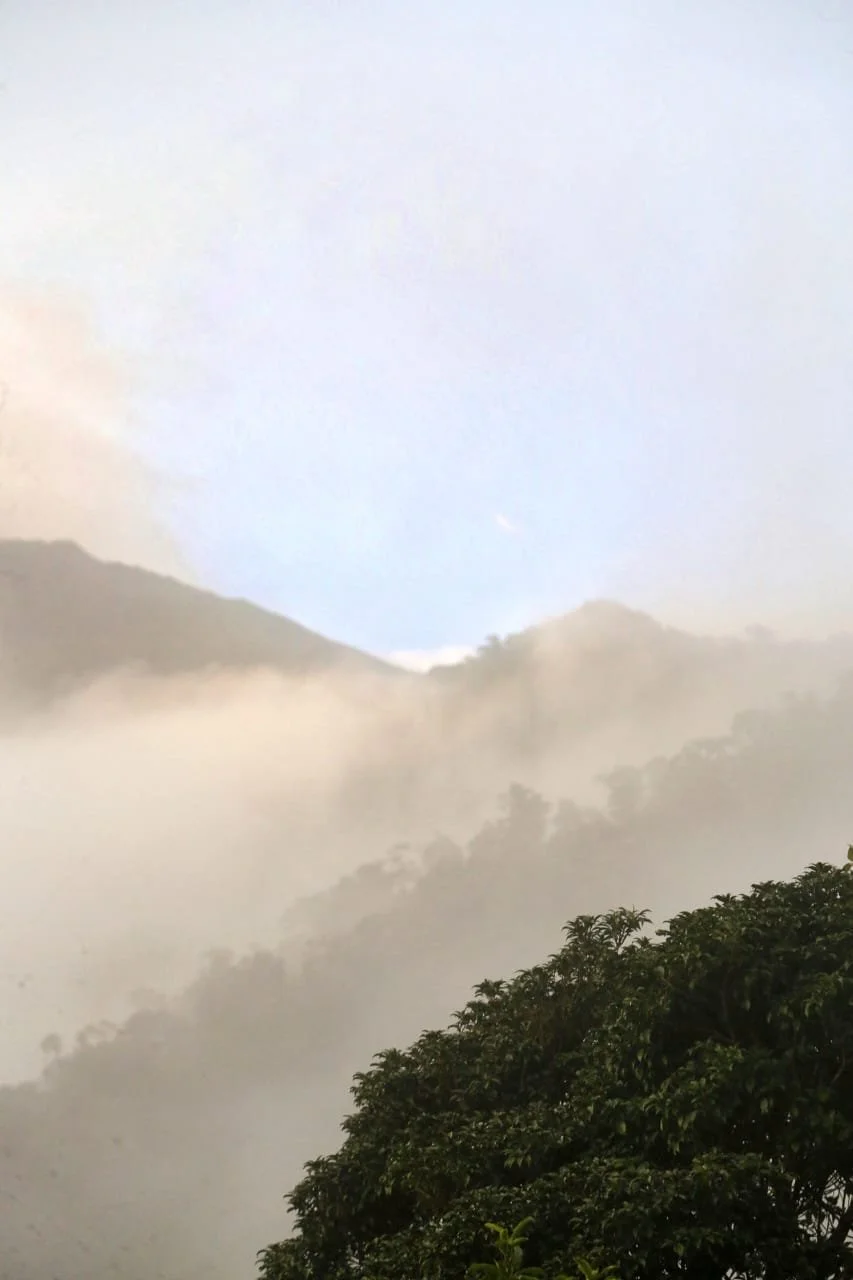
The mountain town of Boquete frequently becomes one of the favorite destinations for families traveling through Panama. After experiencing the tropical heat of the lowlands, arriving in Boquete feels like opening a window and letting fresh air into the trip. Temperatures are cooler, nights are more comfortable, and the surrounding scenery is spectacular. Children often seem to regain energy almost immediately. The area is filled with rivers, waterfalls, coffee farms, gardens, and cloud forests. Even a simple walk can become an adventure. Brightly colored flowers line roadsides. Butterflies drift through the air. Hummingbirds dart between plants. The mountains create dramatic backdrops in every direction. Parents often find that Boquete provides a welcome opportunity to slow down. Instead of racing from attraction to attraction, families can enjoy nature at a more relaxed pace while still feeling that they are discovering something extraordinary.
Perhaps nothing captures a child's imagination in Panama quite like the wildlife. In many parts of the world, seeing animals requires visiting zoos or wildlife parks. In Panama, wildlife encounters often happen unexpectedly. A family may be eating breakfast when a troop of monkeys appears in nearby trees. A sloth may be spotted hanging from a branch beside a road. A toucan may suddenly fly across a valley. Dolphins may appear alongside a boat crossing Caribbean waters. These encounters feel different because they are not staged. They happen naturally. The animals are not performing for visitors. They are simply living their lives, and travelers are lucky enough to witness them. Children quickly become wildlife detectives, constantly scanning trees, listening for unusual sounds, and pointing excitedly whenever they spot movement. This sense of discovery transforms even ordinary walks into adventures.
The Caribbean side of Panama often creates the strongest and most vivid memories of an entire trip. Places such as Bocas del Toro feel almost dreamlike to many children. The water is often so clear that fish can be seen swimming beneath docks and boats. Tiny islands are scattered across the horizon. Palm trees lean over beaches. Colorful wooden buildings stand above the sea. Boat rides become a routine part of daily life. For a child accustomed to cities, suburbs, or inland landscapes, this environment feels extraordinary. Snorkeling over coral reefs, searching for starfish in shallow water, watching dolphins leap through waves, or simply collecting shells along a beach can become highlights that remain vivid decades later. The Caribbean possesses a kind of natural beauty that children immediately understand. They do not need explanations or historical context. They simply recognize that it is a magical place.
Of course, island travel also introduces some of the most common family challenges. Boats may not leave exactly on schedule. Rainstorms may arrive suddenly and force everyone to seek shelter. Electricity occasionally fails in some areas. Internet service can be inconsistent. Restaurants may take longer to prepare meals than children would prefer. Parents who arrive expecting perfect efficiency sometimes become frustrated. Those who embrace the slower pace usually enjoy themselves far more. The Caribbean teaches patience. It encourages families to sit together, watch the sea, talk, play games, and enjoy moments that would often be filled with screens and distractions at home. Ironically, some of the delays and inconveniences become favorite memories because they force families to spend time together in ways that modern life rarely allows.
Budget is naturally a concern for many families, and Panama can be approached in a way that balances comfort with affordability. One of the biggest mistakes parents make is assuming they need to pay for organized activities every day. Children often derive just as much joy from simple experiences. A beach can provide hours of entertainment. Watching fishing boats return to shore can be fascinating. Exploring tide pools can feel like a treasure hunt. Visiting a local market introduces children to unfamiliar fruits, foods, and cultures. Riding a water taxi becomes an adventure. Some of the most meaningful experiences in Panama cost very little. Families often discover that spending money strategically on transportation, comfortable accommodations, and a few memorable excursions creates a better overall experience than trying to fill every day with expensive tours.
Food also becomes part of the adventure. Panama offers countless opportunities for children to try new things without straying too far from familiar flavors. Fresh fruit is everywhere, and many visitors are surprised by how dramatically different tropical fruit tastes when eaten near where it is grown. Pineapples are sweeter. Mangoes are richer. Watermelon seems more refreshing. Fresh juices become daily treats. At the same time, restaurants throughout the country serve simple meals that most children enjoy, including rice, chicken, fish, soups, fries, and grilled foods. Parents who carry snacks, especially during travel days, often avoid many of the small crises that can occur when hungry children become impatient.
Ultimately, what makes Panama such a rewarding destination for families is that it provides authentic experiences rather than manufactured entertainment. Children are not merely watching attractions. They are experiencing rainforests, mountains, islands, wildlife, and cultures firsthand. They are discovering how giant ships cross continents, how monkeys live in the wild, how coral reefs function, and how different communities live. The trip becomes more than a vacation. It becomes a collection of stories that the family will tell for years. Long after hotel names are forgotten and itineraries disappear, children will remember the monkey that appeared during breakfast, the sloth hanging above the road, the boat ride across turquoise water, the tropical rainstorm that soaked everyone, the giant ship in the canal, and the sunset that painted the sky orange over the Caribbean Sea.
Those memories are ultimately the true value of traveling through Panama with children. Not perfection. Not luxury. Not checking destinations off a list. The real value lies in sharing adventures together, facing occasional challenges together, discovering extraordinary places together, and creating stories that become part of a family's history forever. Panama happens to be one of the best places in the world to make those stories happen.