
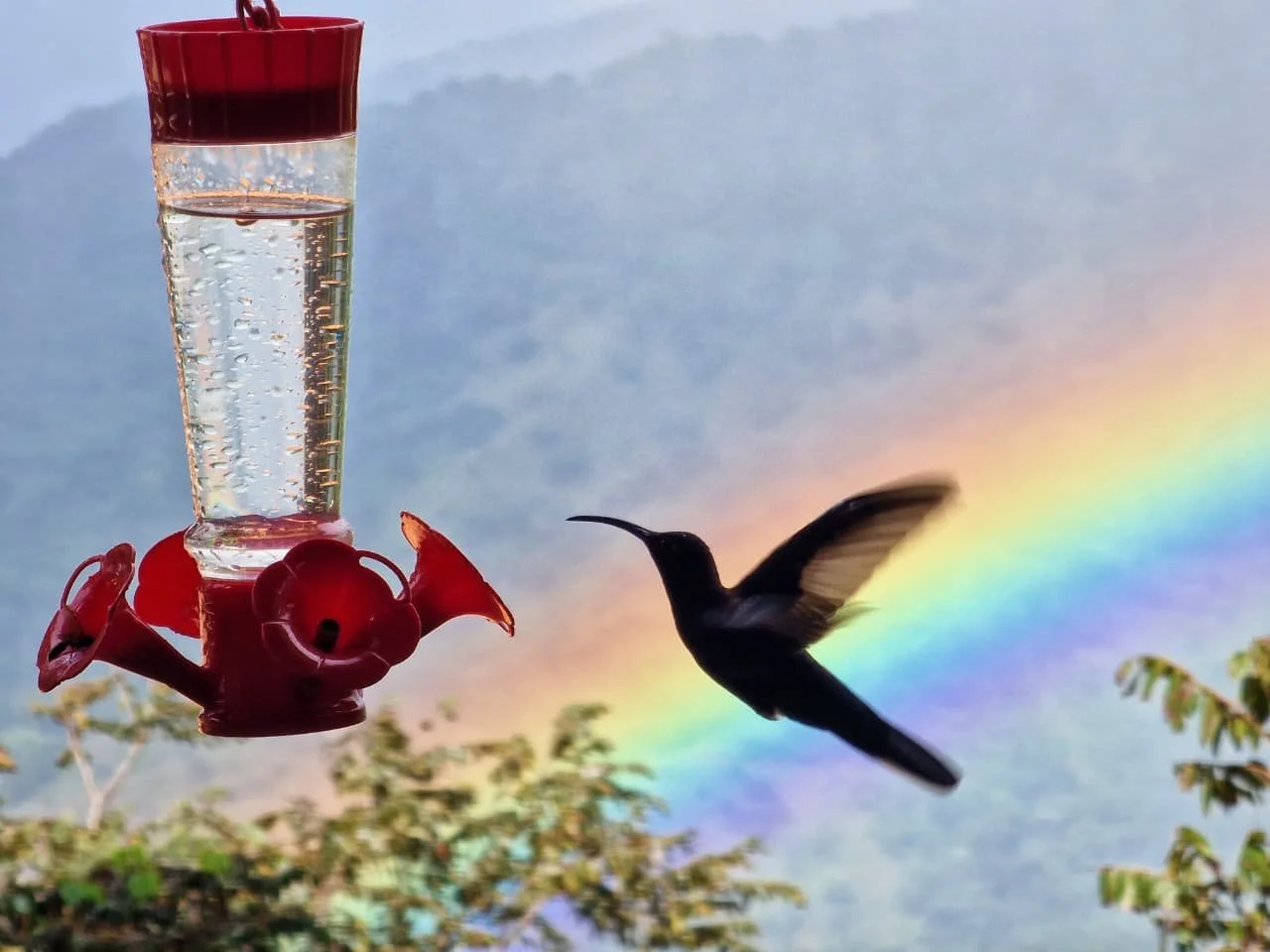
Few birds capture the imagination quite like the swallow tailed kite. With its gleaming white body, jet black wings, and deeply forked tail that seems to slice effortlessly through the air, this elegant raptor is often considered one of the most beautiful birds in the Americas. In Panama, where tropical forests meet mountains, rivers, coastlines, and vast stretches of wilderness, the swallow tailed kite is a familiar sight to birdwatchers and nature enthusiasts. Yet despite how graceful and seemingly carefree these birds appear as they drift high above the landscape, their lives are connected to one of the most extraordinary migration stories in the natural world. Every year, swallow tailed kites travel thousands of kilometers between North and South America, and Panama occupies a crucial position along this incredible journey. The country serves not only as an important migration corridor but also as a place where these magnificent birds can be observed soaring above forests, rivers, agricultural valleys, and even the outskirts of cities. Their annual movements link distant ecosystems across continents and remind observers that the skies above Panama are part of a much larger natural network stretching from the southeastern United States deep into South America.
The swallow tailed kite is a master of flight in a way that few other birds can match. Unlike many raptors that rely on powerful wingbeats, these birds seem to float effortlessly through the sky. They twist, glide, bank, and turn with astonishing precision, often appearing more like giant swallows than birds of prey. Their long, pointed wings and dramatically forked tails allow them to perform aerial maneuvers that seem almost impossible. Observers frequently watch them changing direction without a single wingbeat, riding invisible currents of warm air while covering enormous distances. In Panama, this graceful flight is often seen over forested hillsides, river valleys, and open landscapes where thermals help lift the birds higher and higher into the sky. The sight of a swallow tailed kite circling above a tropical forest against a backdrop of green mountains and white clouds is one of the most memorable experiences that birdwatchers can have in the country.
Panama occupies a uniquely important position in the migration route of swallow tailed kites because it forms the narrow bridge between North and South America. This slender isthmus funnels millions of migrating birds through a relatively small geographic area, creating one of the world's greatest migration spectacles. For swallow tailed kites, Panama is both a passageway and a vital resting and feeding region. Birds traveling south from North America must eventually cross Central America, and Panama represents one of the final stages before they enter the vast landscapes of South America. During migration periods, observers may witness groups of kites soaring together over ridges and forests as they continue their long journey. The country's geography channels these birds through mountain ranges, valleys, and lowland corridors where favorable wind conditions help them conserve energy. Because of this, Panama has become one of the best places in the world to observe migrating raptors, and swallow tailed kites are among the most admired participants in this aerial movement.
The migration itself is astonishing in scale. Many swallow tailed kites that breed in the southeastern United States undertake journeys of several thousand kilometers every year. After raising their young during the northern summer, they begin moving southward. Their route carries them across the Gulf Coast, through Mexico and Central America, and eventually into South America, where they spend the non breeding season. Some individuals travel all the way to regions of Brazil, Bolivia, Paraguay, and northern Argentina. The journey requires remarkable endurance and precise navigation. Unlike human travelers who rely on maps, technology, and transportation networks, these birds navigate using instincts shaped by countless generations of evolution. They locate favorable weather patterns, exploit rising air currents, and move through landscapes that they have never consciously learned. Each migration represents a triumph of natural adaptation, demonstrating abilities that continue to fascinate scientists and bird enthusiasts alike.
Panama's forests provide critical resources for migrating swallow tailed kites. Although they spend much of their lives in the air, these birds depend on healthy ecosystems below. Swallow tailed kites feed on a variety of prey, including insects, small reptiles, frogs, and other small animals that they often capture without landing. Their hunting style is as elegant as their flight. Rather than perching and waiting for prey like many raptors, they frequently snatch food directly from vegetation while gliding through the air. In Panama's tropical forests, where biodiversity is exceptionally rich, these birds can find abundant feeding opportunities during migration. Forest edges, river corridors, wetlands, and secondary growth areas are especially valuable because they support large populations of insects and other prey species. The health of these ecosystems directly influences the success of migration, highlighting the importance of conservation efforts throughout the country.
One of the most fascinating aspects of swallow tailed kites is their relationship with weather and atmospheric conditions. These birds are experts at reading the sky. They rely heavily on thermals, which are rising columns of warm air created when the sun heats the ground. By circling within these invisible elevators, the birds can gain altitude with minimal effort. Once high enough, they glide long distances before finding another thermal and repeating the process. This strategy allows them to travel efficiently over vast distances while conserving energy. In Panama, where tropical sunlight and varied topography create excellent soaring conditions, swallow tailed kites often spend hours circling high above ridges and valleys. During migration, favorable weather can produce impressive concentrations of birds moving through the same areas. Birdwatchers stationed at strategic observation points sometimes witness dozens or even hundreds of raptors sharing the same airspace as they take advantage of ideal conditions.
The country's protected areas play an essential role in safeguarding these magnificent migrants. National parks and reserves such as Soberanía National Park, La Amistad International Park, and Darién National Park protect vast expanses of habitat that benefit countless migratory species. While swallow tailed kites may spend only part of the year in any particular location, their survival depends on a chain of healthy ecosystems extending across continents. Conservation in Panama therefore contributes not only to local biodiversity but also to the success of migration systems that connect North and South America. Every protected forest corridor, river basin, and wetland becomes part of a larger network supporting one of nature's most impressive movements.
Birdwatchers visiting Panama often rank swallow tailed kites among their favorite sightings. Unlike some tropical birds that remain hidden deep within dense vegetation, these raptors are frequently visible against open skies, allowing prolonged observation of their behavior. Popular birding destinations throughout the country offer opportunities to see them, especially during migration seasons. Along forest roads, near rivers, above agricultural valleys, and over mountain ridges, observers may suddenly notice a distinctive silhouette gliding overhead. The deeply forked tail immediately distinguishes the bird from any other raptor in the region. For many visitors, seeing a swallow tailed kite soaring above the rainforest becomes one of the defining memories of their trip. The combination of beauty, grace, and the knowledge that the bird may be undertaking a journey spanning continents creates a sense of wonder that few wildlife encounters can equal.
The future of swallow tailed kites remains closely tied to the health of the landscapes through which they migrate. Habitat loss, deforestation, changes in land use, and climate related shifts in weather patterns all have the potential to affect migration routes and feeding opportunities. Because these birds depend on ecosystems across multiple countries, their conservation requires international cooperation. Fortunately, increasing awareness of migratory bird conservation has highlighted the importance of preserving critical habitats throughout the Americas. Panama's role within this effort is especially significant because of its strategic geographic position. By protecting forests, maintaining ecological corridors, and supporting conservation initiatives, the country helps sustain one of the great natural phenomena of the Western Hemisphere.
To watch a swallow tailed kite in Panama is to witness a creature perfectly adapted to life between continents. It is a bird that spends much of its existence riding winds that connect distant forests, rivers, and mountain ranges. It links the cypress swamps and woodlands of the southeastern United States with the immense tropical landscapes of South America. Along the way, Panama serves as one of its most important gateways. High above the rainforest canopy, over rolling hills and winding rivers, these birds continue a migration that has unfolded for countless generations. Their effortless flight conceals an extraordinary story of endurance, navigation, and survival. For those fortunate enough to look skyward at the right moment, the sight of a swallow tailed kite drifting across the Panamanian sky offers a glimpse into one of the most elegant and awe inspiring journeys in the natural world.