
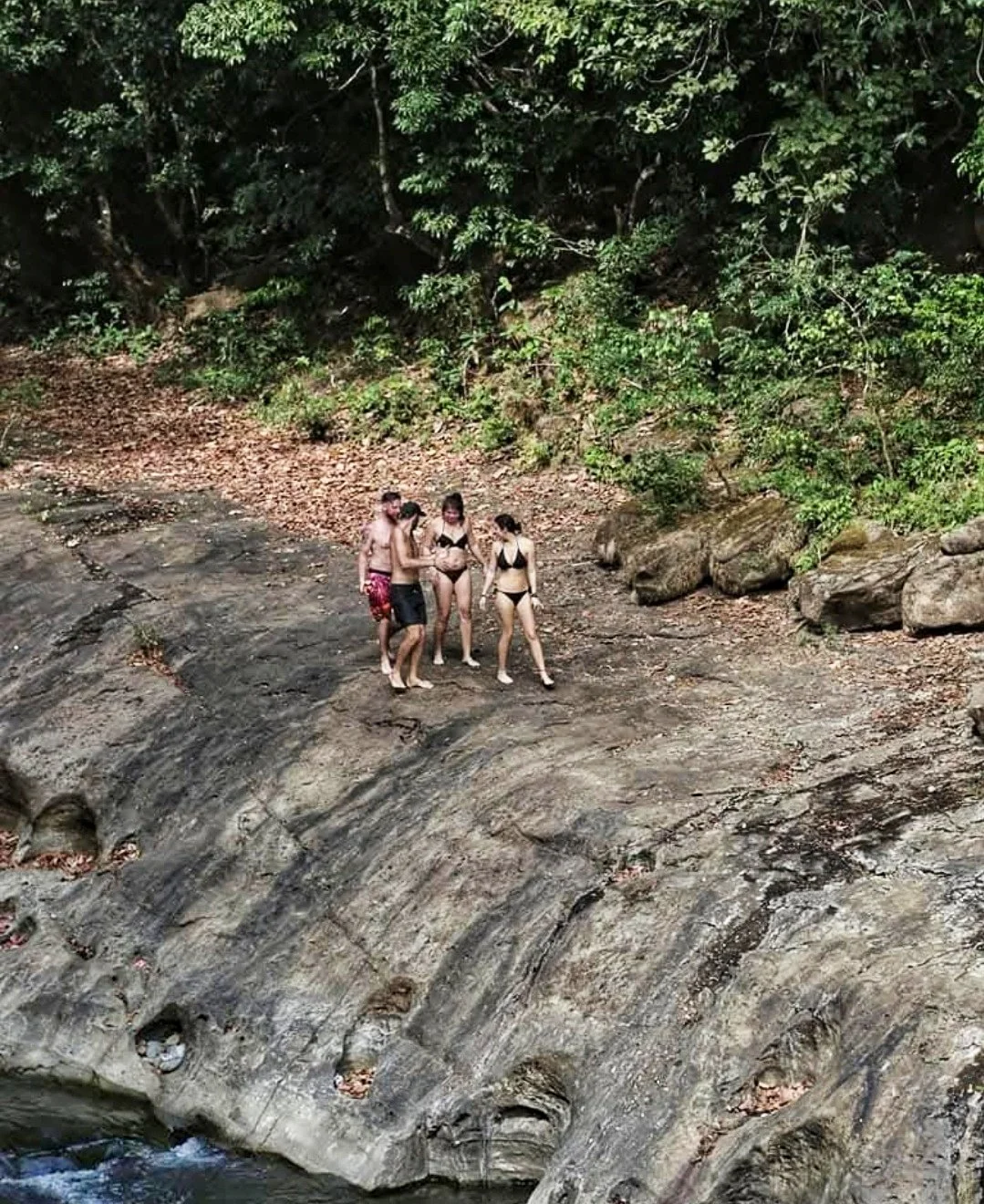
For many travelers planning a trip to Central America, the choice eventually comes down to two countries that seem remarkably similar on paper: Panama and Costa Rica. Both are tropical nations blessed with incredible biodiversity, lush rainforests, volcanic mountains, cloud forests, wildlife, pristine beaches, surfing destinations, and warm climates that attract visitors throughout the year. Both have reputations for political stability compared to many of their neighbors. Both offer opportunities to see monkeys, sloths, toucans, sea turtles, dolphins, and countless species of tropical birds. Both have developed tourism industries and welcome millions of visitors. Looking at photographs alone, many travelers would struggle to tell which country they are seeing. A cloud forest lodge in Costa Rica may look very similar to a cloud forest lodge in Panama. A Caribbean beach in one country may appear nearly identical to a Caribbean beach in the other. Yet despite these similarities, one major difference becomes immediately obvious once travelers begin planning their budgets. In general, Panama is significantly cheaper than Costa Rica, and the difference is often far greater than many people expect. Depending on travel style, destination, and season, a traveler can often spend twenty, thirty, forty, or even fifty percent less in Panama while enjoying many of the same experiences. Over the course of a week, the savings may be noticeable. Over the course of a month, they can become substantial. For retirees, digital nomads, backpackers, families, and long term travelers, the difference can amount to thousands of dollars annually.
The reason Costa Rica is generally more expensive is not because it offers dramatically superior scenery or significantly better experiences. Rather, Costa Rica has spent decades establishing itself as one of the most recognizable ecotourism destinations on Earth. It has become a global brand. Travelers from North America, Europe, Australia, and increasingly Asia often think of Costa Rica as the default destination for tropical nature tourism in Latin America. This popularity has brought tremendous economic success to the country, but it has also driven prices upward across nearly every aspect of the tourism sector. Hotels charge more because demand remains high. Restaurants charge more because visitors are willing to pay. Tour operators charge more because the market supports it. Rental car companies charge more because visitors often have few alternatives. In many of Costa Rica's most famous destinations, prices now resemble those found in parts of the United States or Western Europe rather than what travelers traditionally expect from Central America. Panama, meanwhile, remains somewhat overlooked despite offering many of the same natural attractions and advantages. The result is a country where travelers often find far better value for their money.
Accommodation is perhaps the easiest place to notice the difference. In Costa Rica's most popular destinations such as La Fortuna, Manuel Antonio, Tamarindo, Santa Teresa, and Monteverde, hotel prices can be surprisingly high. During peak travel periods, even modest accommodations may cost significantly more than visitors expect. Travelers frequently discover that a room they assumed would cost eighty dollars actually costs one hundred and fifty. A beachfront property that appears affordable at first glance may exceed three hundred dollars per night once taxes and fees are included. In Panama, however, visitors often find larger rooms, better locations, and more amenities for the same amount of money. Whether staying in a mountain lodge in Boquete, a beachside hotel in Pedasí, a Caribbean guesthouse in Bocas del Toro, or a luxury high-rise apartment in Panama City, travelers often feel that their money simply goes further. This difference becomes especially dramatic for long stays. Someone spending a month in Panama may pay thousands of dollars less than they would for equivalent accommodations in Costa Rica.
Food provides another striking comparison. Costa Rica certainly offers excellent cuisine, fresh ingredients, and many wonderful restaurants, but prices have steadily increased in tourist regions. Visitors are often surprised by the cost of dining out in some of the country's most famous destinations. A simple breakfast, lunch, and dinner can quickly add up, particularly near major tourist attractions. Panama generally offers a wider range of affordable dining options. Traditional local restaurants known as fondas serve hearty meals at prices that remain remarkably reasonable. Fresh seafood, tropical fruits, rice dishes, soups, grilled meats, and local specialties can often be enjoyed for a fraction of what similar meals cost in Costa Rica's tourist centers. Even upscale dining tends to be more affordable. In Panama City, visitors can enjoy sophisticated restaurants, rooftop bars, and international cuisine at prices that would often be considerably higher in comparable Costa Rican destinations. Over the course of a two week trip, the savings from food alone can be substantial.
Transportation may be one of the biggest hidden expenses in Costa Rica and one of Panama's greatest advantages. Costa Rica's geography and transportation network often encourage visitors to rent cars. While rental cars provide flexibility, they also introduce significant costs. Daily rental fees, mandatory insurance, fuel expenses, parking charges, and occasional road conditions can dramatically increase a travel budget. Many visitors underestimate how expensive transportation can become. Panama, by contrast, offers several advantages. Long distance bus networks are modern, affordable, and reliable. Domestic flights connect distant regions. Panama City has one of the most advanced public transportation systems in Central America, including the Panama Metro. Travelers can often move throughout the country comfortably without needing to rent a vehicle. The money saved on transportation alone can easily fund additional activities, accommodations, or meals.
One area where the price difference becomes particularly apparent is organized tours and attractions. Costa Rica's ecotourism industry is world famous, and for good reason. The country offers extraordinary wildlife viewing, zipline adventures, volcano excursions, hanging bridges, rafting trips, and guided nature experiences. However, these activities often come with equally impressive price tags. Entrance fees to national parks, guided excursions, transportation packages, and adventure activities can quickly consume a travel budget. Panama offers many similar experiences at lower costs. Visitors can hike cloud forest trails, explore tropical islands, snorkel coral reefs, watch whales, observe wildlife, visit waterfalls, and explore national parks without spending nearly as much. The country has not commercialized every natural attraction to the same extent, allowing travelers greater opportunities for independent exploration.
The differences become even more obvious when comparing beaches. Costa Rica's Pacific coast is filled with internationally famous destinations. Places such as Tamarindo and Santa Teresa attract surfers, digital nomads, retirees, and vacationers from around the world. Their popularity has fueled rapid development and rising prices. Accommodations, restaurants, and activities often reflect strong international demand. Panama's beach destinations generally remain more affordable. Visitors can find beautiful stretches of coastline on both the Caribbean and Pacific sides without paying premium prices. Regions such as the Azuero Peninsula, Bocas del Toro, parts of Chiriquí, and numerous lesser known coastal communities provide exceptional scenery while maintaining a more relaxed and affordable atmosphere. Travelers frequently discover that they can enjoy similar beach experiences while spending significantly less.
Luxury travelers often assume that price differences only benefit backpackers, but this is far from true. In many ways, Panama offers some of the best luxury value in the Americas. Panama City in particular stands out. The city contains gleaming skyscrapers, luxury hotels, upscale restaurants, high end shopping centers, rooftop pools, waterfront promenades, and sophisticated nightlife. Yet luxury accommodations often cost substantially less than comparable properties in Costa Rica. Travelers who enjoy comfort frequently discover they can upgrade their entire experience in Panama without increasing their overall budget. A room that might be considered mid range in Costa Rica could secure a significantly more luxurious experience in Panama.
Another factor that contributes to Panama's affordability is the use of the United States dollar as legal tender. While this does not automatically make the country cheaper, it simplifies budgeting and eliminates many currency exchange concerns. Travelers know exactly what they are spending without constantly converting prices. For American visitors in particular, this creates a level of convenience that many appreciate. Combined with Panama's modern banking infrastructure and widespread card acceptance, managing finances during a trip tends to be straightforward.
One of the most fascinating aspects of this comparison is that Panama often feels less crowded despite offering many similar attractions. Costa Rica's popularity is both a blessing and a curse. The country's success has attracted enormous numbers of visitors. Some destinations can feel busy during peak seasons, with crowded beaches, fully booked hotels, and popular attractions filled with tourists. Panama generally receives fewer visitors outside its most famous areas. This means travelers often enjoy more space, fewer crowds, and a greater sense of discovery. In some cases, visitors pay less while also enjoying a more authentic and less commercialized experience.
For long term travelers, retirees, and digital nomads, the difference becomes even more dramatic. Someone spending a month in Costa Rica may find accommodation, transportation, food, and entertainment costs adding up rapidly. The same person living in Panama often discovers they can maintain a comparable lifestyle while spending considerably less. This reality has contributed to Panama's growing popularity among expatriates and remote workers. The country combines modern infrastructure, international connectivity, natural beauty, and relatively low costs in a way that few destinations can match.
None of this is meant to suggest that Costa Rica is not worth visiting. Costa Rica remains one of the most successful tourism destinations in the world for good reason. Its national parks, wildlife, conservation efforts, and tourism infrastructure are exceptional. Many travelers happily pay the higher prices because they believe the experience justifies the cost. However, what surprises many people is that Panama often provides access to remarkably similar experiences at a significantly lower price point. Cloud forests, tropical beaches, rainforests, wildlife, mountain towns, surfing, diving, snorkeling, indigenous cultures, and world class birdwatching can all be found in Panama, often for far less money.
Ultimately, Panama's greatest advantage is value. It offers a rare combination of affordability, diversity, convenience, modern infrastructure, and natural beauty. Travelers can wake up in a mountain town surrounded by cloud forests, spend the afternoon exploring a tropical island, enjoy world class coffee, experience vibrant local culture, and finish the trip in one of Latin America's most modern capital cities without exhausting their budget. For visitors who want spectacular nature, fascinating culture, excellent food, modern comforts, and memorable adventures while keeping costs under control, Panama frequently emerges as one of the best travel bargains in the entire Western Hemisphere. While Costa Rica may receive more international attention, many experienced travelers eventually discover a simple truth: Panama often delivers much of the same magic for considerably less money.