
When people think about Panama's most famous products, their minds usually jump to the Panama Canal, world-renowned Geisha coffee, tropical beaches, bananas, or perhaps the country's impressive skyline. Yet hidden beneath the rainforest canopy, growing along riverbanks, tucked between towering jungle trees, and cultivated on small family farms across some of the most beautiful regions of the country is a crop with a history stretching back thousands of years. Cacao, the tree that gives the world chocolate, is one of Panama's most fascinating agricultural treasures. It is a crop deeply connected to indigenous cultures, tropical ecosystems, international trade, rural livelihoods, and some of the most exciting developments in the global specialty food industry. While Panama may not produce cacao on the same scale as countries such as Ivory Coast, Ghana, or Ecuador, it has quietly established a reputation for producing some of the most distinctive and high-quality cacao in the world. For travelers willing to venture beyond the obvious attractions, the story of Panamanian cacao reveals a rich blend of history, culture, science, conservation, and flavor that is every bit as fascinating as the country's more famous landmarks.
The story begins long before Europeans ever arrived in the Americas. Cacao has ancient roots throughout tropical Central America, and evidence suggests that cacao was being used by indigenous peoples in the region thousands of years ago. Long before chocolate bars existed, cacao beans held tremendous cultural and economic importance. They were consumed as beverages, incorporated into ceremonies, and valued as symbols of status and exchange. In what is now Panama, indigenous communities developed deep relationships with the tropical forests that supported cacao trees and countless other useful plants. These forests were not simply wilderness areas. They were living landscapes filled with resources, knowledge, and traditions passed from generation to generation. The arrival of Europeans transformed many aspects of life in the region, but cacao remained an important crop, continuing to connect local communities with broader economic networks that eventually extended across oceans and continents.
Today, some of the most important cacao-growing regions in Panama are found in the lush Caribbean landscapes of Bocas del Toro Province. This province is often celebrated for its turquoise waters, coral reefs, tropical islands, and laid-back atmosphere, but beneath the tourism economy lies a rich agricultural tradition centered on cacao. The humid climate, abundant rainfall, fertile soils, and warm temperatures create ideal conditions for cacao cultivation. Driving through parts of the mainland or exploring rural communities reveals farms where cacao trees grow beneath the shade of taller forest species. Unlike many industrial agricultural systems that depend upon vast open fields, cacao often thrives in environments that more closely resemble natural forests. The trees prefer partial shade, and many farmers integrate them into agroforestry systems where cacao grows alongside bananas, fruit trees, hardwood species, and native vegetation. The result is a landscape that supports biodiversity while also producing a valuable crop.
One of the most fascinating aspects of cacao cultivation is the fact that chocolate begins as something almost unrecognizable. Visitors expecting to find giant chocolate bars growing on trees quickly discover a far more complex reality. Cacao trees produce colorful pods that emerge directly from the trunk and larger branches. These pods can be yellow, orange, red, green, or combinations of several colors depending on the variety and stage of ripeness. Hanging from the tree, they look more like exotic tropical fruits than the source of one of the world's most beloved foods. When harvested and opened, each pod reveals rows of cacao beans surrounded by a sweet, white, pulp-like substance. The first surprise for many visitors is that fresh cacao tastes nothing like chocolate. The pulp is fruity and refreshing, often with flavors that remind people of lychee, citrus, melon, or tropical fruit. The familiar taste of chocolate only emerges after a remarkable series of fermentation, drying, roasting, and processing steps.
Fermentation is where much of the magic happens. After harvest, cacao beans are typically placed in boxes, baskets, or other containers where natural fermentation begins transforming their chemistry. Microorganisms interact with sugars and other compounds, generating heat and initiating complex biochemical changes that help create the flavors eventually associated with fine chocolate. Farmers carefully monitor this process because small variations can significantly affect quality. The beans are then dried, often under the tropical sun, reducing moisture levels and preparing them for further processing. What appears simple on the surface is actually a sophisticated craft requiring skill, experience, and attention to detail. The quality of the final chocolate often depends as much on post-harvest handling as it does on the genetics of the cacao itself.
In recent decades, Panama has attracted increasing attention from chocolate makers and specialty food enthusiasts because of its exceptional cacao genetics. Certain regions contain rare and highly prized varieties known for producing distinctive flavor profiles. Just as wine enthusiasts discuss grape varieties and coffee lovers analyze differences between beans, chocolate experts examine cacao genetics with extraordinary detail. Panamanian cacao has earned praise for complex flavor characteristics that can include notes of fruit, nuts, honey, flowers, spices, caramel, and even subtle hints of tropical citrus. These flavors are not added ingredients. They emerge naturally from the interaction of genetics, environment, cultivation practices, and processing methods. The result is chocolate that reflects the unique landscapes where the cacao was grown.
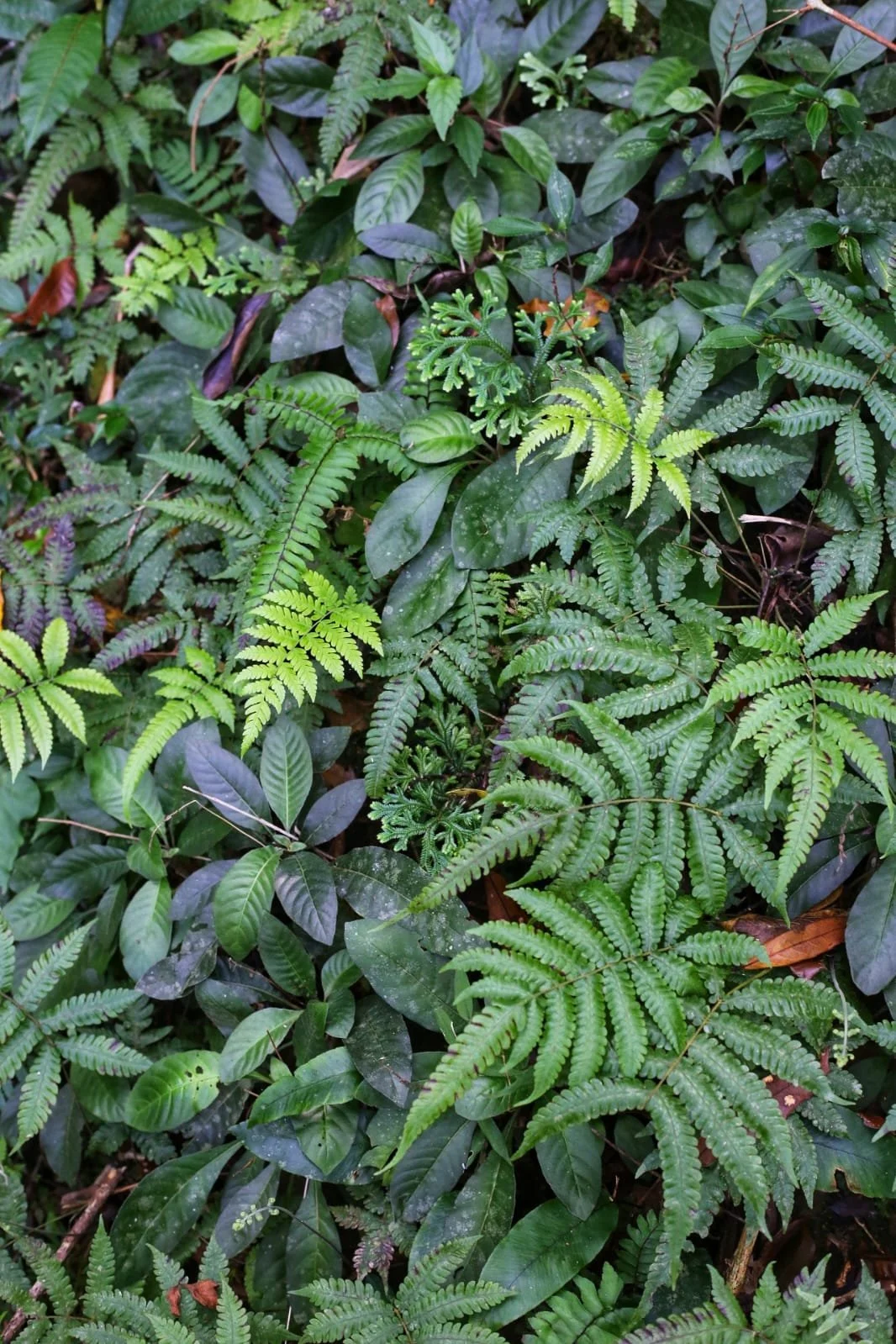
One reason Panama has become increasingly respected in specialty chocolate circles is the country's remarkable biodiversity. The tropical forests where cacao grows are among the most biologically rich environments on Earth. Monkeys move through the canopy overhead. Toucans call from distant trees. Poison dart frogs inhabit the forest floor. Butterflies drift through shafts of sunlight filtering between leaves. Sloths cling to branches while hummingbirds dart among flowers. In many parts of Panama, cacao cultivation exists within a broader ecological context that supports an extraordinary range of wildlife. This connection between agriculture and conservation has become increasingly important as consumers seek products produced in environmentally responsible ways. Well-managed cacao farms can provide habitat for birds, insects, mammals, and other species while generating income for rural communities.
The relationship between cacao and conservation is particularly significant in Panama because the country serves as a biological bridge between North and South America. Thousands of species pass through or inhabit its ecosystems. Traditional agroforestry systems that incorporate cacao often preserve tree cover and ecological complexity that would be lost under more intensive forms of agriculture. As a result, many cacao farms function not only as agricultural landscapes but also as important components of larger conservation efforts. Visitors touring cacao-producing regions often find themselves learning as much about rainforest ecology as they do about chocolate production.
The rise of craft chocolate has further elevated Panama's reputation within the cacao world. Across Europe, North America, and Asia, consumers have become increasingly interested in high-quality chocolate made from carefully sourced cacao. Much like the specialty coffee movement transformed how people think about coffee, the craft chocolate movement has encouraged greater appreciation for cacao origins, flavor diversity, and production methods. Panama has benefited from this trend because its cacao possesses characteristics highly valued by premium chocolate makers. Small batches of Panamanian cacao now appear in award-winning chocolates sold in some of the world's most sophisticated markets. For many consumers, tasting chocolate made from Panamanian cacao represents a journey into a unique flavor landscape shaped by tropical forests, local expertise, and generations of agricultural knowledge.
One cannot discuss Panamanian cacao without recognizing the role of indigenous communities. In various regions of the country, indigenous peoples continue cultivating cacao using techniques adapted to local environments. Their knowledge of tropical ecosystems, plant cultivation, and sustainable resource management reflects centuries of experience. For many communities, cacao represents not only an economic resource but also a cultural connection to ancestral traditions and landscapes. Efforts to support indigenous cacao production often combine goals related to economic development, cultural preservation, and environmental stewardship.
For travelers, visiting a cacao farm can be one of the most rewarding experiences available in Panama. Unlike many tourist attractions, cacao tours engage all the senses. Visitors see colorful pods growing on trees, smell fermenting beans, touch freshly harvested fruit, taste cacao pulp, observe drying processes, and sample finished chocolate. Along the way, they gain insights into tropical agriculture, local culture, global trade, and rainforest ecology. What begins as a simple curiosity about chocolate often evolves into a deeper appreciation for the complexity and effort required to produce it.
Perhaps the most fascinating aspect of cacao in Panama is how perfectly it reflects the country itself. Like Panama, cacao sits at the intersection of history, geography, culture, and global connection. It links ancient traditions with modern markets. It connects rainforest conservation with economic opportunity. It bridges indigenous knowledge and international commerce. It transforms a humble tropical fruit into a luxury product enjoyed around the world. Every cacao bean carries within it a story of tropical forests, skilled farmers, careful craftsmanship, and centuries of human experience.
In a country often overshadowed by the fame of its canal, cacao remains one of Panama's most intriguing hidden treasures. It grows quietly beneath rainforest canopies, supported by fertile soils and tropical rains, yet its influence reaches far beyond the country's borders. From remote farms in Bocas del Toro to artisan chocolate shops in distant cities, Panamanian cacao continues to build a reputation based on quality, sustainability, and extraordinary flavor. For anyone interested in food, agriculture, culture, history, or nature, the story of cacao offers one of the richest and most fascinating windows into the heart of Panama itself. It is a story of transformation, from rainforest pod to fine chocolate, and it remains one of the sweetest and most remarkable stories the country has to tell.