
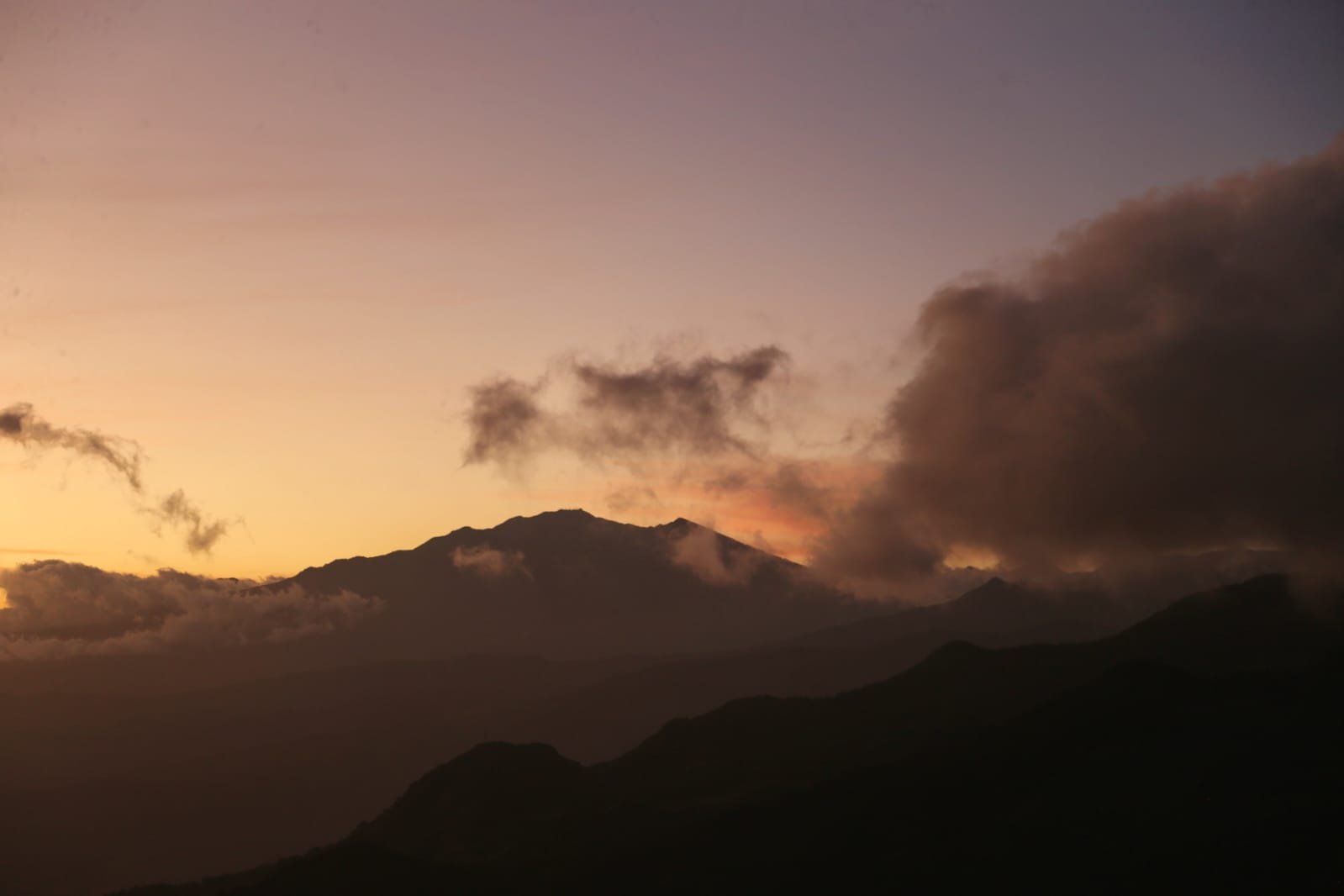
Many visitors arrive in Panama expecting a country with only one kind of weather. Because Panama sits just north of the equator, people often imagine endless sunshine and tropical heat every day of the year. While temperatures do remain remarkably stable compared to countries with four traditional seasons, Panama experiences dramatic seasonal changes that shape its forests, rivers, beaches, wildlife, agriculture, tourism, and even daily life. Rather than spring, summer, autumn, and winter, Panama revolves around two powerful seasons that completely transform the landscape: the dry season and the rainy season.
These seasonal changes are not simply about whether it rains or not. Entire ecosystems awaken and retreat. Rivers swell from trickling streams into raging torrents. Waterfalls that almost disappear in March become thunderous walls of water by September. Hills that turn golden and dusty during the dry months explode into brilliant shades of emerald green only weeks after the first major rains arrive. Understanding these changes helps explain why Panama is one of the most biodiverse countries on Earth.
The Dry Season: Panama's Summer
The dry season usually begins sometime in December and lasts until late April. Panamanians often call this period "summer," even though temperatures remain tropical throughout the year.
These months are characterized by blue skies, low humidity in many regions, and very little rainfall along much of the Pacific side of the country. Days commonly reach between 30 and 35 degrees Celsius, although some inland valleys become even hotter. The sun is intense, especially between late morning and mid afternoon, and visitors quickly discover why sunscreen, hats, and plenty of water are necessities.
As rainfall disappears, the countryside gradually changes color. Grasslands become yellow and brittle. Many deciduous trees shed their leaves to conserve water, giving hillsides an appearance that surprises visitors expecting lush jungle everywhere. Dust becomes common along rural roads, and rivers gradually shrink as weeks pass without significant rain.
Yet this season has its own beauty. Clear skies produce breathtaking sunsets, mountain views stretch for incredible distances, and Pacific beaches become postcard perfect with calm seas and abundant sunshine. It is the busiest tourism season because conditions are ideal for beaches, island hopping, hiking, surfing on some coasts, and outdoor adventures.
The Arrival of the Rains
Sometime between late April and early May, depending on the region and the year, Panama undergoes one of its most dramatic transformations.
The first heavy tropical storms arrive almost overnight. After months of dry weather, dark clouds build during the afternoon before unleashing spectacular downpours. Thunder echoes across valleys, lightning flashes over mountain ranges, and the smell of rain on dry earth fills the air.
Within only a few weeks, the landscape begins an astonishing recovery. Dormant grasses burst back to life. Trees rapidly produce fresh leaves. Wildflowers bloom in fields and forests. Rivers rise, and waterfalls that had slowed to a trickle roar back to life.
It is almost as though someone has flipped a switch, changing the entire country from shades of brown to every imaginable shade of green.
The Rainy Season: Nature Comes Alive
From roughly May through November, Panama experiences its rainy season. This does not mean constant rain all day, every day, which is one of the biggest misconceptions visitors have.
Instead, mornings are often warm, sunny, and beautiful. Clouds typically begin forming during the afternoon before producing heavy showers or thunderstorms lasting anywhere from thirty minutes to several hours. Even after intense rain, sunshine frequently returns before evening.
Humidity rises significantly during these months, making the air feel warmer than the thermometer suggests. Forests become lush beyond imagination, filled with countless shades of green. Moss covers rocks and trees. Ferns flourish. Orchids bloom. The rainforest truly earns its name.
For photographers and nature lovers, this may actually be the most spectacular time of year.
Regional Differences Across Panama
One fascinating aspect of Panama is that not every part of the country experiences the seasons equally.
The Pacific side receives the strongest contrast between dry and rainy seasons. Provinces such as Coclé, Herrera, Los Santos, and much of western Panama become noticeably dry during summer before transforming dramatically once the rains begin.
The Caribbean side tells a different story. Areas such as Bocas del Toro and much of the Caribbean coastline receive rainfall throughout the entire year. There is still some seasonal variation, but forests remain green almost continuously. In fact, some months that are considered rainy on the Pacific coast are actually among the better weather periods for parts of the Caribbean.
Mountain regions create even more variation. Higher elevations enjoy cooler temperatures year round, and cloud forests often remain misty even during the driest months.
Wildlife Through the Seasons
Animals respond dramatically to Panama's changing climate.
As the rains begin, countless amphibians emerge almost overnight. Frogs that remained hidden for months suddenly fill forests with an incredible chorus after sunset. Insects multiply rapidly, providing food for birds, reptiles, and mammals.
Many bird species begin nesting during the rainy months when food is abundant. Forests become alive with colorful displays of courtship and song. Butterflies appear in enormous numbers, while dragonflies patrol ponds and rivers.
The dry season brings its own wildlife spectacles. Animals often gather around remaining water sources, making them easier to observe. Migratory birds from North America spend the northern winter in Panama, filling wetlands and forests with species that are absent during the rainy months.
Marine life also follows seasonal rhythms. Whale watching reaches its peak during certain months when humpback whales migrate through Panamanian waters to breed and give birth.
Rivers, Waterfalls, and Forests
Perhaps nowhere are Panama's seasonal changes more obvious than in its rivers.
By the end of the dry season, many smaller streams have become shallow enough to walk across. Some seasonal creeks disappear entirely. Large rivers continue flowing but at much lower levels.
Once the rains arrive, these same waterways can become powerful torrents within days. Waterfalls double or even triple in size. Rapids become dangerous. Rivers transport enormous amounts of fresh water toward both the Pacific Ocean and Caribbean Sea.
Rainforests absorb much of this water like giant natural sponges, slowly releasing it over time. This cycle supports Panama's incredible biodiversity and even helps supply the water needed for the famous canal.
Agriculture and the Seasons
Farmers have always planned their lives around Panama's seasonal calendar.
Many crops are planted shortly after the first reliable rains arrive. Corn, rice, beans, and many vegetables depend on these predictable seasonal patterns. Fruit production also varies throughout the year, meaning markets constantly change with the seasons.
Coffee growers in the highlands experience cooler conditions and carefully timed harvests, while cattle ranchers on the Pacific side welcome the return of green pastures after the long dry months.
For rural communities, the changing seasons are far more than weather. They determine planting, harvesting, fishing, transportation, and daily routines.
Living With Tropical Weather
Residents quickly adapt to Panama's predictable rhythm.
During the rainy season, many people schedule outdoor work during the morning, expecting afternoon showers. Carrying an umbrella becomes second nature. Roads may flood temporarily during particularly intense storms, especially in urban areas.
During the dry season, people prepare for hotter afternoons and increased wildfire risk in some rural regions. Water conservation becomes more important in areas that receive little rainfall for months.
Unlike countries with freezing winters or scorching deserts, Panama's seasons require adjustment rather than survival.
Climate Change and Seasonal Uncertainty
Although Panama's traditional wet and dry seasons remain recognizable, scientists have observed increasing variability in recent decades.
Some rainy seasons begin later than expected. Certain years bring prolonged droughts associated with climatic patterns such as the El Niño phenomenon, while others experience exceptionally heavy rainfall linked to La Niña. Extreme weather events can lead to flooding, landslides, or water shortages depending on the region.
These changes affect agriculture, hydroelectric power generation, ecosystems, and water management. Researchers continue studying how global climate change may influence Panama's future seasonal patterns.
Every Season Has Its Magic
There is no single "best" time to experience Panama because every season offers something unique.
The dry season delivers endless sunshine, spectacular beaches, crystal clear island waters, comfortable travel conditions, and unforgettable sunsets. It is perfect for those seeking outdoor adventures with minimal weather interruptions.
The rainy season reveals a completely different Panama. Forests become vibrant beyond imagination, waterfalls reach their full power, wildlife becomes more active, flowers bloom across the countryside, and the air feels alive with the sounds of nature. Afternoon rain showers often create dramatic skies, rainbows, and some of the most beautiful scenery the country has to offer.
Rather than viewing one season as better than the other, experienced travelers often come to appreciate that Panama is really two countries in one. Every six months, nature completely repaints the landscape, offering an entirely different experience without changing the warm tropical spirit that makes Panama one of the world's most fascinating destinations.