
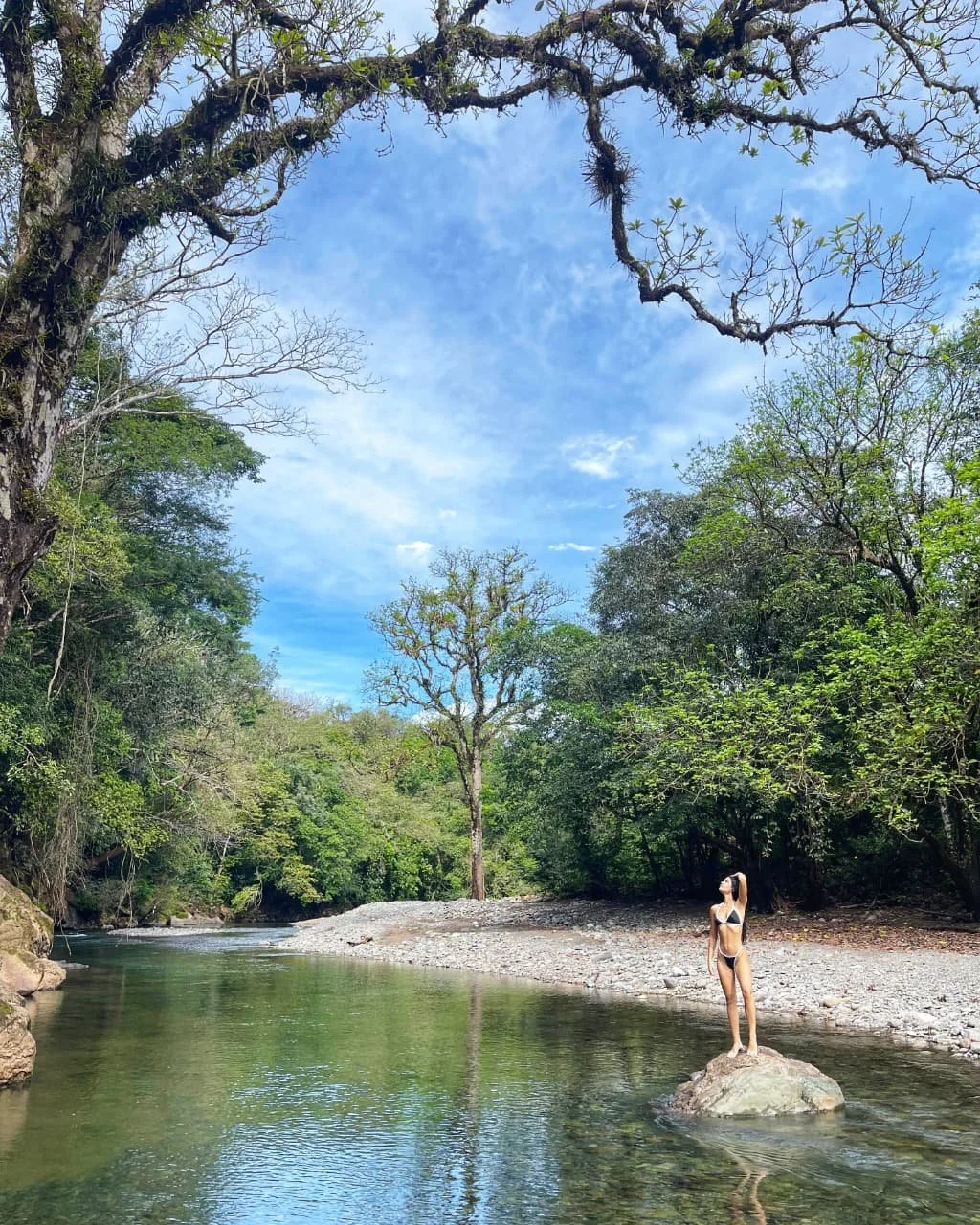
For decades, Costa Rica has stood as the undisputed superstar of Central American tourism. Its lush rainforests echo with the calls of howler monkeys, volcanoes rise dramatically above emerald forests, waterfalls plunge into crystal clear pools, and beaches stretch along both the Pacific Ocean and Caribbean Sea. The country has earned an international reputation as one of the world's greatest eco tourism destinations, attracting millions of visitors every year who come searching for adventure, wildlife, surfing, hiking, and relaxation. Panama, by comparison, has often been overlooked despite sharing many of the same natural treasures. Yet in recent years that has begun to change in a remarkable way. More and more backpackers are discovering that Panama delivers many of the same unforgettable experiences as Costa Rica while often costing substantially less. From misty cloud forests and volcanic mountains to pristine tropical islands, world class diving, surfing, colorful indigenous cultures, dense jungles, and one of Latin America's most modern cities, Panama has quietly become one of the best value destinations in the Americas. For travelers carrying everything they own on their backs and watching every dollar, comparing these two neighboring countries reveals some fascinating differences that can have a dramatic impact on the overall cost of a journey.
One of the biggest expenses for any backpacker is accommodation, and this is where Panama immediately begins to pull ahead. Costa Rica's immense popularity has transformed many once sleepy villages into thriving tourism hubs filled with boutique hotels, luxury eco lodges, upscale hostels, and vacation rentals. Even travelers who are simply looking for a dormitory bed often find themselves paying prices that rival those found in parts of Europe or North America. During the dry season or holidays, finding a hostel bed for under twenty dollars can become surprisingly difficult in destinations such as Tamarindo, Santa Teresa, Monteverde, La Fortuna, Manuel Antonio, or Nosara. Many hostels now regularly charge between eighteen and thirty five dollars per night for a shared dormitory, and private rooms frequently begin around forty five dollars before climbing much higher. Panama, while certainly experiencing a tourism boom of its own, remains considerably more affordable. Backpackers can still find dormitory beds throughout much of the country for between ten and twenty dollars, especially in destinations such as Boquete, Santa Catalina, El Valle de Antón, Pedasí, and even many parts of Bocas del Toro outside the busiest holiday periods. Private rooms also tend to be significantly cheaper, allowing travelers who occasionally want extra comfort to spend far less without sacrificing cleanliness or convenience. Over the course of a month long trip, these differences alone can translate into savings of several hundred dollars, money that could instead be used for extra excursions, longer travel, or simply extending the journey.
Food represents another category where Panama consistently rewards budget conscious travelers. Costa Rica certainly has delicious cuisine, particularly when eating in traditional family owned restaurants known as sodas, but tourism has pushed prices steadily upward across much of the country. A basic breakfast in a tourist town may easily cost ten dollars, while lunch and dinner often climb well beyond fifteen dollars once taxes and service charges are added. In Panama, however, the beloved fonda remains one of the backpacker's greatest allies. These simple local restaurants serve generous portions of freshly prepared meals consisting of chicken, beef, fish, rice, beans, salad, fried plantains, yuca, or spaghetti for prices that frequently range between four and seven dollars. The portions are often large enough to satisfy even travelers returning from long hikes or surf sessions. Street food provides another tremendous advantage. Throughout Panama, vendors sell hojaldres, empanadas, carimañolas, fresh fruit cups, grilled meats, ceviche, tamales, and fried fish at prices that often seem almost unbelievable compared with neighboring Costa Rica. Even seafood, which many travelers assume will always be expensive, remains surprisingly affordable in many Panamanian fishing villages where fresh catches arrive daily. Backpackers who embrace local cuisine instead of international restaurants can dramatically reduce their daily expenses while enjoying authentic flavors that many visitors consider highlights of their journey.
Transportation often surprises first time visitors because the differences between the two countries are larger than many expect. Costa Rica's mountainous terrain and highly developed tourism industry have created an extensive network of shuttle services that cater primarily to foreign visitors. These shared shuttle vans are comfortable and convenient but can be remarkably expensive, with individual journeys frequently costing forty to seventy dollars depending on the destination. Public buses exist throughout Costa Rica and remain far cheaper, but routes often require multiple transfers, longer travel times, and occasional overnight stops when connections do not align. Panama offers one of the region's most affordable public transportation systems. Comfortable long distance buses connect much of the country for prices that seem almost unbelievable considering the distances involved. Travelers can cross large portions of the country for little more than the cost of lunch. Within Panama City, the modern Metro system provides one of the least expensive rapid transit networks anywhere in the Americas while remaining clean, efficient, air conditioned, and remarkably easy to navigate. For backpackers relying almost entirely on buses and public transportation, Panama often reduces transportation expenses by thirty to fifty percent over the course of a trip.
National parks and protected areas reveal a more balanced comparison, although Panama still generally offers lower prices. Costa Rica has invested heavily in conservation and now protects roughly one quarter of its land, creating an extraordinary network of national parks that rank among the finest in the world. The popularity of these parks, however, has led to steadily increasing entrance fees. Visiting famous destinations such as Manuel Antonio, Arenal Volcano, Monteverde, or Corcovado can quickly become expensive, particularly when mandatory guides, reservations, or transportation are included. Panama also protects enormous areas of rainforest, mountains, islands, mangroves, and marine ecosystems, yet many of its national parks remain surprisingly inexpensive to enter. Visitors can hike through dense cloud forests, climb volcanic peaks, observe tropical wildlife, or explore untouched coastlines while paying only a fraction of what similar experiences might cost across the border. Because Panama receives fewer international visitors, many parks also feel wonderfully uncrowded, allowing travelers to enjoy a greater sense of solitude and wilderness.
Beach destinations illustrate another fascinating contrast. Costa Rica's world famous beach towns have evolved into thriving international tourism centers filled with surf schools, yoga retreats, luxury hotels, beach clubs, international restaurants, and boutique shopping. While these amenities undoubtedly create memorable vacations, they also drive prices considerably higher. Popular destinations such as Tamarindo, Santa Teresa, Nosara, and Manuel Antonio can quickly consume a backpacker's budget through accommodation, dining, nightlife, and activities. Panama offers its own spectacular collection of beaches, many of which remain refreshingly undeveloped. Places like Bocas del Toro, Santa Catalina, Isla Grande, Playa Morrillo, Playa Las Lajas, Pedasí, and countless lesser known stretches of coastline provide equally stunning scenery while generally maintaining much lower costs. In many Panamanian beach communities, visitors can still enjoy inexpensive local meals, affordable accommodations, and peaceful surroundings that feel increasingly rare elsewhere in Central America.
For surfers, both countries represent paradise, yet the financial experience differs considerably. Costa Rica's legendary breaks attract surfers from every corner of the globe, creating an industry where lessons, rentals, and accommodations command premium prices. A single surf lesson commonly costs between fifty and eighty dollars, while daily board rentals frequently exceed fifteen dollars. Panama has developed an impressive surfing reputation of its own, particularly in Santa Catalina, Playa Venao, Playa Morrillo, and the Caribbean coast around Bocas del Toro. Lessons and rentals generally remain more affordable, and the smaller crowds often create a more relaxed atmosphere for beginners who are still learning to catch their first waves.
Coffee lovers may discover one of the most pleasant surprises of all. Costa Rica has long been celebrated for producing outstanding coffee, and plantation tours have become popular tourist attractions. These experiences are enjoyable but often carry relatively high prices. Panama, meanwhile, produces some of the most prized coffee on Earth in the highlands around Boquete, including varieties that have shattered world auction records. Despite this prestigious reputation, travelers can still enjoy exceptional locally grown coffee throughout western Panama at prices that feel remarkably reasonable. Sitting in a mountain café while sipping freshly roasted beans grown only a few kilometers away becomes one of those simple pleasures that many backpackers remember long after their trip has ended.
Nightlife offers another area where Panama generally comes out ahead. Costa Rica certainly knows how to entertain visitors with lively beach bars, live music, and vibrant nightlife scenes, but cocktails, imported beers, and trendy venues often carry prices similar to those found in major cities back home. Panama City certainly has upscale districts where visitors can spend freely, yet local bars throughout the country frequently serve cold national beers and inexpensive drinks at prices that remain very friendly to budget travelers. Whether relaxing after a day of hiking or celebrating new friendships made in a hostel, backpackers usually find their evenings costing noticeably less in Panama.
Adventure activities exist in abundance throughout both countries. Whitewater rafting, zip lining through tropical forests, horseback riding, scuba diving, snorkeling over coral reefs, whale watching, jungle trekking, canyoning, and wildlife safaris are all readily available. Costa Rica's tourism infrastructure is among the best in the world, making these experiences extremely accessible but often expensive. Panama frequently offers similar adventures for noticeably lower prices, allowing travelers to participate in more activities without exhausting their budgets. Diving in the Pacific, hiking to the summit of Volcán Barú before sunrise, snorkeling among tropical islands, or exploring hidden waterfalls often delivers extraordinary memories while leaving more money available for the remainder of the journey.
When all expenses are considered together, the financial picture becomes remarkably clear. An ultra budget backpacker sleeping in hostels, eating local food, relying on buses, and limiting paid activities can often travel comfortably through Panama for somewhere between seven hundred and nine hundred fifty dollars per month. Following the same travel style in Costa Rica generally requires between one thousand and one thousand three hundred fifty dollars. A more typical backpacker who occasionally enjoys private rooms, joins organized tours, eats in restaurants several times each week, and participates in nightlife will often spend between eleven hundred and fifteen hundred dollars per month in Panama compared with roughly fifteen hundred to more than two thousand dollars in Costa Rica. Travelers seeking greater comfort through private accommodations, regular adventure tours, rental vehicles, and frequent dining out may spend eighteen hundred to twenty five hundred dollars in Panama while comparable travel in Costa Rica can easily exceed three thousand dollars each month.
None of this means Costa Rica is not worth visiting. On the contrary, it remains one of the world's finest destinations for nature lovers, birdwatchers, surfers, photographers, and outdoor adventurers. Its tourism industry is polished, organized, and exceptionally welcoming, making it an ideal destination for first time visitors to Latin America. Panama simply offers an extraordinary amount of value that many travelers overlook. It combines remarkable biodiversity, spectacular beaches, volcanic highlands, fascinating indigenous cultures, vibrant modern cities, excellent transportation, delicious food, and genuine hospitality while allowing visitors to stretch their travel budgets much farther. Over the course of a month long backpacking adventure, it is entirely realistic for a traveler to save anywhere from five hundred to well over one thousand dollars by choosing Panama over Costa Rica without sacrificing many of the unforgettable experiences that define travel in Central America. For backpackers determined to explore jungles, mountains, islands, beaches, and colorful local culture while making every dollar count, Panama has quietly emerged as one of the greatest travel bargains in the Western Hemisphere, proving that sometimes the less famous destination delivers the richest adventure of all.