
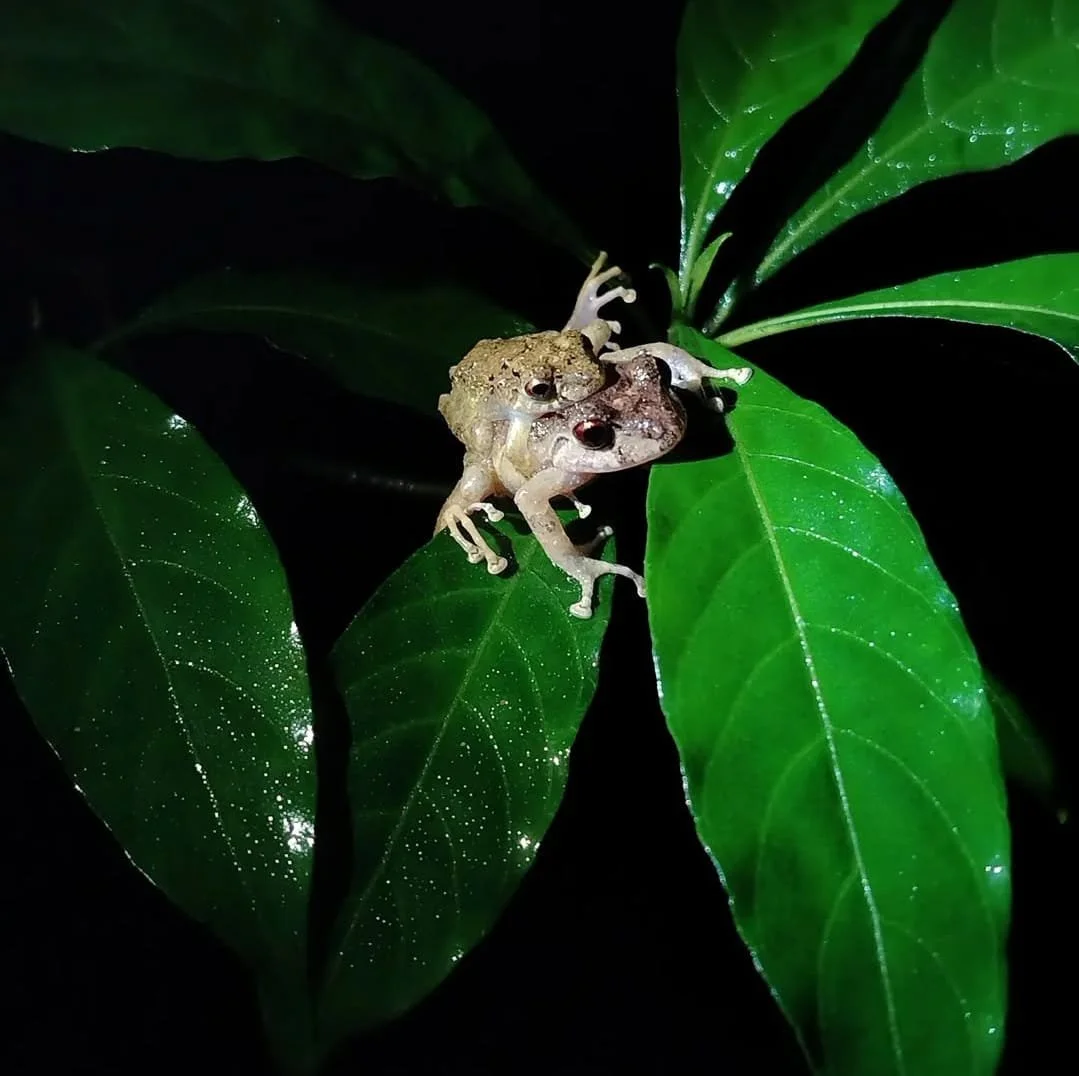
Panama has quietly become one of the best-value destinations in Central America, yet it remains one of the continent's most misunderstood countries when it comes to travel costs. Ask ten travellers whether Panama is expensive and you'll probably receive ten different answers. Some leave believing it costs almost as much as the United States, while others spend weeks exploring the country on a surprisingly modest backpacker budget. The truth lies somewhere in between. Panama offers an incredible range of experiences, and your daily expenses depend almost entirely on how you choose to travel. A luxury vacation can easily cost several hundred dollars per day, but a backpacker willing to stay in hostels, eat local food, and use public transportation can comfortably explore the country for a fraction of that amount. This flexibility is one of Panama's greatest strengths, allowing travellers with almost any budget to experience rainforests, tropical islands, volcanoes, surfing beaches, indigenous cultures, cloud forests, and one of the world's greatest engineering marvels without completely emptying their bank account.
One of the biggest financial advantages of travelling in Panama is its currency. The country uses the US dollar, making prices easy to understand for visitors from North America and eliminating confusing exchange rates. There is no need to calculate conversion rates every time you buy lunch or pay for a hostel. ATMs are common in larger towns, credit cards are widely accepted in tourist areas, and cash is still king in many smaller villages and local businesses. Because there is no separate tourist currency, visitors generally pay the same prices as locals, particularly when eating at small restaurants or using public transportation.
Accommodation will likely become your largest daily expense, but Panama offers options for nearly every budget. Backpacker hostels remain the best value, with dormitory beds generally costing between $15 and $30 per night depending on the destination and season. Some of the country's best hostels include free breakfast, communal kitchens, social events, hiking trails, yoga classes, swimming pools, or organized activities that provide excellent value beyond simply a place to sleep. Private hostel rooms usually range between $40 and $80 per night, while comfortable hotels often start around $60 and climb well above $200 in more upscale destinations. Boutique jungle lodges, beachfront resorts, and luxury hotels can easily exceed $300 or even $500 per night, especially around Panama City, Bocas del Toro, or exclusive island resorts. Fortunately, backpackers rarely need to spend anywhere near those prices to enjoy an amazing experience.
Food can be surprisingly affordable if you know where to eat. Local restaurants known as fondas serve generous meals that often include rice, beans, salad, plantains, and your choice of chicken, pork, beef, or fish for approximately $4 to $8. These meals are filling, freshly prepared, and offer an authentic taste of Panama that many travellers end up preferring over expensive tourist restaurants. Street food is another excellent bargain. Empanadas, hojaldres, tamales, yuca frita, fresh fruit, and grilled meats can often be purchased for just a few dollars. Fresh tropical fruit is abundant throughout the country, and roadside vendors frequently sell pineapples, mangoes, papayas, watermelons, coconuts, and bananas at remarkably low prices.
Tourist restaurants naturally cost more. Expect to pay anywhere from $10 to $20 for a main course in popular backpacker destinations like Boquete, Santa Catalina, El Valle de Antón, or Bocas del Toro. Seafood restaurants along the coast may charge between $15 and $30 depending on the catch of the day. International cuisine such as Italian, Mexican, sushi, burgers, or pizza is readily available in larger towns but generally comes with higher prices. Coffee lovers will also appreciate Panama's famous cafés, where excellent locally grown coffee usually costs between $2 and $5, particularly in the highlands around Boquete.
Transportation is one of Panama's greatest bargains. Modern long-distance buses connect most major destinations and remain incredibly affordable compared to many other countries. Travelling from Panama City to David, one of the country's longest bus routes, generally costs around $15 to $20. Shorter trips often range from $2 to $10 depending on the distance. Local buses inside towns can cost less than a dollar, while city buses and metro rides in Panama City are extremely inexpensive. Collectivos, shared taxis operating fixed routes, provide another affordable option in many regions.
Water transportation becomes important once travellers reach destinations like Bocas del Toro or the San Blas Islands. Water taxis between islands in Bocas usually cost only a few dollars per ride, making island hopping easy without significantly affecting your budget. Boat tours naturally cost more depending on the destination, but many visitors consider them among the highlights of their entire trip.
Shuttle services are widely available throughout Panama and provide extra comfort and convenience compared to public buses. They are especially popular with backpackers travelling between destinations such as Boquete, Santa Catalina, Lost and Found Hostel, and Bocas del Toro. While shuttle prices are higher than public buses, many travellers appreciate the direct service, hotel pickup, air conditioning, and simplified logistics, especially when carrying large backpacks.
Activities represent another area where Panama provides excellent value. Many of the country's finest attractions cost absolutely nothing. Hiking through cloud forests, relaxing on beaches, watching sunsets, exploring small towns, swimming beneath waterfalls, birdwatching, or simply enjoying nature often requires little more than transportation to reach the area. Panama's extraordinary biodiversity means incredible wildlife encounters frequently happen without expensive guided tours.
Of course, some activities deserve the extra expense. Scuba diving around Coiba National Park ranks among the finest diving experiences in Central America and typically costs between $100 and $180 for a day trip depending on the operator and number of dives. Snorkelling tours generally cost less while still providing unforgettable marine encounters. Surfboard rentals, surfing lessons, whale watching, coffee plantation tours, ziplining, canyoning, and guided volcano hikes all vary in price but usually offer good value considering the quality of the experience.
National park entrance fees are generally very reasonable. Many parks charge only a few dollars, while others remain completely free. Coiba National Park, Volcán Barú National Park, Soberanía National Park, and numerous protected areas throughout the country provide access to extraordinary landscapes for surprisingly modest entrance fees.
Panama City deserves special mention because it often becomes the most expensive stop on many itineraries. Accommodation prices are generally higher than elsewhere in the country, especially in the modern downtown district. However, travellers can still keep costs manageable by staying in hostels around Casco Viejo or nearby neighbourhoods, using the affordable Metro system, and eating at local restaurants instead of upscale international establishments. Many of the city's best attractions, including walking along the Cinta Costera, exploring Casco Viejo, visiting local markets, and enjoying the skyline views, require little or no money.
Bocas del Toro presents a different budgeting challenge. Because everything arrives by boat, many goods cost more than on the mainland. Restaurant meals, groceries, and accommodation can all carry a slight island premium. Nevertheless, backpackers who cook occasionally, choose hostel dormitories, and limit expensive boat excursions can still enjoy the islands without overspending. Happy hours, hostel kitchens, and local eateries make it entirely possible to stretch your budget.
Boquete offers one of the best balances between affordability and comfort. The cool climate, excellent hiking, beautiful scenery, coffee farms, and relaxed atmosphere make it easy to spend several days without constantly spending money. Many travellers discover that their favourite memories involve free hikes, scenic viewpoints, waterfalls, or conversations with fellow backpackers rather than expensive organized tours.
Santa Catalina rewards slow travellers in much the same way. While diving trips to Coiba represent the biggest expense, simply enjoying the beaches, watching surfers, relaxing in hammocks, exploring nearby trails, and meeting fellow travellers costs very little. Spending several days there without constantly booking tours often results in both a lower budget and a more enjoyable experience.
One pleasant surprise for many visitors is that Panama remains relatively inexpensive when compared to many nearby destinations. While it is often slightly more expensive than Nicaragua or Guatemala, it frequently costs less than Costa Rica for comparable accommodation, transportation, and many activities. Travellers who combine Panama with Costa Rica often notice that their budget stretches a little further once they cross the border into Panama, especially when relying on public transportation and local restaurants.
For backpackers planning a realistic daily budget, around $40 to $60 per day generally allows for hostel accommodation, local meals, public transportation, and occasional drinks or small activities. Travellers wanting more comfort with private rooms, regular restaurant meals, and organized tours should expect approximately $80 to $150 per day. Luxury travellers can easily spend several hundred dollars daily, particularly when staying in upscale resorts or booking premium excursions.
One of the smartest ways to reduce costs in Panama is simply to slow down. Constantly moving between destinations increases transportation expenses and often leads to more restaurant meals and spontaneous spending. Staying three or four nights in destinations like Boquete, Santa Catalina, Lost and Found Hostel, or Bocas del Toro not only saves money but usually creates a far richer travel experience. You begin to know the town, discover hidden cafés, find cheaper places to eat, meet other travellers, and enjoy the destination rather than rushing through it.
Panama ultimately proves that unforgettable adventures do not have to come with an extravagant price tag. Whether you're hiking through misty cloud forests, diving with sea turtles around Coiba, surfing Pacific waves, exploring colourful Caribbean islands, wandering the historic streets of Casco Viejo, watching ships pass through the Panama Canal, or sharing stories around a hostel dinner table, the country offers remarkable value for travellers willing to embrace its slower pace. With thoughtful planning, a flexible itinerary, and a willingness to mix local experiences with occasional splurges, Panama can be one of the most rewarding and surprisingly affordable backpacking destinations anywhere in the Americas.