
For many people visiting Panama, the country's biggest wildlife concerns are snakes, crocodiles, sharks, or perhaps spiders lurking somewhere deep in the jungle. The reality is far less dramatic. The animal most likely to annoy you during your travels is not large, dangerous, or even easy to see. It is the sandfly, a tiny biting insect that has earned a legendary reputation among backpackers, beach lovers, hikers, fishermen, and long term residents alike. In fact, many travelers arrive in Panama having never heard of sandflies, only to spend their first week scratching mysterious itchy bites and asking everyone around them what attacked them. The answer is often the same. Sandflies.
The first thing that surprises people is just how small these insects are. Mosquitoes are obvious. You can hear them buzzing around your ears. You can often see them land on your skin. Sandflies are different. They are tiny enough that many people never actually see the insect responsible for the bite. You simply feel a small sting or sometimes nothing at all. Hours later, itchy red spots begin appearing on your ankles, feet, legs, or arms. By the next day, you may have several bites and no idea where they came from. Many first time visitors assume mosquitoes were responsible until experienced travelers explain the difference.
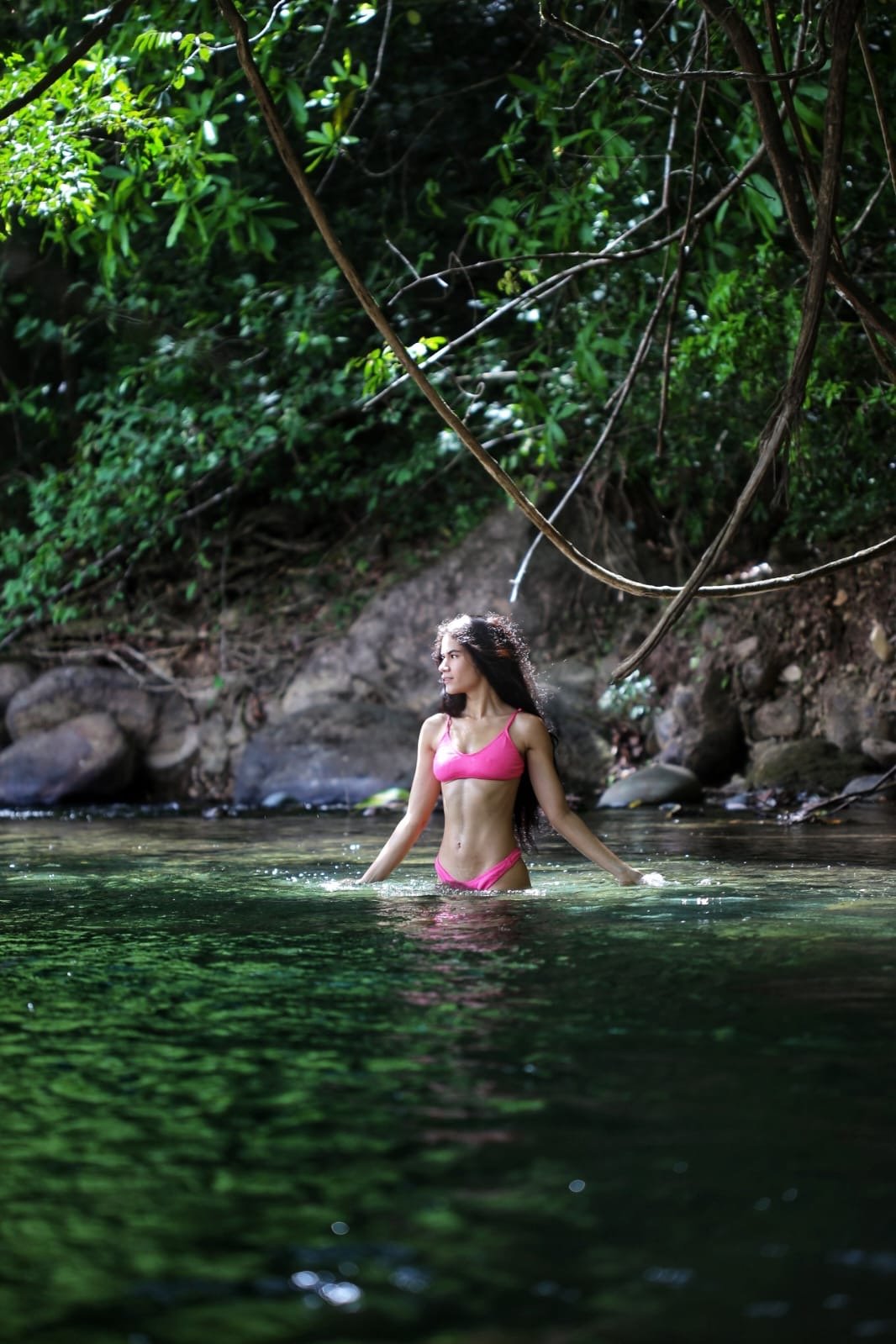
Panama's tropical climate creates perfect conditions for sandflies. They thrive in warm temperatures, humidity, coastal areas, mangroves, beaches, riverbanks, and jungle environments. Some of the most beautiful places in the country are also the places where sandflies are most active. Islands in Bocas del Toro, remote Caribbean beaches, sections of the San Blas Islands, jungle trails, river crossings, and forest clearings can all host significant populations. Ironically, the locations where travelers are most likely to experience paradise are often the exact places where sandflies are waiting.
One reason sandflies have developed such a notorious reputation is that their bites often itch far more than mosquito bites. Different people react differently. Some individuals barely notice them. Others develop intensely itchy welts that can last for days or even weeks. Backpackers often compare stories in hostels, and it becomes clear that reactions vary enormously. One traveler may receive twenty bites and hardly care, while another gets three bites and spends a week trying not to scratch. The body's immune response plays a huge role in determining how severe the irritation becomes.
The Caribbean side of Panama is particularly famous for sandflies. Travelers visiting Bocas del Toro quickly learn that beautiful beaches lined with palm trees sometimes come with an invisible army of tiny biting insects. During calm mornings and evenings, sandflies can become especially active. Some beaches seem completely free of them, while others only a few hundred meters away can have significant numbers. The distribution is often surprisingly unpredictable. Local knowledge becomes valuable because residents usually know exactly which beaches have a reputation for sandflies and which ones are relatively free of them.
The San Blas Islands create another interesting situation. Many visitors arrive expecting endless days of tropical perfection. While the islands are undeniably beautiful, some travelers quickly discover that sandflies can be part of the experience. Certain islands have more than others, and conditions change throughout the year. Wind plays a major role. On breezy islands, sandflies often struggle to fly effectively. On calm islands protected by vegetation, they may become much more noticeable. Experienced travelers often learn to appreciate a steady ocean breeze for reasons that have nothing to do with temperature.
Jungle destinations throughout Panama also have their share of sandflies. Areas around rivers, streams, wetlands, and dense forest can support healthy populations. Backpackers hiking through cloud forests, rainforest reserves, and remote nature areas occasionally encounter them, especially around dawn and dusk. Fortunately, many of Panama's mountain regions have cooler temperatures, which can sometimes reduce activity compared to the hot coastal lowlands.
One of the most fascinating things about sandflies is how differently they affect different people. Ask ten travelers about their experiences and you may hear ten completely different stories. Some claim they are bitten constantly while their friends remain untouched. Others report the exact opposite. Scientists believe factors such as body chemistry, sweat, carbon dioxide production, skin bacteria, and individual attractiveness to insects all play a role. Whatever the reason, certain people simply seem to be sandfly magnets.
Prevention becomes an important topic for anyone spending significant time outdoors in Panama. Lightweight long pants can help protect legs and ankles, which are favorite targets. Long sleeves offer additional protection during periods of peak activity. Insect repellent can be effective, particularly products containing ingredients known to deter biting insects. Many travelers also discover that timing matters. Midday often sees less activity than sunrise and sunset. Simply adjusting when and where you spend time outdoors can dramatically reduce the number of bites.
One lesson that experienced travelers learn quickly is to avoid scratching bites excessively. Easier said than done, of course. Sandfly bites can become incredibly itchy. Scratching may provide temporary relief, but it can also prolong irritation and increase the risk of infection. Keeping bites clean and using appropriate anti itch treatments often helps more than constant scratching. Most bites eventually disappear on their own, although particularly sensitive individuals may notice marks lasting longer.
Despite all the complaints, it is important to keep sandflies in perspective. They are generally more annoying than dangerous. The overwhelming majority of visitors experience nothing worse than itchy bites. Backpackers continue traveling, surfers continue surfing, hikers continue hiking, and beach lovers continue enjoying Panama's spectacular coastline. Sandflies may become part of the story, but they rarely become the defining part of the trip.
In many ways, sandflies have become a rite of passage for travelers exploring tropical Panama. Just as visitors expect afternoon rain showers during the rainy season or howler monkeys in the forest, they eventually learn about the tiny insects that share some of the country's most beautiful environments. Conversations about sandflies are common in hostels across the country. Someone scratches their ankle. Another traveler notices. Stories begin. Recommendations are exchanged. The discussion often ends with laughter and the realization that almost everyone has experienced the same thing.
What makes Panama special is that the rewards vastly outweigh the inconvenience. The country offers world class beaches, lush rainforests, volcanic mountains, tropical islands, incredible wildlife, and some of the most diverse landscapes in Central America. Sandflies are simply part of the ecosystem that supports these remarkable environments. Most travelers eventually reach the same conclusion. The bites may be annoying, the itching may be frustrating, and the insects may occasionally test your patience, but few people would trade Panama's spectacular natural beauty just to avoid a handful of tiny bites.
The next time you find yourself relaxing on a deserted Caribbean beach, hiking through a rainforest trail, or watching the sunset from a remote tropical island, remember that you are sharing these incredible places with some very small residents. You may not see them. You may not hear them. But chances are, sooner or later, you will learn exactly why sandflies have become one of the most talked about creatures in all of Panama.