
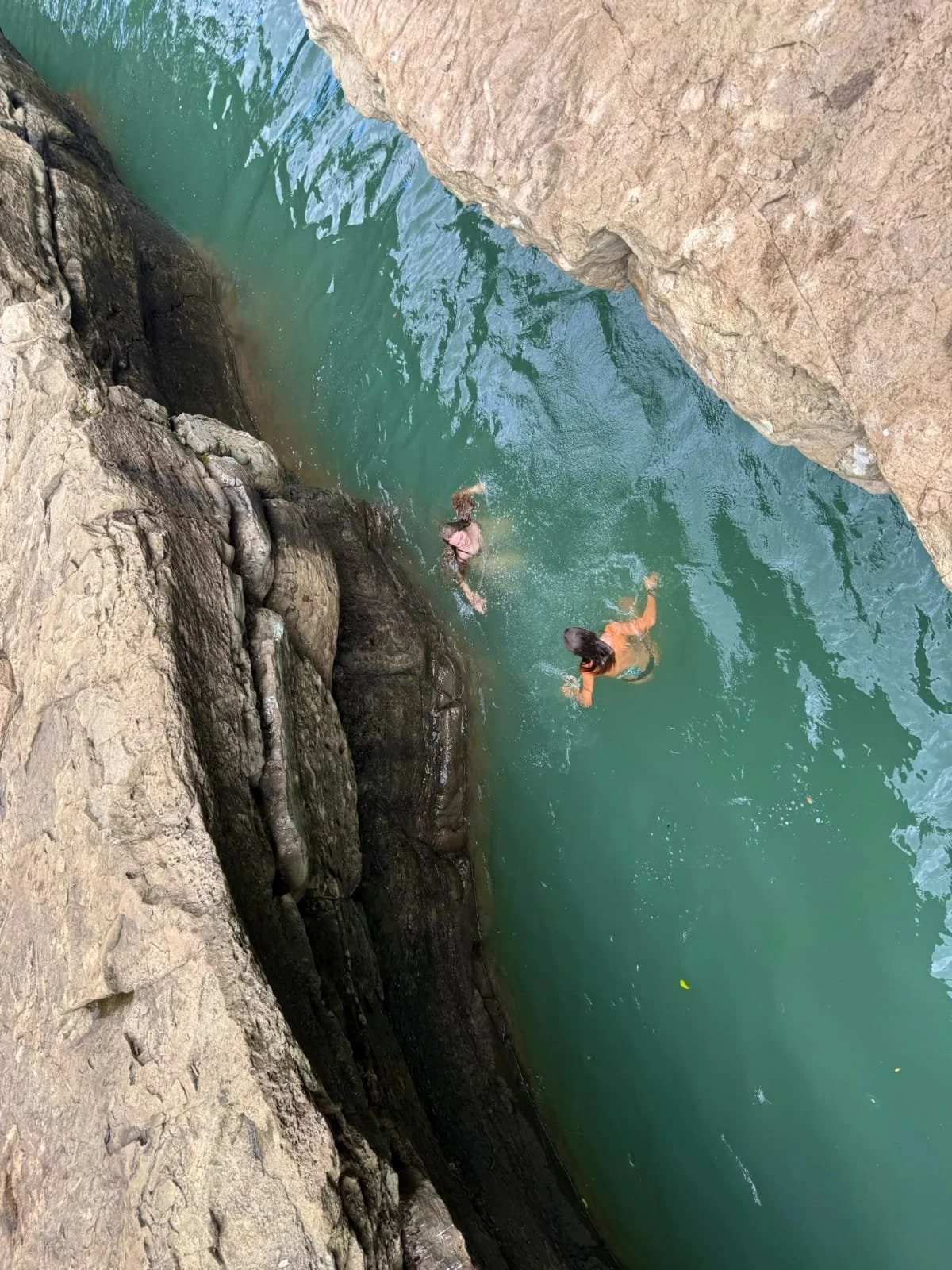
A massive guide to experiencing Panama when the crowds disappear
When many travelers imagine Panama, they picture endless sunshine, turquoise Caribbean water, crowded island boats, busy hostels full of backpackers, and streets filled with visitors exploring one of Central America’s most fascinating countries. They imagine Panama City glowing beneath skyscrapers, Bocas del Toro buzzing with island life, Boquete filled with hikers and coffee lovers, and beaches covered with travelers escaping colder countries.
But Panama has another personality that appears during the slow season.
The slow season is when the country becomes quieter. Hotels have empty rooms. Restaurants have more space. Trails become peaceful. Locals have more time to talk. Rainforests become greener. Waterfalls become more powerful. Beaches can feel almost private. The rhythm of travel changes completely.
For some travelers, this is the absolute best time to visit Panama.
For others, it can be challenging.
The slow season has two sides. It can provide some of the most authentic and memorable experiences in the country, but it also requires a different mindset. Travelers who expect perfect weather every day, nonstop nightlife, and a constant flow of tourists may become frustrated. Travelers who enjoy adventure, flexibility, nature, and discovering places before everyone else arrives may fall in love with Panama during these quieter months.
Understanding both sides is the key.
What Exactly Is Panama’s Slow Season?
Panama’s tourism seasons are different from many other countries because the climate does not follow the traditional four-season pattern. Panama is tropical, meaning the main distinction is usually between the dry season and the green season, also commonly called the rainy season.
The busiest tourism period is generally from December through April. During these months, many travelers from North America and Europe escape winter and arrive looking for tropical weather. Panama experiences more consistent sunshine, beaches are popular, and destinations like Bocas del Toro, Boquete, Santa Catalina, and the San Blas Islands become much busier.
The slower period generally arrives during the wetter months, especially from around May through November. However, calling this simply “the rainy season” can be misleading.
Panama does not mean constant rain.
The reality is much more interesting.
A typical tropical day might begin with bright sunshine, followed by clouds building over the mountains, a heavy afternoon shower, and then beautiful clear skies again. In the rainforest, rain is not a disruption; it is part of the experience. The entire country transforms.
The forests become brighter green. Rivers rise. Waterfalls become dramatic. Wildlife becomes more active. The air feels fresh and alive.
The slow season is not a lesser version of Panama.
It is a different version.
The Beautiful Side of Traveling Panama During Slow Season
1. You Experience the Real Panama Without the Crowds
One of the greatest advantages of slow-season travel is space.
Panama is a country where many of the best experiences involve nature. Hiking through a cloud forest, swimming in a waterfall, exploring an island, or sitting beside the ocean becomes completely different when you are not surrounded by large groups.
During high season, popular places can sometimes feel like attractions.
During slow season, they feel like discoveries.
A traveler hiking through the mountains near Boquete or the Fortuna Forest Reserve may spend hours surrounded only by birds, mist, and jungle sounds. A visit to a beach in Bocas del Toro can feel like finding a hidden paradise. A boat ride through mangroves can become a quiet wildlife experience instead of a busy excursion.
The country slows down.
And many travelers discover that this is exactly what they were searching for.
2. Nature Becomes More Powerful
Panama’s greatest treasure is its biodiversity, and slow season can be when nature truly comes alive.
The rain transforms the landscape.
The forests become intensely green. Streams that may be smaller during dry months become rushing rivers. Waterfalls become more impressive. The cloud forests develop a mystical atmosphere as clouds move through the mountains.
For nature lovers, photographers, hikers, and wildlife enthusiasts, this can be an incredible time.
Panama has one of the highest levels of biodiversity on Earth because it sits between North and South America and contains many different ecosystems. During the wetter months, the forests provide ideal conditions for countless species.
Travelers may encounter:
Tropical birds
Monkeys moving through the canopy
Sloths resting in trees
Frogs and amphibians
Butterflies
Reptiles
Thousands of plant species
The rainforest feels awake.
The rain is not ruining the experience.
The rain is creating it.
3. Prices Can Be Much Better
One of the biggest practical advantages of slow-season travel is cost.
When demand decreases, many businesses become more flexible.
Travelers may find:
Lower accommodation prices
Better deals on tours
More availability
More negotiating power
A hotel room that is expensive during Christmas or February may become much more affordable months later.
Tours that are full during high season may have smaller groups.
Restaurants may have more specials.
Transportation may feel less crowded.
For budget travelers, slow season can make Panama much easier to enjoy.
This is especially important because Panama is not always the cheapest country in Central America. While local transportation and some food options can be affordable, popular tourist areas can become expensive during peak periods.
Slow season allows travelers to experience more while spending less.
4. You Meet More Locals
One of the hidden benefits of traveling during quiet months is social connection.
When destinations are crowded, businesses are often focused on managing large numbers of customers. During slower periods, locals often have more time.
A conversation with a restaurant owner may turn into a fascinating story about the area.
A taxi driver may share hidden places tourists rarely visit.
A hostel worker may recommend an incredible waterfall or viewpoint.
The experience becomes less like passing through a tourist destination and more like being welcomed into a community.
Panama is a country where personal connections matter. Many of the best memories come from conversations, not attractions.
5. Hostels and Small Businesses Feel More Personal
For backpackers, slow season creates a very different atmosphere.
During busy months, hostels can feel like international parties. There are always new arrivals, constant activities, and people coming and going.
During slow season, hostels often become smaller communities.
A traveler may actually remember everyone staying there.
People cook together.
They share travel stories.
They organize spontaneous adventures.
A rainy evening can become one of the best nights of a trip because everyone gathers together.
Instead of meeting 50 people briefly, you might create deeper friendships with five people.
The Difficult Side of Traveling Panama During Slow Season
Of course, slow season is not perfect.
The same things that make it beautiful can also create challenges.
1. The Weather Requires Flexibility
The biggest concern travelers have is rain.
And it is a fair concern.
Panama’s tropical weather can change quickly during the wetter months.
A traveler who wants guaranteed sunshine every day may struggle.
Beach trips can be affected.
Boat tours may be delayed.
Hiking plans may need adjustments.
Photography conditions may change.
However, the biggest mistake is assuming rain means the whole day is lost.
Experienced Panama travelers understand that tropical weather works differently.
The rain often comes in bursts.
A morning can be perfect for hiking.
An afternoon storm can refresh the forest.
The evening can become beautiful again.
The key is flexibility.
2. Some Businesses Reduce Operations
During slower months, some tourism businesses adjust their schedules.
Certain tours may run less frequently.
Some restaurants may close extra days.
Some hotels may temporarily reduce services.
Small businesses depend heavily on tourism numbers, so slower periods naturally affect their operations.
This does not mean there is nothing happening.
It means travelers should research more carefully and avoid assuming everything operates exactly like high season.
3. Some Destinations Feel Very Quiet
For some travelers, quiet is paradise.
For others, it feels lonely.
A person who wants nightlife every evening may find certain destinations slower than expected.
Places like island communities or mountain towns can become extremely peaceful.
That is wonderful for someone seeking nature.
But someone expecting a constant party atmosphere may be disappointed.
The question is not:
“Is slow season good?”
The question is:
“Is slow season good for my personality?”
4. The Ocean Can Be More Unpredictable
Panama’s islands and beaches are incredible, but weather affects the ocean.
Boat trips can become more complicated.
Sea conditions can change.
Visibility for certain water activities may vary.
Experienced operators know how to manage conditions, but travelers need realistic expectations.
The ocean is nature.
Panama is not a theme park.
Who Will Love Panama During Slow Season?
Slow season is perfect for travelers who:
Love nature
Enjoy hiking
Like meeting locals
Prefer fewer crowds
Travel on a budget
Have flexible schedules
Enjoy authentic experiences
Want photography opportunities
Like discovering hidden places
These travelers often say slow season is their favorite time in Panama.
Who Might Prefer High Season?
High season may be better for travelers who:
Want guaranteed beach weather
Have limited vacation time
Want nonstop nightlife
Prefer busy social scenes
Need every tour to operate daily
Want maximum sunshine
There is nothing wrong with preferring the easier conditions of high season.
The Secret Truth About Panama’s Slow Season
Many experienced travelers eventually discover something surprising:
The slow season is often when a country reveals its personality.
High season shows the postcard version.
Slow season shows the living version.
You see locals going about their lives.
You experience landscapes without crowds.
You discover why people actually love the country.
The rain becomes part of the story.
The empty beaches become part of the memory.
The quiet evenings become part of the adventure.
Panama is not beautiful because the weather is always perfect.
Panama is beautiful because it is alive.
The Two Faces of Slow Season Panama
Traveling Panama during the slow season is a trade-off.
You exchange some certainty for authenticity.
You may lose guaranteed sunshine, but you gain greener forests.
You may lose crowds, but you gain space.
You may lose constant activity, but you gain deeper experiences.
You may need more flexibility, but you may also discover a side of Panama that many visitors never see.
The travelers who come during slow season often leave with the strongest memories. They remember the sound of rain hitting the jungle roof. They remember walking alone through cloud forests. They remember conversations with locals. They remember waterfalls at their most powerful and beaches that felt like their own private paradise.
Panama’s slow season is not the country shutting down.
It is Panama taking a slower breath.
And for the right traveler, that can be the most magical time of all.