
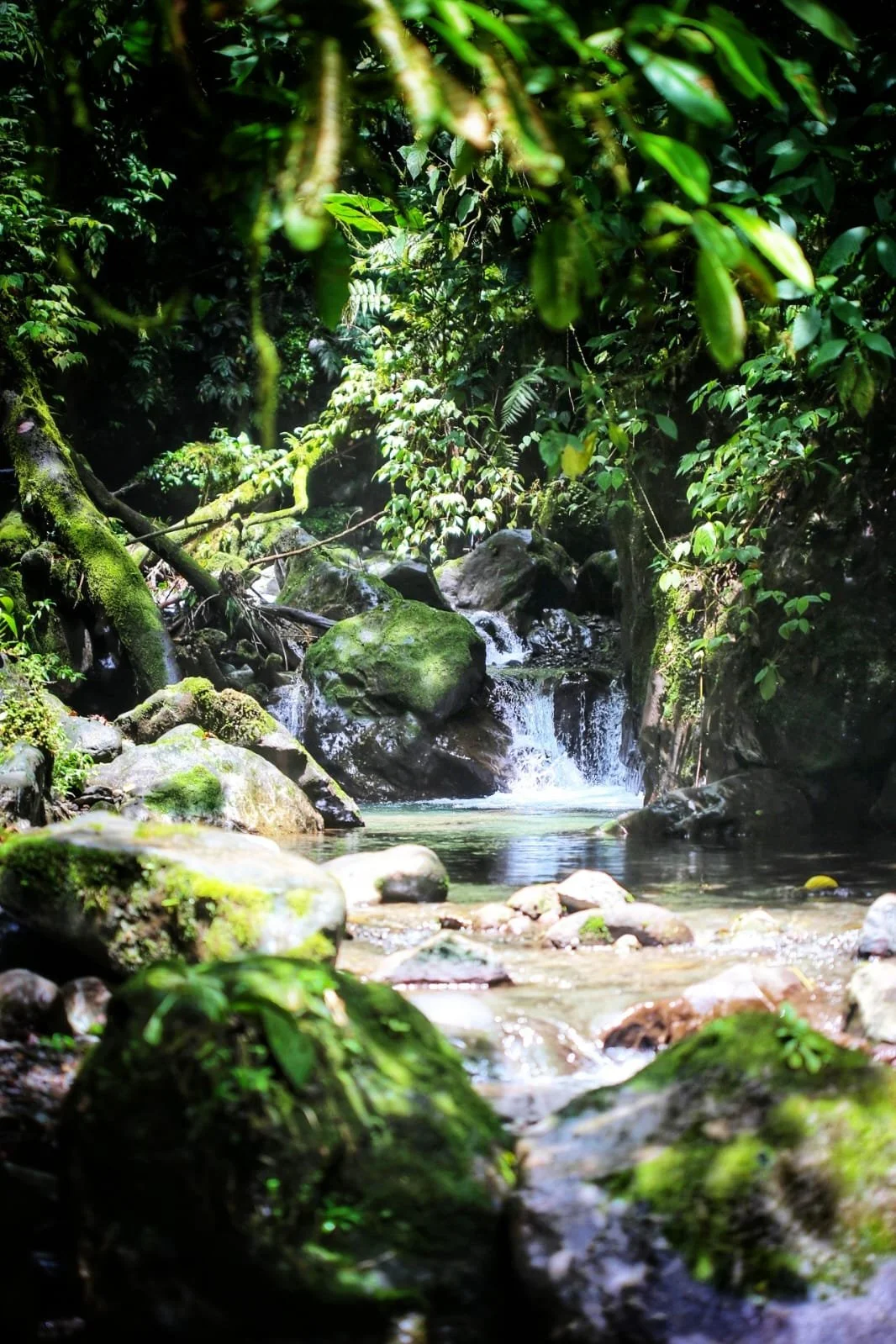
For decades, Costa Rica has been the undisputed superstar of Central American backpacking. It is the country that introduced millions of travelers to the magic of tropical rainforests, volcanoes, beaches, wildlife encounters, and eco adventure. It built one of the strongest tourism industries in the developing world and became a symbol of nature travel.
But just south of Costa Rica lies another country that many backpackers are only beginning to discover: Panama.
Panama has the same tropical beauty, incredible biodiversity, Caribbean islands, cloud forests, mountains, and beaches, but it offers a completely different experience. Where Costa Rica feels like a polished adventure destination built around tourism, Panama often feels like a place where travelers are still discovering hidden corners. It has the famous Panama Canal, the legendary San Blas Islands, the Caribbean paradise of Bocas del Toro, remote jungles, Indigenous cultures, and huge areas that remain almost completely untouched by international tourism.
For backpackers deciding between these two countries, the choice is not simple. Both are incredible. Both offer unforgettable adventures. But the experience, atmosphere, cost, and style of travel can feel completely different.
Costa Rica is the established classic.
Panama is the emerging adventure.
The best choice depends on what kind of traveler you are.
The Overall Backpacking Atmosphere: Developed Adventure vs Hidden Discovery
The biggest difference between backpacking Costa Rica and Panama is the feeling you get while traveling.
Costa Rica has been welcoming backpackers for decades. The country understands tourism extremely well. Transportation is relatively straightforward, hostels are everywhere, tours are easy to book, and almost every famous attraction has been developed for visitors.
A backpacker arriving in Costa Rica immediately understands how the system works. There are shuttle buses connecting tourist destinations, dozens of hostels in popular areas, adventure companies offering every imaginable activity, and restaurants catering to international travelers.
This makes Costa Rica extremely comfortable for first time backpackers.
You can arrive alone and quickly meet people. You can book a volcano hike, zipline tour, surf lesson, wildlife excursion, or rafting trip without much planning. You can travel for weeks without needing much Spanish because the tourism industry is so developed.
However, this popularity also means Costa Rica sometimes feels less like discovering a foreign country and more like traveling through a well designed adventure park. Many destinations have become heavily focused on tourism, prices have increased, and the backpacker routes are very established.
Panama feels different.
While Panama certainly has famous destinations, large parts of the country remain outside the typical backpacker route. Travelers often experience more unexpected moments: a local bus ride through mountains, a hidden waterfall, a small village festival, a conversation with someone who rarely meets foreigners, or a beach where there are almost no other tourists.
Panama rewards curiosity.
It is a country where getting slightly lost can become the highlight of your trip.
Cost Comparison: Which Country Is Better for Budget Backpackers?
Money is one of the biggest differences between Costa Rica and Panama.
Costa Rica is one of the most expensive countries in Latin America. It has excellent infrastructure, but prices have risen dramatically over the years because of its popularity.
A backpacker can still travel Costa Rica cheaply, but they need to make smart choices.
Typical Costa Rica backpacking costs:
Dorm bed: $12 to $25 USD per night
Basic local meal ("casado"): $5 to $10 USD
Tourist restaurant meal: $12 to $25 USD
Coffee: $2 to $5 USD
Public bus: $2 to $15 USD depending on distance
Adventure tours: $50 to $150+ USD
Costa Rica's biggest expense is often activities. Ziplining, rafting, national parks, guided wildlife tours, and volcano excursions can quickly add up.
Panama is generally cheaper, although Panama City and some island destinations can be expensive.
Typical Panama backpacking costs:
Dorm bed: $10 to $20 USD per night
Local meal: $3 to $8 USD
Tourist restaurant meal: $10 to $20 USD
Coffee: $1.50 to $4 USD
Public bus: $1 to $10 USD depending on distance
Adventure tours: $30 to $120 USD
One of Panama's biggest advantages is local transportation. The bus system allows budget travelers to explore the country very cheaply. You can travel long distances for only a few dollars, something that is becoming increasingly difficult in Costa Rica.
For the true budget backpacker, Panama usually offers better value.
Hostels and Backpacker Culture
Costa Rica has one of the strongest hostel cultures in Latin America.
Places like La Fortuna, Monteverde, Santa Teresa, Puerto Viejo, Manuel Antonio, and Tamarindo are filled with hostels designed specifically for backpackers. Many have swimming pools, bars, organized activities, communal dinners, yoga, and social events.
Meeting other travelers is extremely easy.
A solo traveler can arrive in Costa Rica and almost immediately find a group to hike with, go surfing with, or travel onward with.
The downside is that some popular hostels and destinations can feel almost too international. Sometimes you may find yourself surrounded mainly by other foreigners rather than experiencing local culture.
Panama's hostel scene is smaller but often feels more adventurous.
Bocas del Toro has one of the strongest backpacker communities in Central America. The islands attract travelers looking for beaches, diving, nightlife, and Caribbean culture.
Panama City has hostels serving travelers beginning or ending their Central American journey.
Boquete attracts hikers and nature lovers.
And unique destination hostels in remote areas create experiences that are much harder to find in Costa Rica.
Panama's hostel culture often feels more like an expedition. The people you meet are frequently travelers who have chosen Panama because they wanted something beyond the obvious route.
Nature and Wildlife: Which Country Is More Impressive?
This is perhaps the hardest comparison because both countries are biological wonders.
Costa Rica has built its reputation around wildlife.
It is famous for:
• Sloths
• Monkeys
• Scarlet macaws
• Toucans
• Frogs
• Jaguars
• Tapirs
• Cloud forests
• Volcanoes
Places like Corcovado National Park and Monteverde are among the world's most famous nature destinations.
Costa Rica is excellent for travelers who want guaranteed wildlife experiences with good infrastructure.
Panama, however, is often underestimated.
Panama is where North and South America meet biologically. It contains species from both continents and has some of the most important remaining wilderness areas in the Americas.
Panama offers:
• Harpy eagles
• Jaguars
• Tapirs
• Monkeys
• Sloths
• Cloud forests
• Coral reefs
• Caribbean islands
• Remote rainforests
The Darién region is one of the wildest places in the hemisphere.
The cloud forests around Boquete and the Fortuna Forest Reserve are spectacular.
Soberanía National Park near Panama City is one of the world's best birdwatching locations.
The difference is that Costa Rica makes wildlife easier to find.
Panama often feels like you are discovering it.
Beaches: Costa Rica's Surf vs Panama's Caribbean Magic
Costa Rica is famous for surfing.
The Pacific coast offers incredible waves and a huge surf culture.
Popular destinations include:
• Santa Teresa
• Nosara
• Tamarindo
• Dominical
• Jacó
The atmosphere ranges from backpacker surf towns to luxury wellness communities.
Costa Rica's beaches are beautiful, but many famous areas have become expensive.
Panama's beaches are more varied.
The Caribbean side offers some of the most beautiful tropical islands in the region.
Bocas del Toro feels like a Caribbean dream with:
• Jungle covered islands
• Crystal water
• Coral reefs
• Caribbean culture
• Water taxis everywhere
The San Blas Islands offer one of the most unique island experiences in the Americas, with Indigenous Guna communities protecting a stunning archipelago of hundreds of islands.
Panama's Pacific coast is less developed and often much quieter.
For travelers looking for beach towns with nightlife and surfing, Costa Rica may win.
For travelers looking for tropical island exploration and hidden beaches, Panama is difficult to beat.
Adventure Activities
Costa Rica is the adventure tourism capital of Central America.
You can find:
• Ziplining
• Whitewater rafting
• Canyoning
• Volcano hiking
• Surfing
• Horseback riding
• Wildlife tours
• Hot springs
The tourism industry is extremely professional.
Panama offers many of the same adventures but often in a less commercial way.
You can experience:
• Jungle hiking
• Waterfalls
• River adventures
• Diving
• Snorkeling
• Island exploration
• Cloud forest trekking
• Indigenous cultural experiences
Panama's adventure appeal comes from exploration.
Costa Rica offers adventure packages.
Panama offers adventure stories.
Transportation: Which Is Easier?
Costa Rica is easier.
Tourism has created a network of tourist shuttles connecting major destinations. Even if you do not speak Spanish, you can travel relatively easily.
The downside is cost.
Private shuttles are convenient but expensive.
Panama requires slightly more effort but rewards travelers.
The public bus system is extensive and affordable. Long distance buses connect most regions. Boats connect island communities. Domestic flights connect remote areas.
Traveling Panama often feels more authentic because you are sharing transportation with locals rather than mainly tourists.
For experienced backpackers, this is part of the adventure.
Safety Comparison
Both countries are among the safer destinations in Latin America for travelers.
Costa Rica has decades of tourism experience and generally feels very comfortable for backpackers.
Panama is also safe in most tourist areas, although travelers should use normal precautions, especially in parts of Panama City and some urban areas.
The biggest safety difference is not crime but wilderness.
Costa Rica's tourism system often means trails, parks, and activities are well organized.
Panama's remote areas can feel more adventurous and require more preparation.
Spanish and Cultural Experience
Costa Rica is easier for English speakers because tourism is highly developed.
Panama often encourages travelers to use more Spanish, especially outside tourist zones.
This can create deeper cultural experiences.
A traveler who learns even basic Spanish will find Panama incredibly rewarding.
The country has fascinating cultural diversity:
• Indigenous Guna communities
• Emberá traditions
• Afro Caribbean culture
• Colonial history
• Canal history
Costa Rica has its own rich culture, but Panama often feels like a stronger crossroads of cultures.
Which Country Is Better for Different Types of Backpackers?
First Time Backpacker
Winner: Costa Rica
It is easier, smoother, and more predictable.
Budget Backpacker
Winner: Panama
Your money usually goes further.
Party Backpacker
Slight advantage: Costa Rica
More famous party destinations and larger tourist crowds.
Nature Lover
Very close.
Costa Rica has famous parks.
Panama has more unexplored wilderness.
Solo Traveler
Both are excellent.
Costa Rica makes meeting people easier.
Panama often creates stronger adventure connections.
Off The Beaten Path Traveler
Winner: Panama
There is simply more unexplored territory.
Luxury Backpacker
Winner: Costa Rica
More developed tourism infrastructure.
Costa Rica or Panama? Which One?
The truth is that choosing between Costa Rica and Panama is not about finding the "better" country.
It is about choosing the experience you want.
Costa Rica is the classic Central American adventure. It is polished, accessible, famous, and incredibly beautiful. It is perfect for travelers who want incredible nature without too much difficulty.
Panama is the hidden gem. It is less predictable, often cheaper, culturally diverse, and full of places where travelers can still feel like explorers.
Costa Rica is the country where you follow the trail.
Panama is the country where you sometimes discover the trail.
The perfect Central American backpacking trip may actually include both. Start in Costa Rica to experience the famous volcanoes, forests, and beaches. Then continue south into Panama, where the crowds thin, the landscapes become wilder, and the feeling of discovery returns.
Because the greatest backpacking journeys are not only about the places you visit.
They are about the stories you collect along the way.
And both Costa Rica and Panama have some of the best stories in Central America waiting to be found.