
Few rivers in history have had a greater influence on global trade, exploration, engineering, and the development of an entire nation than Panama's Chagres River. At first glance, it appears to be simply another tropical river winding through dense rainforest, but beneath its calm surface lies one of the most fascinating stories in the Americas. Long before the Panama Canal was built, long before Panama became an independent nation, and even before Europeans first arrived in the New World, the Chagres River was shaping the landscape of the narrow isthmus that connects North and South America. Today it remains one of Panama's most important natural treasures, providing drinking water for millions of people, sustaining vast rainforests filled with extraordinary wildlife, helping operate one of the world's busiest shipping routes, and preserving ecosystems that have remained remarkably intact for thousands of years.
The Chagres River begins high in the mountains of central Panama, where countless small streams emerge from mist-covered hills and dense tropical forests. Fed by some of the heaviest rainfall in Central America, these streams gradually merge into larger rivers before becoming the mighty Chagres itself. From there, the river winds for nearly 200 kilometres through rugged valleys, thick rainforest, and protected wilderness before eventually reaching the Caribbean Sea. Along its journey, it drains one of the most important watersheds in the country, collecting rain that falls across an enormous area of jungle.
Rain is the lifeblood of the Chagres. Parts of its watershed receive more than 3,000 millimetres of rainfall each year, while some mountain slopes receive considerably more. During the rainy season, heavy tropical downpours transform gentle streams into powerful torrents. Water pours down forested hillsides, cascades over waterfalls, fills countless creeks, and eventually rushes into the Chagres River. This enormous and dependable supply of freshwater is precisely what made the Panama Canal possible. Without the Chagres, there would almost certainly never have been a canal crossing Panama.
For centuries, however, the Chagres was known not for commerce but for danger. Spanish explorers quickly realized that the river offered one of the easiest routes across the isthmus. Ships arriving from Europe anchored along the Caribbean coast, where valuable cargo was unloaded and transported upriver by canoe before continuing overland toward the Pacific Ocean. Gold and silver from Peru travelled this route on their way to Spain, making the Chagres one of the most strategically important rivers in the Spanish Empire.
Where wealth flows, pirates inevitably follow.
Throughout the sixteenth and seventeenth centuries, the Chagres River became a stage for some of history's most famous pirates and privateers. Men such as Henry Morgan recognized that controlling the Chagres meant controlling one of Spain's richest trade routes. In 1671, Morgan launched one of his most famous expeditions by capturing the imposing fortress guarding the mouth of the river before leading his forces inland toward Panama City. His attack ultimately resulted in the destruction of the original colonial city, whose ruins can still be visited today at Panamá Viejo. The Chagres was not merely a river during this era; it was a highway of empire, fortune, conflict, and exploration.
Travel along the river remained difficult. Dense rainforest pressed against its banks, crocodiles patrolled its waters, tropical diseases challenged travelers, and unpredictable floods could transform a peaceful journey into a life-threatening ordeal. Yet despite these dangers, thousands of merchants, soldiers, missionaries, explorers, Indigenous traders, and adventurers depended upon the Chagres as the fastest route across Central America for hundreds of years.
The California Gold Rush brought another dramatic chapter to the river's history. Beginning in 1848, tens of thousands of fortune seekers from around the world travelled to California hoping to strike it rich. Many avoided the long voyage around Cape Horn by crossing Panama instead. Steamships brought passengers to the Caribbean coast, where they boarded riverboats navigating the Chagres as far inland as possible. From there, they completed the journey by mule, horseback, or on foot before boarding ships bound for San Francisco. During these years the river became crowded with boats carrying hopeful prospectors, merchants, engineers, and travelers representing dozens of different nationalities.
As engineers began dreaming about building a canal across Panama, they quickly realized the Chagres presented both the greatest obstacle and the greatest opportunity. During the rainy season, the river's floods could be absolutely enormous. Before modern dams existed, water levels sometimes rose dramatically within hours after heavy rainfall. Early French engineers attempting to build a sea-level canal underestimated the river's power, and its floods repeatedly destroyed construction work. Combined with disease, financial problems, and engineering challenges, these floods contributed to the eventual failure of the French canal effort during the late nineteenth century.
When the United States took over construction in the early twentieth century, engineers adopted an entirely different approach. Rather than fighting the Chagres River, they decided to harness it.
The solution was the construction of the magnificent Gatun Dam, completed in 1913. At the time, it was one of the largest earth dams ever built anywhere in the world. By blocking the Chagres River, engineers created the enormous Gatun Lake, which instantly became one of the world's largest artificial lakes. Instead of carving a canal entirely through solid land, ships would now travel across this vast freshwater lake for much of their journey between the Atlantic and Pacific Oceans.
The impact of this decision cannot be overstated.
Every ship passing through the Panama Canal depends on water supplied by the Chagres watershed. As vessels enter the canal's locks, millions of litres of freshwater flow by gravity from Gatun Lake into the lock chambers, raising or lowering ships as they move between sea level and the lake. After each transit, that water eventually flows out to sea. Rain falling in the Chagres watershed constantly replenishes this supply, allowing the canal to function day after day. Without the river and its watershed, the canal would simply stop operating.
The Chagres also provides drinking water for much of Panama City and surrounding communities. Water treatment plants draw from the watershed, making the protection of the surrounding forests critically important. Every tree helps regulate stream flow, reduce erosion, filter rainfall, and maintain water quality. The health of Panama's largest city is therefore directly connected to the health of the forests surrounding the Chagres River.
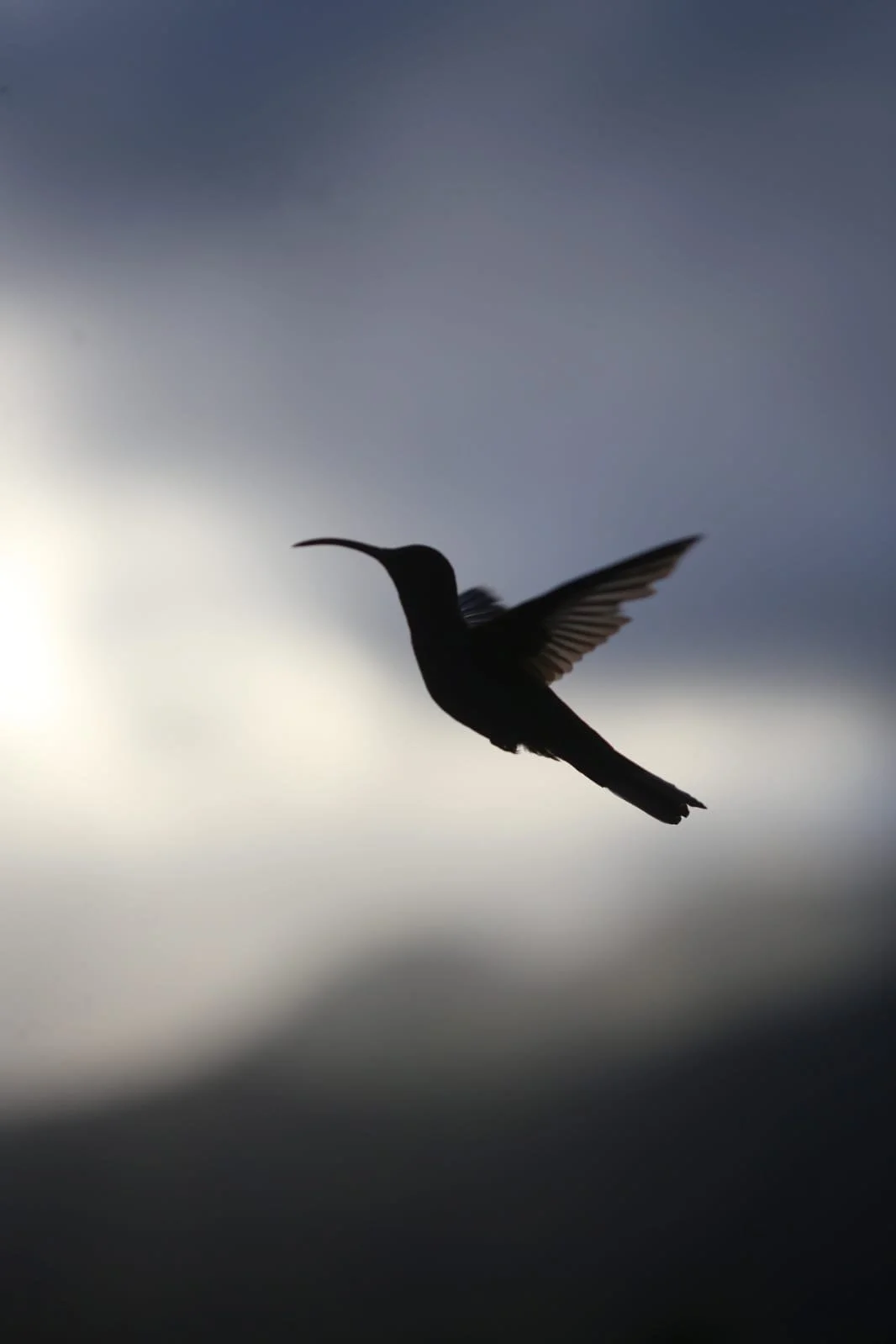
Recognizing this importance, Panama established Chagres National Park in 1985. Covering more than 1,200 square kilometres, the park protects much of the river's watershed while preserving one of Central America's richest tropical ecosystems. These forests contain extraordinary biodiversity, including jaguars, pumas, ocelots, tapirs, peccaries, sloths, several species of monkeys, crocodiles, caimans, and hundreds of bird species. Harpy eagles occasionally soar above the canopy, while colorful toucans, trogons, hummingbirds, and parrots fill the forest with constant activity.
Botanically, the Chagres watershed is equally remarkable. Towering strangler figs, giant ceiba trees, palms, orchids, bromeliads, vines, mosses, and countless flowering plants create layer upon layer of vegetation. The rainforest functions like an enormous living sponge, absorbing rainfall before slowly releasing it into streams and rivers. This natural regulation helps reduce flooding during heavy rains while maintaining water flow during drier months.
For outdoor enthusiasts, the Chagres River offers endless opportunities for adventure. Sections of the river are popular for kayaking, rafting, canoeing, fishing, birdwatching, and wildlife photography. Visitors can travel by traditional dugout canoe to reach remote Emberá Indigenous communities, where people continue to maintain cultural traditions closely connected to the river and surrounding forest. These journeys provide rare opportunities to experience one of Panama's oldest living cultures while learning how generations have depended upon the Chagres for transportation, fishing, and daily life.
The river also plays a surprisingly important role in global conservation. Because the Panama Canal depends upon a healthy watershed, protecting the Chagres forests has become an economic necessity as well as an environmental one. Unlike many tropical forests elsewhere in the world that have been cleared for agriculture or development, large portions of the Chagres watershed remain intact because the forest itself protects the canal's water supply. In this remarkable way, one of humanity's greatest engineering achievements has helped preserve one of Central America's greatest natural landscapes.
Climate change has made the Chagres even more significant. Extended droughts associated with El Niño can reduce water levels in Gatun Lake, limiting the number of ships able to transit the canal. Conversely, intense rainfall events can produce exceptionally high river flows. Scientists continuously monitor rainfall, reservoir levels, and river discharge to ensure that water resources remain sufficient for shipping, drinking water, hydroelectric generation, and ecosystem health. The future of the Panama Canal is therefore closely tied to the future of the Chagres River and the forests that sustain it.
Perhaps what makes the Chagres so extraordinary is that it represents two seemingly opposite ideas at once. It is one of the wildest rivers in Central America, flowing through dense rainforest where jaguars still roam and harpy eagles still nest. At the same time, it is one of the world's most economically important rivers, quietly supporting international trade on a scale that affects nearly every nation on Earth. Every container ship crossing the Panama Canal owes part of its journey to rainfall that fell days or weeks earlier within the Chagres watershed.
Standing beside the Chagres today, it is easy to forget how much history has unfolded along its banks. Indigenous peoples navigated these waters long before European explorers arrived. Spanish treasure fleets depended upon it. Pirates sought to control it. Gold prospectors travelled its currents. Engineers struggled against its floods before finally learning to work with them. Today, millions of people benefit every day from the clean water, biodiversity, and economic value that this remarkable river continues to provide.
The Chagres River is far more than a river. It is the beating heart of the Panama Canal, the guardian of one of the country's richest rainforests, a refuge for extraordinary wildlife, a source of life for surrounding communities, and one of the most historically significant waterways in the Americas. Few rivers anywhere in the world have influenced both nature and human civilization so profoundly. Hidden beneath the rainforest canopy, quietly winding toward the Caribbean Sea, the Chagres continues to shape Panama just as it has for thousands of years.