
If you spend time backpacking through Panama in 2026, particularly in destinations like Boquete, Santa Catalina, Bocas del Toro, El Valle de Antón, or the cloud forests of Chiriquí, you may notice something surprising. Among the many international visitors, French accents seem to be everywhere. Hostels report more guests from France, tour operators are welcoming increasing numbers of French travelers, and it has become common to hear French being spoken in hostel kitchens, hiking groups, cafés, and dive boats.
While Panama has always attracted visitors from France, 2026 appears to have brought a noticeable increase. This is not the result of one single factor but rather the combination of improved awareness, changing travel habits, better airline connections, and growing interest in authentic nature-based destinations. Panama itself has also experienced a strong increase in international tourism overall, with visitor arrivals rising significantly during 2026 as the country expanded its marketing efforts in several European markets, including France.
One of the biggest reasons is that French travelers have increasingly moved away from traditional package holidays. While beach resorts remain popular, many younger French tourists now look for destinations offering adventure, wildlife, hiking, surfing, diving, local culture, and opportunities to meet people from around the world. Panama fits this style of travel remarkably well.
Unlike some destinations that have become heavily developed for mass tourism, Panama still feels like a place waiting to be discovered. A traveler can wander through the colonial streets of Casco Viejo, hike cloud forests filled with hummingbirds, climb the highest mountain in the country, snorkel over Caribbean coral reefs, surf Pacific waves, visit Indigenous communities, and watch humpback whales, all within a relatively small country. For many French visitors, this variety is one of Panama's greatest attractions.
Another important factor is Panama's reputation as one of the safest countries in Latin America. Many French travelers are interested in exploring Central America but may feel uncertain about safety in some parts of the region. Panama generally enjoys a reputation for political stability, a modern banking system, good highways, reliable domestic transport, and widespread tourist infrastructure. While visitors should always take normal travel precautions, many find Panama an easy country to explore independently.
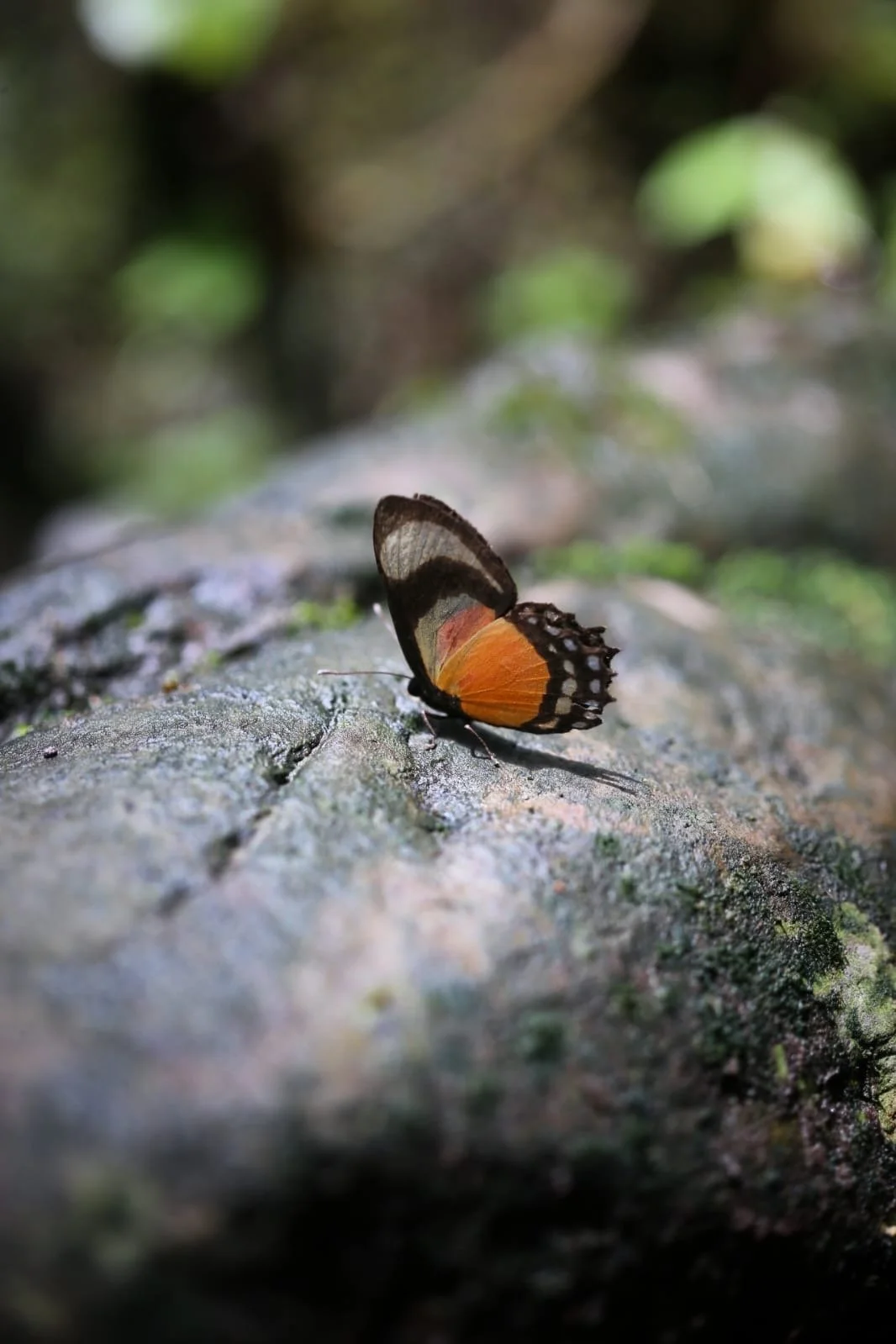
The country's incredible biodiversity is another major draw. France has a long tradition of interest in nature, birdwatching, conservation, and outdoor recreation. Panama contains an astonishing amount of wildlife for such a small nation. Visitors can encounter sloths, monkeys, toucans, poison dart frogs, sea turtles, crocodiles, dolphins, whales, and more than 1,000 species of birds. The cloud forests around Boquete and the Caribbean islands of Bocas del Toro appeal especially to travelers looking for experiences beyond large cities and crowded beaches.
Coffee tourism has also become increasingly important. Many French visitors appreciate high-quality food and drink, and Panama's coffee-growing region around Boquete has become internationally famous. Geisha coffee, produced on the slopes of Volcán Barú, regularly sells for some of the highest prices ever recorded at international coffee auctions. Coffee farm tours allow visitors to walk through plantations, learn about cultivation, and taste some of the world's most celebrated coffees, making Boquete an increasingly popular stop on French travel itineraries.
Backpacking culture plays an equally significant role. Panama has developed an excellent network of hostels that encourage social travel. Backpackers can move easily between Panama City, El Valle de Antón, Santa Catalina, Boquete, the Lost and Found Hostel, and Bocas del Toro using public buses and shuttle services. These hostels naturally create communities where travelers recommend destinations to one another. Once a place develops a strong reputation among French backpackers, word spreads quickly through travel blogs, social media, and conversations between travelers.
The Panama Stopover program has also contributed to increased tourism. Travelers flying through Panama with Copa Airlines can spend several days exploring the country before continuing to another destination without additional airfare. The program reached record participation in 2026, introducing many international visitors to Panama who might otherwise have simply changed planes and continued their journey.
Social media has accelerated this trend dramatically. Beautiful photographs of turquoise Caribbean waters, jungle waterfalls, misty cloud forests, colourful wildlife, and quiet beaches are shared daily across Instagram, TikTok, YouTube, and travel blogs. Panama still feels less crowded than many better-known destinations, giving travelers the sense that they are discovering somewhere genuinely special rather than following the crowds.
Changing travel patterns may also be playing a role. Some travel industry reports indicate that interest among French travelers in visiting the United States has softened because of higher travel costs and other factors, encouraging some people to consider alternative destinations in the Americas instead. While this is only one influence among many, countries such as Panama may benefit as travelers look for different experiences in the region.
Another reason French visitors enjoy Panama is the ease of moving around the country. Despite stretching from Costa Rica to Colombia, Panama is relatively compact. Modern highways, affordable buses, domestic flights, water taxis, and shuttle services make it possible to experience mountains, rainforests, islands, beaches, and vibrant cities within a single trip. Travelers with only two or three weeks can enjoy an impressive variety of landscapes without spending endless hours on transportation.
French travelers also tend to appreciate destinations where tourism still feels authentic rather than overly commercialized. Panama has luxury resorts, but much of its appeal lies in small family-run hotels, eco-lodges, independent cafés, jungle hostels, and locally owned restaurants. Whether staying in a mountain hostel, diving in Bocas del Toro, or hiking through the forests of Chiriquí, visitors often feel they are experiencing the country rather than simply observing it.
Panama's tourism authorities have also been actively promoting the country in European markets, including France, through partnerships with travel agencies and targeted international marketing campaigns. These efforts form part of a broader strategy that has helped drive strong growth in visitor numbers during 2026.
Whether this increase in French travelers continues remains to be seen, but in 2026 the trend is certainly noticeable. From the cafés of Boquete to the surf hostels of Santa Catalina and the Caribbean docks of Bocas del Toro, French has become one of the languages heard most often among international visitors.
For Panama, this growing interest represents more than simply increasing visitor numbers. It reflects a changing image of the country itself. Once viewed mainly as the home of the Panama Canal, Panama is increasingly being recognized as one of the most diverse adventure destinations in the Americas. For French travelers seeking wildlife, coffee, hiking, beaches, culture, and authentic experiences in a country that is still relatively uncrowded, Panama has become one of the region's most exciting discoveries.