
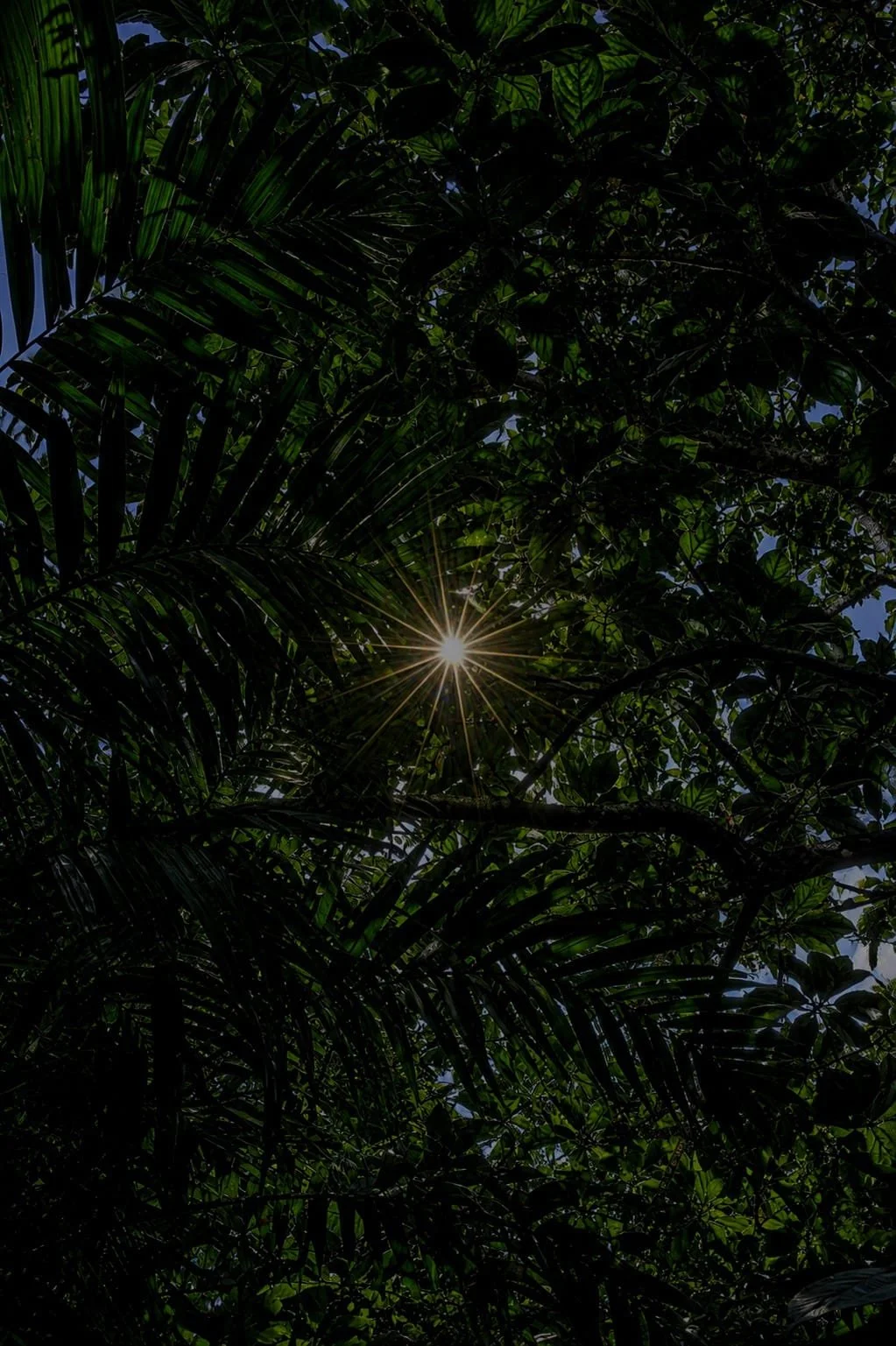
Deep in the forests of Panama grows a tree that many people walk past without realizing they are standing beside one of the country’s most remarkable natural materials. The níspero tree is not as famous internationally as mahogany, teak, or rosewood, but among people who understand tropical hardwoods, níspero has a reputation for strength, durability, and beauty. For centuries, this dense hardwood has been valued by carpenters, builders, boat makers, and communities that depended on the forests of the isthmus. It is a wood that tells the story of Panama itself: a country where forests, oceans, indigenous traditions, and human craftsmanship have been connected for thousands of years.
The name “níspero” in Panama can refer to several species in the Sapotaceae family, including trees in the genus Manilkara. Depending on the region, people may use the name for different but related trees. Some of these trees are also related to the famous sapodilla tree, known for producing chicle, the natural latex historically used to make chewing gum.
What makes níspero fascinating is that it is not just another tropical tree. It is a survivor of ancient forests, a tree with extremely dense wood, and a species that has played a quiet but important role in Panama’s history.
A Giant of the Panamanian Forest
Walking through a mature Panamanian forest, especially in areas with older growth, you can encounter níspero trees rising above the surrounding vegetation. Some species can grow into impressive forest giants, reaching heights of 20 to 40 meters depending on the species and conditions. Their trunks are often straight and strong, with a rounded crown of shiny green leaves that help them stand out from many surrounding trees.
Unlike many tropical trees that grow quickly but produce lighter wood, níspero is a slow growing hardwood. The tree invests years, sometimes decades, into creating extremely dense fibers. This slow growth is one reason the wood became so valuable. The tree essentially creates a natural material designed by evolution for strength and endurance.
In the forest, this density gives the tree advantages. A strong trunk helps it withstand storms, heavy tropical rainfall, and competition from surrounding vegetation. The same characteristics that help the living tree survive are what make the wood so prized after harvesting.
The Incredible Strength of Níspero Wood
The first thing people notice about níspero wood is its weight. It is extremely dense compared with many common woods. A piece of níspero can feel surprisingly heavy when lifted, almost like a completely different material compared with lighter tropical woods. Some níspero types are among the densest woods traditionally used in Central America and the Caribbean.
This density gives níspero several valuable qualities:
It resists wear.
It handles heavy pressure.
It has excellent structural strength.
It can last for many years when properly used.
Historically, these qualities made it useful for demanding applications such as construction, heavy beams, posts, marine uses, and tool handles. The wood was respected because it could survive conditions that would damage softer woods.
Old descriptions of Panamanian forests from centuries ago mention níspero as a valuable timber because of its hardness and resistance. Historical accounts noted that níspero was used in construction and valued for its ability to withstand heavy forces.
A Wood With Beautiful Character
Strength is only part of the story. Níspero is also visually impressive.
The heartwood often has warm reddish brown tones, sometimes with subtle variations that become more beautiful as the wood ages and is polished. The grain is usually fine and relatively uniform, giving it an elegant appearance.
For craftsmen, this combination is special. Many extremely hard woods are difficult to work or lack visual appeal, while some beautiful woods are too soft for heavy use. Níspero sits in a fascinating middle ground: it is both practical and attractive.
A finished piece made from níspero can have a timeless appearance. Furniture, decorative objects, and traditional woodworking projects made from this type of hardwood can feel connected to the tropical landscape where the tree originated.
Níspero and Panama’s Maritime History
One of the most interesting connections between níspero and Panama is its relationship with water.
Panama has always been a country of rivers, oceans, boats, and movement. Before modern roads connected communities, waterways were the highways of the country. Strong hardwoods were essential for everything from structures near rivers to maritime uses.
Because níspero is heavy and durable, it became valued for uses where strength mattered. Historical records describe its use in areas connected to construction and marine environments.
Imagine the forests around old colonial Panama. Before the skyscrapers of Panama City existed, before the canal transformed global trade, forests provided the materials that built communities. Trees like níspero were part of that forgotten foundation.
The Connection Between Níspero Trees and Chicle
One of the most fascinating parts of the níspero story is that some related species produced latex traditionally harvested for chicle. When the bark was cut, a milky sap could flow from the tree. This natural latex became historically important because it was used in the production of chewing gum before synthetic alternatives became common.
This means the níspero family was valuable in multiple ways. The tree could provide food through its fruit, useful latex, and extremely durable wood.
Few trees have such a diverse relationship with humans.
The Fruit That Shares the Name
Many visitors are surprised to learn that níspero is also associated with a sweet tropical fruit. The connection comes from related sapotaceous trees, whose fruits have been eaten throughout tropical America for generations.
The fruit is sweet, soft, and often compared to other tropical fruits because of its caramel-like flavor. In rural Panama, trees providing both food and useful materials have always been important. A single tree could represent nutrition, shade, medicine, and construction resources.
This relationship between people and trees is a major part of traditional tropical life.
Why Níspero Is Becoming More Rare
The qualities that made níspero valuable also created problems. A slow-growing tree with exceptionally strong wood takes many years to replace. As tropical forests across Central America faced pressure from agriculture, development, and timber extraction, many large hardwood species became less common.
Today, conservation of old-growth forests is extremely important because trees like níspero represent ecological history. A mature tropical hardwood is not just a source of lumber. It is habitat for insects, birds, fungi, and countless organisms that depend on ancient forest systems.
Protecting these trees means protecting entire ecosystems.
Níspero in Panama’s Forests Today
For travelers exploring Panama’s natural areas, especially rainforests and cloud forests, discovering a large níspero tree can be a special moment. It represents a different kind of attraction than a waterfall, beach, or mountain viewpoint.
It is a living piece of history.
A giant níspero tree may have witnessed generations of animals passing through the forest, storms arriving from the Caribbean, rivers changing course, and humans exploring the same landscape for centuries.
In a country famous for the Panama Canal and biodiversity, trees like níspero remind visitors that Panama’s greatest treasures are often hidden quietly in the forest.
The Legacy of Níspero Wood
Níspero wood tells a story about patience. Unlike fast-growing plantation species, this tree represents the slow rhythm of nature. It takes years to create something strong.
That is why níspero has fascinated generations of Panamanians. It is not simply wood. It is a connection between forest and civilization, between ancient ecosystems and human creativity.
The next time someone walks through a Panamanian forest and sees a tall tree with glossy leaves and a powerful trunk, they might be looking at one of the country’s forgotten giants.
A tree that helped build homes.
A tree that supported traditions.
A tree that survived storms and centuries.
A tree that quietly carries the history of Panama inside its wood.