
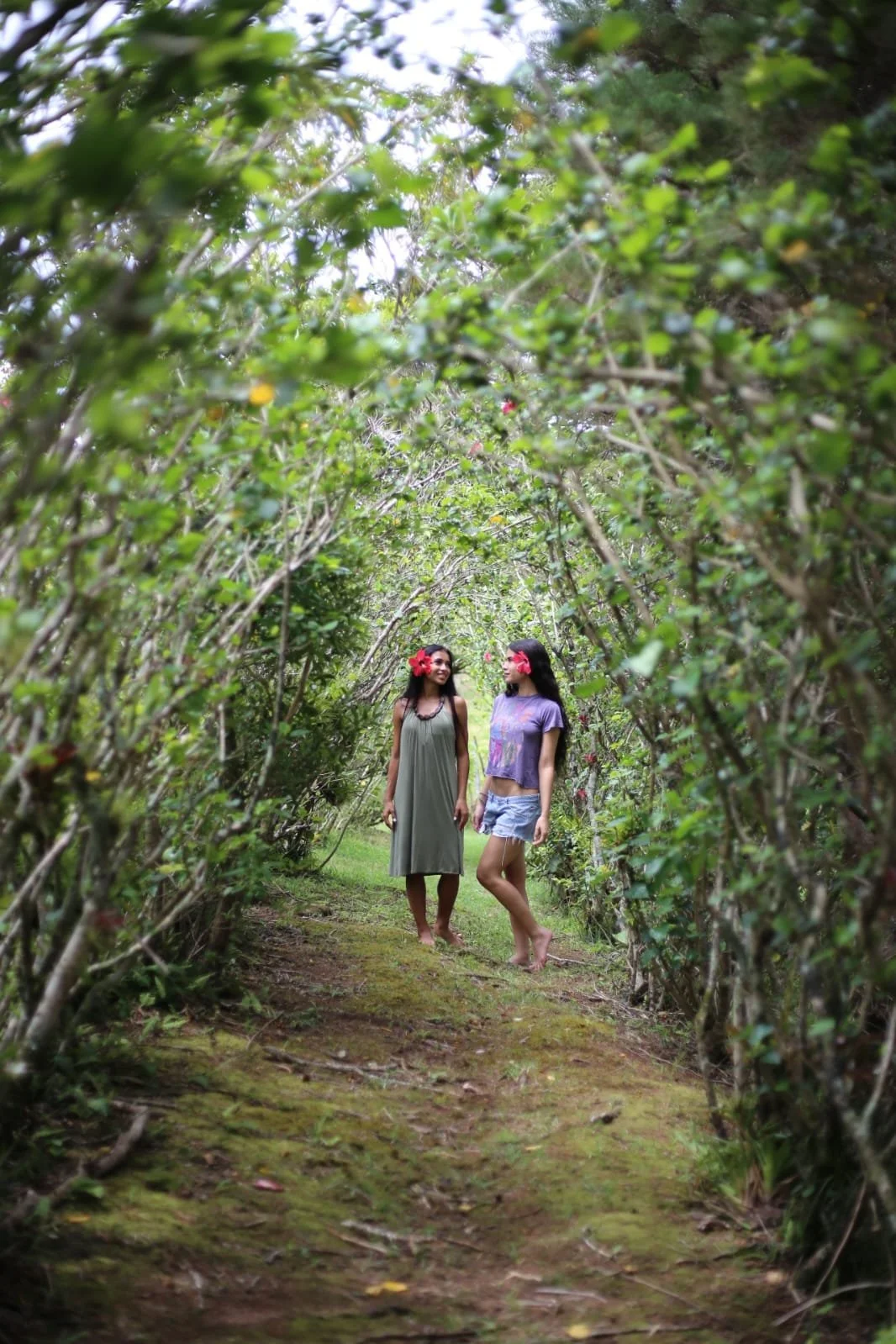
Central America has become one of the greatest regions in the world for volunteer exchanges, work exchanges, and long-term backpacker experiences. For travelers who want more than simply moving from one tourist attraction to another, platforms such as Workaway, Worldpackers, and HelpX have completely changed the way people explore the region. Instead of spending a few days in each destination, travelers can stay for weeks or even months, live with local communities, learn Spanish, work on farms, help conservation projects, assist hostels, teach languages, and become part of the places they visit. The number of listings changes constantly, but the overall pattern is very clear: the countries with the largest volunteer exchange scenes in Central America are usually Costa Rica, Panama, Guatemala, Nicaragua, Honduras, Belize, and El Salvador. Each country attracts a different type of traveler. Costa Rica has the largest and most developed eco-tourism and conservation exchange scene, Panama is quickly becoming the adventure volunteer hotspot, Guatemala dominates cultural immersion and Spanish learning, Nicaragua attracts travelers looking for authentic experiences at lower costs, Honduras is famous for island and marine projects, Belize offers unique reef and Caribbean opportunities, and El Salvador is an emerging destination with growing surf and community projects.
One of the reasons Central America is such a strong region for volunteer exchanges is the incredible diversity packed into a relatively small area. A traveler can spend a month helping on a sustainable farm in Costa Rica, another month teaching English near a Guatemalan lake, another month working in a Caribbean hostel in Panama, and another month helping with conservation in Honduras. The region offers almost every type of exchange imaginable. Some people volunteer because they want to save money while traveling, but the real value is usually the deeper experience. A normal backpacker might pass through a town, take photos, eat at restaurants, and leave after a few days. A volunteer might spend weeks living alongside local people, learning traditions, improving their Spanish, understanding environmental challenges, and seeing a side of the country that most tourists never experience.
---
Costa Rica: The Volunteer Exchange Giant of Central America
Costa Rica is usually the country with the largest number of volunteer exchange opportunities in Central America. The reason is simple: Costa Rica built its international reputation around nature, sustainability, and conservation. The country has decades of experience welcoming foreigners, thousands of eco-projects, a strong tourism economy, and a huge number of travelers who arrive specifically looking for meaningful experiences. For someone searching Workaway or Worldpackers listings, Costa Rica often has one of the widest selections of projects, from rainforest conservation to organic farms, animal rescue centers, surf hostels, and community programs.
The most common volunteer exchanges in Costa Rica involve eco-farms and permaculture. Travelers interested in sustainable living will find hundreds of possibilities involving organic agriculture, gardening, planting trees, maintaining food forests, composting, building natural structures, and learning about alternative ways of living. These projects are often located in beautiful areas such as Monteverde, the Osa Peninsula, Guanacaste, the Southern Zone, and the mountains around La Fortuna. Many volunteers are attracted because they want to disconnect from modern life and learn practical skills. A typical day might involve working outside in the morning, learning about tropical plants, helping prepare meals, and spending afternoons exploring waterfalls, beaches, or national parks.
Costa Rica is also one of the strongest countries for wildlife and conservation volunteering. Because of its incredible biodiversity, there are opportunities connected with animal rescue centers, turtle conservation, wildlife education, and environmental programs. Volunteers may help care for rescued animals, maintain facilities, support research activities, or educate visitors about conservation. These experiences are especially popular because Costa Rica has such a strong connection between tourism and protecting nature.
Another enormous category in Costa Rica is hostel volunteering. Backpackers often use Workaway and Worldpackers to exchange several hours of work per day for free accommodation in popular destinations such as Puerto Viejo, Santa Teresa, Tamarindo, La Fortuna, and San José. Tasks usually include reception, cleaning, social media, organizing activities, helping guests, or maintaining the property. For solo travelers, hostel exchanges are especially attractive because they provide an instant social circle and allow travelers to stay longer in expensive destinations.
The downside of Costa Rica is that it is one of the most expensive countries in Central America. Volunteer exchanges can dramatically reduce accommodation costs, but food, transportation, and activities can still add up. However, for someone volunteering for the first time, Costa Rica is often the easiest introduction because the infrastructure is excellent and there are opportunities for almost every interest.
---
Panama: The Rising Star of Central American Volunteer Exchanges
Panama has become one of the most exciting countries for volunteer exchanges because it combines the adventure of a less-developed destination with the infrastructure of a modern country. While Costa Rica has a very established volunteer scene, Panama often feels like a place where travelers can still participate in something growing. The country has enormous biodiversity, Caribbean islands, cloud forests, Indigenous communities, mountains, and large areas that remain far less visited than Costa Rica.
One of Panama's strongest volunteer exchange areas is Bocas del Toro. This Caribbean archipelago is one of the biggest backpacker hubs in the country and has a huge demand for hostel volunteers. Travelers often exchange work for accommodation in beachfront hostels, helping with reception, guest activities, social media, cleaning, maintenance, and events. Bocas is particularly attractive because the lifestyle is so unique. Instead of normal roads, travelers move between islands by boat. A person volunteering in Bocas might spend the morning helping at a hostel, the afternoon snorkeling or exploring beaches, and the evening meeting travelers from around the world.
Panama is also becoming a major destination for eco-volunteering. The country has many permaculture farms, sustainable communities, and eco-lodges looking for help. Volunteers may work on organic gardens, construction projects, reforestation, renewable energy projects, or sustainable tourism initiatives. Areas such as Boquete, Chiriquí, Santa Fe, and the Caribbean coast are especially popular.
Another fascinating category in Panama is cultural exchange. Because Panama has several Indigenous groups, including the Guna and Emberá peoples, some opportunities focus on education, community tourism, language exchange, or cultural projects. These experiences require sensitivity and respect because travelers are entering communities with their own traditions and ways of life, but they can be among the most meaningful experiences available.
Panama is particularly attractive for experienced backpackers because it rewards curiosity. Someone willing to travel beyond the famous destinations can find volunteer opportunities in places where tourism is still developing. In many ways, Panama today feels like Costa Rica before it became one of the world's major adventure tourism destinations.
---
Guatemala: The Cultural Immersion Capital of Central America
Guatemala offers one of the strongest volunteer exchange experiences for travelers who want cultural immersion. While Costa Rica and Panama are heavily focused on nature and sustainability, Guatemala's greatest strength is its people, traditions, history, and language opportunities. Many travelers choose Guatemala because they want to improve their Spanish while becoming involved in local communities.
Lake Atitlán is one of the biggest volunteer exchange hubs in the region. Surrounded by volcanoes and traditional Maya villages, the lake attracts travelers from around the world. Volunteer opportunities include helping Spanish schools, supporting community education programs, working at hostels, assisting organic farms, and participating in cultural projects.
Teaching English is another major category in Guatemala. Because English skills can create economic opportunities, many organizations and schools welcome foreign volunteers who can help students practice the language. These exchanges are especially popular among travelers who want to build relationships with local communities rather than simply visit.
Agricultural projects are also common. Guatemala has a long history of coffee production and traditional farming, and travelers can find opportunities on coffee farms, organic farms, and rural projects. These experiences allow visitors to understand how communities produce food and maintain traditional practices.
Guatemala is often one of the best choices for travelers who want to slow down, learn Spanish, and experience daily life rather than simply visit attractions.
---
Nicaragua: Authentic Backpacker Exchanges and Off-the-Beaten-Path Experiences
Nicaragua has fewer volunteer listings than Costa Rica or Guatemala, but many travelers consider the experiences more authentic because the country receives fewer international visitors. Nicaragua attracts backpackers who want adventure, lower costs, and a stronger connection with local communities.
One of the biggest categories is surf hostel volunteering. Places like San Juan del Sur, Popoyo, and Las Peñitas have become popular among travelers, and hostels often look for help with reception, guest activities, cleaning, social media, and events. These exchanges allow travelers to live in famous surf destinations without paying full accommodation prices.
Nicaragua also has many eco-farm and permaculture opportunities. Volunteers may help with coffee, cacao, organic agriculture, reforestation, and sustainable living projects. Because land is cheaper and tourism is less developed than Costa Rica, Nicaragua has attracted many alternative communities focused on environmental projects.
Community projects are also common, including education programs, construction assistance, and local development initiatives. These exchanges are especially rewarding for travelers who want to contribute practical skills.
Nicaragua's advantage is that it still feels like a place where travelers can discover something new. The country has fewer polished tourism systems, but that is exactly what many backpackers love.
---
Honduras: Diving, Islands, and Marine Conservation Exchanges
Honduras has fewer total volunteer listings than Costa Rica or Guatemala, but it has some extremely unique opportunities. The biggest attraction is the Bay Islands, especially Utila and Roatán.
Utila is famous throughout the backpacker world because it offers affordable diving and a strong traveler community. Volunteer exchanges often involve helping dive shops, hostels, and tourism businesses. Tasks may include reception, social media, guest assistance, and organizing activities.
Marine conservation is another major attraction. Because the Bay Islands are surrounded by important coral reef ecosystems, some projects focus on environmental education, reef awareness, beach cleanups, and marine protection.
Roatán offers more developed tourism, while Utila feels more backpacker-oriented. For travelers interested in combining volunteering with diving, Honduras is one of the best options in Central America.
---
Belize: Smaller Numbers, Unique Experiences
Belize has fewer volunteer exchange listings simply because it is a smaller country and tourism costs are higher. However, the opportunities available are often very special.
The main categories include island hostel exchanges, eco-lodges, and marine projects. Places such as Caye Caulker and San Pedro attract travelers who want Caribbean island life. Volunteers may help with hostel operations, guest services, maintenance, or tourism activities.
Belize is also ideal for people interested in marine conservation because of the Belize Barrier Reef. Some opportunities involve environmental education, reef awareness, and sustainability.
The challenge is that Belize is expensive, so volunteer exchanges are especially valuable because they allow travelers to experience the country for longer.
---
El Salvador: The Emerging Volunteer Destination
El Salvador is still developing its volunteer exchange scene compared with its neighbors, but opportunities are growing quickly. The country's surf tourism boom has created demand for hostel volunteers, especially in places like El Tunco and El Zonte.
Common exchanges include helping surf hostels, supporting tourism businesses, teaching English, and participating in community projects. Because El Salvador receives fewer international visitors than Costa Rica or Panama, volunteers often experience a more local atmosphere.
---
The Best Central American Countries for Different Types of Volunteers
If you want the largest number of choices, Costa Rica is usually the strongest option.
If you want eco-projects and sustainability, Costa Rica and Panama are the leaders.
If you want Spanish and cultural immersion, Guatemala is probably the best choice.
If you want beaches, islands, and backpacker life, Panama, Honduras, and Nicaragua are excellent.
If you want diving and marine experiences, Honduras and Belize stand out.
If you want something less touristy and more adventurous, Panama and Nicaragua are especially interesting.
If you are volunteering for the first time, Costa Rica is probably the easiest introduction because everything is well established.
---
Final Thoughts: Why Central America Is Perfect for Volunteer Travel
Central America is one of the world's best regions for volunteer exchanges because it offers something that many modern travelers are searching for: a way to slow down and connect. The region is small enough to travel overland, diverse enough to offer completely different experiences, and affordable enough that long-term travel is possible.
The biggest mistake many backpackers make is rushing through Central America. They visit the famous beaches, take the classic photos, and move on. Volunteer exchanges allow travelers to see the hidden side of these countries: the farmers growing food, the communities protecting forests, the hostels creating international friendships, the conservation projects protecting wildlife, and the people who make these destinations special.
For travelers willing to stay longer, learn more, and participate rather than simply observe, Central America becomes much more than a vacation route.
It becomes a place where you build connections, gain skills, and collect stories that last far beyond the journey itself.