
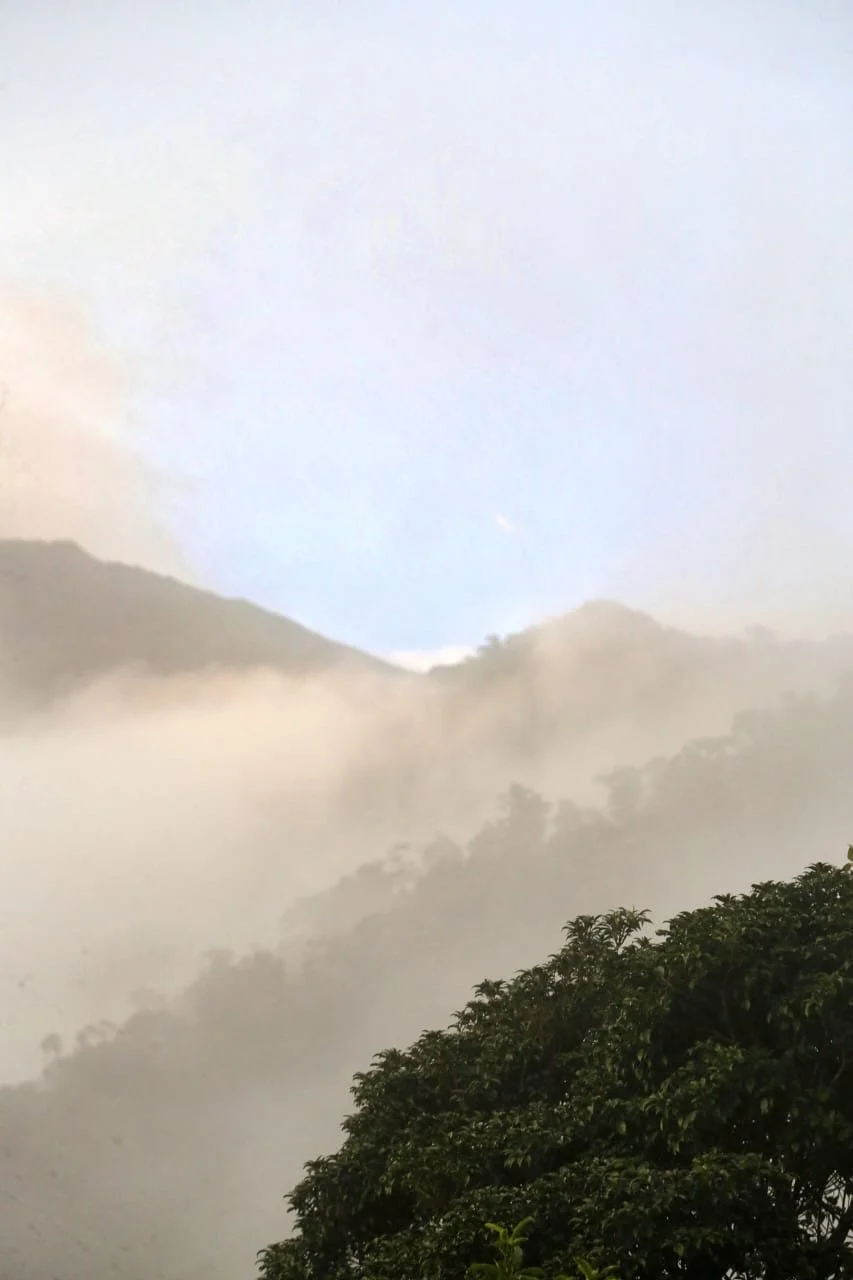
For travelers exploring Central America overland, crossing between Costa Rica and Panama is one of the most memorable moments of the entire journey. It is more than simply moving from one country to another. It is a true travel experience that involves leaving one country behind, entering a new one, meeting other travelers, navigating immigration, adjusting to a different culture, and beginning a completely new chapter of the adventure.
For many backpackers traveling south through Central America, the Panama border feels like the gateway to a different world. Costa Rica is famous for its volcanoes, national parks, surf towns, and well-developed tourism infrastructure. Panama offers something different: Caribbean islands, remote jungles, cloud forests, indigenous communities, tropical rivers, huge biodiversity, and a fascinating mix of Latin American, Caribbean, and international influences.
For travelers heading north, crossing from Panama into Costa Rica often marks the beginning of the classic Central American backpacking route toward Nicaragua, Honduras, Guatemala, and eventually Mexico.
Unlike some international borders where you barely notice crossing from one country to another, the Panama–Costa Rica border is a real border experience. You must officially leave one country, officially enter another, show your passport, receive immigration stamps, and organize your next transportation. Sometimes the process takes only a short time. Other times, especially during holidays or busy travel periods, it can take several hours.
Being prepared makes the difference between a stressful border crossing and a smooth, interesting travel experience.
Panama and Costa Rica share a land border of approximately 330 kilometers, stretching from the Pacific Ocean to the Caribbean Sea. Along this border are three official crossing points:
Paso Canoas – the main international highway crossing and the busiest border.
Guabito to Sixaola – the Caribbean crossing used by most backpackers traveling between Bocas del Toro and Costa Rica.
Río Sereno – the quiet mountain crossing in the highlands of western Panama.
Each crossing has a completely different atmosphere. One feels like a busy commercial city, one feels like a tropical backpacker adventure, and one feels like a remote mountain journey.
---
Preparing Before You Cross the Border
The easiest border crossings happen when travelers are organized before they arrive. Most problems at international borders are not caused by complicated rules. They usually happen because people forget documents, arrive without a plan, lose track of their entry date, or do not understand the process.
Your passport is the most important document you have while traveling through Panama. It is your proof of identity, nationality, and immigration status. A driver's license, student card, or other identification from your home country normally does not replace your passport because it does not show when you entered Panama or how long you are legally allowed to remain.
Before crossing, it is extremely recommended to make copies or photos of important documents.
A smart traveler should have:
• A photo of the passport information page
• A photo of the Panama entry stamp
• A photo of the Costa Rica entry stamp if traveling north
• Accommodation information
• Travel insurance details if applicable
• Proof of onward travel if requested
One of the most important things to protect is your Panama entrance stamp. Many travelers think only about protecting their passport, but the entry stamp is equally important. It proves when you entered the country and helps confirm your legal immigration status.
If your passport is lost or stolen, having a clear copy of your entry stamp can make dealing with immigration authorities, airlines, and your embassy much easier.
---
Current Requirements for Entering Panama by Land
Immigration requirements can change, and the final decision always belongs to the immigration officer at the border. However, most visitors entering Panama by land should be prepared with the same basic documents that would be required when arriving by air.
Generally, travelers should have:
A valid passport
Your passport should be valid for international travel and have enough space for immigration stamps.
Proof of onward travel
Panama immigration may ask how you plan to leave the country. This could be a flight ticket, bus ticket, or another form of proof showing that you intend to continue your journey.
Accommodation information
You may be asked where you are staying. Having the name and address of your first accommodation in Panama is useful.
Proof of financial means
In some situations, immigration officials may ask whether you have enough money to support yourself during your stay.
A clear travel purpose
Most backpackers enter as tourists. Simply explaining your plans is usually enough.
For example, saying:
"I am traveling to Bocas del Toro for several days, then Boquete, then Panama City before leaving the country,"
shows that you have a realistic plan.
Immigration officers are not usually trying to make travel difficult. Their job is to confirm that visitors are entering legally and understand their travel situation.
---
The General Process of Crossing Into Panama
No matter which border you use, the basic process is always the same.
First, you must officially leave the country you are in.
Second, you must officially enter the country you are traveling to.
You are not legally inside Panama simply because you have physically walked across the border area. You must complete Panama immigration and receive your entry stamp.
Many first-time Central America travelers are surprised because some borders feel very open. There may be shops, roads, restaurants, and people walking around. It can feel like you have already entered the next country. However, legally, immigration procedures are what matter.
---
Paso Canoas: The Main Panama–Costa Rica Border Crossing
Paso Canoas is the largest and busiest land border between Panama and Costa Rica. Located along the Pan-American Highway, it is the main route for international buses, private vehicles, commercial trucks, and the majority of travelers moving between the two countries.
This is the border most backpackers use when traveling routes such as:
San José to Paso Canoas to David to Boquete to Panama City
or:
Panama City to David to Paso Canoas to San José
The first impression of Paso Canoas surprises many travelers. It does not feel like a remote jungle border. Instead, it feels like a town built around international movement. There are restaurants, stores, banks, hotels, taxis, currency exchange businesses, and constant activity.
You will see:
Truck drivers transporting goods
Families crossing between countries
Locals shopping
International buses arriving and leaving
Backpackers carrying large bags
It can feel chaotic, but it is also fascinating because you are watching two countries connect in real time.
---
Entering Panama Through Paso Canoas: Step by Step
If you are arriving from Costa Rica, the first step is leaving Costa Rica officially.
You go to Costa Rican immigration, present your passport, and receive your exit stamp.
Do not skip this step.
Even if a bus company is transporting you, you are responsible for making sure your passport receives the correct exit stamp.
After leaving Costa Rica, you move through the border area toward Panama immigration.
This is one of the memorable parts of the experience because you are literally walking from one country into another.
At Panama immigration, you present your passport and answer basic questions.
Common questions include:
Where are you staying?
How long will you stay in Panama?
What is the purpose of your visit?
Do you have onward travel?
These questions are routine.
Once approved, the immigration officer places the Panama entry stamp in your passport.
At that moment, you officially enter Panama.
---
Leaving Panama Through Paso Canoas
Leaving Panama through Paso Canoas is usually straightforward.
You first go to Panama immigration and receive your departure stamp.
Then you continue toward Costa Rican immigration.
Costa Rica has its own entry requirements, which can vary depending on nationality and current regulations. Travelers should always verify the latest requirements before arrival.
The most common mistake travelers make is assuming entering Costa Rica will be identical to entering Panama. Each country controls its own borders and makes its own decisions.
---
Guabito to Sixaola: The Caribbean Backpacker Crossing
For many backpackers, Guabito to Sixaola is the most memorable border crossing in Central America.
This is the route connecting Panama's Caribbean paradise of Bocas del Toro with Costa Rica's Caribbean coast, including destinations such as Puerto Viejo and Cahuita.
The classic backpacker route looks like:
Bocas del Toro to Almirante to Changuinola to Guabito to Sixaola to Puerto Viejo
The journey itself is part of the adventure.
Many travelers begin by taking a boat from the islands of Bocas del Toro to Almirante. From there, they take buses through tropical countryside toward the border.
Compared with Paso Canoas, Sixaola feels much more relaxed and tropical. Instead of highways and commercial traffic, you find rivers, jungle vegetation, banana plantations, and Caribbean communities.
One of the highlights is walking across the border bridge. Travelers physically move between countries while surrounded by tropical scenery.
The process is the same:
Leave Panama officially.
Walk across.
Enter Costa Rica officially.
Or reverse the process when entering Panama.
---
Río Sereno: The Quiet Mountain Border
Río Sereno is the least-used of Panama's three official land crossings with Costa Rica.
Located in the mountains of western Panama, it offers a completely different experience from the other two borders.
Instead of crowds and commercial activity, travelers find:
Mountain scenery
Cooler temperatures
Rural communities
Coffee-growing areas
A slower pace of life
This crossing is ideal for travelers who enjoy getting away from the standard backpacker route.
However, transportation is less frequent, so planning is important. There are fewer buses, fewer services, and fewer travelers passing through.
For those looking for a more authentic and quiet experience, Río Sereno can be one of the most rewarding border crossings.
---
Which Border Crossing Should You Choose?
The best border depends on your route.
If you are traveling from Costa Rica toward western Panama and the highlands:
San José to Paso Canoas to David to Boquete
Paso Canoas is the easiest option.
If you are traveling between Caribbean destinations:
Puerto Viejo to Sixaola to Guabito to Bocas del Toro
Use the Caribbean crossing.
If you want a peaceful mountain route away from the crowds:
Choose Río Sereno.
---
Common Mistakes to Avoid
The majority of border problems are caused by simple mistakes.
Do not forget to get your exit stamp.
Do not lose your passport.
Do not arrive without knowing where you are staying.
Do not arrive late in the day if you have a long journey afterward.
Do not keep your passport buried at the bottom of your backpack.
Keep it accessible but secure.
---
The Border Crossing Is Part of the Adventure
For many travelers, the Panama–Costa Rica border becomes one of the stories they remember most from their Central America journey.
It is the moment when the trip feels real. You are not just flying between countries. You are physically moving across landscapes, watching cultures change, meeting other travelers, and experiencing the practical side of international travel.
Whether you cross through the busy streets of Paso Canoas, walk the tropical bridge at Sixaola, or travel through the quiet mountains of Río Sereno, the experience becomes part of your adventure.
With your passport ready, your entry stamp copied, your documents organized, and a little patience, crossing between Costa Rica and Panama is usually simple, safe, and incredibly memorable.
It is the doorway into everything Panama has to offer: the islands of Bocas del Toro, the cloud forests of Chiriquí, the beaches of the Pacific, the jungles, the mountains, and one of the most biologically diverse countries on Earth.