
When people imagine the challenges of exploring Panama's incredible wilderness, they usually think about jaguars, snakes, crocodiles, intense heat, or tropical storms. Very few travelers expect one of the most persistent annoyances of the rainforest to come from an insect that is only a few centimeters long. The horsefly, known in Spanish as the tábano, is one of Panama's most noticeable biting insects in certain environments. While horseflies are nowhere near as widespread or constantly present as mosquitoes, they can be surprisingly aggressive when conditions are right. A peaceful afternoon beside a jungle river, a hike through a sunny forest clearing, or a walk through farmland can suddenly turn into a battle against a determined insect that seems to have chosen you as its target.
The Spanish word you will want to remember is tábano. In Panama, if you say "Me picó un tábano" (a horsefly bit me), almost everyone will immediately understand what you mean. The word is widely used throughout Latin America and refers to members of the horsefly family, known scientifically as Tabanidae. In some rural areas, people may also use local expressions for different biting flies, but tábano is the standard and most recognized name. These insects have been part of tropical life for centuries, and rural Panamanians who work around cattle, forests, and rivers are very familiar with them.
The experience of being bitten by a horsefly is very different from being bitten by a mosquito. Mosquitoes are almost invisible hunters that quietly land on your skin and inject their feeding tube without you noticing until later. Horseflies are the opposite. They are large, powerful insects that often make their presence known. Many people describe their bite as a sudden sharp pinch or burning sensation that immediately makes them look down and realize something has attacked them. The reason is because female horseflies do not simply pierce the skin like mosquitoes. They use specialized mouthparts designed to cut the surface and feed on blood. The bite can be painful in the moment and may leave a red, swollen, itchy area that lasts for several days.
Despite their unpleasant reputation, horseflies in Panama are generally more of a nuisance than a serious danger. They are not considered one of the country's major health concerns for travelers. Most people who are bitten experience only temporary irritation, similar to a stronger insect bite reaction. They are not like mosquitoes in terms of being a major concern for diseases that affect visitors. The main problem with horseflies is simply that they are persistent, painful, and annoying when they decide to appear.
Their behavior is what makes them memorable. Unlike mosquitoes, which are most active around dawn, dusk, and nighttime, horseflies are primarily daytime hunters. They love bright sunshine, warm temperatures, and humid conditions. They are especially active during the middle of the day when temperatures rise. A traveler relaxing near a shady riverbank may suddenly notice a large fly repeatedly circling around them. The horsefly is not randomly bothering them; it is searching for a place to land and feed. Because they rely heavily on vision, they are attracted to movement, body heat, carbon dioxide from breathing, and dark-colored clothing.
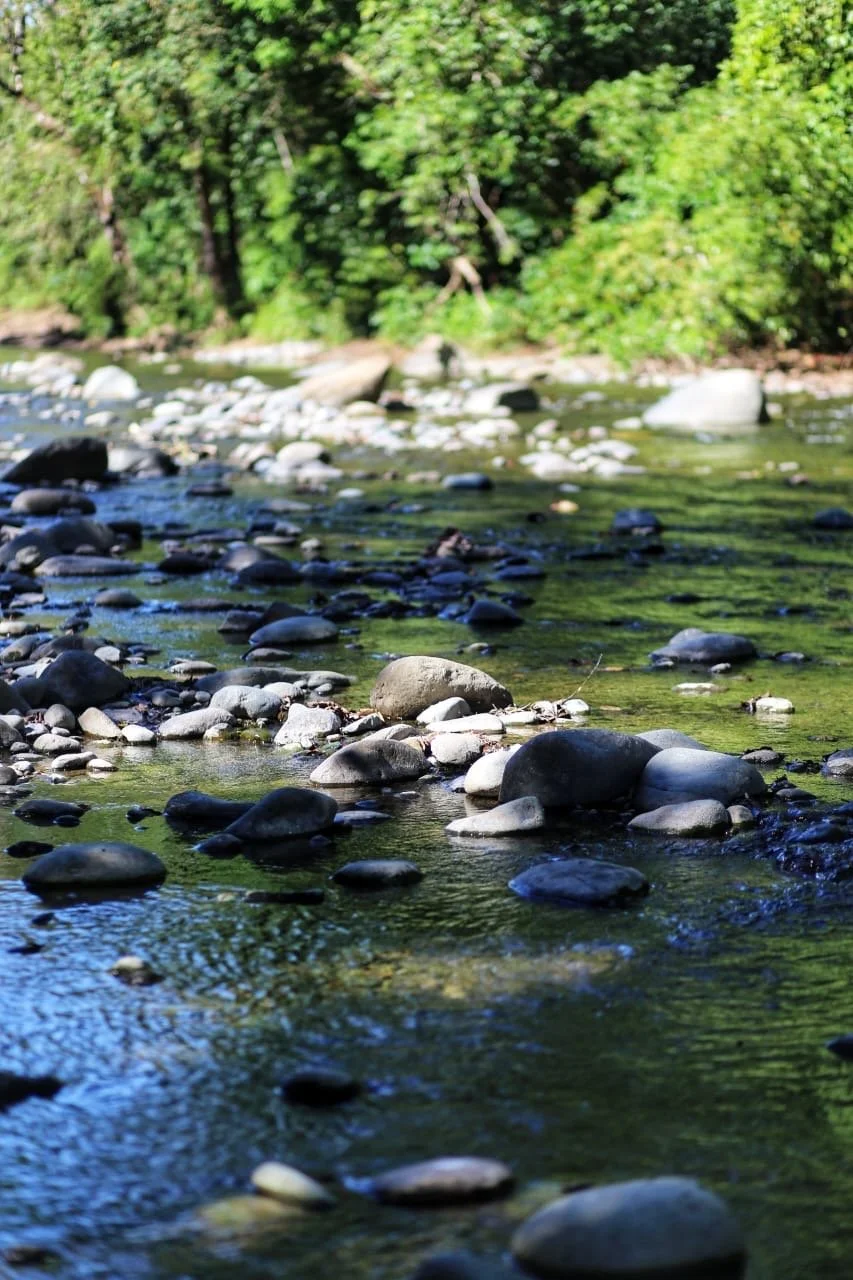
Certain environments in Panama are much more likely to have horseflies than others. They are most common in lowland tropical areas with standing water, wetlands, rivers, mangroves, and areas with livestock. Cattle farms are particularly attractive because horseflies naturally feed on large mammals. Areas around tropical rivers can also have more activity because their larvae develop in moist soil, mud, and wet environments. Travelers exploring places such as the lowland forests of Darién, remote river systems, coastal wetlands, and rural agricultural areas have a much higher chance of encountering them than someone walking through the streets of Panama City or exploring cooler mountain areas.
One interesting thing about Panama is that the country has enormous variation in climate and elevation, which strongly affects insect activity. In the humid lowlands, where temperatures are hot and the air is heavy with moisture, horseflies can sometimes be noticeably present. However, in cooler mountain environments such as the cloud forests around Boquete, Volcán, and areas like the Fortuna Forest Reserve near Lost and Found Hostel, they are usually much less of a problem. The cooler temperatures and frequent cloud cover make conditions less ideal for many horsefly species. A traveler hiking through a misty mountain forest is generally far more likely to encounter hummingbirds, frogs, butterflies, and other rainforest creatures than large numbers of horseflies.
Horseflies also have an interesting role in Panama's ecosystems. Although humans mostly notice them because of their bites, they are part of the natural food web. Adult horseflies feed on nectar and contribute to pollination, while their larvae play a role in breaking down organic material in wet environments. They also provide food for countless animals, including birds, frogs, spiders, dragonflies, and other insects. In a rainforest ecosystem, even annoying creatures have an important purpose.
Only female horseflies bite. Like mosquitoes, female horseflies require the nutrients found in blood to produce eggs. Male horseflies do not feed on blood and instead survive mainly by drinking nectar from flowers. This means that the large fly buzzing around you is not necessarily dangerous or aggressive by nature; it is simply following an ancient biological instinct needed for reproduction.
Avoiding horsefly bites in Panama is mostly about understanding their habits. Wearing light-colored clothing can help because horseflies are often attracted to darker objects. Long sleeves and long pants provide a physical barrier when exploring areas where they are common. Insect repellents that work well against mosquitoes may not always be as effective against horseflies because of their hunting style, but they can still provide some protection. Staying near moving air, such as a breeze or fan, can also help because horseflies are not strong flyers compared with many other insects. The best strategy is usually awareness: if you notice horseflies appearing, keep moving and avoid standing still in sunny, wet areas.
For backpackers exploring Panama, the reality is that horseflies are rarely a reason to avoid a destination. They are simply one small part of the tropical experience. A traveler who spends weeks exploring Panama may never be bitten, or they may receive one memorable reminder that they are truly in the rainforest. The same environments that attract horseflies also contain Panama's greatest treasures: hidden waterfalls, tropical birds, monkeys, sloths, jungle rivers, and some of the richest biodiversity on the planet.
In many ways, the tábano represents something fascinating about Panama itself. The country is wild, alive, and full of interactions between thousands of species. The occasional painful bite is simply a reminder that the rainforest is not a theme park; it is a living ecosystem where every creature has a role. Compared with the incredible experiences waiting in Panama's forests, beaches, mountains, and rivers, a few encounters with horseflies are a very small price to pay for exploring one of the most biologically diverse places on Earth.