
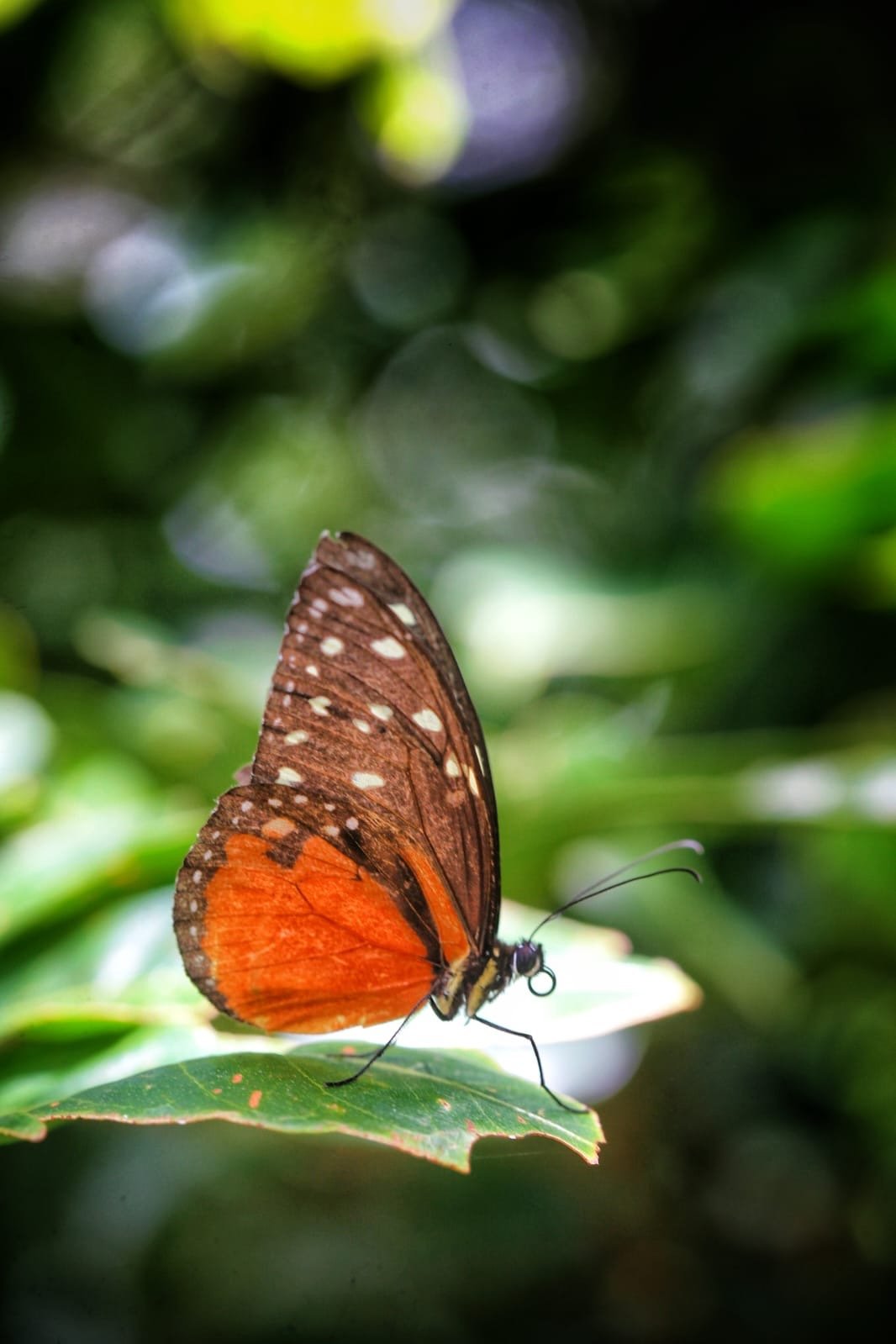
Few countries on Earth pack as much rainforest diversity into such a small area as Panama. Stretching barely 770 kilometres from east to west, this slender nation is a biological bridge between North and South America, where countless species of plants and animals have mingled for millions of years. Although most visitors simply refer to Panama as "a tropical rainforest country," the truth is far more fascinating. Panama is home to an astonishing variety of rainforest ecosystems, each with its own climate, wildlife, appearance and personality. There are steamy Caribbean lowland rainforests, misty cloud forests high in the mountains, flooded swamp forests, untouched wilderness in Darién, lush Pacific rainforests, mangrove forests hugging the coasts and even transitional forests that blur the boundary between rainforest and tropical dry forest. Together they create one of the richest natural landscapes in the Western Hemisphere.
Rainforests dominate much of Panama because of the country's tropical climate and abundant rainfall. Moisture carried by trade winds from the Caribbean rises over the country's mountains, cooling into clouds and producing rain that can fall for much of the year. Some regions receive over six metres of rainfall annually, creating ideal conditions for enormous trees, thick vines, giant ferns, orchids, bromeliads and a staggering diversity of wildlife. Scientists estimate that Panama contains more than 10,000 species of plants, around 1,000 species of birds, over 250 species of mammals, hundreds of reptiles and amphibians and countless millions of insects, many still waiting to be discovered.
The Caribbean Lowland Rainforests
The lush Caribbean side of Panama is perhaps the classic image most people imagine when they think of a tropical rainforest. Warm, humid and drenched in rain for much of the year, these forests rarely experience a true dry season. Massive buttressed trees rise more than fifty metres above the forest floor, while vines hang from the canopy like giant ropes. Every available surface seems covered with mosses, fungi, orchids or bromeliads. Rivers snake through the forest, creating countless habitats for fish, reptiles and amphibians.
This ecosystem extends across much of Bocas del Toro, the Caribbean slopes of Chiriquí, Colón Province and parts of the San Blas region. Wildlife thrives here. Three species of monkeys leap through the canopy, sloths spend their lives suspended upside down from branches, poison dart frogs display brilliant colours on the forest floor, while toucans, trogons and hummingbirds fill the air with colour and sound. Jaguars still roam some of the larger protected forests, although they remain extremely elusive.
The Cloud Forests
Perhaps Panama's most magical forests are its cloud forests. Unlike lowland rainforest, cloud forests occur at higher elevations where cool temperatures cause moisture to condense into near constant mist. Instead of towering trees with open trunks, cloud forests feel almost enchanted. Every branch is draped in moss, every tree trunk covered with ferns, and orchids bloom directly from the bark. The air is cool, damp and wonderfully fresh.
The best known cloud forests are found around Boquete, Cerro Punta, Volcán Barú, Santa Fe National Park and the Fortuna Forest Reserve, home to places like Lost and Found Hostel. Here visitors often hike through forests where the clouds drift between the trees, visibility changes by the minute and every turn reveals another spectacular vista. Birdwatchers travel from around the world hoping to see the resplendent quetzal, one of the most beautiful birds in the Americas. Hundreds of orchid species grow naturally here, alongside tree ferns that have survived since the age of dinosaurs.
Cloud forests may appear peaceful, but they are among the most biologically productive ecosystems on Earth. Because moisture comes not only from rainfall but also directly from passing clouds, these forests remain lush even during relatively dry periods. The mosses covering branches act like giant sponges, slowly releasing water into rivers and streams, making cloud forests incredibly important for Panama's freshwater supply.
The Pacific Rainforests
The Pacific side of Panama experiences a more pronounced dry season than the Caribbean, yet many areas still support magnificent rainforest. The forests surrounding Coiba National Park, the Azuero Peninsula's remaining protected areas and much of Veraguas demonstrate how Pacific rainforest adapts to seasonal rainfall while maintaining extraordinary biodiversity.
During the rainy season these forests explode with new growth. Rivers swell, waterfalls thunder through valleys and flowering trees attract countless birds and insects. During the dry season some tree species shed their leaves, allowing sunlight to reach the forest floor where new seedlings quickly emerge. This seasonal rhythm creates a constantly changing environment that supports an incredible variety of wildlife.
The Darién Rainforest
No rainforest in Panama inspires more awe than the legendary Darién. Covering southeastern Panama and extending into Colombia, the Darién Gap represents one of the largest remaining wilderness areas in the Americas. This vast rainforest is so rugged and remote that it famously interrupts the Pan American Highway, creating the only break in the road stretching from Alaska to Argentina.
The Darién is home to some of the greatest concentrations of wildlife in Central America. Jaguars, pumas, tapirs, giant anteaters, harpy eagles, scarlet macaws, crocodiles and countless monkey species inhabit its forests. Indigenous Emberá and Wounaan communities have lived within these forests for generations, maintaining deep knowledge of medicinal plants, hunting traditions and sustainable forest management.
Scientists continue discovering new species in Darién because so much of the region remains unexplored. Towering emergent trees rise above an almost impenetrable canopy, while countless rivers provide transportation through terrain that remains inaccessible by road.
The Mangrove Forests
Although many people overlook them, mangrove forests are a remarkable form of tropical rainforest. Found along both the Pacific and Caribbean coasts, these salt tolerant forests thrive where land meets the sea. Their tangled root systems stabilise coastlines, filter sediments and create nurseries for countless marine species.
Walking through a mangrove forest feels entirely different from hiking inland rainforest. Instead of towering mountain trees, twisted roots arch above muddy tidal flats. Crabs scurry between exposed roots, fish swim through flooded channels and countless birds feed in the shallow water. Crocodiles, caimans and even manatees occasionally inhabit these coastal ecosystems.
Panama possesses some of the largest mangrove forests in Central America, especially around the Gulf of Montijo, the Gulf of Chiriquí and Panama Bay. These forests play a crucial role in protecting coastal communities from storms while storing enormous amounts of carbon.
Swamp Forests and Flooded Rainforests
In some parts of Panama, rainforests spend weeks or even months partially underwater. These flooded forests have evolved remarkable adaptations. Trees develop specialised root systems capable of surviving saturated soils, while fish enter flooded forests during the rainy season to feed among submerged vegetation.
These ecosystems support species rarely encountered elsewhere, including river turtles, caimans, herons, kingfishers and countless amphibians. During the wet season, the boundary between river and forest almost disappears, creating one enormous aquatic landscape.
Transitional Rainforests
One of Panama's most fascinating forest types is the transitional rainforest. These forests occur where wet rainforest gradually changes into tropical dry forest. Instead of an abrupt change, nature creates a gradual blend in which species from both ecosystems coexist.
The result is an extraordinary diversity of plants. Massive rainforest trees may stand beside species normally associated with much drier climates. Wildlife also overlaps, allowing visitors to encounter animals typical of both environments within the same hike.
The Highland Oak Forests
Above the cloud forests lie Panama's unique high elevation oak forests. These cool forests are dominated by ancient oak species unlike those found in North America or Europe. They grow in the highest mountains, particularly around Volcán Barú.
Temperatures here can become surprisingly cool, especially at night. Moss blankets the ground, lichens coat every branch and many bird species occur nowhere else in the country. These forests form the transition between cloud forest and alpine grasslands near Panama's highest summit.
The Incredible Layers of a Rainforest
Every Panamanian rainforest shares a remarkable vertical structure. At the top stand the emergent trees, giants reaching sixty metres or more into the sky. Below lies the dense canopy where most rainforest animals spend their lives. Beneath that sits the understory, filled with smaller trees adapted to low light conditions. Finally comes the forest floor, surprisingly open but constantly enriched by fallen leaves that decompose with astonishing speed.
Each layer supports different communities of wildlife. Monkeys, toucans and sloths dominate the canopy. Snakes, frogs and insects occupy the understory. Armadillos, peccaries, agoutis and leaf cutter ants roam the forest floor. Above everything soar harpy eagles searching for prey among the treetops.
Rainforests as Living Water Factories
Panama's rainforests do far more than shelter wildlife. They are essential to the country's water supply. Trees capture rainfall, roots stabilise soil and the forest gradually releases water into rivers throughout the year. This process supplies drinking water for cities, irrigates agriculture and even helps operate the Panama Canal, whose locks require enormous quantities of freshwater every day.
Cloud forests are especially important because they harvest moisture directly from passing clouds. Even when rainfall decreases, water droplets condense on moss covered branches before dripping into streams below.
Where Visitors Can Experience Panama's Rainforests
Travelers can experience Panama's rainforests in many different ways. Soberanía National Park offers some of the world's finest birdwatching only a short distance from Panama City. Bocas del Toro combines rainforest with Caribbean beaches and mangrove islands. Boquete and the Fortuna Forest Reserve showcase cool cloud forests rich in orchids and quetzals. Coiba National Park protects Pacific rainforest alongside spectacular marine ecosystems. Santa Fe National Park remains one of Panama's least visited wilderness areas, while the legendary Darién rewards adventurous travelers with one of the last great rainforests in the Americas.
Perhaps the most remarkable aspect of Panama is that within a single week a traveler can explore steamy Caribbean jungle, hike through mist covered cloud forests, paddle through mangrove channels, visit flooded swamp forests, climb ancient oak forests near Volcán Barú and stand at the edge of one of the greatest wildernesses on Earth in the Darién. Few countries offer such extraordinary rainforest diversity in such a compact area.
Panama's rainforests are far more than collections of trees. They are ancient living worlds where evolution has been unfolding for millions of years. They regulate climate, protect rivers, sustain Indigenous cultures, support incredible wildlife and inspire everyone fortunate enough to walk beneath their towering green canopies. Whether you come for birdwatching, hiking, wildlife photography, scientific discovery or simply the unforgettable experience of standing in a cathedral of giant trees alive with the sounds of tropical nature, Panama's many rainforests reveal why this small nation ranks among the world's greatest biodiversity hotspots.