
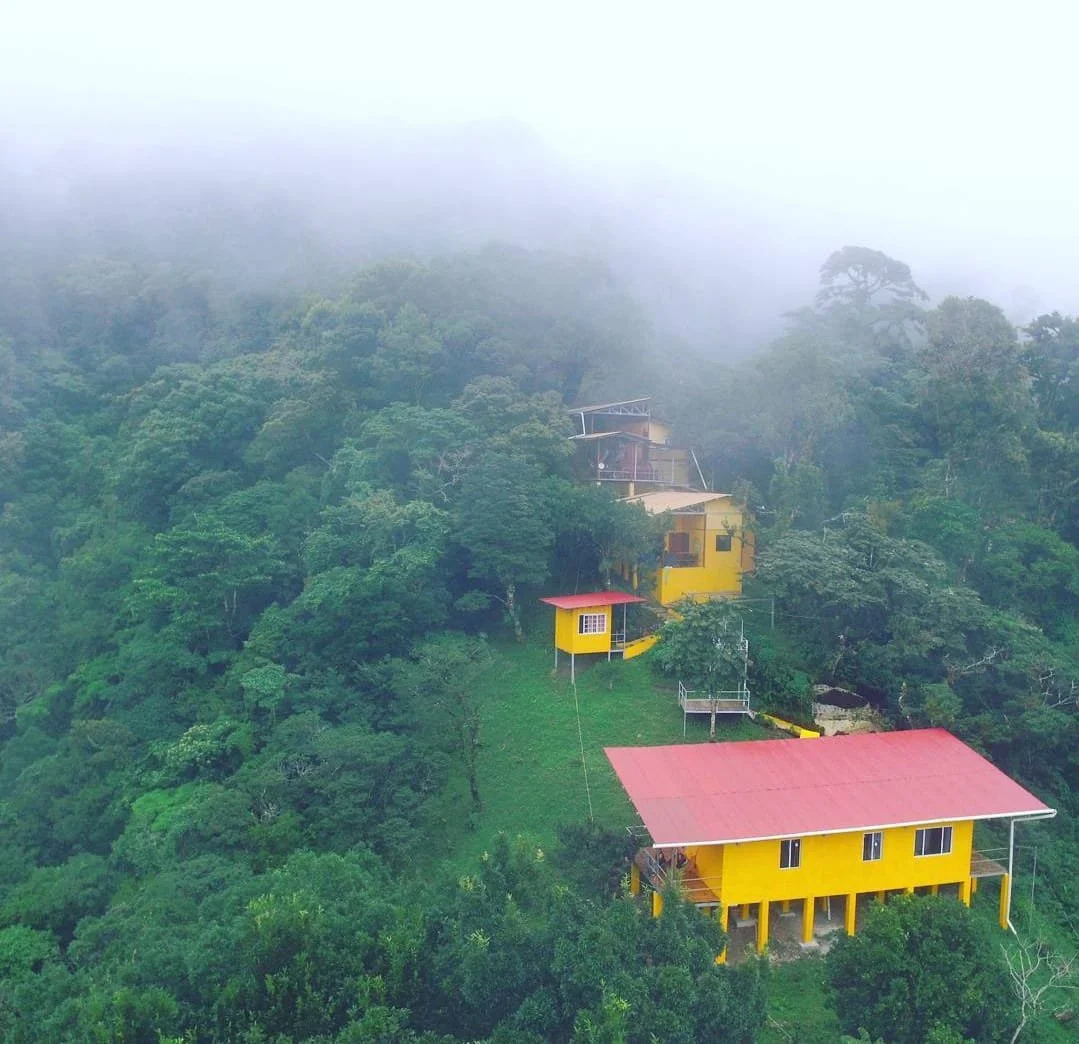
Panama is one of the most underrated backpacking destinations in the Americas. Overshadowed by neighbors like Costa Rica and Colombia, it often slips beneath the radar of many travelers. Yet those who decide to explore this small country usually leave wondering why they did not come sooner. Panama combines lush rainforests, misty cloud forests, white sand Caribbean islands, Pacific surf towns, Indigenous cultures, world-class wildlife, modern cities, active volcanoes, and surprisingly efficient transportation into one compact destination. Better still, it can be explored on a backpacker's budget if you know a few insider tricks.
The difference between an average trip and an unforgettable adventure often comes down to local knowledge. Experienced backpackers know that the cheapest options are rarely the most obvious, the best places are often hidden away from the crowds, and flexibility can save hundreds of dollars over the course of a journey. Panama rewards travelers who slow down, ask questions, and are willing to venture beyond the standard tourist trail.
One of the biggest secrets is to travel slowly. Many visitors try to see the entire country in a week, rushing from Panama City to San Blas, then to Boquete, Bocas del Toro, Santa Catalina, and back again. They spend more money on transportation, experience more stress, and actually enjoy each destination less. Backpackers who stay three or four nights in each place often discover hidden cafés, quiet hiking trails, local festivals, and friendships that simply cannot happen during a one-night stop.
Transportation is one of the easiest ways to save money. Panama's public bus system is excellent compared with many countries in the region. Comfortable long-distance coaches connect Panama City with David, Santiago, Penonomé, Almirante, and many other towns for a fraction of the cost of private shuttles. Local buses reach surprisingly remote villages, beaches, and mountain communities. They may take a little longer, but they also provide a much more authentic experience and allow travelers to interact with local people.
Many first-time visitors immediately book expensive tourist shuttles because they appear easier. Experienced backpackers often do the opposite. They ask hostel staff which public buses to take, where to change buses, and what time the first departures leave. In many cases, they arrive at exactly the same destination while spending only a small fraction of the price.
Another excellent strategy is to travel early in the day. Morning buses are generally less crowded, temperatures are cooler, and if something unexpected happens, there is still plenty of daylight to solve the problem. Arriving before dark also makes finding accommodation much easier, especially in smaller towns.
Accommodation offers another opportunity to stretch your budget. Dormitories remain the cheapest option, but not all hostels are equal. Rather than automatically booking the lowest price online, experienced backpackers read reviews carefully. A hostel that costs only a few dollars more may include breakfast, coffee, kitchen facilities, hiking trails, activities, or free transportation that ultimately saves far more than the difference in price.
One overlooked trick is simply asking whether discounts are available for longer stays. Many hostels quietly offer reduced weekly or monthly rates that are not always advertised online. If you enjoy a place, it never hurts to politely ask whether there is a better price for staying an extra few nights.
Cooking your own meals is another major money saver. Panama's supermarkets are generally well stocked, and local produce markets are filled with fresh tropical fruits, vegetables, rice, beans, eggs, and bread at reasonable prices. Preparing breakfast and a few dinners each week can significantly reduce travel expenses while introducing you to local ingredients.
Markets themselves are among the country's hidden treasures. Rather than shopping exclusively at large supermarkets, visit municipal markets where local farmers sell bananas, pineapples, papayas, mangoes, avocados, yuca, plantains, and vegetables. Prices are often lower, quality is excellent, and you support local producers directly.
One insider trick that experienced travelers use everywhere is asking local people where they eat. Tourist restaurants often occupy the busiest streets, while the best value is frequently found a block or two away in small family-run fondas. These simple eateries serve generous portions of traditional Panamanian food at prices that are often less than half those charged by restaurants aimed primarily at tourists.
Don't underestimate the value of talking with hostel staff. Receptionists often know about waterfalls that do not appear on Google Maps, free viewpoints, local festivals, hidden swimming holes, and inexpensive transport options that guidebooks overlook. They also know which activities are worth the money and which are overpriced.
One of Panama's greatest advantages is its incredible biodiversity. Many of the country's finest attractions cost very little. Hiking through cloud forests, watching monkeys swing through the trees, spotting toucans at sunrise, swimming beneath waterfalls, relaxing on quiet beaches, and watching spectacular sunsets are often inexpensive or completely free.
National parks deserve special attention. While some charge modest entrance fees, they provide access to extraordinary wildlife and scenery that would cost far more elsewhere in the world. Arriving early in the morning not only avoids the hottest part of the day but also greatly increases your chances of seeing animals such as sloths, monkeys, coatis, agoutis, toucans, and countless tropical birds.
Panama's weather also influences travel costs. The busiest periods include Christmas, New Year, Carnival, Easter, and local holidays when accommodation fills quickly and prices may increase. Traveling during quieter months often means lower prices, fewer crowds, and a more relaxed atmosphere. The rainy season should not automatically discourage travelers either. Rain often falls only for a few hours in the afternoon, leaving mornings beautifully clear.
Many backpackers overlook Panama's coffee-growing highlands. Towns such as Boquete and Volcán receive much of the attention, but smaller communities nearby often offer equally beautiful scenery with fewer visitors. Hiking trails, rivers, waterfalls, and coffee farms can sometimes be explored almost entirely alone.
The Caribbean coast hides countless surprises as well. While destinations like Bocas del Toro attract international attention, smaller beaches and islands nearby often remain peaceful. Renting a bicycle, taking a local water taxi, or simply asking residents about their favorite beaches frequently leads to unforgettable discoveries.
Perhaps the greatest insider trick is learning a little Spanish. You do not need to become fluent. Even basic greetings, simple questions, and polite expressions open doors that remain closed to many tourists. Local people often become more willing to recommend hidden places, explain bus routes, suggest restaurants, or share interesting stories when visitors make the effort to speak their language.
Flexibility is another powerful travel skill. Some of the best experiences happen unexpectedly. You might hear about a village festival, discover a jungle swimming hole, join fellow backpackers on an unplanned hike, or decide to spend another week in a place you originally intended to visit for only two days. Leaving room in your itinerary allows these opportunities to happen naturally.
Backpackers also learn to carry cash, especially when traveling outside major cities. Although cards are widely accepted in Panama City and many tourist destinations, smaller towns, local buses, markets, and rural restaurants often operate on cash only. Having small bills makes everyday purchases much easier.
Packing wisely also saves money. Panama's tropical climate means lightweight clothing dries quickly after washing, allowing you to pack less. Carrying a refillable water bottle, reusable shopping bag, rain jacket, headlamp, sandals, and a lightweight microfiber towel eliminates the need to buy these items later.
Many experienced travelers avoid booking every hostel weeks in advance. Outside major holidays, Panama usually offers enough accommodation that you can remain flexible. This allows you to extend your stay if you fall in love with a destination or leave earlier if it does not suit your interests.
One often overlooked secret involves simply waking up early. Sunrise is when wildlife is most active, temperatures are pleasant, buses are quieter, beaches are nearly empty, and photographers enjoy the best light. By midday, many attractions become much busier. Early risers consistently experience a different side of Panama.
Respecting local culture also enhances your experience. Smile, greet people politely, ask before photographing individuals, support locally owned businesses, and remain patient if things move more slowly than expected. Panama has a relaxed rhythm of life, and embracing that pace often leads to richer travel experiences.
Perhaps the greatest hidden gem in Panama is not a specific beach, waterfall, or mountain. It is the realization that the country's greatest moments are often the simplest. Watching hummingbirds while drinking locally grown coffee. Swimming beneath a jungle waterfall after a long hike. Sharing stories with travelers from around the world in a hostel common area. Taking a local bus through landscapes you never expected to see. Watching the sunset from a quiet beach with almost nobody else around.
Experienced backpackers understand that collecting experiences matters far more than collecting expensive tours. They know that curiosity, flexibility, patience, and conversation often lead to adventures that cannot be purchased. Some of the most memorable places are never listed among the "top ten attractions." They are found by following recommendations from local people, taking an unexpected side road, or saying yes to an invitation from fellow travelers.
Panama is perfectly suited to this style of travel. It is compact enough that you can explore a remarkable variety of landscapes without spending weeks on buses. One day you can be surrounded by skyscrapers in Panama City. A few days later you may be hiking through cloud forests beneath towering trees. Soon after, you could be relaxing on a Caribbean island or watching humpback whales along the Pacific coast during migration season.
For backpackers willing to travel with an open mind, Panama offers far more than famous landmarks. It rewards curiosity, kindness, and adventure. Learn a little Spanish, use the public buses, shop at local markets, stay a little longer than planned, wake up early, talk to local people, and never be afraid to explore beyond the obvious. Those simple insider tricks are often the difference between merely visiting Panama and truly experiencing it.
Long after the trip is over, you may not remember every bus ride or every hostel dormitory. What you will remember are the hidden waterfalls, the unexpected wildlife encounters, the conversations with strangers who became friends, the incredible sunsets, and the quiet moments that reminded you why backpacking remains one of the most rewarding ways to discover the world. In Panama, those unforgettable moments are everywhere, you simply need to know where, and how, to look.