
Panama is one of the most underrated backpacking destinations in the world. Sitting between Costa Rica and Colombia, this small but incredibly diverse country offers an unbelievable amount of adventure packed into a relatively compact area. Many travelers first think of Panama as only a place to see the Panama Canal, catch a connecting flight, or spend a few days before moving on to another country in Central or South America. However, backpackers who take the time to explore discover a country filled with some of the most rewarding travel experiences in the Americas. Panama combines everything that makes backpacking exciting: Caribbean islands with crystal-clear water, wild tropical jungles, misty cloud forests, volcanoes, indigenous cultures, world-class surfing beaches, incredible wildlife, affordable local transportation, welcoming communities, and a growing network of hostels where travelers from around the world meet and share adventures.
One of the biggest questions backpackers ask before visiting Panama is how long they actually need to see the country’s famous highlights. While it is technically possible to see a few major destinations in one week, most travelers find that they are constantly rushing and spending more time on buses than actually enjoying the country. The average backpacker who wants to experience the classic Panama route usually spends between two and three weeks in the country. Around three weeks is considered the ideal amount of time because it allows travelers to visit Panama City, explore the Caribbean islands, experience the mountains of Chiriquí, hike through cloud forests, relax on Pacific beaches, and enjoy the famous backpacker destinations without feeling like every day is just another transportation day. Travelers who have more time often stay a month or longer because Panama is a country where slowing down greatly improves the experience. The distances may look short on a map, but the real beauty comes from spending time in each place, meeting locals, discovering hidden trails, and allowing the tropical lifestyle to take over.
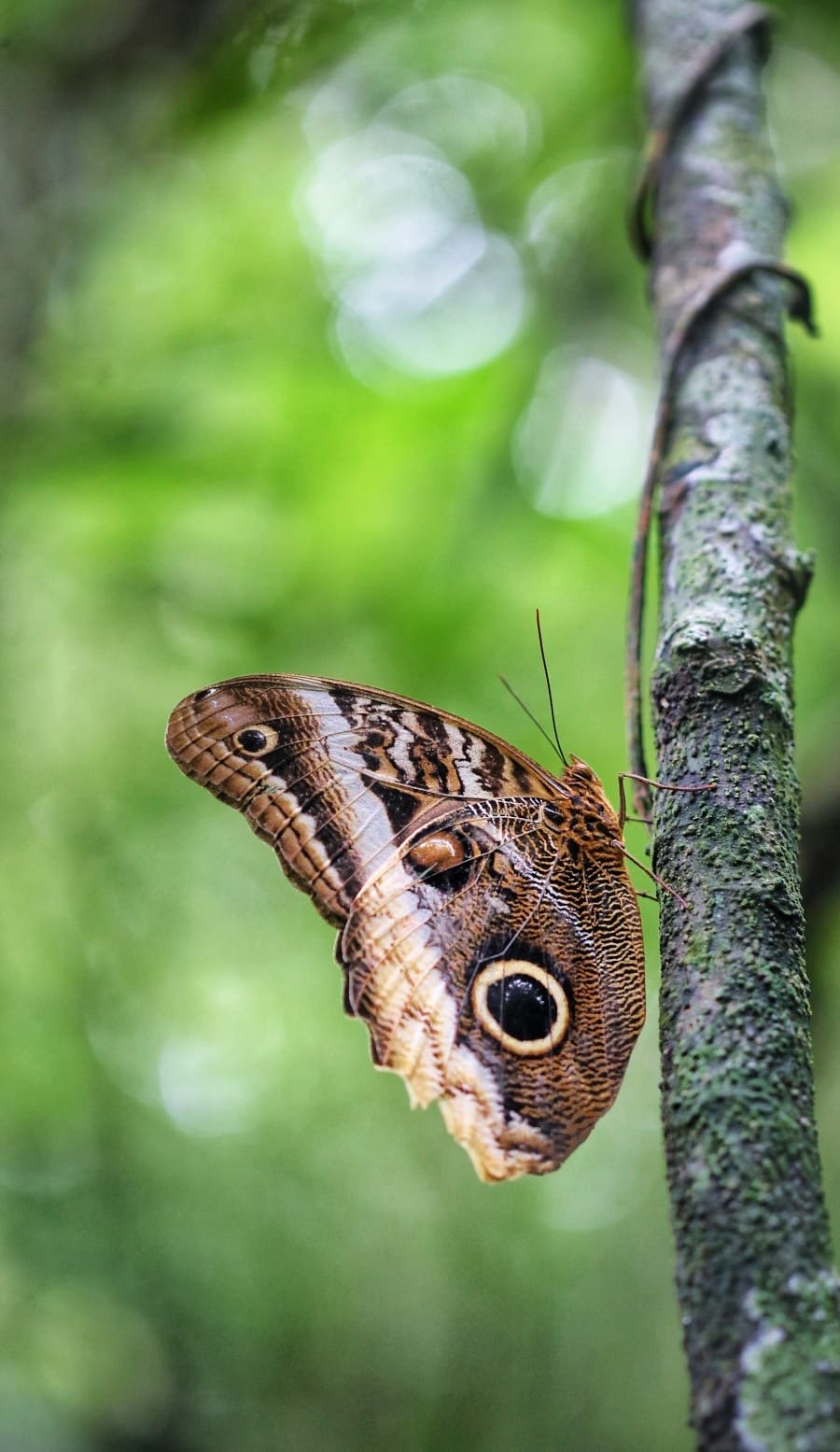
Panama is especially attractive for backpackers because it offers an incredible variety of landscapes within a relatively small country. A traveler can begin the morning surrounded by skyscrapers in Panama City, spend the afternoon walking through a rainforest full of monkeys and tropical birds, and then be relaxing on a Caribbean island a few days later. Few countries offer such a dramatic change of scenery so quickly. Panama has the Caribbean coast with its islands and coral reefs, the Pacific coast with surfing villages and dramatic sunsets, the mountain highlands with cool temperatures and cloud forests, and enormous areas of rainforest where wildlife still thrives. For nature lovers, Panama feels like a living adventure park, with sloths, monkeys, toucans, frogs, butterflies, dolphins, whales, and thousands of other species found throughout the country.
Most backpackers begin their journey in Panama City because it is the main transportation hub and the easiest place to enter the country. Although some travelers only stay one night before heading elsewhere, Panama City deserves more attention. It is one of the most unique capitals in Latin America because it combines modern skyscrapers, historic neighborhoods, tropical forests, and one of the greatest engineering achievements in human history: the Panama Canal. The historic neighborhood of Casco Viejo gives visitors a glimpse into colonial Panama, with colorful buildings, old churches, plazas, restaurants, and rooftop views overlooking the modern skyline. The Panama Canal itself is an essential experience because it shows how this small country became one of the most strategically important places on Earth. Beyond the city’s famous attractions, backpackers are often surprised that nature is incredibly close. Metropolitan Natural Park, located just minutes from downtown, offers trails where visitors can see monkeys, birds, butterflies, and tropical plants. Most backpackers spend around two or three days in Panama City before beginning their journey into the rest of the country.
One of the most unforgettable experiences for backpackers is visiting the San Blas Islands, also known as Guna Yala. This Caribbean paradise consists of hundreds of islands scattered across turquoise waters and is home to the Guna Indigenous people, who maintain their own culture, traditions, and autonomous territory. The San Blas experience is different from a typical luxury island vacation because many accommodations are simple and rustic. Electricity may be limited, internet access can be unreliable, and visitors often stay in basic cabins or traditional island lodgings. However, this simplicity is exactly what makes the experience so special. Backpackers spend their days swimming in crystal-clear water, visiting tiny islands covered with palm trees, snorkeling around coral reefs, learning about Guna culture, and experiencing one of the most beautiful coastal environments in the world. Most travelers spend between two and four days in San Blas, although many wish they had stayed longer because the peaceful island lifestyle can be difficult to leave.
After the Caribbean, many backpackers head toward Panama’s Pacific coast, where destinations like Santa Catalina offer a completely different experience. Santa Catalina was once a quiet fishing village but has become internationally known among surfers, divers, and adventure travelers. The town maintains a relaxed atmosphere, with dirt roads, small restaurants, surf shops, and beautiful beaches surrounded by tropical landscapes. The biggest attraction is access to Coiba National Park, one of the most important marine ecosystems in the world. The waters around Coiba are famous for incredible marine life, including sharks, rays, turtles, dolphins, and enormous schools of fish. Backpackers come to Santa Catalina to surf, dive, snorkel, explore beaches, and enjoy spectacular Pacific sunsets. Many travelers spend three to five days here because the atmosphere encourages relaxation. It is the kind of place where people arrive planning to stay a few nights and end up extending their trip because they enjoy the peaceful lifestyle.
From the coast, many backpackers travel into the mountains of western Panama to visit Boquete, one of the country’s most famous destinations. Located in the highlands of Chiriquí, Boquete feels completely different from the tropical beaches. The climate is cooler, the landscape is covered with green mountains, and the surrounding forests are filled with waterfalls, coffee plantations, and hiking trails. Boquete is especially popular among travelers who enjoy outdoor activities because it offers some of Panama’s best mountain adventures. Visitors can hike through cloud forests, explore coffee farms, visit waterfalls, go bird watching, and challenge themselves by climbing Volcán Barú, the highest mountain in Panama. The sunrise from the summit of Volcán Barú is legendary because on clear days it is possible to see both the Pacific Ocean and Caribbean Sea from the same viewpoint. Most backpackers spend three to five days in Boquete because the surrounding area offers so many activities.
One of the most unique backpacker experiences in Panama is staying in the cloud forests surrounding the Fortuna Forest Reserve. These forests are completely different from the hot lowland jungles and beaches. The air is cooler, mist hangs between ancient trees, and the forest feels almost mysterious. Backpackers who choose jungle hostels and eco-lodges often describe the experience as one of the highlights of their entire trip. Instead of simply visiting nature for a few hours, they wake up surrounded by rainforest, hike hidden trails, search for wildlife, swim in waterfalls, and experience the sounds of the jungle at night. Panama’s cloud forests are among the most biologically rich environments on Earth, containing rare birds, amphibians, insects, orchids, and mammals. For many travelers, these places provide the feeling of true adventure that they were searching for when they began backpacking.
No Panama backpacking route would be complete without visiting Bocas del Toro, the country’s most famous backpacker destination. Located on the Caribbean coast near the border with Costa Rica, Bocas combines beaches, islands, nightlife, adventure, and a strong international traveler community. The main town on Isla Colón has hostels, restaurants, bars, and tour operators, creating an easy place for backpackers to meet other travelers. The surrounding islands offer everything from quiet beaches and snorkeling spots to jungle trails and wildlife encounters. Bocas is famous for its relaxed Caribbean atmosphere, where days often begin slowly with coffee on the waterfront and end with travelers from around the world sharing stories at sunset. Many backpackers spend four to seven days in Bocas because it is one of those places where leaving can be surprisingly difficult.
For travelers who want to experience the classic highlights of Panama, a three-week itinerary is usually the perfect balance. This amount of time allows enough space to enjoy Panama City, explore San Blas, relax in Santa Catalina, discover the mountains around Boquete, experience the cloud forests, and finish in Bocas del Toro. A two-week trip is still possible, but travelers will need to move faster and make difficult choices about what to include. A one-week trip can introduce someone to Panama, but it will only reveal a small part of what the country offers. A month or longer allows a completely different style of travel, where visitors can explore smaller villages, spend more time hiking, learn Spanish, volunteer, surf, dive, and discover places that most tourists never see.
Compared with some other Central American countries, Panama is not the cheapest backpacking destination, but it remains very manageable for budget travelers. Dorm beds usually range from around $10 to $20 per night, local meals can often be found for a few dollars, and buses provide affordable transportation between many destinations. A backpacker traveling carefully can often enjoy Panama on a budget of around $35 to $60 per day, depending on accommodation choices, activities, and how often they participate in tours. The biggest expenses usually come from adventure activities such as diving, San Blas tours, and national park excursions, but many of Panama’s greatest experiences, including hiking, beaches, wildlife watching, and exploring local communities, are inexpensive or free.
The best time to backpack Panama depends on what type of experience a traveler wants. The dry season, generally from December through April, is the most popular because there is less rainfall and conditions are ideal for beaches, hiking, and transportation. However, the rainy season from May through November also has many advantages. The forests become incredibly green, waterfalls are more powerful, wildlife is active, and there are fewer tourists. Experienced backpackers often enjoy traveling during this period because Panama feels more authentic and less crowded.
The true magic of backpacking Panama is not only found in famous destinations. It is found in the moments between them. It is the conversation with a local passenger on a long bus ride through the mountains. It is discovering a hidden waterfall after following a jungle trail. It is watching a sunset with strangers who become friends. It is hearing frogs and insects during a night walk through the rainforest. It is sharing stories with other backpackers in a remote hostel surrounded by nature. Panama rewards travelers who slow down and allow unexpected experiences to happen.
For most backpackers, three weeks is the ideal amount of time to experience Panama’s greatest highlights. It provides enough time to see the famous destinations while still allowing room for adventure, relaxation, and discovery. But many travelers who arrive for three weeks end up wishing they had more time, because Panama has a special ability to turn a simple trip into a deeper connection with its landscapes, people, wildlife, and culture. It is a country where two oceans meet, where jungles grow beside cities, where mountains rise above beaches, and where every road seems to lead toward another unforgettable adventure.