
Panama may appear small on a world map, but it is one of the most extraordinary countries on Earth. Stretching just over 750 kilometers (466 miles) from east to west, this tropical nation connects North and South America while separating the Atlantic Ocean from the Pacific Ocean by only a few dozen kilometers in places. It is a country where giant cargo ships cross continents through the engineering marvel of the Panama Canal, where wild rainforests hide jaguars and harpy eagles, where crystal clear Caribbean islands seem untouched by time, and where modern skyscrapers rise beside centuries old colonial streets.
For travelers, Panama offers something surprisingly rare. It combines outstanding biodiversity, modern infrastructure, political stability, friendly people, and relatively easy transportation into one compact destination. Unlike many countries where traveling from one major attraction to another requires exhausting days of driving, Panama allows visitors to experience beaches, volcanoes, cloud forests, coffee plantations, Indigenous cultures, coral reefs, waterfalls, and bustling cities all within a relatively short journey.
One of the country's greatest strengths is its incredible diversity. In the morning you can watch the sunrise over the Caribbean Sea. By afternoon you can stand high in a cool mountain cloud forest surrounded by orchids and hummingbirds. By evening you can watch the sunset over the Pacific Ocean. Very few places in the world allow such dramatic changes of scenery in a single day.
The Panama Canal remains the country's defining landmark. Opened in 1914 after one of history's greatest engineering achievements, the canal transformed international trade forever. Thousands of ships carrying everything from cars to coffee, bananas to electronics, save weeks of travel by crossing Panama instead of sailing around South America. Standing beside the locks as enormous container ships quietly rise and fall with the water is an unforgettable experience. It is difficult not to appreciate the sheer scale of human ingenuity involved.
Yet despite the canal's worldwide fame, much of Panama remains wonderfully wild. More than half of the country is still covered by forests, many protected within national parks and reserves. Panama contains over 1,000 bird species, more than the United States and Canada combined. Birdwatchers travel from every corner of the world hoping to spot the magnificent harpy eagle, colorful toucans, resplendent hummingbirds, scarlet macaws, motmots, tanagers, and dozens of species found nowhere else.
Wildlife lovers quickly discover that Panama is full of surprises. White faced capuchin monkeys swing through the trees while howler monkeys announce sunrise with calls that can be heard for kilometers. Sloths move silently among the canopy. Coatis search forest floors for insects while agoutis gather fallen fruit. Lucky visitors may glimpse tapirs, anteaters, armadillos, peccaries, kinkajous, ocelots, or even the elusive jaguar deep within protected forests. At night, frogs begin singing, insects fill the air with sound, and creatures hidden during daylight emerge to hunt.
The country also boasts remarkable marine life. Both the Pacific and Caribbean coasts offer world class snorkeling and diving. Sea turtles nest on remote beaches. Dolphins regularly accompany boats. Humpback whales migrate through Panamanian waters every year, providing spectacular opportunities for whale watching. Coral reefs shelter countless tropical fish, rays, octopuses, and colorful marine invertebrates.
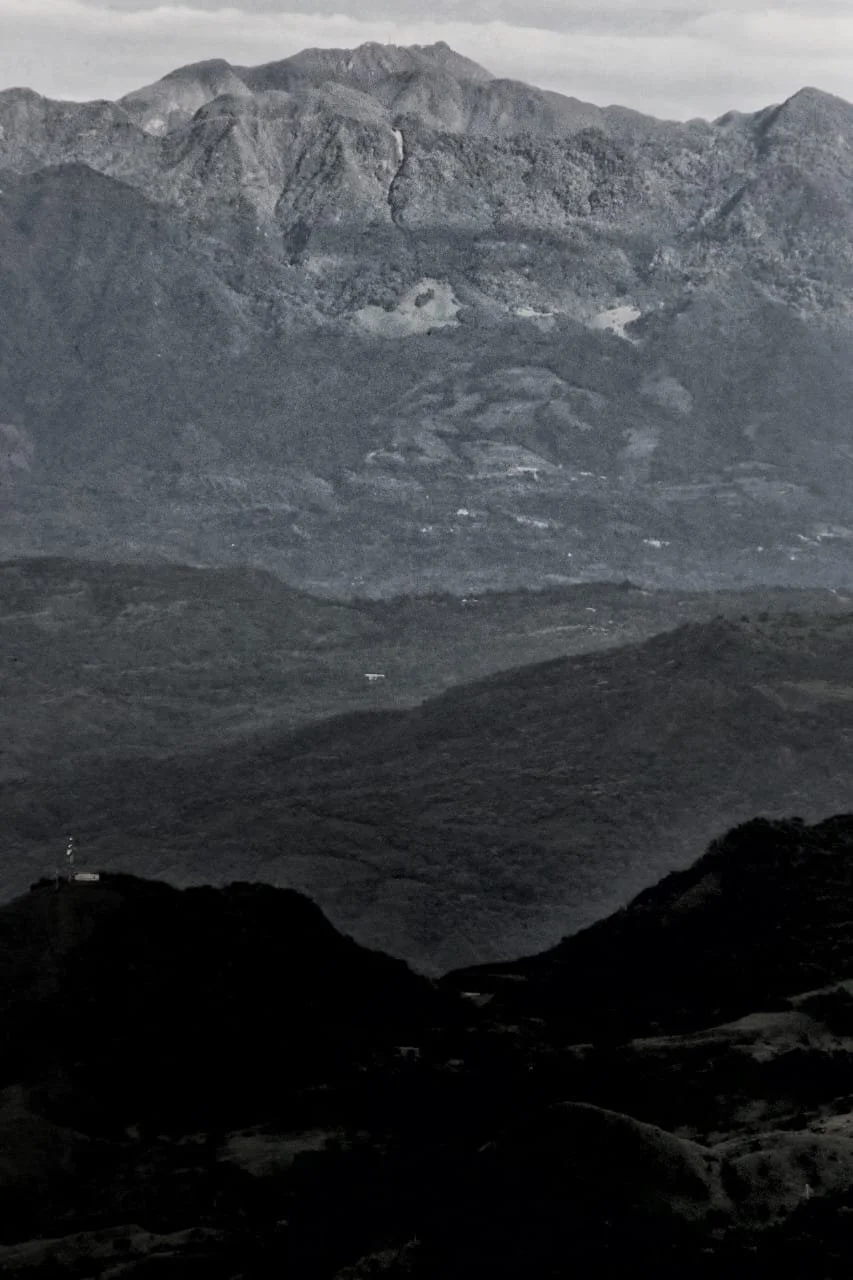
Panama's geography creates dramatically different climates within surprisingly short distances. Along the Caribbean coast, warm tropical rain showers keep forests lush throughout much of the year. Inland mountains create cool cloud forests where mist drifts through ancient trees covered in moss, bromeliads, and orchids. The Pacific side often experiences a more pronounced dry season with golden grasslands, sunny beaches, and beautiful sunsets.
One of Panama's greatest treasures is its people. Modern Panama is a blend of Indigenous cultures, Spanish heritage, Afro Caribbean traditions, and influences from around the globe brought by centuries of international trade. This mixture is reflected in the country's food, music, festivals, architecture, and everyday life. Visitors often comment on the friendliness of Panamanians, who are generally welcoming and patient with foreign travelers attempting to speak Spanish.
Food in Panama reflects this diversity. Fresh seafood is abundant along both coasts. Tropical fruits such as mangoes, pineapples, papayas, passion fruit, guanábana, coconuts, and bananas grow throughout the country. Traditional dishes include hearty stews, rice with beans, fried plantains, ceviche, fresh fish, tamales, and countless regional specialties. Coffee lovers quickly discover why Panamanian coffee has become famous worldwide. The highlands around Boquete produce some of the world's finest coffee, including the legendary Geisha variety, which has repeatedly broken international auction price records.
Adventure opportunities seem endless. Hiking trails climb volcanic peaks and disappear into ancient cloud forests. Rivers provide rafting and canyoning adventures. The Pacific coastline offers surfing for beginners and professionals alike, while calm Caribbean waters are perfect for kayaking and paddleboarding. Zip lines fly through forest canopies, and hidden waterfalls reward adventurous explorers willing to venture off the beaten path.
For backpackers, Panama is especially rewarding because transportation is generally straightforward. Frequent buses connect major towns, while countless hostels create opportunities to meet travelers from around the world. Places such as Boquete, Santa Catalina, El Valle de Antón, Bocas del Toro, Santa Fe, Pedasí, and the remote mountain jungles of Chiriquí each provide completely different experiences despite being located within the same country.
Panama City often surprises first time visitors. Its skyline rivals much larger cities, filled with gleaming skyscrapers overlooking the Pacific Ocean. Yet only minutes away lies Casco Viejo, where cobblestone streets wind between beautifully restored colonial buildings, churches, plazas, rooftop restaurants, and historic ruins. Even more remarkably, tropical rainforest begins just outside the city, making Panama City one of the few world capitals where monkeys, toucans, and sloths can still be found nearby.
Perhaps Panama's greatest strength is that it still feels authentic. While tourism continues to grow, many destinations remain peaceful compared to heavily visited tropical countries. Visitors often find themselves sharing empty beaches with only seabirds, hiking rainforest trails without seeing another person, or enjoying conversations with locals in small mountain villages where tourism remains secondary to everyday life.
The rhythm of life here encourages people to slow down. Time is measured less by deadlines and more by sunsets, rainstorms, wildlife sightings, conversations over coffee, and afternoons spent beside rivers or beneath swaying palm trees. It is a place where nature remains central to everyday life rather than simply something preserved behind fences.
Whether you come for the engineering wonder of the Panama Canal, the untouched Caribbean islands, the cool mountain coffee farms, the spectacular wildlife, the endless hiking trails, or simply the warmth of its people, Panama has a remarkable ability to exceed expectations. Many travelers arrive planning to stay for a week or two, only to discover that this narrow strip of land between two oceans contains enough beauty, adventure, and diversity to fill months of exploration.
Panama is far more than a country connecting continents. It is a meeting place of oceans, cultures, climates, ecosystems, and histories. It is a nation where the modern world and the natural world exist side by side in remarkable harmony. Those who visit often leave with memories of misty forests, brilliant tropical birds, island sunsets, fresh coconuts, mountain coffee, and the realization that one of the world's most fascinating destinations has quietly existed all along, waiting to be explored.