
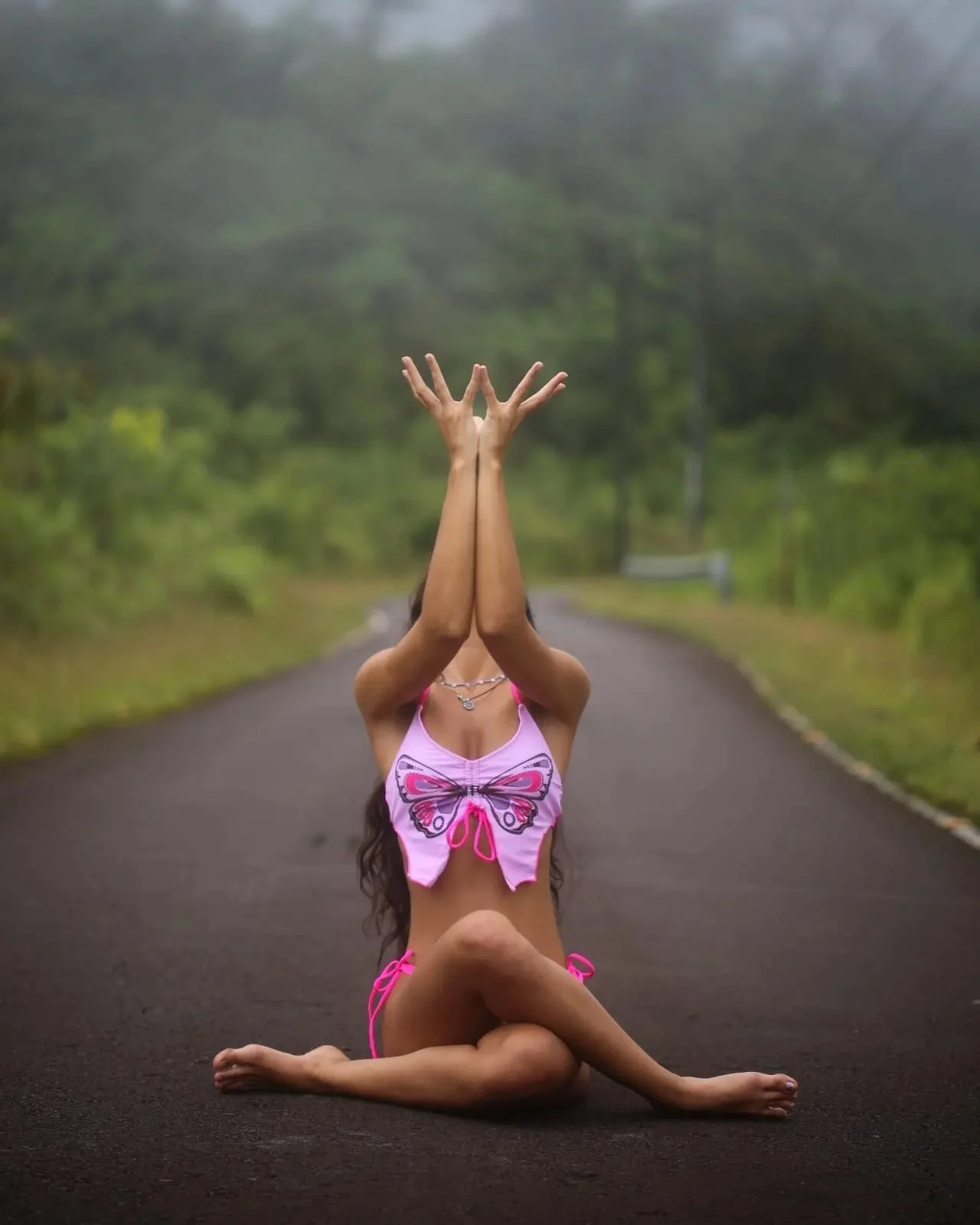
If you have never stayed in a hostel before, you probably have a picture in your mind of what one looks like. Perhaps you imagine crowded dorm rooms full of 18-year-old students on gap years, loud parties that continue until sunrise, and travelers who have just enough money for a bowl of instant noodles and a bus ticket to the next destination. While that image may occasionally exist in certain places around the world, it is far from the complete story in Panama. In reality, Panama's backpacking scene is one of the most diverse in Central America, attracting adventurous travelers from nearly every continent and from almost every stage of life. The country's unique combination of tropical beaches, cloud forests, volcanoes, wildlife, Indigenous cultures, surfing, scuba diving, coffee plantations, and modern infrastructure appeals to a much wider audience than many people expect. The average backpacker in Panama today is not simply a teenager looking for a cheap place to sleep. Instead, the typical hostel is filled with people who have very different backgrounds, careers, budgets, and reasons for traveling, all brought together by a shared curiosity to explore one of the most underrated countries in the Americas.
The honest truth is that the largest group of backpackers staying in Panamanian hostels is generally between 22 and 35 years old. If you walked into a hostel common room almost anywhere in the country, whether in Panama City, Boquete, Santa Catalina, Bocas del Toro, or deep in the mountains of Chiriquí, this is probably the age range you would encounter most often. These travelers have often finished university, worked for several years, saved money, and finally decided to take the trip they had been dreaming about. Others work remotely as digital nomads, carrying nothing more than a backpack and a laptop while moving from country to country. Some are taking career breaks, while others are spending several months exploring Latin America before returning home. They are generally interested in much more than nightlife. They want to hike volcanoes, photograph tropical birds, snorkel over coral reefs, watch monkeys swinging through rainforest canopies, visit coffee farms, explore hidden waterfalls, and meet people from around the world. This age group has become the heart of Panama's backpacking community because the country offers exactly the kind of adventure they are looking for.
That said, one of the biggest misconceptions about backpacking is that it belongs exclusively to young adults. Spend more than a few days in Panama, and you will quickly realize that this stereotype simply no longer matches reality. It is increasingly common to meet travelers in their late thirties, forties, fifties, sixties, and even seventies staying in hostels. Some have retired early and are finally taking the world trip they always promised themselves. Others have built careers that allow them to work remotely while traveling. Some are couples rediscovering adventure after their children have grown up, while others are solo travelers proving that curiosity does not disappear with age. Many prefer private rooms rather than dormitories, but quite a few happily stay in shared accommodation because they enjoy the social atmosphere. Rather than feeling out of place, these older travelers often become some of the most interesting people in the hostel, sharing incredible stories from decades of travel, offering practical advice, and forming friendships with backpackers half their age. It is not unusual to see a 24-year-old German backpacker discussing travel routes over breakfast with a retired Australian couple who have been exploring the world for the last five years.
The youngest travelers certainly still exist, and they bring an exciting energy to Panama's hostels. Many are between 18 and 21 years old, taking gap years before university or traveling during holidays. They often have very limited budgets but plenty of time, making Panama an attractive destination between Costa Rica and Colombia. This group tends to be enthusiastic, adventurous, and eager to meet fellow travelers. They sign up for surfing lessons, hike to volcano summits before sunrise, go scuba diving, spend afternoons snorkeling in crystal-clear Caribbean waters, and happily jump onto local buses heading almost anywhere. Because they frequently travel in groups and spend lots of time in common areas, they can appear to dominate the hostel scene. However, once you actually spend time in hostels around Panama, you quickly realize they represent only one part of a much larger and more diverse community.
Panama itself naturally attracts a slightly older backpacking crowd than some neighboring countries, and there are good reasons for this. The country's greatest attractions are based around nature rather than nightlife. Travelers come here to hike through cloud forests filled with hummingbirds, search for sloths and monkeys in tropical rainforests, climb Volcán Barú before dawn, visit coffee plantations, explore remote islands, kayak through mangroves, dive alongside colorful coral reefs, and watch sea turtles or migrating whales depending on the season. These experiences appeal to adventurous travelers of all ages, particularly those looking for meaningful outdoor experiences rather than simply searching for the next party destination. Places like Bocas del Toro certainly have lively nightlife, but much of Panama's charm lies in its extraordinary biodiversity and spectacular landscapes, encouraging visitors to wake up early for wildlife rather than stay awake until sunrise every night.
Hostels themselves have also changed dramatically over the last two decades. Years ago, many hostels were little more than inexpensive dormitories with a shared kitchen and perhaps a few plastic chairs. Today's hostels often resemble boutique hotels with social spaces. Many offer excellent restaurants, cafés serving locally grown coffee, yoga platforms overlooking forests, organized hikes, wildlife tours, communal dinners, game nights, coworking spaces for digital nomads, and beautiful gardens filled with tropical birds. Because of this evolution, hostels have become attractive not only because they are affordable but because they create opportunities to meet fascinating people from all over the world. Many travelers who could easily afford hotels deliberately choose hostels because they know that conversations around a communal dinner table often become some of the most memorable parts of an entire journey.
One of the most surprising aspects of backpacking in Panama is just how many people travel completely alone. For first-time solo travelers, this can feel intimidating before arrival. They wonder whether everyone else will already know each other or whether they will spend the trip feeling isolated. The reality is usually the exact opposite. Most hostel guests arrived alone as well. Within a few hours, strangers from different countries often find themselves cooking dinner together, planning hikes for the next morning, sharing transportation costs to waterfalls, or exchanging travel stories late into the evening. It is one of the reasons so many people describe hostels as the easiest places in the world to make friends. Age quickly becomes secondary because everyone already has something important in common: a love of travel and adventure.
Interestingly, conversations inside hostels rarely focus on age at all. Instead of asking, "How old are you?" travelers usually ask questions like, "Where have you been?" "Where are you heading next?" "Did you see the monkeys on the trail this morning?" "Is that waterfall really worth visiting?" or "Which beach was your favorite?" Travel becomes the common language that connects people from completely different backgrounds. Around a single breakfast table, you might find a Canadian wildlife photographer, a Dutch university student, an Australian software engineer working remotely, a French couple on their honeymoon, and a retired British teacher who decided it was finally time to backpack through Central America. Within minutes, they are laughing together as if they have known one another for years.
Perhaps the greatest surprise for many first-time visitors is discovering that backpacking in Panama feels less competitive than in some famous destinations around the world. People are generally not trying to race through dozens of attractions simply to post photographs online. Instead, there is a noticeable appreciation for slowing down. Backpackers often spend several nights in the same place, returning to favorite cafés, revisiting hiking trails, swimming beneath waterfalls more than once, or simply relaxing in a hammock while listening to the sounds of the rainforest. Panama rewards this slower style of travel. The country's hidden gems are often discovered not through guidebooks but through conversations with locals, recommendations from hostel staff, or tips shared by fellow backpackers who stumbled across an incredible beach, an overlooked viewpoint, or a tiny family-run restaurant serving unforgettable local food.
Ultimately, the biggest myth about backpacking in Panama is that there is a single "typical" backpacker. Yes, if you averaged everyone together, you would probably arrive somewhere around the late twenties or early thirties. But averages tell only part of the story. The reality is far richer. Some travelers are beginning their very first international adventure. Others have visited more than one hundred countries. Some stay for two nights before moving on, while others spend weeks exploring one region. Some travel with shoes covered in hiking mud, while others carry surfboards, scuba gear, cameras, or laptops. Some are students living on a shoestring budget, while others are professionals taking a well-earned break from demanding careers. Yet despite these differences, they all arrive in Panama searching for something similar: authentic experiences, beautiful landscapes, interesting people, and unforgettable adventures.
That diversity is what makes backpacking through Panama so special. It is not simply about finding an inexpensive bed for the night. It is about becoming part of an international community where age matters far less than curiosity, kindness, and a willingness to explore. Whether you are 19 years old and setting off on your first solo trip, 32 and working remotely while traveling the world, 48 and taking a career break, or 67 and finally crossing Central America off your bucket list, you will almost certainly find people with whom you can share a meal, a hike, a sunset, or a story. Panama has quietly become one of the world's most welcoming destinations for backpackers precisely because it attracts such a wonderfully varied mix of people. Long after you leave, you may not remember the age of the friends you made along the way but you will remember the adventures you shared together in one of the most beautiful countries in the Americas.