
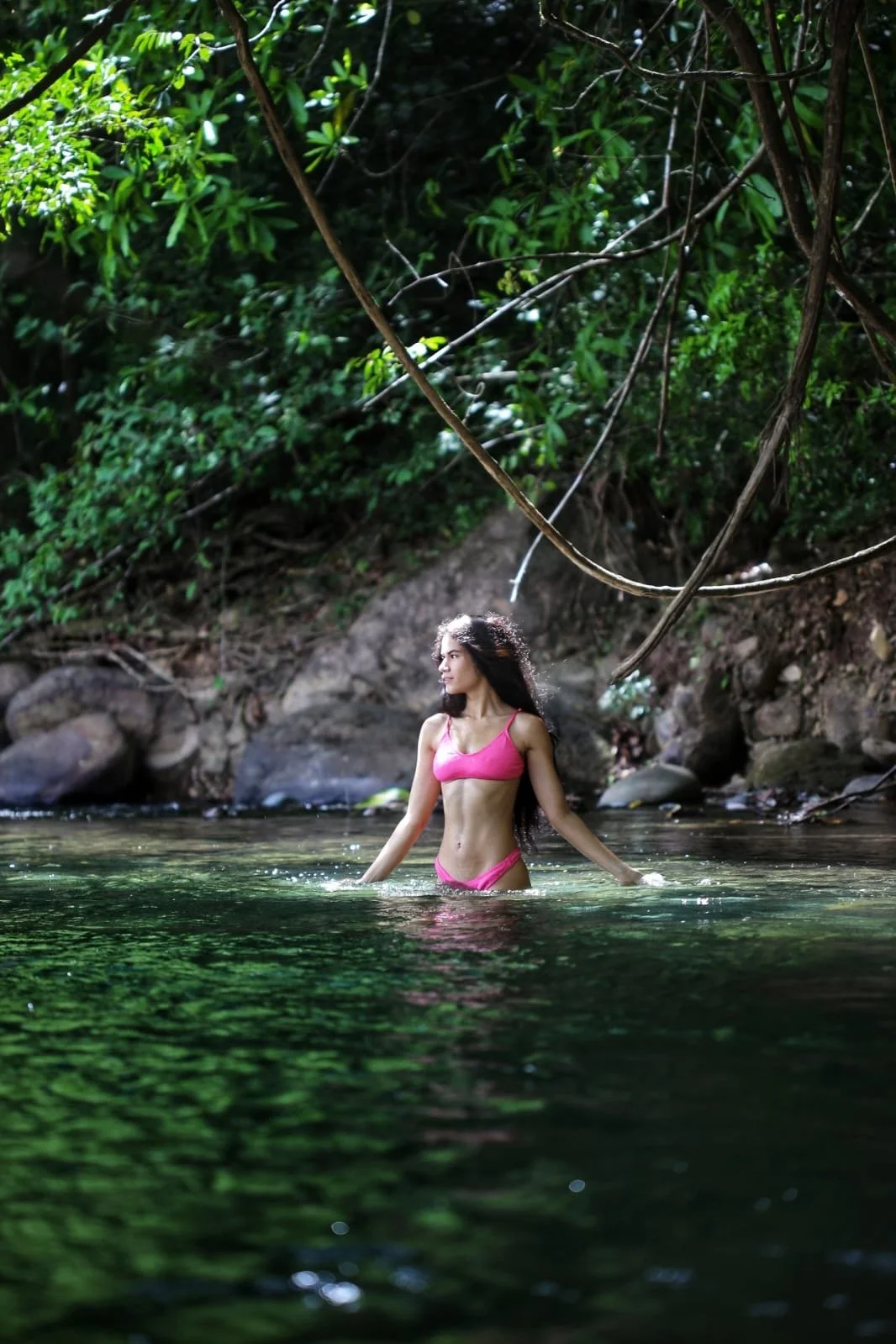
Backpacking through Panama is one of the most rewarding travel experiences in Central America. Although the country is often overshadowed by neighbors like Costa Rica, Panama offers an extraordinary combination of tropical islands, cloud forests, towering volcanoes, rainforests filled with wildlife, vibrant cities, indigenous cultures, world-famous coffee, excellent surfing, and some of the friendliest people you are likely to meet. It is also a country where modern infrastructure meets untouched wilderness. One day you might be walking among skyscrapers in Panama City, and the next you could be hiking through misty cloud forests where hummingbirds dart between flowers and monkeys swing through the trees. This incredible variety is one of Panama's greatest strengths, and it makes the country an ideal destination for backpackers looking for adventure without having to travel enormous distances.
One of the first things every backpacker should understand is that Panama rewards people who travel slowly. The country looks relatively small on a map, and many first-time visitors assume they can see everything in a week or two. While it is certainly possible to visit many highlights in a short time, Panama reveals its true character to travelers who spend several weeks exploring. Every province has its own personality, climate, cuisine, traditions, and landscapes. Instead of rushing from one destination to another, allow yourself time to stay in places that truly capture your imagination. You may discover that your favorite memories come not from famous landmarks but from chatting with locals in a small mountain village, watching a spectacular sunset over the Pacific Ocean, or spending an evening listening to frogs and insects in a rainforest hostel.
Perhaps the most important tip for backpacking Panama is to pack lighter than you think you need. Panama is hot and humid across much of the country, and carrying unnecessary weight quickly becomes exhausting. A lightweight backpack is far easier to carry onto buses, boats, water taxis, and hiking trails than a heavy suitcase. Many experienced travelers eventually realize they only use a fraction of the clothing they packed. Lightweight shirts, quick-drying shorts, a few pairs of socks, sandals, sturdy hiking shoes, swimwear, and a light rain jacket will usually cover most situations. Quick-drying clothing is especially valuable because humidity can make cotton take much longer to dry after washing.
Weather is another factor that surprises many visitors. Panama does not experience four distinct seasons like many temperate countries. Instead, it has a dry season and a rainy season, although the exact weather varies considerably depending on where you are. Caribbean regions often receive rain throughout the year, while Pacific areas generally experience a more pronounced dry season. Even during the rainy season, rain often arrives in the afternoon or evening rather than lasting all day. Backpackers should not automatically avoid visiting during the rainy months. The forests become greener, waterfalls flow more powerfully, wildlife can be very active, and there are often fewer tourists. A simple lightweight rain jacket or backpack cover is usually enough to handle most showers.
Transportation in Panama is one of the country's biggest advantages for independent travelers. Public buses connect most major towns and cities at very reasonable prices, making it possible to travel across much of the country without renting a vehicle. The famous colorful "Diablo Rojo" buses have mostly disappeared from long-distance routes, replaced by modern coaches that are generally comfortable and affordable. Smaller local buses connect villages and rural areas, while boats and water taxis provide access to many islands and coastal communities. Patience is important, especially when traveling to remote destinations, because schedules may not always be as strict as in some countries. Building flexibility into your itinerary makes the journey far more enjoyable.
One of the smartest decisions a backpacker can make is to carry cash in addition to bank cards. Panama uses the U.S. dollar as its currency, making budgeting simple for many international travelers. Credit and debit cards are widely accepted in cities and larger towns, but small villages, local buses, markets, and family-run restaurants often prefer cash. ATMs are common in urban areas but become less frequent in remote regions, so withdrawing enough money before heading into rural areas is a wise habit. Keeping emergency cash in a separate location inside your backpack can also be helpful if your wallet is ever lost.
Accommodation in Panama offers something for every budget. Backpackers can find dormitories, guesthouses, eco-lodges, beach hostels, mountain cabins, and budget hotels throughout the country. Dorm rooms remain one of the best ways to meet other travelers, exchange tips, and find people to share activities or transportation with. If you are traveling as a couple or with a friend, however, private rooms often become surprisingly affordable because the cost can be shared. In many destinations, splitting the price of a private room means each person pays only slightly more than a dorm bed while enjoying much greater privacy and comfort. The same idea applies to Airbnb properties, where sharing costs between two or more travelers can make unique accommodations surprisingly economical.
One of the greatest joys of backpacking Panama is the incredible diversity of landscapes packed into a relatively compact country. Panama City offers modern skyscrapers, fascinating museums, vibrant nightlife, and the famous Panama Canal. The mountain town of Boquete provides coffee farms, waterfalls, cloud forests, and cooler temperatures. The nearby highlands of Chiriquí feature Volcán Barú, the country's highest peak, where on exceptionally clear mornings it is possible to see both the Pacific Ocean and the Caribbean Sea. Bocas del Toro offers Caribbean beaches, snorkeling, diving, surfing, and colorful island life. Santa Catalina attracts surfers and divers heading to Coiba National Park, while the Azuero Peninsula introduces travelers to traditional Panamanian culture and folklore. Each destination feels completely different, making it difficult to believe they all belong to the same country.
Backpackers should also embrace Panama's extraordinary biodiversity. This is one of the most biologically rich countries on Earth, containing thousands of plant and animal species. Even short hikes can reveal hummingbirds, toucans, monkeys, sloths, butterflies, poison dart frogs, coatis, agoutis, and countless tropical insects. Night walks are particularly fascinating because many rainforest creatures become active only after sunset. Bringing a small flashlight or headlamp is one of the best investments for anyone planning to stay near forests or nature reserves. Walking quietly after dark with an experienced guide can reveal an entirely different side of Panama that most visitors never experience.
Food is another highlight of backpacking through Panama. While many travelers arrive expecting only rice and beans, they quickly discover a much more varied cuisine. Fresh seafood is abundant along both coasts, tropical fruits are available year-round, soups and stews remain an important part of traditional cooking, and local bakeries produce excellent bread and pastries. Markets are wonderful places to buy inexpensive fruit such as pineapple, mangoes, papayas, bananas, and watermelon. Backpackers who prepare some of their own meals can significantly reduce costs while enjoying incredibly fresh ingredients. Street food also offers opportunities to sample authentic Panamanian flavors without spending much money.
Safety is often one of the first concerns for people planning their trip. Fortunately, Panama is generally considered one of the safer countries in Central America for travelers. As with any destination, common sense goes a long way. Avoid displaying expensive electronics unnecessarily, remain aware of your surroundings in crowded areas, use reputable transportation at night, and keep copies of important documents. Most backpackers complete their journeys without experiencing any significant problems. Panamanians are generally welcoming and helpful toward visitors, and many travelers comment on how comfortable they feel while exploring the country.
Learning even a small amount of Spanish can dramatically improve your experience. Although English is spoken in many tourist areas, especially around Panama City and Bocas del Toro, much of the country operates primarily in Spanish. Knowing basic greetings, numbers, food vocabulary, and simple travel phrases can make transportation, shopping, and conversations much easier. More importantly, making the effort often creates warmer interactions with local people, who usually appreciate visitors trying to communicate in their language.
One mistake many backpackers make is planning every hour of their itinerary before arriving. Panama is full of unexpected discoveries. You may hear about a hidden waterfall from another traveler, decide to spend an extra week on a Caribbean island, or fall in love with a mountain town where you originally planned to stay only two nights. Leaving room for spontaneity often leads to the most memorable experiences. Some of the best adventures happen because plans changed.
Backpackers should also remember that Panama is much more than beaches. While the Caribbean islands and Pacific coastline are spectacular, the country's mountains and forests are equally rewarding. Cloud forests provide cool temperatures, breathtaking hiking trails, and opportunities to observe incredible wildlife. Spending several nights in a rainforest or cloud forest lodge allows you to experience dawn choruses of birds, mist rolling through the trees, and the remarkable sounds of the jungle after dark. These experiences often become the highlights of an entire trip.
Another valuable tip is to respect Panama's natural environment. Stay on marked trails, avoid disturbing wildlife, never feed wild animals, dispose of trash properly, and support businesses that value conservation. Panama's incredible biodiversity is one of its greatest treasures, and responsible tourism helps ensure these ecosystems remain healthy for future generations of travelers and local communities alike.
Finally, remember that backpacking Panama is not simply about checking destinations off a list. It is about embracing the country's rhythm, appreciating its remarkable diversity, meeting people from around the world, and allowing yourself to be surprised. Whether you are watching the sunrise over misty mountains, snorkeling above coral reefs, wandering through colorful markets, hiking beneath towering rainforest trees, or sharing stories with fellow travelers in a hostel common room, Panama has a way of rewarding curiosity and adventure.
For many backpackers, Panama begins as just another stop in Central America. By the time they leave, it has become one of the places they remember most. Its combination of modern convenience, wild landscapes, welcoming people, fascinating history, affordable travel, and endless opportunities for adventure makes it a destination that is difficult to forget. Those who arrive with an open mind, a comfortable backpack, and a willingness to explore beyond the obvious often discover that Panama is not simply a country to visit. It is a country to experience, to learn from, and quite often, to return to again and again.