
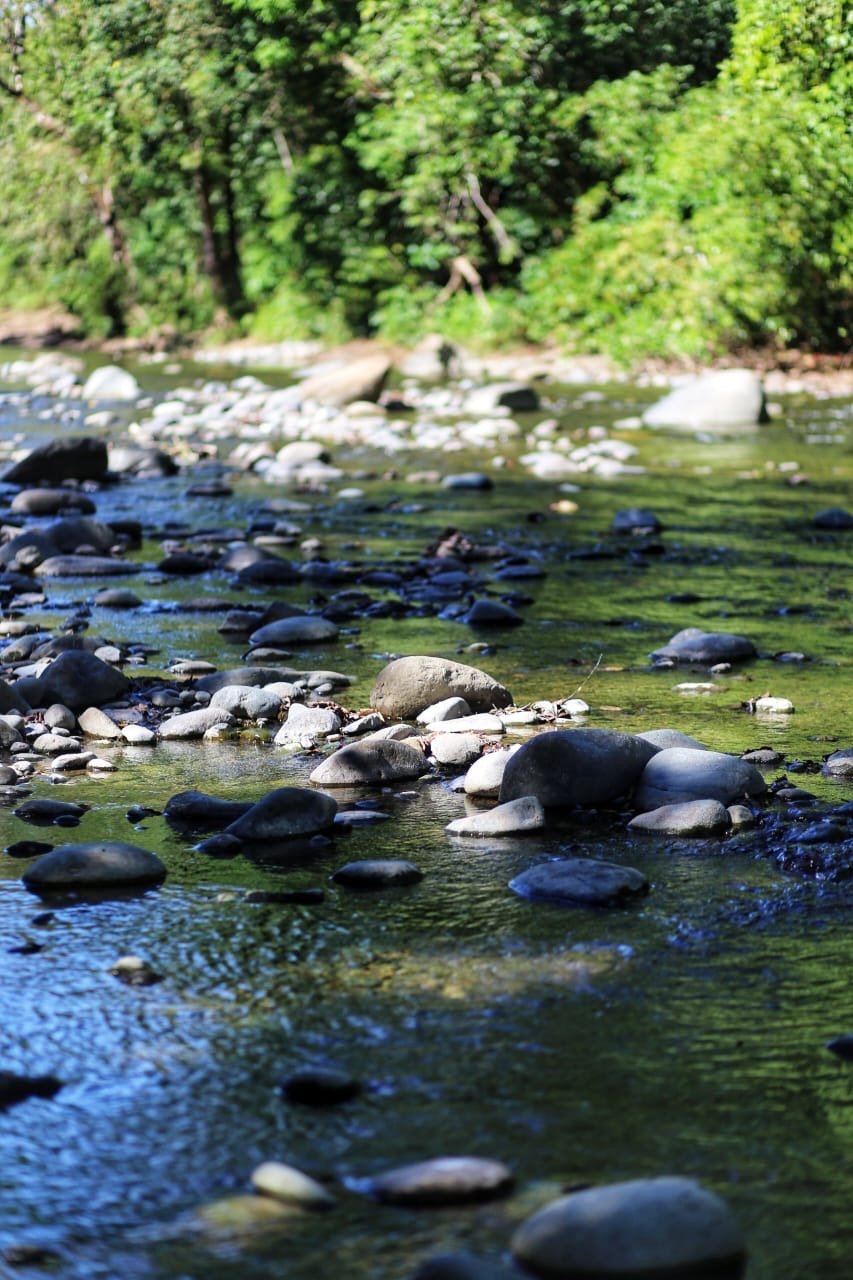
Water is one of Panama's greatest natural treasures. The country receives some of the highest annual rainfall in the world, with many regions collecting well over 2,500 millimeters of rain every year. Towering mountain ranges, cloud forests, tropical rainforests, rivers, lakes, wetlands, and vast watersheds create the impression that fresh water is unlimited. Yet despite this abundance, providing safe drinking water to millions of people is a complex challenge that requires enormous engineering, constant maintenance, sophisticated treatment processes, and careful environmental management.
Most visitors to Panama never think about what happens before they turn on a faucet. They simply see clean water flowing from the tap. Behind that simple act lies an intricate system of reservoirs, intake structures, pumping stations, filtration plants, laboratories, thousands of kilometers of pipelines, storage tanks, and trained operators working around the clock. Water treatment is one of the country's most important public services because it protects public health, supports tourism, enables agriculture and industry, and allows Panama's cities and communities to function every day.
Panama's drinking water begins its journey in nature. Rain falls onto mountains covered in dense forests where the vegetation acts like a giant sponge. The forest floor absorbs rainfall, gradually releasing it into streams instead of allowing it to rush downhill all at once. Rivers fed by these mountain waters become the primary sources of drinking water throughout the country. Some systems also rely on lakes and reservoirs that store enormous quantities of fresh water during the rainy season for use throughout the year. Protecting these watersheds is therefore just as important as operating the treatment plants themselves because clean source water is always easier and less expensive to purify than polluted water.
Once raw water reaches a treatment plant, the first stage usually involves screening. Large metal screens remove branches, leaves, sticks, plastic bottles, trash, and other debris carried downstream by rivers. During Panama's rainy season these screens may capture huge amounts of floating material after storms, preventing damage to pumps and other equipment.
After screening, chemicals known as coagulants are added. These chemicals cause tiny particles of clay, soil, organic matter, and microscopic debris to stick together into larger masses called flocs. This process is especially important because many particles suspended in water are far too small to settle naturally. Panama's tropical rivers often become extremely muddy after heavy rainfall, making coagulation one of the most critical parts of the treatment process.
The water then enters sedimentation basins where the heavy flocs slowly sink to the bottom. These basins are enormous concrete tanks designed to allow gravity to remove much of the suspended material. Workers periodically remove the accumulated sludge for proper disposal or treatment.
Following sedimentation, water flows through filtration systems. Most treatment plants use layers of sand, gravel, and other filtration materials that trap remaining particles. As water slowly passes through these filters, even finer impurities are removed. Some facilities also use activated carbon to improve taste, reduce odors, and remove certain dissolved organic compounds.
Disinfection is the final major treatment step before the water enters the distribution system. Chlorine is the disinfectant most commonly used in Panama because it effectively destroys bacteria, viruses, and many harmful microorganisms while leaving a small residual concentration that continues protecting the water as it travels through pipelines. Operators carefully monitor chlorine levels because too little may not provide adequate protection while too much can affect taste and odor.
Throughout every stage of treatment, laboratory technicians continuously test water samples. They measure turbidity, pH, chlorine levels, microbial contamination, and many other parameters to ensure the finished water meets drinking water standards. Modern water treatment plants rely heavily on automation, electronic sensors, computer monitoring systems, and trained operators who respond quickly whenever conditions change.
The organization responsible for supplying drinking water to much of Panama is the National Institute of Aqueducts and Sewers, commonly known as IDAAN. It operates many of the country's largest treatment plants and extensive distribution networks. Maintaining these systems is a massive responsibility involving everything from repairing broken pipelines to upgrading aging infrastructure and expanding service into growing communities. Recent national efforts have focused on repairing leaks and improving the reliability of the distribution network while evaluating and modernizing major treatment facilities.
The largest and most important treatment facility in the country is the Federico Guardia Conte Water Treatment Plant in Chilibre. This enormous plant supplies drinking water to most of Panama City and surrounding areas, serving close to ninety percent of the metropolitan population. Because so many people depend upon it, maintaining reliable operation is essential for the country's economic and social well being.
Water treatment in Panama becomes especially challenging during the rainy season. Tropical downpours can transform normally clear rivers into fast moving torrents carrying enormous quantities of sediment. Turbidity can increase dramatically within hours, requiring treatment plants to adjust chemical dosages and filtration processes almost continuously. Operators must constantly monitor changing river conditions while ensuring the finished drinking water remains safe.
The dry season presents a different set of challenges. River flows decline, reservoirs may drop, and water demand often increases as temperatures rise. Climate variability and prolonged droughts have highlighted the importance of careful water resource planning, especially because Panama's freshwater resources also support the Panama Canal and millions of residents.
Although Panama has abundant rainfall overall, not every community enjoys the same level of water service. Rural villages often depend on smaller local aqueducts that require their own treatment systems and maintenance. Some remote communities rely on spring water, wells, or gravity fed systems with varying degrees of treatment depending on local resources and technical capacity.
Tourists often wonder whether tap water is safe to drink. In Panama City and many urban areas, tap water is generally considered safe because it undergoes modern treatment and regular monitoring. However, conditions may differ in some rural regions or during temporary water quality incidents. Many travelers still choose bottled or filtered water simply because their digestive systems are unfamiliar with local microorganisms or mineral compositions.
One of the greatest hidden challenges facing Panama is water loss after treatment. Even perfectly treated water has little value if it leaks from aging pipelines before reaching homes and businesses. Officials have estimated that nearly half of the treated water produced by some systems may be lost through leaks, broken pipes, and deteriorated infrastructure, highlighting why repairs and modernization are such high priorities.
Protecting forests is perhaps the most overlooked aspect of water treatment. Healthy forests stabilize soils, reduce erosion, improve water quality, regulate stream flows, and protect reservoirs from excessive sedimentation. Every tree growing within a watershed contributes to cleaner water by reducing the amount of soil washed into rivers during tropical storms. In many ways, Panama's rainforests serve as natural components of the country's water treatment system long before water ever reaches a filtration plant.
For travelers exploring Panama, especially backpackers visiting mountain regions like Boquete, Santa Fe, El Valle, or the cloud forests of Chiriquí, the quality of local water depends on both the source and the local treatment system. Some small communities produce exceptionally clean water directly from protected mountain watersheds, while others may experience temporary interruptions or maintenance work. Using a reusable water bottle and checking local recommendations remains a sensible approach.
Looking toward the future, Panama faces several important priorities. Population growth, urban expansion, aging infrastructure, climate change, increasing tourism, and the need to protect watersheds will all influence how drinking water is produced and distributed. Continued investment in treatment plants, modern pipelines, leak reduction, laboratory monitoring, and watershed conservation will determine how successfully the country meets future demand.
Water treatment is easy to overlook because success is almost invisible. When everything functions correctly, people simply turn on a faucet and clean water appears instantly. Yet behind every glass of drinking water stands a remarkable combination of tropical forests, mountain rivers, reservoirs, engineers, chemists, laboratory technicians, treatment operators, maintenance crews, environmental scientists, and public utilities working together every hour of every day.
In Panama, water treatment is far more than an engineering process. It is the foundation of public health, tourism, agriculture, business, and daily life. Every rainfall that nourishes the country's forests begins a journey that may eventually end in someone's kitchen sink hundreds of kilometers away. From the cloud forests of the highlands to the bustling skyline of Panama City, the nation's water treatment systems quietly transform one of nature's greatest gifts into one of society's most essential resources, making modern life possible while reminding everyone that even in one of the wettest countries on Earth, clean drinking water is something that must be carefully protected, expertly treated, and never taken for granted.