
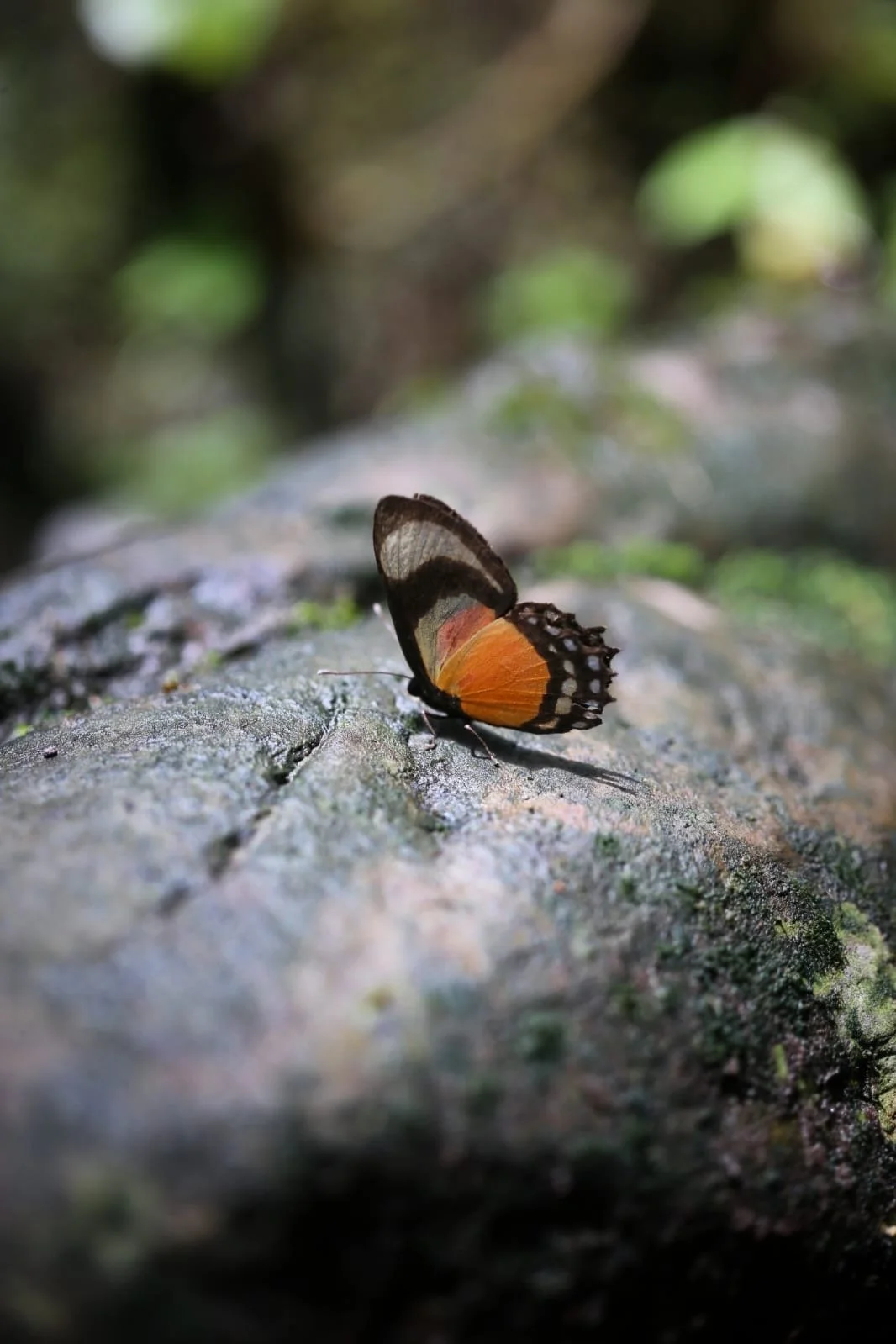
There are few experiences in nature as magical as watching a butterfly drift silently through a tropical rainforest. One moment the forest appears still, and the next a flash of brilliant electric blue glides across the trail before disappearing into the trees. Panama is one of the best countries in the Americas to experience this wonder. Situated on the narrow land bridge connecting North and South America, Panama is home to an extraordinary variety of habitats that support well over 1,500 species of butterflies, making it one of the richest butterfly destinations in the world.
Unlike many animals that remain hidden in the forest canopy or only emerge at night, butterflies are often visible during the day, rewarding anyone who walks slowly and pays attention. They add movement, color, and life to forests, gardens, riversides, mountain trails, and even quiet country roads. Whether you are an experienced wildlife photographer, an enthusiastic birdwatcher, or simply someone who appreciates beautiful things, butterflies quickly become one of the highlights of traveling through Panama.
Why Panama Has So Many Butterfly Species
Panama's location is almost perfect for butterfly diversity. Sitting between two continents and bordered by both the Pacific Ocean and the Caribbean Sea, the country contains an incredible variety of ecosystems packed into a relatively small area.
Rainforests, cloud forests, mangroves, dry tropical forests, rivers, mountains, islands, and agricultural landscapes all provide different homes for different butterfly species. Some butterflies live only in cool mountain forests above 1,500 meters, while others thrive in hot lowland jungles or sunny coastal areas.
The country's warm climate means butterflies can be active throughout the year. Unlike colder countries where butterflies disappear during winter, Panama offers opportunities to see them during every month, although numbers often increase during periods when flowers are especially abundant.
The Famous Blue Morpho
Perhaps no butterfly captures people's imagination quite like the Blue Morpho.
Its upper wings shine with an astonishing metallic blue that almost appears unreal when sunlight catches them. As it flies through the forest, the flashing blue seems to appear and disappear because the underside of the wings is brown with eye like markings that help camouflage it when resting.
Seeing a Blue Morpho drifting through the rainforest is one of those unforgettable moments many travelers remember long after leaving Panama.
These butterflies are commonly seen in lowland rainforests, especially along rivers, forest trails, and clearings where sunlight reaches the ground.
Heliconian Butterflies
Another group that attracts enormous attention is the Heliconian butterflies.
These butterflies are famous for their striking combinations of black, yellow, orange, red, and white. Unlike many butterflies that flutter unpredictably, Heliconians often fly slowly and gracefully, making them easier to observe and photograph.
They frequently visit flowering plants and can often be seen in forest edges and tropical gardens.
Owl Butterflies
One of Panama's most unusual butterflies is the Owl Butterfly.
When its wings are closed, the underside displays enormous circular patterns that resemble the eyes of an owl. These markings can startle predators into thinking they are looking at a much larger animal.
Owl butterflies are among the largest butterflies in the Americas and are especially active during the late afternoon when many other butterflies begin disappearing.
Swallowtails
Swallowtail butterflies are another spectacular group.
Many species are large, elegant, and powerful fliers with long tails extending from their hind wings. Some have brilliant yellow and black patterns, while others shimmer with green or blue.
These butterflies are often seen moving quickly between flowering trees and sunny clearings.
Where Are the Best Places to See Butterflies?
One of the wonderful things about Panama is that butterflies can be found almost everywhere.
National parks are among the best places because large areas of natural forest remain protected. Trails winding through rainforest often produce a constant variety of species throughout the day.
Cloud forests around Boquete, Volcán, and the Fortuna region offer opportunities to see butterflies adapted to cooler temperatures. The combination of mist, moss covered trees, and flowering plants creates ideal habitat for many beautiful species.
Lowland rainforests in areas such as Soberanía National Park are famous among naturalists because butterflies, birds, monkeys, and countless other animals all occur together.
Even beach destinations such as Bocas del Toro can produce wonderful butterfly sightings, particularly around gardens, forest edges, and quieter jungle paths.
Many eco lodges throughout Panama have flowering gardens specifically designed to attract butterflies, making wildlife watching possible without leaving the property.
Why Cloud Forests Are So Special
Cloud forests deserve special mention because they provide conditions unlike anywhere else.
Cool temperatures, constant moisture, abundant mosses, orchids, bromeliads, and flowering shrubs create perfect environments for many specialized butterflies.
Walking through a cloud forest often means butterflies appear unexpectedly around every bend in the trail, especially whenever sunlight briefly breaks through the mist.
Because temperatures are cooler, butterflies may become most active later in the morning once the sun begins warming the forest.
How to Attract Butterflies During Your Stay
The wonderful thing about butterflies is that they often come to you if the conditions are right.
Bright flowers are one of the biggest attractions. Butterflies depend on nectar for energy, and gardens filled with colorful blooms quickly become gathering places.
Native flowering plants usually attract the greatest variety because local butterflies evolved alongside them.
Butterflies also enjoy damp soil. After rain, many species gather on muddy paths, riverbanks, or puddles where they absorb minerals dissolved in the water. This behavior, known as puddling, creates excellent photography opportunities because dozens of butterflies may gather together.
Overripe fruit is another favorite. Bananas, mangoes, pineapples, papayas, and oranges left in shaded areas often attract species that rarely visit flowers.
Quiet surroundings also help. Butterflies dislike constant disturbance, so peaceful gardens with little noise often become excellent viewing locations.
Walk Slowly
Perhaps the biggest mistake visitors make is walking too quickly.
Butterflies reward patience.
Moving slowly allows you to notice movement among leaves and flowers. Many species return repeatedly to the same feeding spots, meaning if you wait quietly, they often come back.
Early morning walks can be especially rewarding as butterflies begin warming themselves in patches of sunlight.
The Best Weather for Butterfly Watching
Butterflies generally prefer warm, sunny conditions.
After heavy rain they often remain hidden until sunshine returns.
The best times are usually from mid morning until early afternoon when temperatures have increased enough for active flight.
Cloudy days can still produce sightings, but butterflies usually become less active.
Photography Tips
Butterflies are wonderful photography subjects, but patience is essential.
Move slowly.
Avoid sudden movements.
Allow the butterfly to become comfortable with your presence.
Morning light often produces the best colors, while soft afternoon light creates beautiful natural photographs without harsh shadows.
A zoom lens allows close photographs without disturbing the butterfly.
Butterflies and Other Wildlife
One of the pleasures of butterfly watching is that it naturally slows your pace.
As you stop to observe butterflies, you often begin noticing hummingbirds feeding nearby, colorful frogs beside streams, orchids growing on trees, monkeys moving through the canopy, and countless insects that would otherwise be missed.
Butterfly watching becomes a gateway to appreciating the smaller details of Panama's extraordinary biodiversity.
A Wonderful Place for Butterfly Lovers
Many eco lodges throughout Panama offer excellent butterfly watching simply because they are surrounded by natural forest and flowering gardens. At Lost and Found Hostel, located in the Fortuna cloud forest, the surrounding jungle, flowering vegetation, and peaceful trails provide wonderful opportunities to encounter numerous butterfly species while hiking. Visitors often find that the same feeders attracting hummingbirds also create a lively environment filled with butterflies moving between nearby flowers, making it an enjoyable place for photographers and nature lovers alike.
Butterflies are among the most beautiful ambassadors of Panama's natural world. They require no special equipment to enjoy, only curiosity, patience, and a willingness to slow down. Every trail, forest edge, flowering garden, and sunny clearing holds the possibility of discovering another dazzling species.
Whether it is the unforgettable flash of a Blue Morpho disappearing into the rainforest, the graceful flight of a Heliconian drifting among tropical flowers, or dozens of colorful butterflies gathering beside a muddy forest trail, these delicate insects remind us that some of nature's greatest treasures are also its quietest.
For many travelers, butterflies become an unexpected highlight of visiting Panama. They transform an ordinary walk into a treasure hunt, where every step through the country's forests may reveal another tiny masterpiece painted by nature itself.