
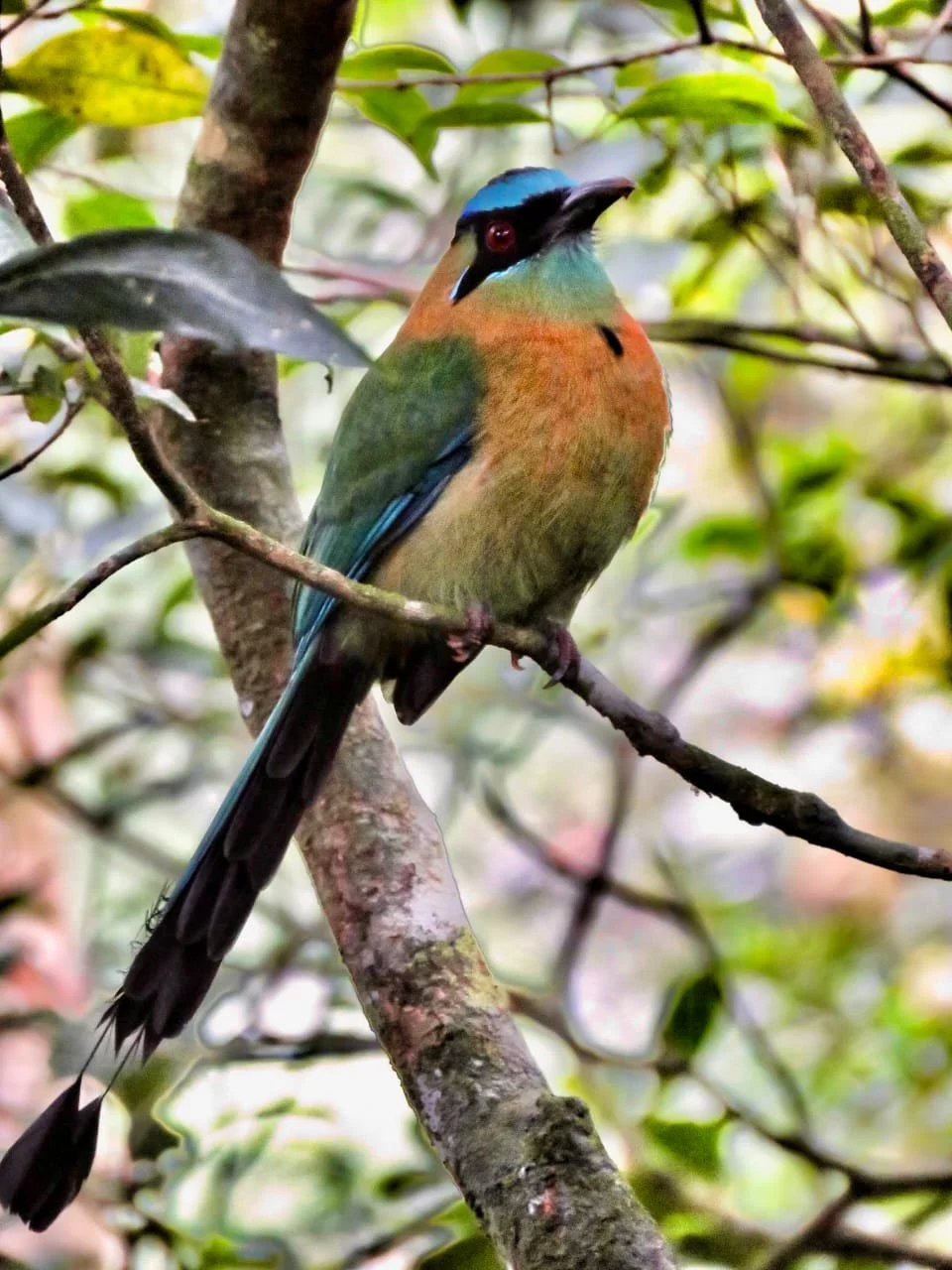
When most people think about Panama, their minds immediately travel to the famous images that have made the country internationally recognized: the Panama Canal connecting two oceans, the turquoise waters of Bocas del Toro, the mountains of Boquete, the colorful streets of Casco Viejo, tropical rainforests filled with wildlife, and endless beaches along the Caribbean and Pacific coasts. But there is another Panama that exists beyond the tourist trails, a Panama of wide open grasslands, family farms, cattle ranches, horse riders, dairy producers, and rural communities where livestock has shaped everyday life for generations.
Livestock farming is one of the oldest and most important agricultural traditions in Panama. Long before modern highways, skyscrapers, and international tourism transformed the country, cattle and other farm animals were already deeply connected to the Panamanian way of life. Across provinces such as Chiriquí, Los Santos, Herrera, Veraguas, Coclé, and Darién, livestock remains a major source of food, employment, and cultural identity. For many rural families, raising animals is not simply an economic activity. It is a tradition passed from parents to children, a connection to the land, and a lifestyle built around patience, knowledge, and respect for nature.
Panama’s livestock industry is especially fascinating because farmers must operate in a very unique environment. Unlike countries with cooler climates and predictable seasons, Panama presents tropical challenges. The country experiences intense heat, heavy rainfall, high humidity, insects, parasites, and dramatic differences between regions. A cattle farmer in the dry plains of Los Santos faces completely different challenges from a dairy farmer in the cool mountains of Chiriquí. Over time, Panamanian agriculture has adapted by choosing animals that can survive in these conditions and by developing farming methods suited to the tropical environment.
The History of Livestock in Panama
The story of livestock in Panama begins during the colonial period when Spanish settlers introduced cattle, horses, pigs, and other domestic animals to the region. These animals quickly became essential because they provided meat, transportation, leather, and agricultural power. Cattle especially adapted well to Panama’s open areas and became an important part of rural economies.
Spanish ranching traditions mixed with indigenous knowledge and local environmental conditions, creating a unique style of farming. Over generations, Panamanian ranchers developed their own methods of managing animals in tropical landscapes. The open grasslands of the interior provinces became closely associated with cattle culture, and the image of the Panamanian cowboy became an important symbol of rural identity.
Unlike some countries where cattle ranching became highly industrialized and separated from local communities, much of Panama’s livestock history remains connected to family farms. Many ranches have been operated by the same families for decades, with knowledge about animals, weather, pasture, and land management passed down through generations.
Cattle: The Most Important Livestock in Panama
Cattle are the undisputed symbol of livestock farming in Panama. They are found across much of the country, from the dry Pacific plains to the green valleys of western Panama. Beef production is one of the most visible parts of the agricultural economy, and cattle ranches form an important part of the landscape.
Driving through rural Panama, especially through provinces such as Los Santos, Herrera, and Veraguas, travelers often see large green fields dotted with cattle. During the rainy season, these pastures become incredibly lush, creating beautiful landscapes where herds of cattle graze beneath tropical skies.
Panamanian cattle production is mostly focused on beef, although dairy farming is also important. The majority of cattle are raised in open pasture systems where animals spend much of their lives grazing naturally. This differs from intensive livestock systems found in some parts of the world where animals may spend much of their lives in confined spaces.
The tropical environment strongly influences the type of cattle raised in Panama. Farmers need animals that can tolerate heat, humidity, insects, and seasonal changes. This is why breeds with tropical adaptations are extremely important.
Brahman Cattle: The Perfect Tropical Survivor
One of the most recognizable cattle breeds in Panama is the Brahman.
Brahman cattle are famous throughout tropical regions because they are exceptionally well adapted to hot climates. Originally developed from cattle with ancestry linked to India, Brahman cattle became popular throughout the Americas because they can survive conditions that are difficult for many European breeds.
Their appearance is distinctive. They have a large hump over their shoulders, loose skin, long ears, and a strong body structure. These features are not just for appearance. They help the animal regulate body temperature and survive in hot environments.
Brahman cattle are valued in Panama because they have several important advantages. They tolerate heat better than many other breeds, they are resistant to many tropical challenges, and they can travel long distances while searching for food and water.
However, many Panamanian ranchers do not rely only on pure Brahman cattle. Instead, they often create crossbreeds by combining Brahman genetics with European breeds such as Angus, Hereford, or Simmental. The goal is to combine tropical survival ability with improved meat quality.
This combination has created cattle that are well suited for Panama’s environment while also producing desirable beef.
The Different Faces of Ranching Across Panama
Livestock farming changes dramatically depending on where you are in the country.
In Chiriquí, especially around the highlands near Volcán and Cerro Punta, agriculture is influenced by cooler temperatures and mountain conditions. This region is famous for dairy production, vegetables, coffee, and intensive farming. The cooler climate allows farmers to raise animals that would struggle in hotter areas.
In Los Santos and Herrera, cattle culture is deeply connected with tradition. These provinces are known for their open landscapes, dry seasons, and strong cultural connection to the sabanero, the Panamanian cowboy. Ranching here is not only an economic activity but also part of festivals, music, and local identity.
Veraguas, one of Panama’s largest provinces, contains vast rural areas where livestock remains an important livelihood. The province’s combination of mountains, forests, and agricultural lands creates diverse farming conditions.
Coclé has a mixture of cattle ranching and agriculture, while Darién presents a very different environment because of its remoteness and large areas of tropical forest. Livestock production in Darién faces unique challenges because transportation, infrastructure, and environmental concerns are very different from more developed regions.
The Life of a Panamanian Rancher
The life of a rancher in Panama requires patience and constant attention. It is a job that begins early and depends heavily on understanding nature.
A rancher must think about many things every day:
Are the animals healthy?
Is there enough water?
Are fences damaged?
Is the pasture producing enough food?
Is the weather changing?
Are there signs of disease?
Unlike many modern jobs where people work inside buildings, ranchers are constantly connected to the environment. They observe changes in grass, rain patterns, animal behavior, and land conditions.
During the rainy season, the challenge is often managing abundant vegetation, mud, and parasites. During the dry season, the challenge becomes maintaining enough food and water for animals.
Many ranchers still use traditional knowledge that has been developed over generations. They understand their land in ways that cannot easily be learned from books. They know where animals prefer to graze, how weather affects pasture, and how to recognize small changes in animal behavior.
Horses and the Sabanero Tradition
Where there are cattle ranches, there are usually horses.
Horses have been an essential part of Panamanian ranching culture for centuries. Before modern vehicles became common, horses were necessary for moving through large ranches, transporting equipment, and managing cattle.
Today, horses remain an important symbol of rural Panama.
The Panamanian sabanero represents a connection to traditional ranch life. Wearing traditional clothing, riding through open fields, and working with cattle are practices that continue in many rural communities.
Horse events, agricultural fairs, and traditional festivals celebrate this heritage. These gatherings often include music, food, dancing, and demonstrations of ranch skills.
For visitors who only see Panama’s cities and beaches, experiencing this rural culture reveals a completely different side of the country.
Dairy Farming in Panama
While beef cattle receive much attention, dairy farming is another important part of Panama’s livestock industry.
The cooler highlands of Chiriquí are particularly important for dairy production because the climate is more comfortable for dairy animals. Areas around the mountains provide conditions that are different from the hotter lowlands.
Dairy farms produce milk used for many everyday products, including cheese, yogurt, and other dairy foods.
Panamanian cheeses are especially important in local cuisine. Fresh cheeses are common ingredients in traditional meals and are enjoyed throughout the country.
Dairy farming requires careful management because milk production depends heavily on animal health, nutrition, and environmental conditions.
Chickens: The Everyday Livestock of Panama
Although cattle represent rural identity, chickens are probably the livestock animal most closely connected with everyday life.
Almost everywhere in Panama, from rural villages to small farms, chickens are present.
Commercial poultry farms provide large quantities of chicken and eggs for supermarkets, restaurants, and households. At the same time, many rural families maintain smaller backyard flocks.
Chickens are valuable because they provide an accessible source of:
Eggs.
Meat.
Income.
Food security.
Eggs are one of the most important foods in Panama. They are affordable, easy to prepare, and appear in countless meals. From breakfast dishes to baked goods and traditional recipes, eggs are a fundamental part of the national diet.
Pigs and the Importance of Pork
Pigs also play an important role in Panama’s food culture.
Pork is especially connected with celebrations and traditional meals. During holidays and family gatherings, pork dishes are often central to the table.
Pigs are attractive to smaller farmers because they require less land than cattle and grow relatively quickly. However, raising pigs successfully requires good management of feeding, cleanliness, and disease prevention.
Traditional pork products such as chicharrones and roasted pork reflect the connection between livestock and Panamanian cuisine.
Smaller Livestock: Goats and Sheep
Compared with cattle, pigs, and chickens, goats and sheep are less common in Panama, but they still have an interesting role.
Goats are valued because they can adapt well to certain environments, especially drier regions. They can provide meat, milk, and opportunities for small farmers.
Goat cheese production has also gained interest among some producers.
Sheep farming remains a smaller industry but exists in different parts of the country.
The Challenges Facing Panama’s Livestock Future
Livestock farming in Panama faces many challenges as the country changes.
Climate change is becoming an increasing concern. Changes in rainfall patterns, longer dry periods, and extreme weather events can affect pasture production and water availability.
Another challenge is balancing agricultural production with environmental protection.
Panama is one of the most biodiverse countries on Earth, and protecting forests is extremely important. Sustainable livestock practices are becoming more important as farmers search for ways to produce food while reducing environmental impact.
New approaches include:
Planting trees in pastures.
Improving grazing systems.
Protecting waterways.
Reducing soil damage.
Using better animal management techniques.
These methods can benefit both farmers and the environment.
Livestock and Panamanian Food Culture
The influence of livestock can be seen everywhere in Panamanian cuisine.
Beef, chicken, pork, milk, cheese, and eggs are deeply connected to everyday meals.
Food traditions tell the story of the land. The animals raised on farms become part of family recipes, celebrations, and cultural identity.
A plate of food in Panama often represents much more than ingredients. It represents farmers, ranchers, landscapes, and generations of knowledge.
Final Thoughts: The Rural Panama Many Travelers Never See
Livestock represents a side of Panama that many visitors never experience.
Beyond the famous beaches, islands, and cities exists a country of ranches, farms, cowboys, dairy producers, and families connected to the land.
Seeing Brahman cattle grazing beneath tropical skies, watching horses move through open fields, visiting a dairy farm in the mountains, or hearing the sounds of chickens in a rural village reveals another dimension of Panama.
Livestock is not just about animals. It is about history, culture, food, tradition, and the relationship between people and the environment.
For travelers who want to understand the real Panama beyond tourism, exploring the agricultural heart of the country offers one of the most fascinating experiences possible. It shows that Panama is not only a nation of canals and rainforests, but also a nation built by the people who work the land every day.