
Panama may be one of the smallest countries in the Americas, but when it comes to birds, it is an absolute giant. More than 1,000 species have been recorded here, making Panama one of the richest birdwatching destinations on Earth. Within just a few hours you can travel from the cool cloud forests of Chiriquí to the tropical rainforests of Darién or the mangroves of the Pacific coast, encountering an astonishing variety of birds along the way. Some are brilliantly colored jewels that shimmer in the sunlight, while others impress with graceful flight, extraordinary courtship displays, or haunting calls echoing through the forest. Whether you are an experienced birdwatcher or someone who simply enjoys spotting wildlife during a hike, Panama offers unforgettable encounters with some of the world's most beautiful birds.
Among all of Panama's birds, none is more legendary than the Resplendent Quetzal. Hidden within the cool cloud forests around Cerro Punta and Volcán Barú, this spectacular bird has captured the imagination of people for thousands of years. The male appears almost unreal, with shimmering emerald green feathers that flash turquoise and gold as sunlight filters through the trees. During the breeding season, two graceful tail feathers trail behind like flowing ribbons, sometimes reaching nearly a meter in length. Its brilliant crimson chest creates a breathtaking contrast against the green plumage, making it one of the most photographed birds in Central America. Spotting a quetzal requires patience, an early start, and a little luck, but many birdwatchers consider the moment they finally see one among the moss covered branches to be the highlight of their entire trip to Panama.
Few birds attract as much attention as the toucans. Their enormous colorful bills make them instantly recognizable, and Panama is fortunate to have several species. The Keel billed Toucan is perhaps the most famous, carrying a bill painted with shades of green, orange, yellow, blue, and red that almost looks too colorful to be real. Despite its large size, the bill is surprisingly lightweight, allowing the bird to move easily through the forest canopy. Toucans are highly social, often traveling in small family groups while hopping from branch to branch searching for fruit. Their loud croaking calls frequently reveal their presence long before they become visible. Watching a toucan delicately pluck fruit with its oversized bill is an unforgettable experience.
The Collared Aracari, a smaller relative of the toucan, deserves equal admiration. Its bright yellow chest, striking black markings, and beautifully patterned bill make it one of the most elegant birds in Panama's forests. Unlike the larger toucans, aracaris often travel in energetic groups that dart through the trees with surprising agility. They are particularly common in many lowland forests, where they bring constant movement and color to the canopy.
Few birds symbolize the tropical rainforest better than the Scarlet Macaw. These magnificent parrots are impossible to ignore as they soar overhead with powerful wingbeats, their brilliant red bodies glowing against the blue sky while flashes of yellow and blue decorate their wings. Scarlet Macaws mate for life and often fly together in pairs, calling loudly to one another as they cross forest valleys. In parts of Panama, particularly around protected forests, hearing their unmistakable cries overhead remains one of the most exciting wildlife experiences imaginable.
Another bird that leaves visitors speechless is the Blue Cotinga. This species seems almost magical because the males display an astonishing electric blue color unlike almost any other bird. Seen against the deep green rainforest canopy, the contrast is extraordinary. Females are much more subdued in color, allowing them to remain hidden while nesting, but the dazzling blue males are among the most sought after birds by photographers and birdwatchers alike.
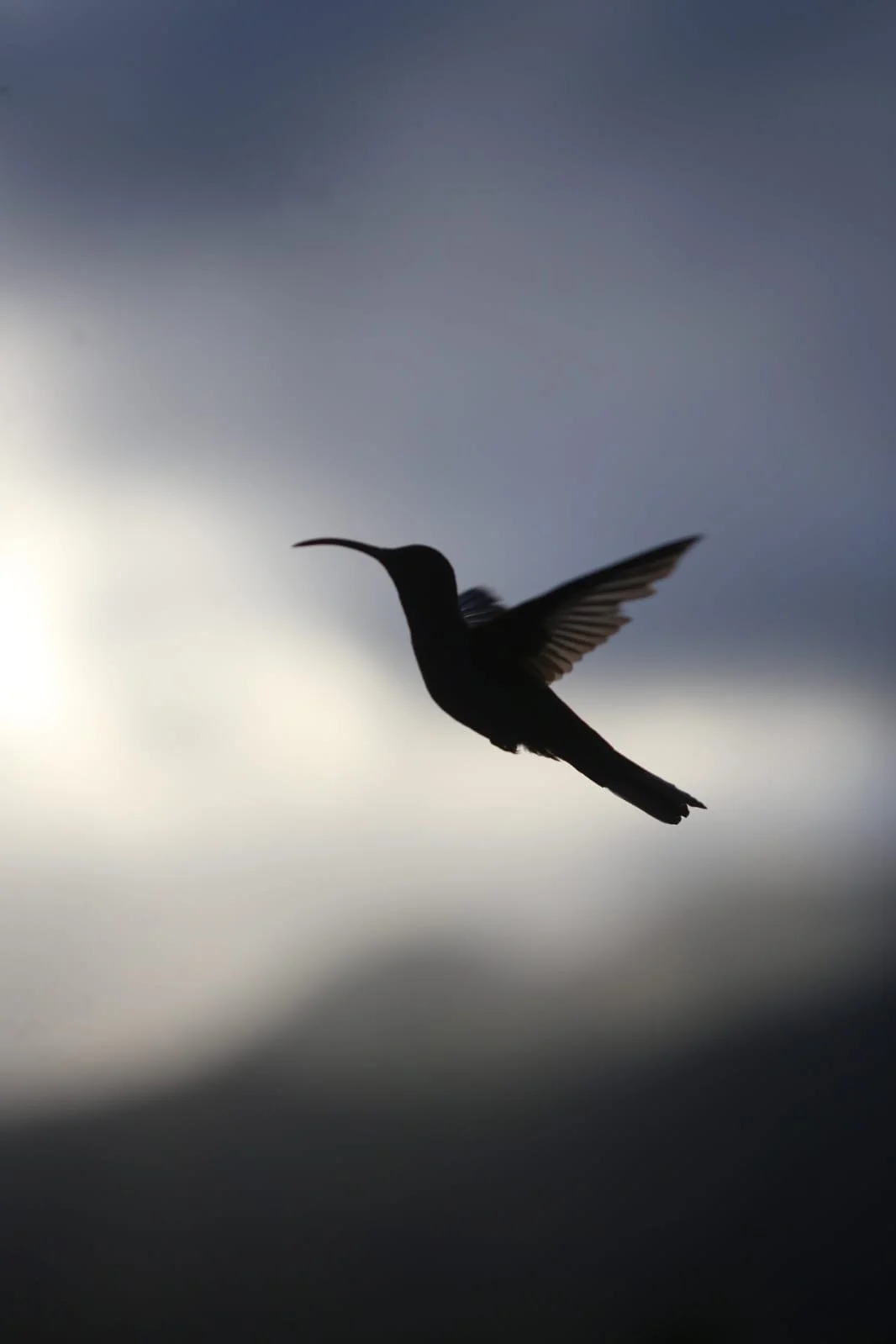
Panama is also home to an incredible variety of hummingbirds. More than fifty species occur throughout the country, ranging from tiny glittering emeralds to larger species with long curved bills perfectly adapted for feeding on tropical flowers. Watching hummingbirds feed is mesmerizing. Their wings beat so rapidly that they become almost invisible, allowing the birds to hover effortlessly in front of blossoms before darting away like tiny living jewels. In the cloud forests around Boquete and the Fortuna region, hummingbird feeders often attract dozens of individuals at once, creating one of the most spectacular birdwatching experiences in the country.
One of the most extraordinary hummingbirds is the Violet Sabrewing. This large species shimmers with deep purple and violet feathers that seem to change color with every movement. Another favorite is the White necked Jacobin, whose brilliant white chest contrasts beautifully with its metallic blue head and emerald green wings. Even travelers with little interest in birds often find themselves captivated by these tiny aerial acrobats.
The Rufous tailed Hummingbird deserves special mention because it is one of the most commonly seen hummingbirds in Panama. Although smaller and less dramatic than some rarer species, its iridescent green body and rich copper colored tail make it remarkably attractive. It often visits gardens, flowering shrubs, and forest edges, giving many visitors their first close encounter with a hummingbird.
Panama's trogons are equally enchanting. These elegant birds, relatives of the famous quetzal, display combinations of emerald green backs, bright yellow or crimson bellies, and delicately patterned tails. They spend much of their time sitting quietly beneath the forest canopy, waiting patiently before flying out to capture insects or fruit. Their calm behavior often allows birdwatchers excellent opportunities for observation.
One of the rainforest's hidden treasures is the Lovely Cotinga. Despite its rather modest name, this bird is breathtaking. Males combine soft turquoise, lavender, and brilliant blue plumage into one of the most delicate color combinations found anywhere in nature. Because they remain high in the forest canopy, sightings are relatively uncommon, making every encounter particularly special.
Panama's forests also shelter the Great Curassow, one of the country's largest and most impressive birds. Males possess glossy black plumage contrasted with a bright yellow knob above the bill and a distinctive curled crest. Females vary in color from rich chestnut to beautifully patterned forms depending on the population. Once heavily hunted throughout much of Central America, the Great Curassow now survives primarily within well protected forests where fortunate visitors may encounter these remarkable birds walking quietly along jungle trails.
The Harpy Eagle, Panama's national bird, is not only one of the largest eagles on Earth but also one of its most magnificent. Although sightings are extremely rare because of its secretive nature and low population density, simply knowing that these enormous forest predators still inhabit Panama's rainforests adds to the country's sense of wilderness. With powerful legs capable of capturing monkeys and sloths, the Harpy Eagle represents the health of Panama's remaining old growth forests.
Another spectacular resident is the King Vulture. Unlike the darker vultures commonly seen soaring overhead, the King Vulture is surprisingly beautiful. Adults possess white bodies, black flight feathers, and brilliantly colored heads decorated with vivid shades of orange, yellow, purple, and red. Despite feeding on carrion, they are among the most striking birds in the Neotropics.
No discussion of Panama's beautiful birds would be complete without mentioning the Oropendolas. These highly social birds construct remarkable hanging nests that sway beneath the branches of towering trees. Entire colonies may contain dozens of woven nests, each carefully built by a female using strips of plant fibers. Their bubbling calls echo through the rainforest while males display dramatically to attract mates. Watching a colony in action is both fascinating and unforgettable.
Along Panama's rivers and coastlines, beauty takes a different form. Snowy Egrets appear almost luminous with brilliant white feathers and elegant black legs tipped with bright yellow feet. Roseate Spoonbills bring flashes of pink to wetlands as they sweep their spoon shaped bills through shallow water searching for food. Magnificent Frigatebirds soar effortlessly above both the Caribbean and Pacific coasts with wingspans exceeding two meters, while breeding males inflate brilliant red throat pouches that resemble enormous balloons.
One of the reasons Panama is so extraordinary is not simply the number of bird species but the incredible variety of habitats packed into such a small country. Cloud forests shelter quetzals and hummingbirds. Tropical rainforests hide macaws, toucans, cotingas, curassows, and trogons. Mangroves support kingfishers, herons, and shorebirds. Mountain valleys echo with the songs of tanagers and warblers, while both coastlines host seabirds, pelicans, and countless migratory visitors. Within a single week, travelers can observe birds that belong to completely different ecosystems without ever crossing an international border.
The best part is that many of these remarkable birds can be seen without undertaking difficult expeditions. National parks, nature reserves, forest trails, botanical gardens, and even the gardens of eco lodges regularly produce extraordinary sightings. Sometimes the most memorable encounters happen unexpectedly while enjoying breakfast, drinking coffee on a terrace, or walking quietly along a jungle path.
Panama is often celebrated for the Panama Canal, its tropical beaches, and its extraordinary biodiversity, yet its birds may be its greatest natural treasure. Every dawn begins with a chorus of songs echoing through forests alive with color and movement. Brilliant hummingbirds flash between flowers, toucans call from the canopy, macaws cross the sky in pairs, and somewhere deep within the misty cloud forest, a resplendent quetzal may be waiting silently among ancient moss covered trees. For anyone who appreciates nature, few places on Earth offer such an astonishing celebration of feathers, color, and life as the remarkable birds of Panama.