
For many people planning a trip to Panama, one of the first concerns is the weather. They open a weather app, see thunderstorms predicted nearly every day, and immediately imagine an entire vacation spent trapped indoors watching rain pour endlessly from grey skies. It is one of the biggest misconceptions about traveling in Panama. The country's rainy season is very different from what many visitors expect. It is not usually weeks of continuous rain like some temperate climates experience. Instead, it is a tropical rhythm that has shaped Panama's forests, rivers, wildlife, and landscapes for millions of years. The rainy season is often called the green season for good reason. Every mountain becomes greener, every waterfall grows larger, every river flows faster, and the rainforest seems to burst with life in every direction. At the same time, however, it is not always easy. The rain brings inconveniences, delays, muddy trails, humidity, mosquitoes, and transportation challenges that every traveler should understand before arriving. The secret to enjoying Panama during the rainy season is not trying to avoid the weather but learning how to work with it. Those who do are often rewarded with one of the most beautiful tropical experiences anywhere in the world.
The rainy season usually begins around May and lasts until November, although the exact timing varies depending on where you are. September, October, and November are generally the wettest months across much of the Pacific side of the country. During these months, tropical storms become more frequent, rivers reach their highest levels, forests glow with impossible shades of green, and waterfalls become spectacular. On the Caribbean side, however, the weather follows a different pattern. Places like Bocas del Toro often receive rain throughout the year but can still experience surprisingly long sunny periods while other parts of Panama are getting soaked. This constantly changing weather is one of the fascinating characteristics of Panama. You can leave Panama City under heavy rain, drive into the mountains beneath clear blue skies, and later arrive on the Caribbean coast where sunshine returns. The country's geography creates countless microclimates that make every region unique.
One of the first things visitors notice is that tropical rain behaves differently from rain in many other parts of the world. Instead of gloomy days with light drizzle lasting for hours, Panama often experiences beautiful sunny mornings followed by dramatic afternoon thunderstorms. The day may begin with brilliant sunshine, singing birds, and clear mountain views. As the tropical heat builds, towering clouds begin forming over the mountains. By early afternoon the sky darkens, the wind picks up, thunder echoes through the valleys, and suddenly an intense downpour begins. Rain may fall so heavily that visibility drops dramatically, roofs roar under the impact, and rivers instantly swell. Yet just as quickly as it arrived, the storm may disappear. Within an hour the sun may return, birds begin calling again, steam rises from the roads, and the rainforest smells fresh and alive. Watching one of these tropical storms from a covered terrace with a cup of Panamanian coffee is an experience many travelers end up loving.
Perhaps nowhere is the rainy season more beautiful than inside Panama's rainforests. The forests become transformed into living cathedrals of green. Moss grows thicker on ancient trees, orchids bloom, bromeliads overflow with rainwater, giant ferns unfurl new leaves, and vines climb toward the canopy. Every surface appears alive. Sunlight filtering through the leaves after a storm creates dazzling reflections, while mist drifts between towering trees in the cloud forests of Chiriquí. Water drips from every branch, streams appear where there were none before, and the entire jungle feels cooler, fresher, and full of energy. This is the rainforest in its natural state. It is easy to understand why Panama supports one of the richest collections of wildlife on Earth when you experience the forest during the rainy season.
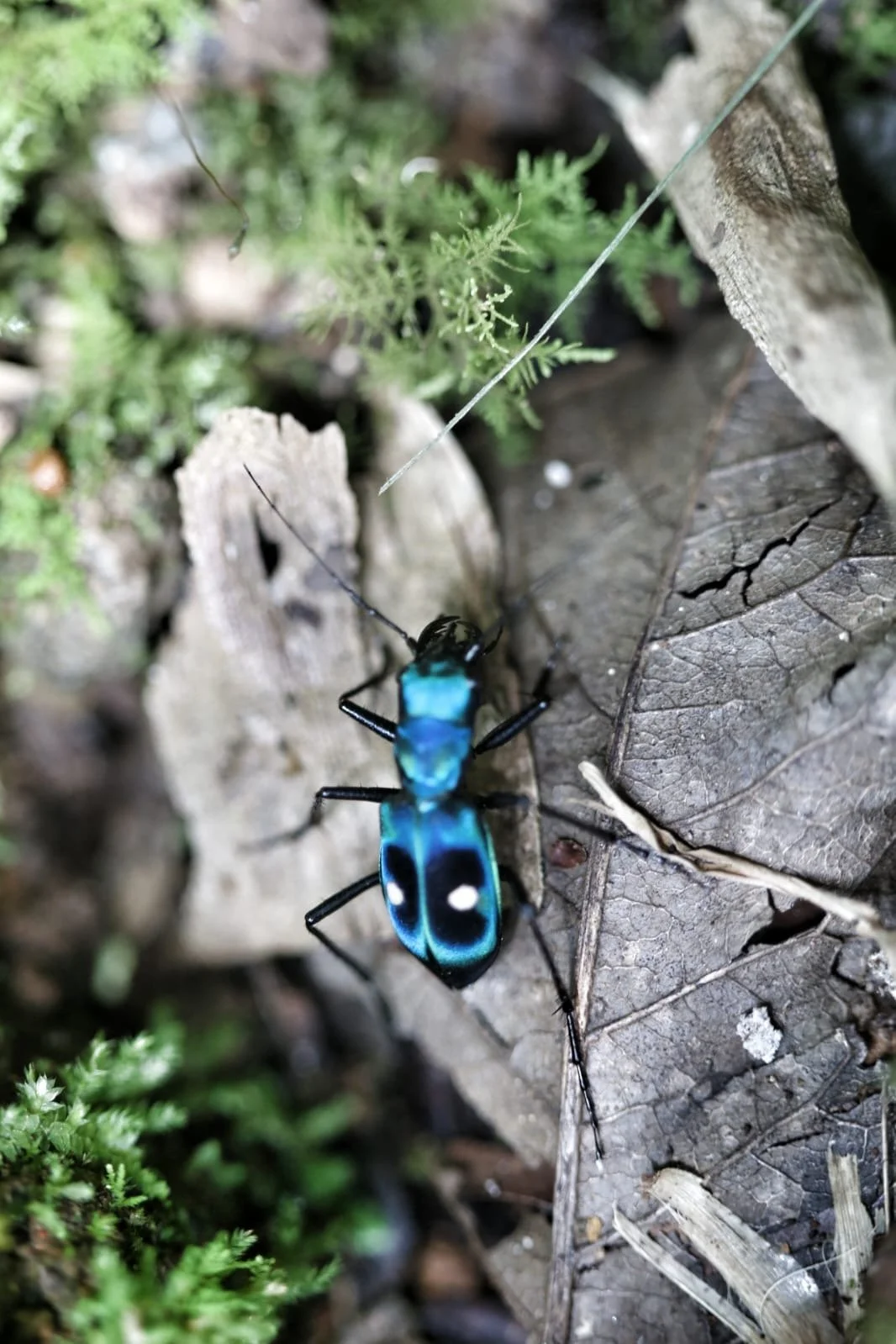
Wildlife also becomes far more active. Frogs emerge by the thousands after sunset, filling the night with one of the loudest natural concerts imaginable. Tiny glass frogs, colorful tree frogs, and countless other amphibians begin calling after even a short afternoon shower. Insects multiply, providing food for birds, bats, reptiles, and mammals. Butterflies gather around damp ground to drink minerals, while dragonflies patrol rivers and ponds. Many snakes become more active because prey is abundant, making careful observation important while hiking. Birdwatchers often enjoy excellent mornings because birds become extremely active in the cooler hours before the afternoon rain begins. Mammals such as sloths, monkeys, coatis, agoutis, and kinkajous continue their daily routines regardless of the weather, and patient visitors are often rewarded with unforgettable wildlife encounters.
One of the greatest advantages of the rainy season is the waterfalls. During the dry months many waterfalls remain beautiful but relatively gentle. Once the rains arrive they are transformed into roaring torrents crashing through jungle valleys with tremendous force. Mist fills the surrounding forest, rainbows appear in the sunlight, and the sound of rushing water echoes for hundreds of meters. Whether visiting the waterfalls near Boquete, the cloud forests of Chiriquí, or hidden jungle cascades throughout the country, travelers quickly realize that the rainy season offers the most dramatic scenery. Rivers become more powerful, swimming holes become deeper, and landscapes that looked peaceful only weeks earlier suddenly feel wild and untamed.
The rainy season also creates one of the greatest pleasures of traveling in Panama: fewer tourists. Hotels often have better availability, prices can be lower, hiking trails feel quieter, beaches become less crowded, and many famous viewpoints can be enjoyed almost entirely alone. Instead of sharing a waterfall with dozens of visitors, you may have it completely to yourself. Backpackers and experienced travelers often choose the green season specifically because they prefer a quieter and more authentic experience.
Of course, the rainy season is not perfect, and anyone who tells you otherwise is not giving you the full picture. There are definitely frustrating aspects that travelers should prepare for. The first is mud. Trails that are easy during the dry season can become slippery, steep, and extremely messy. Hiking boots quickly become coated in thick mud, and even experienced hikers need to slow down. A short walk that normally takes one hour may take considerably longer after heavy rain. Slipping is common, especially on clay soils found throughout many parts of Panama.
Humidity is another challenge that surprises many visitors. During the rainy season the air often feels incredibly moist. Clothes may never seem completely dry, towels can stay damp for days, and shoes may still be wet the morning after a hike. Laundry takes longer to dry, backpacks can develop a damp smell if left closed, and cameras or binoculars may fog up when moving between air conditioned rooms and the warm outdoors. Many travelers eventually accept that during the green season they may feel slightly damp much of the time.
Mosquitoes are another reality. Although mosquitoes exist year round in Panama, standing water created by frequent rain provides more breeding sites. Around forests, rivers, and mangroves, mosquito numbers can increase significantly, particularly during the early morning and evening. Good insect repellent becomes one of the most valuable items in your backpack. Lightweight long sleeves and trousers during dusk can also make a tremendous difference. Other insects, including biting flies and ants, may also become more noticeable after rain.
Transportation occasionally becomes more complicated as well. Heavy rain can reduce visibility for drivers, making roads slower and increasing travel times. Mountain roads sometimes experience small landslides or temporary closures after particularly intense storms. Rural gravel roads may become muddy and difficult to navigate without four wheel drive. Boat tours may occasionally be delayed if storms create rough seas, and small ferries can sometimes operate on modified schedules depending on weather conditions. Public buses generally continue operating, but journeys may take longer than expected because drivers naturally reduce speed during heavy rain.
One of the less obvious annoyances is that planning becomes less predictable. During the dry season you can often organize an entire day with confidence. During the rainy season you need to remain flexible. A planned morning hike may become even better than expected, while an afternoon boat trip might need to be postponed because of approaching thunderstorms. Travelers who become frustrated by changing plans may find the rainy season challenging. Those who remain flexible usually discover unexpected adventures they never anticipated.
Photography can also become both easier and harder. The rainforest is incredibly beautiful after rain, with saturated colors, misty mountains, and dramatic skies. At the same time, photographers constantly need to protect equipment from water, wipe lenses, and manage rapidly changing lighting conditions. Waterproof bags become essential, and even smartphones deserve extra protection.
Packing correctly makes an enormous difference. A lightweight waterproof jacket, quick drying clothing, waterproof hiking shoes with excellent grip, sandals for relaxing after hikes, dry bags for electronics, a rain cover for your backpack, insect repellent, and a small travel towel are all incredibly useful. Rather than packing heavy cotton clothing, choose lightweight synthetic fabrics that dry quickly and remain comfortable even when damp.
Perhaps the greatest lesson about Panama's rainy season is that it teaches travelers to slow down. Instead of rushing from attraction to attraction, you begin appreciating simple moments. Sitting beneath a covered terrace while rain pounds the jungle canopy. Watching hummingbirds continue feeding despite the storm. Listening to distant thunder echo across cloud forest valleys. Smelling the fresh earth after the rain stops. Seeing sunlight suddenly break through clouds and illuminate mountains that had been hidden only minutes before. These are experiences that many travelers remember long after they forget individual hotel rooms or restaurants.
Panama exists because of rain. The forests that attract visitors from around the world, the incredible wildlife, the fertile farmland, the spectacular waterfalls, and even the Panama Canal itself all depend upon seasonal rainfall. Without it, the country would be completely different. The rain is not simply weather. It is the force that gives Panama its remarkable beauty.
If you arrive expecting endless sunshine every hour of every day, you may leave disappointed. But if you arrive expecting one of the richest tropical environments on Earth, understanding that rain is part of its magic, you will likely leave with unforgettable memories. The green season is not about perfect weather. It is about experiencing Panama at its wildest, freshest, most vibrant, and most authentic. For countless experienced travelers, that is exactly why they return year after year.