
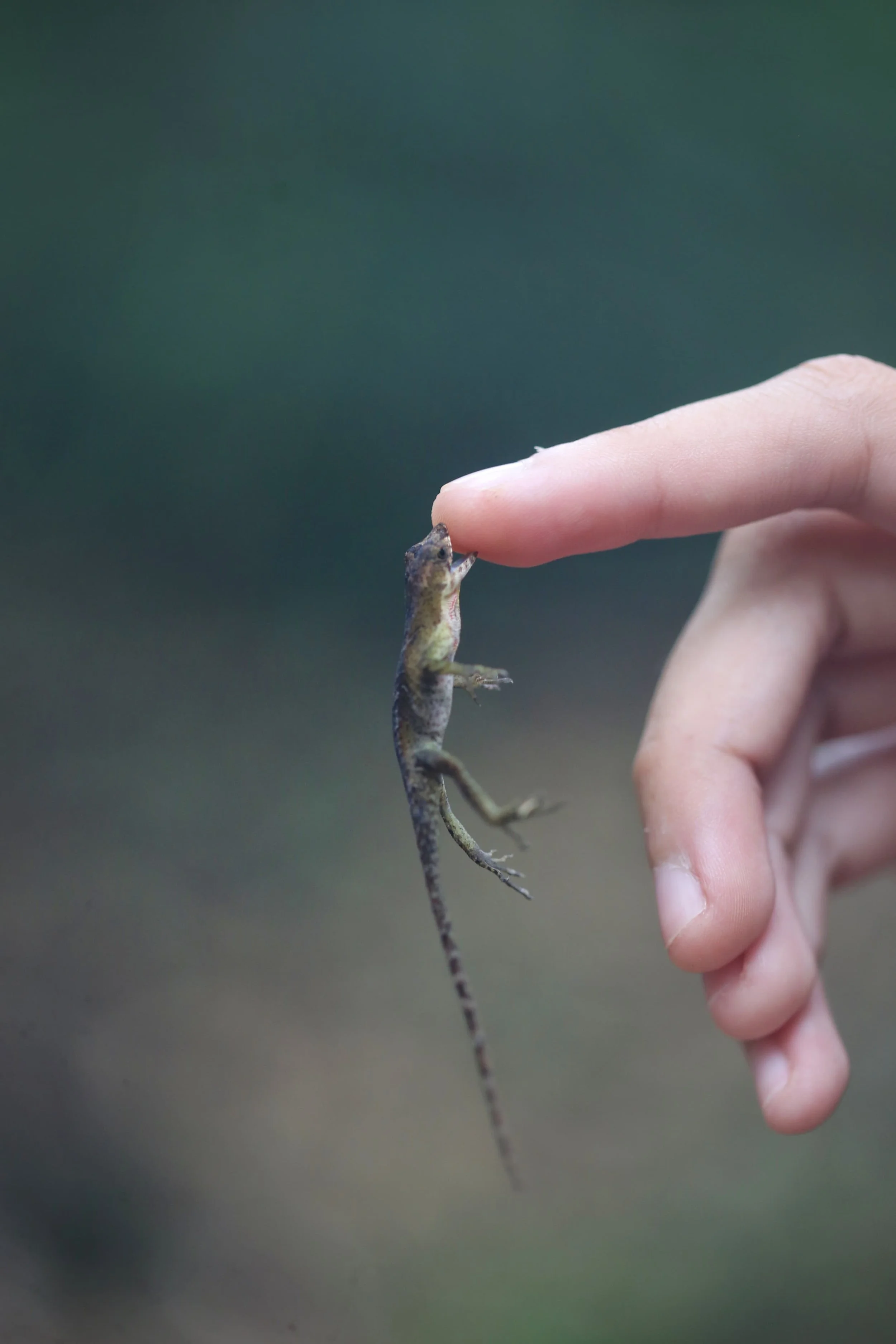
Panama is celebrated around the world for its incredible biodiversity. This small country is home to tropical rainforests, cloud forests, mangroves, mountains, coral reefs, and wetlands that support thousands of species of animals. Jaguars roam the forests of Darién, Harpy Eagles soar above the canopy, monkeys swing through towering trees, and colorful frogs, birds, reptiles, and mammals fill nearly every habitat. Yet behind this remarkable natural wealth lies a quieter and more troubling reality. Despite strong wildlife protection laws, illegal hunting for meat still occurs in parts of the country, particularly in remote rural areas where wild animals have traditionally been part of the local diet.
It is important to understand that this issue is complex. Most Panamanians do not eat wild animals, especially in cities and towns where supermarkets, livestock, poultry, and seafood are readily available. However, in some isolated regions, hunting has been practiced for generations. While subsistence hunting by some Indigenous communities has long historical and cultural roots, commercial poaching and the illegal sale of protected wildlife pose serious conservation problems. As roads expand deeper into forests and access becomes easier, wildlife that once lived in remote areas faces increasing pressure.
One of the animals most commonly hunted illegally is the lowland paca, known locally as the ñeque. This large, spotted rodent is surprisingly beautiful, with rows of white spots running along its dark brown body. Although it may resemble an oversized guinea pig, it can weigh more than ten kilograms and spends much of its time foraging quietly on the forest floor for fallen fruit and seeds. Pacas reproduce relatively slowly, making them vulnerable when hunting becomes excessive. Because their meat is considered highly desirable by some people, they are among the most heavily hunted mammals in Panama. In healthy forests they play an important ecological role by dispersing seeds and helping regenerate tropical vegetation.
Collared peccaries are another frequent target. These pig like mammals travel through forests in noisy family groups, searching for fruit, roots, insects, and other food. Their strong sense of smell helps them locate meals hidden beneath the leaf litter. Peccaries are an essential part of rainforest ecology because they help disperse seeds and influence forest regeneration. They are also an important prey species for jaguars and pumas. Heavy hunting not only reduces peccary populations but also affects the predators that depend on them.
White tailed deer are hunted in some rural regions as well. These graceful animals inhabit forests, grasslands, and agricultural edges throughout much of Panama. Although deer populations remain relatively stable in some protected areas, illegal hunting outside reserves can reduce local numbers significantly. Deer are important browsers that shape vegetation while also serving as prey for large cats.
Another animal that is sometimes eaten illegally is the green iguana. These impressive reptiles are among the largest lizards in Panama and are commonly seen basking in trees beside rivers and wetlands. In some parts of Latin America, iguana meat and eggs have historically been consumed, leading to the nickname "chicken of the trees." While regulated farming exists in some countries, wild iguanas in Panama are protected in many situations, and illegal harvesting can threaten local populations, particularly during the breeding season when females are carrying eggs.
Large freshwater turtles have also suffered from illegal collection. Their meat and eggs have traditionally been eaten in some areas, but many turtle populations have declined because they reproduce slowly and require many years to reach maturity. Removing adult females or collecting eggs can have long lasting impacts on local populations.
One of the most surprising animals that has occasionally been hunted is the nine banded armadillo. Protected by its hard shell, the armadillo spends much of its life digging for insects, grubs, and other invertebrates beneath the soil. Although not hunted on the same scale as pacas or peccaries, it is still taken in some regions despite legal protections.
Agoutis, another medium sized rainforest rodent, are also illegally hunted in some areas. These shy animals are famous for burying seeds throughout the forest, many of which they never recover. As a result, they play a crucial role in growing future rainforest trees. Every agouti contributes to the health of Panama's forests simply by forgetting where it hid some of its food.
Unfortunately, some monkey species have also been hunted in isolated parts of Central America, including Panama, although this is much less common than hunting mammals such as pacas or peccaries. Monkeys reproduce very slowly, often raising only one infant every few years, making them especially vulnerable to population declines if hunting occurs.
Wild birds are occasionally hunted as well. Large species such as the Great Curassow have experienced significant declines in parts of their range because of habitat loss and hunting pressure. Curassows spend much of their time walking along the forest floor, making them easier targets than many other birds. Their disappearance also affects rainforest ecology because they help disperse the seeds of many fruiting trees.
The reasons behind illegal hunting vary. In some remote communities it provides food where other protein sources are limited or expensive. In other cases, wild meat is sold illegally for profit, creating additional pressure on wildlife populations. Improved roads into previously isolated forests can make it easier for hunters to access areas that once acted as natural refuges for wildlife.
The consequences extend far beyond the loss of individual animals. Every species removed from the ecosystem affects countless others. Pacas and agoutis disperse seeds. Peccaries shape forest vegetation. Deer feed predators. Curassows spread the seeds of large rainforest trees. Remove enough of these animals and the entire forest begins to change. Some tree species may decline because their seeds are no longer dispersed effectively. Jaguars and pumas may struggle to find enough prey. The balance that has evolved over thousands of years becomes disrupted.
Fortunately, Panama has made major investments in conservation. More than a quarter of the country's land is protected through national parks, forest reserves, and Indigenous territories. Famous protected areas such as Darién National Park, Coiba National Park, Soberanía National Park, Volcán Barú National Park, and many others provide essential habitat where wildlife receives legal protection. Environmental authorities continue working to combat poaching through patrols, education, and enforcement of wildlife laws.
Ecotourism has also become one of the strongest arguments for protecting wildlife. A living paca photographed on a night hike, a troop of monkeys swinging through the canopy, or a Great Curassow calmly crossing a forest trail creates lasting memories for visitors from around the world. Wildlife tourism supports guides, hotels, restaurants, transportation companies, and local communities while giving animals far greater long term value alive than as a single meal.
Today, many Panamanians take great pride in their country's extraordinary biodiversity. Conservation awareness has grown significantly, especially among younger generations who recognize that Panama's forests are among the richest ecosystems on Earth. Organizations, park rangers, researchers, Indigenous communities, and responsible tourism operators all play important roles in protecting these remarkable animals for future generations.
The story of illegal hunting in Panama is therefore not simply one of loss. It is also a story of growing conservation, education, and hope. Every protected forest, every successful wildlife patrol, every rescued animal, and every traveler who chooses to experience wildlife through binoculars or a camera instead of on a plate helps secure the future of Panama's extraordinary natural heritage.
The rainforests of Panama are among the last great strongholds for many remarkable species. Ensuring that pacas continue wandering the forest floor, peccaries roam in family groups, curassows call through the jungle, and jaguars still have healthy prey populations will allow these forests to remain vibrant and alive for generations to come. Protecting wildlife is not only about saving individual species. It is about preserving one of the richest and most extraordinary ecosystems anywhere on the planet.