
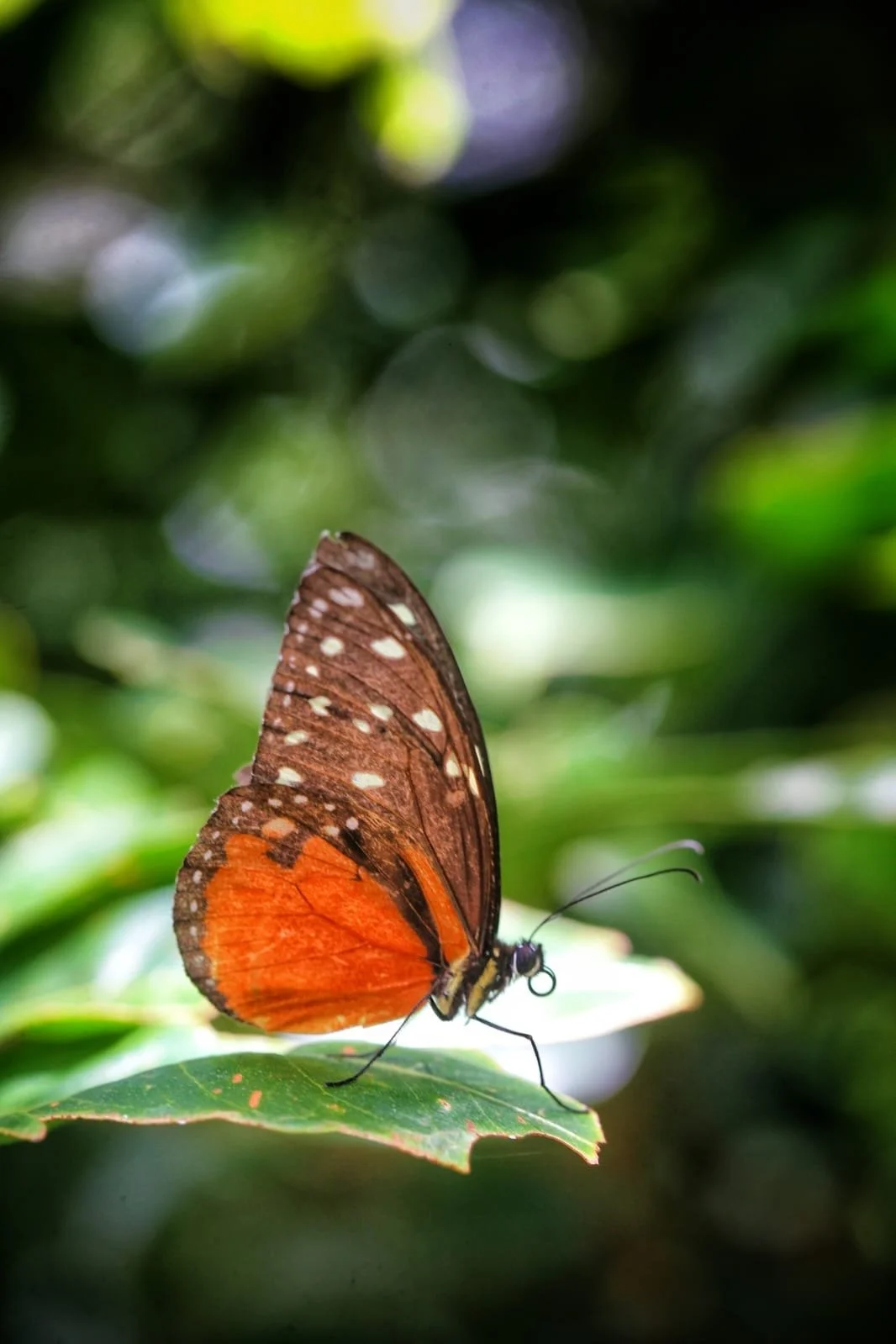
Just 35 kilometers (22 miles) from the skyscrapers of Panama City lies a place that feels like an entirely different world. Gamboa is one of those rare destinations where engineering history and untouched tropical wilderness exist side by side. Here, gigantic container ships silently glide through one of humanity's greatest engineering achievements while only a few hundred meters away howler monkeys roar from the treetops, toucans fly overhead, sloths sleep in cecropia trees, and crocodiles bask along the banks of the Chagres River.
For many travelers, Gamboa is simply a stop on the way to a rainforest tour. In reality, it deserves to be a destination in its own right. It is one of the easiest places in the world to experience a true tropical rainforest without venturing deep into the wilderness. Within half an hour of leaving downtown Panama City, visitors can find themselves surrounded by dense jungle, listening to thousands of birds, insects, frogs, and monkeys instead of traffic and construction.
Gamboa occupies an extraordinary location where the mighty Chagres River flows into Gatún Lake, one of the largest artificial lakes in the world, created during the construction of the Panama Canal. This strategic position has shaped the town's history for more than a century. It was founded in 1911 during the construction of the Panama Canal to house workers involved in one of history's greatest engineering projects. Later it became an important Canal Zone community and remained closely connected to canal operations until the transfer of the canal to Panama in 1999.
Today, Gamboa has transformed into one of Panama's premier ecotourism destinations. Unlike beach resorts or bustling mountain towns, Gamboa's greatest attraction is nature itself. The rainforest begins almost at the edge of town, making wildlife encounters a daily occurrence rather than a rare event.
Perhaps nothing captures the magic of Gamboa better than dawn. Before sunrise the forest slowly awakens. The deep booming calls of mantled howler monkeys echo across the valley, sounding almost prehistoric. Soon afterward, dozens of bird species begin singing simultaneously, creating an unforgettable natural symphony. Mist rises from the Chagres River while the first sunlight filters through towering rainforest trees. It is during these early hours that Gamboa truly comes alive.
Birdwatchers consider Gamboa one of the finest birding destinations on Earth. More than 500 species have been recorded in the surrounding forests, making it one of the richest bird habitats in Central America. Depending on the season and a bit of luck, visitors may spot keel billed toucans, slaty tailed trogons, motmots, parrots, tanagers, antbirds, jacamars, puffbirds, hawks, kingfishers, hummingbirds, and even the magnificent harpy eagle in nearby conservation facilities. Every walk through the forest offers the possibility of discovering another remarkable species.
The famous Pipeline Road, located within nearby Soberanía National Park, has become legendary among birdwatchers around the globe. What was once built as an access road for an oil pipeline is now recognized as one of the greatest birding trails anywhere. Scientists, photographers, and bird enthusiasts travel thousands of miles to spend just a single morning walking this forest road. During migration seasons, hundreds of species can sometimes be observed in only a few hours.
The mammals around Gamboa are equally fascinating. White faced capuchin monkeys frequently investigate visitors from nearby branches, displaying remarkable curiosity and intelligence. Geoffroy's tamarins, one of Panama's smallest monkey species, often appear in energetic family groups racing through the canopy. Mantled howler monkeys announce their presence with calls that can travel several kilometers through the forest. Lucky visitors might also encounter sloths, coatis, agoutis, peccaries, anteaters, armadillos, bats, kinkajous, olingos, or even elusive jaguar tracks, although the big cats themselves are almost never seen.
One of Gamboa's most popular activities is the famous Monkey Island boat excursion. Traveling across the calm waters of Gatún Lake, visitors weave among forested islands created when the Chagres Valley was flooded during canal construction. These islands became isolated pieces of rainforest where several monkey species continue to thrive. Boats often attract curious capuchins that approach closely, while howler monkeys and tamarins can frequently be spotted in the surrounding trees. Along the journey, visitors may also encounter iguanas, crocodiles, turtles, osprey, herons, and countless tropical birds. Community reports from travelers consistently describe this as one of the highlights of a visit to Gamboa.
The waterways surrounding Gamboa are just as fascinating as the forest itself. Every day enormous cargo ships from every corner of the globe pass through the Panama Canal only a short distance from small fishing boats and wildlife tour vessels. Watching these engineering giants quietly navigate the narrow channel while surrounded by untouched rainforest is an experience found nowhere else in the world.
Fishing enthusiasts know Gatún Lake as one of Panama's premier freshwater fishing destinations. Peacock bass, an introduced species, provides exciting sport fishing, while native fish continue to thrive throughout the vast lake system. The lake also supplies much of the freshwater needed to operate the Panama Canal, making conservation of the surrounding rainforest critically important.
Scientists have also recognized Gamboa as one of the world's most valuable outdoor laboratories. For decades, the Smithsonian Tropical Research Institute has operated research facilities in and around Gamboa, attracting biologists from across the globe. Studies conducted here have greatly expanded our understanding of tropical forests, climate change, amphibians, bats, insects, birds, plants, and rainforest ecology. The nearby research station on Barro Colorado Island is among the most important tropical biology research sites on Earth.
The forests surrounding Gamboa are protected as part of Soberanía National Park, preserving approximately 22,000 hectares of tropical rainforest. These forests are not only valuable for wildlife but are also essential to the operation of the Panama Canal itself. Healthy forests help regulate rainfall, reduce erosion, protect water quality, and ensure sufficient freshwater enters Gatún Lake. Without these forests, the canal could not function as efficiently as it does today.
One remarkable feature of Gamboa is how accessible its wildlife is. Unlike many tropical destinations where visitors must hike for hours into remote forests, many animals can be seen simply by walking through town, driving nearby roads, or relaxing beside the river. Sloths often rest beside public roads. Monkeys cross overhead. Toucans fly between fruiting trees. Iguanas sunbathe near the water's edge. Every outing feels like an informal safari.
Photography enthusiasts particularly love Gamboa because wildlife encounters are frequent and the rainforest scenery changes dramatically throughout the day. Early morning mist creates magical landscapes, midday sunshine illuminates brilliant tropical colors, and evening light reflects beautifully off the Chagres River while the jungle slowly transitions from birdsong to the calls of frogs and insects.
Although Gamboa feels remote, it remains incredibly convenient to reach. Located roughly 30 to 40 minutes from Panama City by road, it offers one of the easiest rainforest escapes anywhere in Latin America. Visitors can comfortably spend a single day exploring before returning to the city, although many choose to stay overnight to experience the forest during dawn and after dark.
Nighttime reveals an entirely different rainforest. Tree frogs emerge from hidden pools, insects begin their nightly chorus, bats dart overhead searching for food, and nocturnal mammals quietly move through the canopy. Guided night walks often reveal creatures that remain completely hidden during daylight hours, reminding visitors that the rainforest never truly sleeps.
Despite its relatively small size, Gamboa has become one of Panama's most internationally recognized ecotourism destinations. It successfully combines history, engineering, wildlife, scientific research, conservation, and adventure into one unforgettable destination. Few places allow visitors to witness one of the greatest engineering marvels ever built while standing amid one of the most biodiverse tropical forests on the planet.
For travelers seeking more than beaches and city skylines, Gamboa represents the very essence of Panama. It is a place where nature still dominates, where science continues to uncover new discoveries, where ships carrying the world's commerce pass beneath rainforest-covered hills, and where every sunrise offers another reminder of why Panama is considered one of the richest countries on Earth for biodiversity. Whether your passion is birdwatching, wildlife photography, hiking, history, boating, or simply experiencing the sights and sounds of a genuine tropical rainforest, Gamboa delivers an experience that few places in the world can match.