
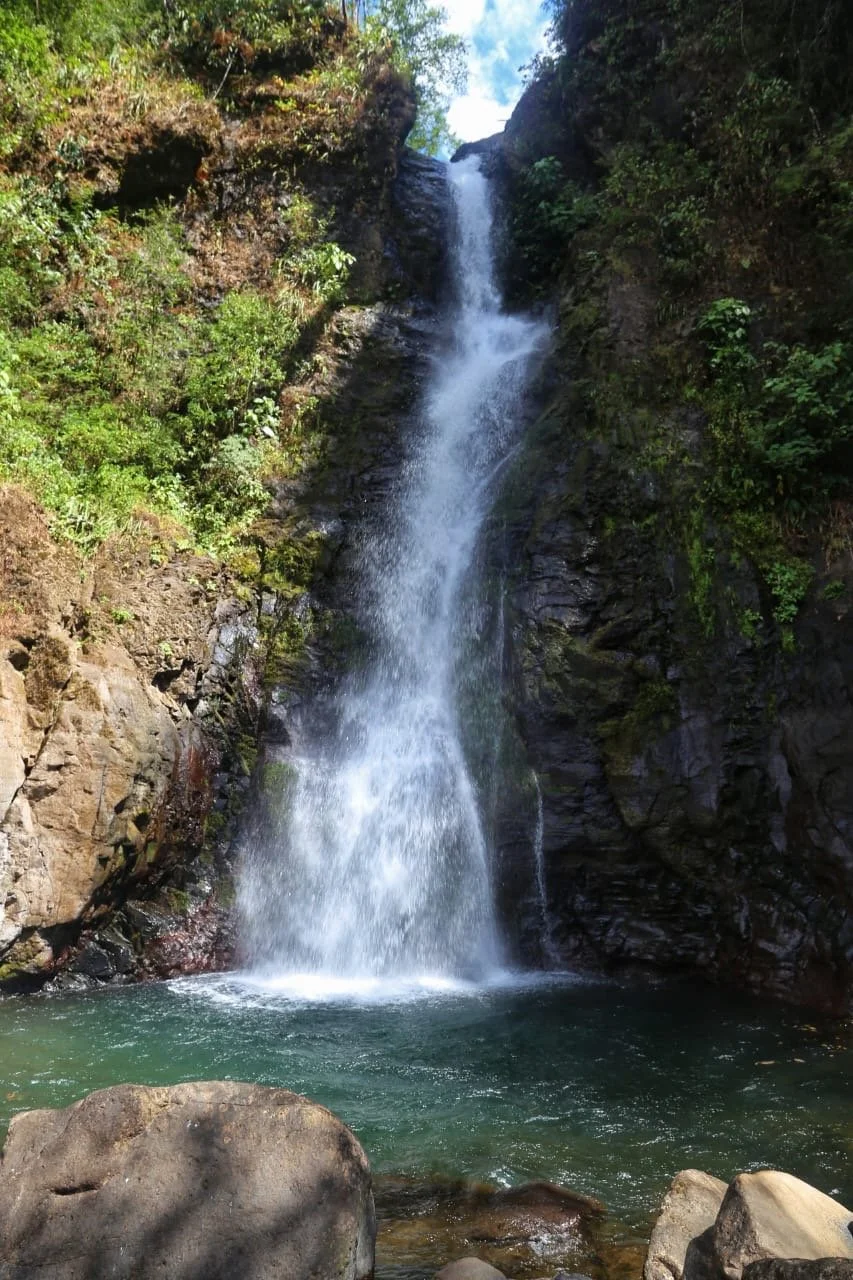
Panama is one of the most spectacular countries in the world for hiking. Within a single day you can climb through cool cloud forests, wander beneath towering rainforest trees, discover hidden waterfalls, swim in crystal clear rivers, and stand on mountain viewpoints overlooking both the Pacific Ocean and the Caribbean Sea. It is a paradise for outdoor lovers, and every year thousands of backpackers arrive hoping to experience the country's wild beauty.
Yet hidden beneath this incredible landscape lies one of nature's most powerful and underestimated forces.
Rain.
Not the gentle drizzle that cools the air or creates magical mist drifting through the cloud forest. The real danger comes from the enormous amount of water that tropical storms can unleash in a very short period of time. In Panama, rain has the power to transform peaceful streams into violent rivers, create dangerous flash floods, move massive boulders, uproot giant trees, and completely reshape parts of the landscape in just a few hours.
Understanding how rain affects rivers is one of the most important pieces of knowledge any backpacker can have. It is not about being afraid of nature. It is about respecting it. The more you understand the incredible power of water, the safer and more enjoyable your adventure will be.
Tropical Rain Is Different
Many visitors arrive in Panama after travelling through Europe, North America, or other parts of the world where rainfall is often light and steady.
Panama plays by different rules.
The country's tropical climate allows warm, moisture filled air to rise rapidly over mountains. As this air cools, enormous storm clouds can develop. During the rainy season, it is not unusual for intense downpours to dump huge amounts of rain in less than an hour.
What begins as blue skies during breakfast can become a torrential tropical storm by mid afternoon.
Unlike gentle rain that slowly soaks into the ground, heavy tropical rainfall quickly overwhelms the soil. Water races downhill through every valley, ravine, creek, and river at astonishing speed.
Every Drop Joins the River
Imagine standing beside a peaceful jungle stream.
The water is crystal clear.
You can see fish swimming.
The rocks look harmless.
The current barely reaches your ankles.
It feels impossible that anything dangerous could happen.
Now imagine rain falling high in the mountains several kilometres away.
You cannot hear it.
You cannot see it.
The sky above you might still be completely blue.
But thousands of litres of water are now rushing downhill.
Every tiny stream begins carrying more water.
Small creeks combine into larger streams.
Those streams feed rivers.
Within a surprisingly short amount of time, the peaceful river beside you may begin rising rapidly.
This is how flash floods happen.
Rivers Can Rise Faster Than You Think
One of the biggest misconceptions among hikers is believing they will have plenty of warning before rivers become dangerous.
Unfortunately, nature does not always give warnings.
In steep tropical landscapes like Panama, rivers can rise dramatically in minutes rather than hours.
Water that falls high in the mountains may travel downhill incredibly quickly.
A crossing that seemed perfectly safe when you started your hike may become completely impassable on the return journey.
This is why experienced guides always pay attention to the weather, even when the trail itself appears dry.
Water Is Incredibly Heavy
Many people underestimate moving water because it looks soft.
In reality, water is astonishingly powerful.
A single cubic metre of water weighs about one thousand kilograms.
Now imagine thousands upon thousands of cubic metres rushing downhill every minute.
That tremendous weight creates enormous force.
The current pushes against rocks.
It tears away riverbanks.
It carries fallen trees downstream.
It moves boulders that weigh far more than a car.
If enough force exists to move giant rocks, it can easily knock a person off their feet.
Calm Water Can Hide Powerful Currents
One of the most deceptive things about rivers is that the surface often hides what is happening underneath.
Water may appear calm from above while extremely powerful currents flow below.
The smoothest looking section is not always the safest crossing.
Deep holes, slippery rocks, uneven footing, submerged logs, and changing currents can all create hazards that are impossible to see from the riverbank.
This is especially true after heavy rain.
Waterfalls Become Completely Different
Many of Panama's waterfalls are peaceful places to swim during good weather.
Visitors relax in natural pools.
Friends jump from rocks.
Backpackers spend hours enjoying the cool water after a long hike.
But after significant rainfall these same waterfalls can become completely transformed.
The gentle cascade may become a roaring wall of water.
Natural swimming pools become turbulent.
Currents strengthen dramatically.
Floating debris begins appearing.
The beautiful location that felt completely safe yesterday may no longer be suitable for swimming today.
Nature constantly changes.
The Mountains Control Everything
Panama's mountain ranges act like giant water collectors.
When storms pass overhead, they capture enormous amounts of rainfall.
Cloud forests often receive much more rain than nearby towns.
This means hikers cannot judge river safety simply by looking at the local weather.
You may be standing beneath sunshine while heavy rain falls high above in the mountains.
That distant rainfall will eventually flow downhill.
The river does not care whether the rain fell beside you or many kilometres away.
Slippery Trails Become More Dangerous
Rain does not only affect rivers.
It transforms hiking trails as well.
Dry dirt becomes slippery mud.
Tree roots become polished like ice.
Loose rocks shift beneath your boots.
Steep descents require much greater concentration.
Even experienced hikers slow down considerably after heavy rain.
Good footwear with proper grip becomes essential rather than optional.
Walking carefully is always faster than recovering from an injury.
Rivers Can Change Overnight
One fascinating aspect of Panama's rivers is that they are constantly reshaping themselves.
After major storms you may discover:
New channels where water now flows.
Fresh gravel bars.
Large fallen trees blocking previous crossings.
Missing footbridges.
Different water depths.
Completely altered riverbanks.
Nature is constantly rebuilding the landscape.
Returning to a trail months later may feel like visiting a completely different place.
Never Underestimate Flash Floods
Flash floods are among the most dangerous natural hazards hikers can encounter.
Unlike slowly rising rivers that give obvious warning, flash floods develop rapidly.
One moment a stream may be ankle deep.
A short time later it may become a fast moving torrent carrying branches, rocks, and muddy water.
Because they develop so quickly, the safest decision is always to avoid unnecessary river crossings whenever heavy rain is expected or has recently fallen.
Waiting is almost always the smarter choice.
The mountain will still be there tomorrow.
Listen to Local Advice
One of the greatest resources any traveller has is local knowledge.
Guides, hostel staff, national park rangers, and nearby residents understand how local rivers behave.
If someone who knows the area advises against crossing a river or hiking a particular trail after heavy rain, take that advice seriously.
They have often seen conditions change many times before.
Experience is one of the best safety tools available.
Pack for Wet Conditions
Panama's weather can change quickly, so smart backpackers prepare before leaving the hostel.
Waterproof bags protect electronics.
Dry clothing packed in waterproof liners provides comfort after unexpected rain.
A lightweight rain jacket makes hiking much more enjoyable.
Proper hiking shoes improve traction on muddy trails.
Simple preparation allows you to enjoy the rainforest rather than worry about every rain cloud.
Respect Nature Without Fearing It
One of the greatest lessons hiking teaches is humility.
No matter how experienced we become, nature is always more powerful.
The rivers flowing through Panama have spent thousands of years carving valleys, shaping mountains, creating waterfalls, and sustaining countless plants and animals.
They deserve our admiration.
They also deserve our respect.
Most hiking accidents are not caused by bad luck.
They happen when people underestimate changing conditions, ignore warnings, rush decisions, or assume yesterday's conditions are the same as today's.
Patience is often the safest decision a backpacker can make.
Adventure and Awareness Go Hand in Hand
The incredible rivers of Panama are one of the country's greatest treasures. They provide drinking water for communities, create breathtaking waterfalls, support extraordinary wildlife, and offer unforgettable places to swim after a rewarding hike. They are part of what makes Panama one of the world's most exciting destinations for nature lovers.
But every backpacker should remember that these beautiful rivers are living systems, constantly responding to the weather, the mountains, and the tropical climate. A peaceful stream in the morning can become a powerful river by afternoon, and a safe crossing can quickly become one that should be avoided.
The most experienced hikers are not those who take the biggest risks. They are the ones who understand that good judgement is just as important as strong legs. They know when to continue, when to slow down, and when to turn back. They respect local advice, keep an eye on the weather, and appreciate that nature always has the final say.
When you hike through Panama's spectacular cloud forests, jungles, waterfalls, and mountain trails, embrace the adventure with excitement, curiosity, and respect. Do that, and you will discover not only one of the most beautiful countries on Earth, but also the wisdom that every great explorer eventually learns: nature rewards those who admire its beauty while respecting its power.