
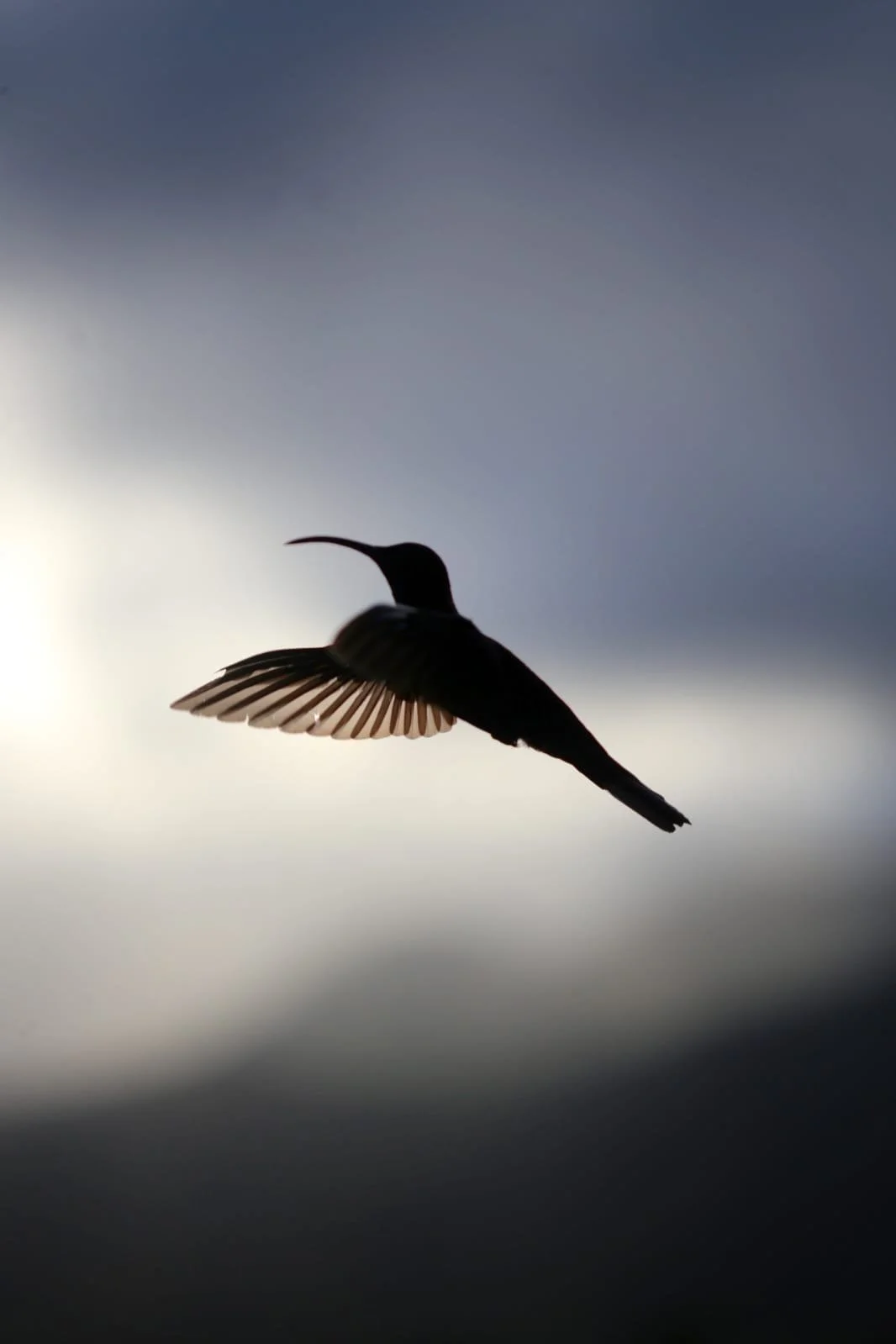
Panama has become one of the fastest growing travel destinations in the Americas, yet one of its greatest strengths is that so much of the country remains wonderfully undiscovered. While thousands of visitors flock each year to Panama City, the Panama Canal, Boquete, Bocas del Toro, and San Blas, these famous destinations represent only a fraction of what the country has to offer. The real Panama often begins where the highways narrow into winding mountain roads, where cell phone signals disappear, where tiny villages replace bustling cities, and where nature becomes the main attraction.
This is a country where you can wake up in a cloud forest surrounded by hummingbirds, spend the afternoon swimming beneath a jungle waterfall, and finish the day watching the sun disappear behind remote Pacific islands. You can hike through misty forests that feel like scenes from Jurassic Park, discover volcanic landscapes unlike anywhere else in Central America, explore deserted beaches without another footprint in sight, and visit communities where life has changed remarkably little over generations.
Panama's compact size is one of its greatest gifts to adventurous travelers. Within a few hours, landscapes transform dramatically. Dense tropical rainforests give way to rolling cattle ranches. Volcanic mountains rise above fertile valleys. Dry Pacific coastlines suddenly become humid Caribbean jungles. Mangrove forests transition into coral reefs, while rivers born high in the mountains carve spectacular canyons through untouched wilderness before reaching two completely different oceans.
For travelers who believe that the best adventures happen beyond the guidebooks, Panama may be one of the greatest destinations on Earth.
The Gulf of Chiriquí Islands
Far from the crowds of Bocas del Toro lies one of Panama's most spectacular hidden treasures, the Gulf of Chiriquí National Marine Park. Scattered across the Pacific are dozens of beautiful islands that remain remarkably quiet despite their extraordinary beauty.
Isla Parida is famous for its white sandy beaches, calm turquoise water, and tropical forests where howler monkeys and colorful birds can often be heard before they are seen. Kayaking around the shoreline reveals hidden coves while snorkeling uncovers coral reefs filled with tropical fish.
Isla Gámez offers another peaceful escape with crystal clear water and untouched beaches that often feel completely private. It is the kind of place where the loudest sound is usually the waves gently washing ashore.
Isla Bolaños, a protected wildlife refuge, attracts thousands of seabirds that nest on its rocky cliffs. During certain times of the year, humpback whales migrate through the surrounding waters, creating unforgettable wildlife encounters.
Because tourism remains relatively limited, these islands still preserve the feeling of genuine exploration. Instead of crowds and beach bars, visitors discover silence, wildlife, and landscapes that have changed very little over the centuries.
Punta Burica
Few places in Panama feel as remote as Punta Burica.
Located at the southern end of the Burica Peninsula near the Costa Rican border, Punta Burica remains one of the country's least visited coastal regions. The roads become rough, the villages become smaller, and the scenery becomes increasingly spectacular.
Towering cliffs plunge into the Pacific Ocean while empty beaches stretch for kilometers with almost no visitors. The region is incredibly rich in wildlife. Scarlet macaws fly overhead, monkeys move through coastal forests, sea turtles nest on isolated beaches, and dolphins frequently patrol the shoreline.
For travelers searching for true solitude, Punta Burica delivers an experience that has become increasingly rare in today's world. It feels wonderfully disconnected from modern life.
Klosay Waterfall
Hidden within the mountains near Volcán, Klosay Waterfall is one of western Panama's greatest natural surprises. Massive walls of jungle surround a waterfall that crashes into a refreshing pool below. The journey itself passes through coffee farms, indigenous communities, forests, and mountain viewpoints that are every bit as impressive as the destination.
Unlike waterfalls that receive thousands of daily visitors elsewhere in the world, Klosay often feels wonderfully peaceful.
Fortuna Forest Reserve
One of Panama's richest ecosystems lies inside the Fortuna Forest Reserve. Here ancient cloud forests remain draped in moss, orchids grow on towering trees, and mist drifts through the mountains almost every afternoon.
The reserve supports extraordinary biodiversity including sloths, monkeys, hummingbirds, toucans, quetzals, agoutis, coatis, countless butterflies, and hundreds of bird species.
Walking these forests often feels like stepping back into prehistoric times.
Santa Fé
Nestled deep within Veraguas Province, Santa Fé remains one of Panama's least appreciated mountain destinations.
Waterfalls tumble through forested valleys while rivers create crystal clear swimming holes perfect for cooling off after a hike. Coffee farms dot the surrounding hillsides, and the welcoming atmosphere makes it easy to spend several relaxing days exploring the area.
Unlike more developed mountain towns, Santa Fé retains a peaceful rural character where nature still dominates the landscape.
Cerro Hoya National Park
Cerro Hoya is one of the wildest national parks in all of Central America.
Mountains covered in dense rainforest descend directly into the Pacific Ocean, creating one of the country's most spectacular yet inaccessible landscapes.
The park protects jaguars, pumas, tapirs, scarlet macaws, monkeys, crocodiles, and countless other species. Very few people ever visit compared to Panama's better known parks, making every expedition feel like a genuine wilderness adventure.
Pixvae
The tiny fishing village of Pixvae is one of Panama's hidden coastal gems.
Located on the Pacific coast, it serves as a quiet gateway to the incredible marine biodiversity surrounding Coiba National Park. Snorkeling, diving, whale watching, kayaking, and sport fishing are all available without the crowds found elsewhere.
Life moves slowly here, allowing visitors to experience authentic coastal Panama.
Sarigua National Park
One of Panama's most surprising landscapes resembles a miniature desert.
Sarigua National Park is unlike anywhere else in the country. Dry cracked earth stretches toward the horizon while salt flats shimmer beneath the tropical sun.
Visiting Sarigua reminds travelers just how geographically diverse Panama truly is. Few people expect to discover desert landscapes in a nation famous for tropical rainforests.
Río Cañazas
Western Panama is filled with rivers that remain largely unknown outside nearby communities.
Río Cañazas winds through forests and volcanic valleys before creating beautiful swimming holes surrounded by lush vegetation.
After periods of heavy rain these rivers become powerful reminders of nature's force, while during the dry season they transform into peaceful places to relax beneath the tropical sun.
Hidden Coffee Roads
Most visitors only experience Boquete's coffee region, but some of Panama's most scenic drives lie around Volcán, Cerro Punta, Renacimiento, and Santa Clara.
Quiet roads pass family owned coffee farms producing beans that regularly win international awards. Vegetable farms, dairy pastures, cloud forests, and volcanic viewpoints combine to create one of the country's most beautiful landscapes.
Driving these roads feels like discovering a side of Panama that relatively few international tourists ever experience.
Caribbean Villages Beyond the Tourist Trail
While Bocas del Toro receives international attention, much of Panama's Caribbean coastline remains wonderfully isolated.
Small villages tucked between rainforest covered mountains and turquoise water preserve traditional fishing lifestyles that have continued for generations.
Many beaches have no hotels, no restaurants, and no crowds. Reaching them often requires a boat ride, but the reward is complete tranquility.
El Copé National Park
This underrated national park protects vast expanses of humid mountain forest filled with orchids, tree ferns, colorful frogs, and spectacular birdlife.
Morning clouds drift through the canopy while waterfalls emerge from dense jungle. Hiking here provides an intimate encounter with Panama's incredible biodiversity.
The Forgotten Rivers and Canyons
Across Panama, countless rivers carve deep canyons through volcanic rock.
Some contain natural waterslides polished smooth over thousands of years. Others feature hidden waterfalls, emerald swimming pools, or dramatic rock formations that few people ever photograph.
Local residents often know these places well, but many remain almost completely absent from international travel guides.
Wildlife Around Every Corner
One reason Panama is such an extraordinary destination for adventurous travelers is that remarkable wildlife can appear almost anywhere.
You may round a corner and discover a sloth hanging quietly above the road. Scarlet macaws may soar overhead while monkeys leap between rainforest trees. A toucan might land only a few meters away, or a family of coatis may wander across a forest trail.
At night the forests become even more alive. Tree frogs begin calling from hidden ponds. Tarantulas emerge from burrows. Kinkajous climb through the canopy, while owls hunt silently beneath the stars.
Unlike many countries where wildlife is confined to remote reserves, Panama often brings nature directly to you.
The Joy of Getting Lost
Perhaps the greatest hidden attraction in Panama is not a single waterfall, mountain, or beach.
It is the freedom to explore.
Many of the country's finest experiences happen unexpectedly. You stop at a roadside fruit stand and discover a hidden waterfall nearby. You ask a local for directions and end up swimming in a river known only to nearby families. You take a scenic detour and find yourself standing at a breathtaking viewpoint that appears in almost no travel guide.
Panama still rewards curiosity in ways that many destinations no longer do.
A Country That Still Feels Wild
In an age when many famous destinations have become crowded and commercialized, Panama continues to offer something increasingly valuable: genuine adventure. It remains one of the few places where travelers can still feel like explorers rather than tourists. Its hidden waterfalls continue to thunder through untouched jungles. Remote islands remain surrounded by vibrant coral reefs. Mountain villages continue their peaceful routines beneath towering volcanoes, while forgotten beaches welcome only the occasional fisherman, surfer, or adventurous backpacker.
From the emerald cloud forests of Chiriquí to the hidden islands of the Gulf of Chiriquí, from the dramatic cliffs of Punta Burica to the mysterious desert landscape of Sarigua, from forgotten coffee roads to jungle rivers and isolated Caribbean villages, Panama is a country that constantly rewards those willing to look beyond the obvious.
The greatest memories are rarely found in the busiest places. They are discovered on empty beaches where the only footprints are your own, on mountain trails where hummingbirds dart through misty forests, on hidden islands where dolphins accompany your boat, and in quiet villages where genuine hospitality still defines daily life. Panama is far more than a destination of famous landmarks. It is a land of hidden wonders, waiting patiently for adventurous travelers to discover what lies just beyond the beaten path.