
When most people think of Panama, they picture the Panama Canal, tropical islands, white sand beaches, or the cool mountain town of Boquete. While these places are undoubtedly spectacular, they tell only part of Panama's story. To truly understand the country, it is worth looking beyond the familiar tourist trail and into the Indigenous territories known as the comarcas. These remarkable regions protect not only some of Panama's oldest cultures, but also some of its wildest landscapes, richest biodiversity, and most breathtaking scenery.
A comarca is an autonomous Indigenous territory recognized by the Panamanian government. These regions allow Indigenous peoples to govern many aspects of their own communities, preserve their traditions, protect their ancestral lands, and maintain languages and customs that have survived for centuries. Together, the comarcas cover more than one fifth of Panama, making them an essential part of the nation's geography and identity.
For travelers, the comarcas offer an opportunity to experience a side of Panama that feels completely different from its cities and beach resorts. Towering mountains, cloud forests, jungle rivers, remote islands, waterfalls, handcrafted artwork, traditional clothing, and centuries old customs combine to create unforgettable experiences.
The Ngäbe Buglé Comarca
The largest comarca in Panama is the Ngäbe Buglé Comarca, stretching across the provinces of Chiriquí, Veraguas, and Bocas del Toro. Home to the Ngäbe and Buglé peoples, it is a vast region of rugged mountains, river valleys, forests, and small agricultural communities.
Driving through the comarca reveals spectacular scenery. Roads climb into mist covered mountains where forests remain largely untouched. Small wooden homes cling to steep hillsides, while families cultivate coffee, bananas, corn, beans, and vegetables using traditional farming methods. The landscape feels timeless, with rivers carving deep valleys beneath towering green peaks.
One of the greatest surprises for visitors is the incredible beauty of the mountain scenery. The hills surrounding places like Hato Chamí and the highlands near the Chiriquí border offer panoramic views that rival many of Panama's famous destinations. Early mornings often begin with clouds drifting through valleys before giving way to brilliant sunshine.
Many travelers also pass through parts of the comarca while traveling between David and Bocas del Toro. Even from the highway, the scenery is impressive, but venturing farther into the mountains reveals an even more spectacular landscape.
The Ngäbe people are also renowned for their colorful traditional dresses, beautifully woven chácaras, intricate beadwork, and strong cultural traditions that continue to shape daily life throughout the region.
Guna Yala
Perhaps the world's most famous comarca is Guna Yala, formerly known as San Blas.
Stretching along Panama's Caribbean coast, Guna Yala consists of more than 360 islands scattered across crystal clear turquoise waters. Many of these islands are tiny, with nothing more than a few coconut palms surrounded by brilliant white sand and coral reefs.
This is one of the most visually stunning destinations anywhere in Central America.
The Guna people have carefully protected both their culture and environment for generations. Visitors often arrive by four wheel drive vehicle followed by a boat ride into the archipelago, where life moves at a peaceful pace. Many islands have only a handful of simple cabins or hammocks, allowing travelers to disconnect completely from modern life.
Snorkeling reveals colorful coral reefs filled with tropical fish, rays, starfish, and occasionally sea turtles. Dolphins are sometimes seen offshore, while sunsets paint the Caribbean sky in spectacular colors.
Equally fascinating is the Guna culture itself. Women are famous for wearing beautifully embroidered molas, intricate textile artworks that have become one of Panama's most recognizable cultural symbols. Every mola is handmade and unique, often taking weeks to complete.
Emberá Wounaan Comarca
Deep within Panama's eastern rainforests lies the Emberá Wounaan Comarca.
Unlike the islands of Guna Yala or the mountains of the Ngäbe Buglé territory, this comarca is defined by dense tropical rainforest and winding rivers.
Many visitors reach Emberá communities by dugout canoe, traveling upriver beneath enormous rainforest trees while monkeys call from the canopy and colorful birds fly overhead. The journey itself often becomes one of the highlights.
The Emberá people are famous for their extraordinary wood carving, woven baskets made from natural fibers, traditional music, dance, and deep knowledge of rainforest plants and wildlife.
Many villages welcome visitors interested in learning about Indigenous culture in a respectful and sustainable way. Guests may enjoy traditional meals, observe handicraft demonstrations, or learn about medicinal plants that have been used for generations.
The surrounding rainforest is equally impressive, home to monkeys, toucans, sloths, frogs, butterflies, and countless tropical birds.
Madugandí
Located east of Panama City, Madugandí surrounds portions of the shores of Lake Bayano and the surrounding forests.
This lesser visited comarca offers beautiful jungle landscapes where rivers, forested hills, and lakes combine to create excellent opportunities for birdwatching and nature photography.
Because relatively few tourists visit Madugandí, the experience feels especially authentic.
The forests support monkeys, parrots, toucans, hummingbirds, reptiles, and an incredible variety of tropical plants.
Wargandí
Even more remote is Wargandí, another Guna comarca located between Darién and Guna Yala.
Few international travelers ever visit this isolated territory.
The landscape consists primarily of untouched rainforest crossed by rivers and streams flowing toward the Caribbean. Because of its isolation, much of the forest remains remarkably well preserved, providing habitat for jaguars, tapirs, harpy eagles, monkeys, and countless other species.
For adventurous travelers interested in Panama's wilderness, Wargandí represents one of the country's last great frontiers.
Naso Tjër Di
Panama's newest comarca is Naso Tjër Di, located in the forests of Bocas del Toro.
The Naso people are unique because they have historically maintained one of the few hereditary Indigenous monarchies in the Americas, with a traditional king playing an important cultural role.
The comarca protects a landscape of exceptional natural beauty, including rivers, tropical rainforest, and wildlife rich ecosystems that border the spectacular La Amistad International Park.
Although tourism remains limited, the region offers incredible opportunities for ecotourism, wildlife observation, and cultural learning.
Beautiful Places to Experience Near the Comarcas
Some of Panama's most spectacular scenery lies within or immediately beside the Indigenous territories.
The Caribbean islands of Guna Yala are among the country's most beautiful destinations, with crystal clear water and postcard perfect beaches.
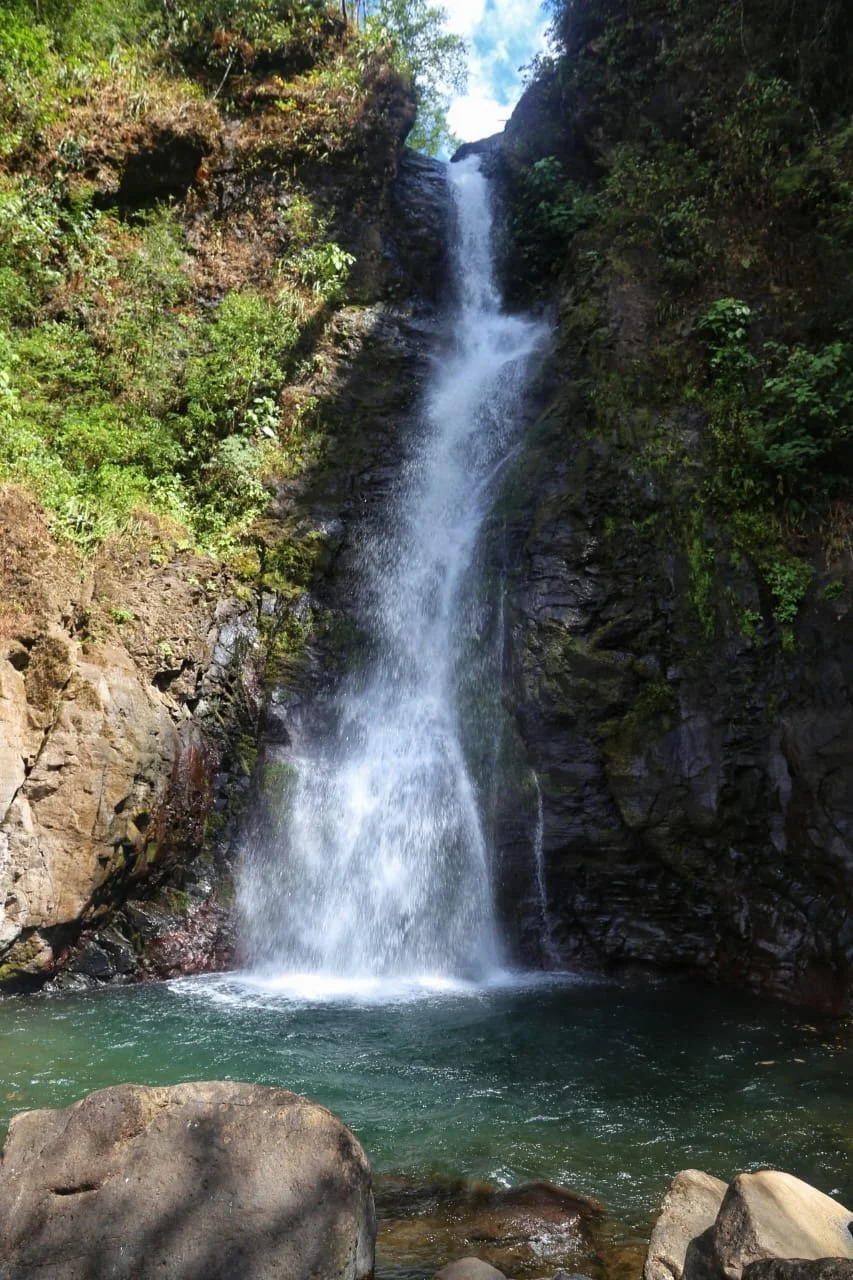
The mountain landscapes of the Ngäbe Buglé Comarca offer endless green valleys, coffee farms, waterfalls, and rivers that remain largely untouched by mass tourism.
Near the Emberá territories, the forests surrounding Chagres National Park provide magnificent rainforest scenery, river journeys, and opportunities to spot monkeys, sloths, toucans, and colorful frogs.
The forests bordering the Naso Tjër Di Comarca connect with La Amistad International Park, one of Central America's greatest protected wilderness areas, where towering mountains, cloud forests, and extraordinary biodiversity create unforgettable landscapes.
Lake Bayano near Madugandí offers peaceful boat rides through flooded forests, caves, and rich birdlife, while the forests surrounding Wargandí remain among the least explored ecosystems in Panama.
Respecting Indigenous Communities
Visiting a comarca is different from visiting a typical tourist destination. These are living communities where people work, raise families, celebrate traditions, and preserve cultures that have survived for centuries.
Visitors should always ask permission before photographing people, respect local customs, dress modestly where appropriate, and purchase handicrafts directly from local artisans whenever possible. Supporting community based tourism helps ensure that income remains within Indigenous communities while encouraging the preservation of traditional knowledge and natural environments.
A Vital Part of Panama's Identity
Panama's comarcas are much more than areas on a map. They are places where history, language, nature, and culture remain deeply connected. They protect vast forests, pristine coastlines, coral reefs, rivers, and mountains while preserving traditions that reach back long before the arrival of Europeans.
Whether you are sailing among the tiny islands of Guna Yala, driving through the misty mountains of the Ngäbe Buglé highlands, gliding along rainforest rivers toward an Emberá village, exploring the forests surrounding Madugandí, or admiring the wild landscapes of Naso Tjër Di, you are experiencing a side of Panama that few countries have managed to preserve so successfully.
For travelers seeking authentic experiences, incredible scenery, and a deeper understanding of Panama's rich cultural heritage, the comarcas are among the nation's greatest treasures. They remind us that some of the country's most beautiful places are not defined by luxury resorts or famous landmarks, but by the enduring relationship between Indigenous communities and the extraordinary landscapes they have called home for countless generations.