
There is a moment that happens to almost every traveller in Panama. You arrive thinking you have it all figured out. You know about the Panama Canal. You've seen pictures of the beaches. You've heard about the islands. Maybe you've even saved a few Instagram posts of palm trees dramatically leaning over turquoise water. You think, "Okay, Panama. Tropical country. Got it."
Then you leave Panama City.
Suddenly, absolutely nothing makes sense anymore. You are standing in a cloud forest wearing a jacket, surrounded by mist, enormous trees and birds that look like they were designed by someone who had too much imagination. A few days later you are sweating on a Caribbean island. Then you're swimming in a jungle waterfall. Then you're on a Pacific beach watching the sunset. Then you're sitting on a bus wondering why the driver appears to have a completely different interpretation of the word "schedule."
Welcome to Panama.
Panama is an absurdly interesting country for its size. It is basically the skinny piece of land that decided to stand between two enormous continents and then somehow collected a ridiculous number of ecosystems along the way. You get Caribbean islands, Pacific beaches, tropical rainforest, cloud forest, mountains, volcanoes, rivers, mangroves, coral reefs and the Panama Canal all packed into one country.
It's almost unfair.
Other countries have one big attraction and spend decades telling everyone about it. Panama has the canal and then casually says, "Oh yeah, we also have that jungle over there, those islands, a volcano, some enormous waterfalls, a few hundred species of birds and enough wildlife to keep you awake at night."
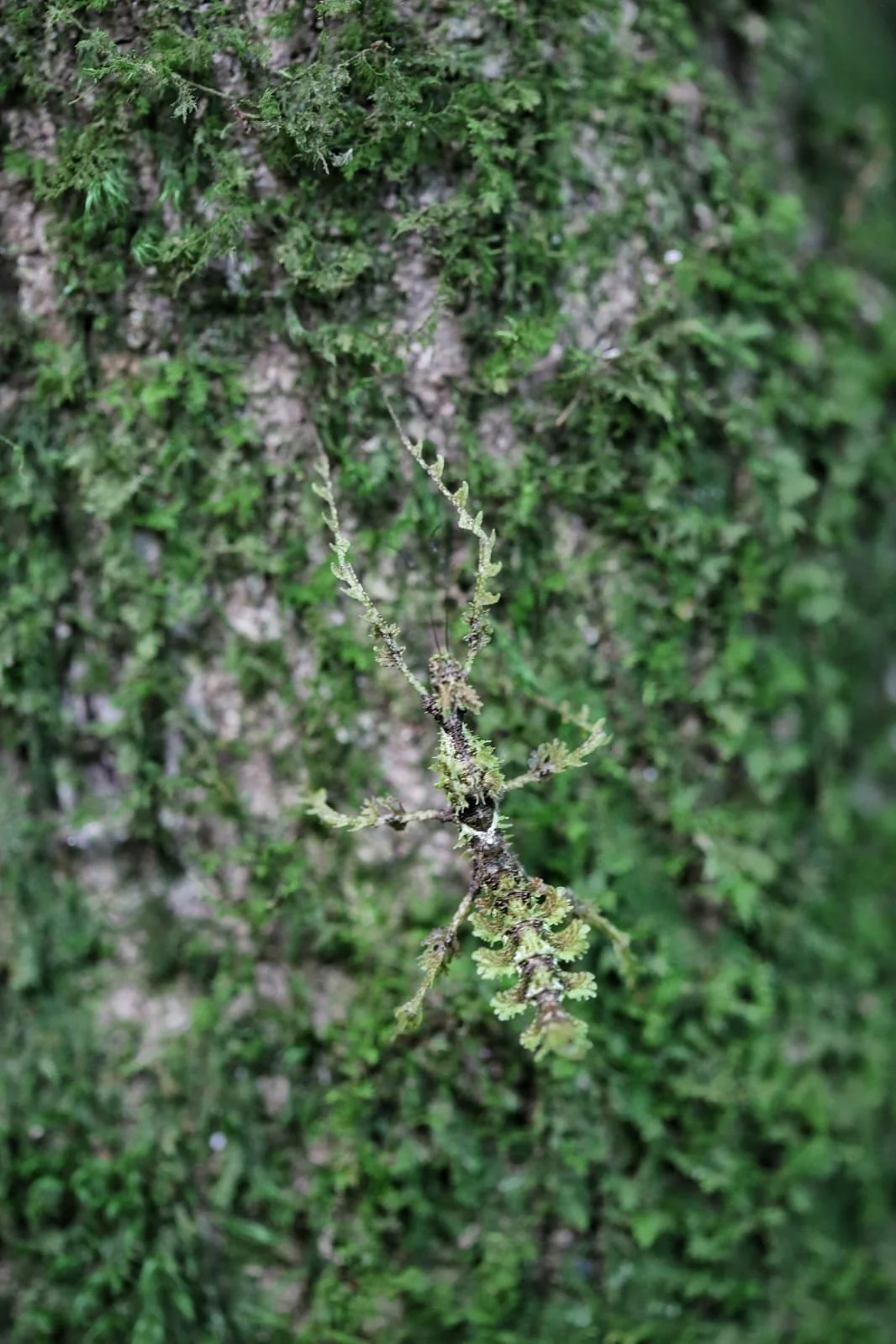
Speaking of nights, Panama's jungle has an entirely different personality after dark. During the day you might see monkeys, sloths, toucans and butterflies. At night, the forest clocks in for the late shift. Bats fly overhead, owls begin calling, insects become absolutely convinced that silence is illegal and nocturnal mammals start moving through the trees.
And then there is that wonderful moment on a night walk when someone whispers, "What's that?"
Nobody knows.
Everyone stops.
Someone points a flashlight.
Nothing.
Then somebody says, "Probably nothing."
Which is exactly the sentence you want to hear while standing in a jungle at midnight.
Panama is also one of those countries where your itinerary can collapse within approximately 48 hours. You arrive with a carefully planned route. Panama City for two nights. Maybe one island. Then back home.
Then someone at your hostel says, "You should really go to Boquete."
Fine.
Then someone else says, "If you're going to Boquete, you have to see Santa Catalina."
Okay.
Then another traveller says, "But you can't leave Panama without going to Bocas."
Suddenly you're six weeks into your trip, your backpack smells questionable and you are staring at your bank balance like it personally betrayed you.
This is the danger of Panama.
Not the snakes.
Not the jungle.
Not the rivers.
The danger is saying, "I'll stay two more days."
Those two days will almost certainly become another week.
And that's because Panama is ridiculously good for backpacking. You can travel from the mountains to the coast, from jungle to beach and from tiny villages to modern cities without feeling like you've spent your entire holiday inside a bus.
Although, to be fair, you will probably spend a respectable amount of time inside a bus.
Panamanian buses are part of the experience. Sometimes they're comfortable. Sometimes they're crowded. Sometimes they are freezing because the air conditioning appears to have been set for Antarctica. Sometimes you have absolutely no idea where you're going.
But eventually you arrive.
Usually.
And when you do, Panama tends to reward you.
The mountains around Chiriquí are a perfect example. You can leave the tropical heat behind and suddenly find yourself surrounded by cool air, green mountains, waterfalls and cloud forest. Places like Boquete have become famous for their scenery and coffee, but the surrounding mountains hide plenty of places that still feel wonderfully undiscovered.
Then there is the Pacific.
Santa Catalina is the kind of place where you can arrive intending to stay for two nights and suddenly discover that leaving seems like a ridiculous idea. There is surfing, fishing, beaches, jungle and access to some of Panama's most spectacular marine environments.
And then the Caribbean shows up and completely changes the mood.
Bocas del Toro feels like Panama decided to throw a tropical party and forgot to tell anyone when it was supposed to end. Boats replace buses, islands replace roads and the ocean becomes your backyard. You can spend the afternoon swimming and the evening wondering why you agreed to go out when you have a boat trip at eight in the morning.
Then there are the San Blas Islands, where the water is so ridiculously clear that your brain briefly wonders whether somebody has turned the saturation up.
Panama's beaches don't all look the same either. The Caribbean has its turquoise island paradise. The Pacific has enormous stretches of coastline and spectacular sunsets. Some beaches are busy. Others feel like you've discovered them by accident.
And that is really the magic of Panama.
You keep discovering things by accident.
You take the wrong turn and find a waterfall. You get off the bus somewhere you have never heard of and discover a tiny restaurant serving amazing food. You walk down a road because someone told you there was a trail and suddenly you're standing above an incredible valley.
Panama rewards people who are willing to wander.
That is especially true in the mountains, where places like Lost and Found Hostel turn the journey itself into part of the adventure. Hidden high in the Fortuna Forest Reserve, the hostel is surrounded by cloud forest and hiking trails, with the kind of setting where you arrive expecting a bed and end up spending half the day exploring.
And that's the thing about Panama.
The best experiences aren't always the ones you planned.
Sometimes they're the ones that happen because your bus was late, your hostel recommended something, you followed a random trail or somebody at the bar said, "Mate, you have to see this."
Panama also has a talent for making you forget what season it is.
Down at sea level, you can be sweating through your shirt while dreaming about a swimming pool. Head into the mountains and suddenly you're reaching for a sweater. Go higher into the cloud forest and you may find yourself standing in mist wondering whether you accidentally wandered into a fantasy movie.
Then you go back down and immediately start sweating again.
Panama basically has an air conditioning system controlled by altitude.
And then there is the wildlife.
Sloths.
Monkeys.
Toucan birds.
Hummingbirds.
Agoutis.
Kinkajous.
Porcupines.
Armadillos.
Bats.
Owls.
And an impressive collection of creatures that prefer to remain mysterious.
Panama's forests are alive in a way that is difficult to understand until you actually walk through them. You hear movement above you. Something rustles in the leaves. A bird makes a noise that sounds like a malfunctioning machine. You look up and see nothing.
You keep walking.
Something rustles again.
You suddenly remember that you are not actually the top predator here.
And that's when the jungle becomes interesting.
Panama isn't perfect. It can be chaotic. Transportation doesn't always work exactly as planned. Rain has absolutely no respect for your carefully chosen clothing. Roads can be interesting. Plans change.
But that's also why people remember it.
Because travel isn't supposed to be a perfectly controlled laboratory experiment.
Sometimes you get soaked.
Sometimes you get lost.
Sometimes you take the wrong bus.
Sometimes you end up sitting in a tiny restaurant eating something you've never heard of while a storm crashes outside.
And sometimes those become the stories you tell for the rest of your life.
That's why Panama is such an incredible backpacking destination. It doesn't constantly scream for your attention. It just keeps quietly throwing ridiculous experiences at you until eventually you realize you've fallen completely in love with the place.
You came for the canal.
Then you found the jungle.
You came for the beaches.
Then you found the mountains.
You came for a week.
Then you extended your trip.
You came looking for somewhere to travel.
You accidentally found somewhere you didn't want to leave.
That's Panama.
A country where the journey rarely goes exactly according to plan, the jungle always has something happening, the weather does whatever it wants and your two day extension somehow turns into three weeks.
Come for the canal. Stay for the adventure.
And whatever you do, don't say, "I'll just stay two more days."