
There’s a slightly annoying secret about traveling around Panama that you won’t always discover until you’re already here: Panama is much harder to travel quickly than it looks on a map. It’s a relatively narrow country, and when you look at the distances between destinations, everything seems ridiculously close. You start planning your itinerary like a military operation. Panama City for two nights, Boquete for three, Bocas for four, Santa Catalina for three, maybe El Valle in between. Easy. Then you actually start moving around and discover that Panama has mountains, winding roads, slow buses, boats, transfers, weather and the occasional transportation schedule that seems to have been written by someone who enjoys watching backpackers panic.
The big mistake is treating Panama like a checklist. The distances might look manageable, but the journey between places can take much longer than you expect. A destination that appears to be “just over there” on Google Maps may involve a bus, a connection, another bus, a taxi and possibly a boat. And if you’re traveling through smaller towns, there may only be a few departures each day. Suddenly your beautifully optimized itinerary has collapsed because you missed one bus by twelve minutes.
This is particularly important when you’re connecting places like Boquete, Bocas del Toro, Santa Catalina, El Valle and the smaller mountain communities. These aren't destinations connected by a giant network of frequent tourist buses. Sometimes you have to piece the journey together yourself. That sounds intimidating before you arrive, but it actually becomes part of the adventure once you understand the system. Panama is one of those countries where asking a local, hostel receptionist or fellow backpacker, “How do I actually get there?” can be more useful than staring at a map.
Another obscure thing worth knowing is that Panama has dramatically different climates within relatively short distances. You might leave the tropical heat of the coast and end up somewhere in the mountains where evenings are genuinely cool. The highlands can feel completely different from Panama City or the Caribbean coast. So don't make the classic backpacker mistake of packing exclusively for the beach. Yes, you absolutely want your swimsuit. But a light jacket or hoodie can become your best friend when you're staying in the mountains, especially at night.
And then there is rain. Panama's tropical weather has a wonderful habit of ignoring your itinerary. A morning can be sunny, a spectacular downpour can arrive in the afternoon, and then the sun can return as if nothing happened. This matters when you're planning hikes, boat trips and outdoor activities. Don't necessarily cancel your entire day because you see clouds. Sometimes the weather changes incredibly quickly. At the same time, don't assume that because the sun is shining at breakfast, it will still be shining when you're halfway up a mountain at 3 PM. A small dry bag or waterproof backpack cover is one of those boring purchases that becomes a genius investment about five minutes after the first serious tropical rainstorm.
Here's another one that surprises people: Panama is not just a beach destination. The country is packed with mountains, cloud forests, rivers, waterfalls and jungle. You can wake up surrounded by tropical vegetation, spend the afternoon hiking through misty forest and then find yourself somewhere completely different the next day. The diversity is one of Panama's greatest strengths, but it also means you should avoid building your entire trip around one type of landscape. If you only plan beaches, you're missing a huge part of what makes Panama interesting.
And if you're a wildlife fan, leave some room in your schedule for doing absolutely nothing. Seriously. One of the best things you can do in Panama is occasionally sit quietly and look around. The forests are full of movement if you slow down enough to notice it. Monkeys can appear in the canopy, colorful birds flash through the trees, sloths can be ridiculously difficult to spot despite being the size of a small backpack, and at night the forest becomes an entirely different world. You don't always need an expensive tour or complicated expedition. Sometimes the best wildlife encounter happens while you're simply walking down a trail wondering where you left your water bottle.
Perhaps the most useful piece of obscure Panama knowledge is this: don't make your itinerary too perfect. Leave gaps. Leave a spare day. If you meet interesting travelers, hear about a place you've never considered, discover a spectacular hike or simply decide that you like somewhere enough to stay another night, you'll be glad you didn't schedule every hour of your trip.
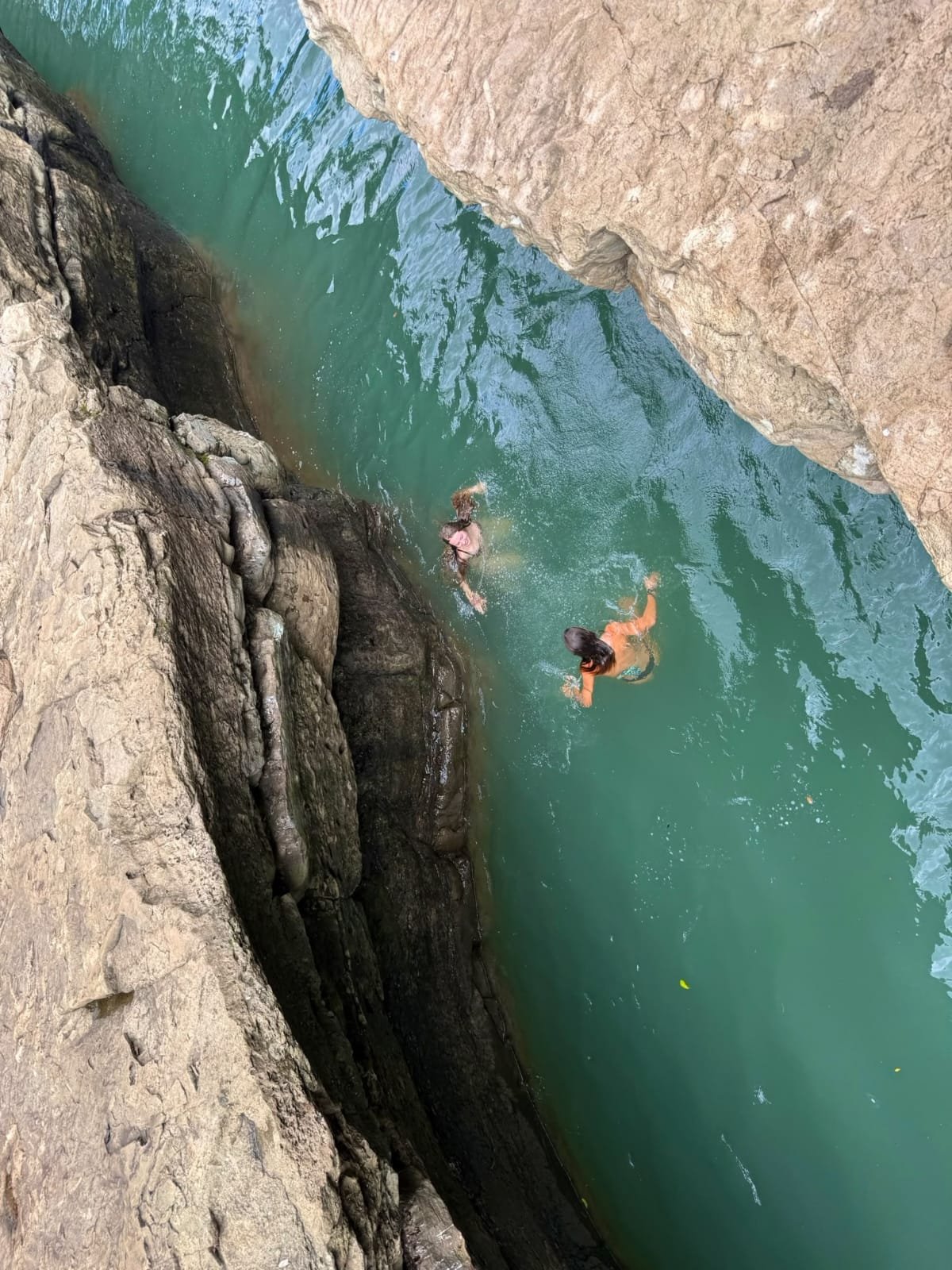
Panama is particularly good at ruining perfectly organized plans in ways that somehow make the trip better. You may intend to stay somewhere for two nights and stay five. You may plan to take one bus and end up sharing a taxi with travelers you met twenty minutes earlier. You may hear about a waterfall, change your plans completely and spend the afternoon swimming in a jungle pool.
That's the secret.
Don't just plan where you're going in Panama. Plan enough freedom to get distracted.
Because the most memorable part of your Panama trip might not be the attraction you spent three weeks researching. It might be the completely random place you ended up because your original plan fell apart.