
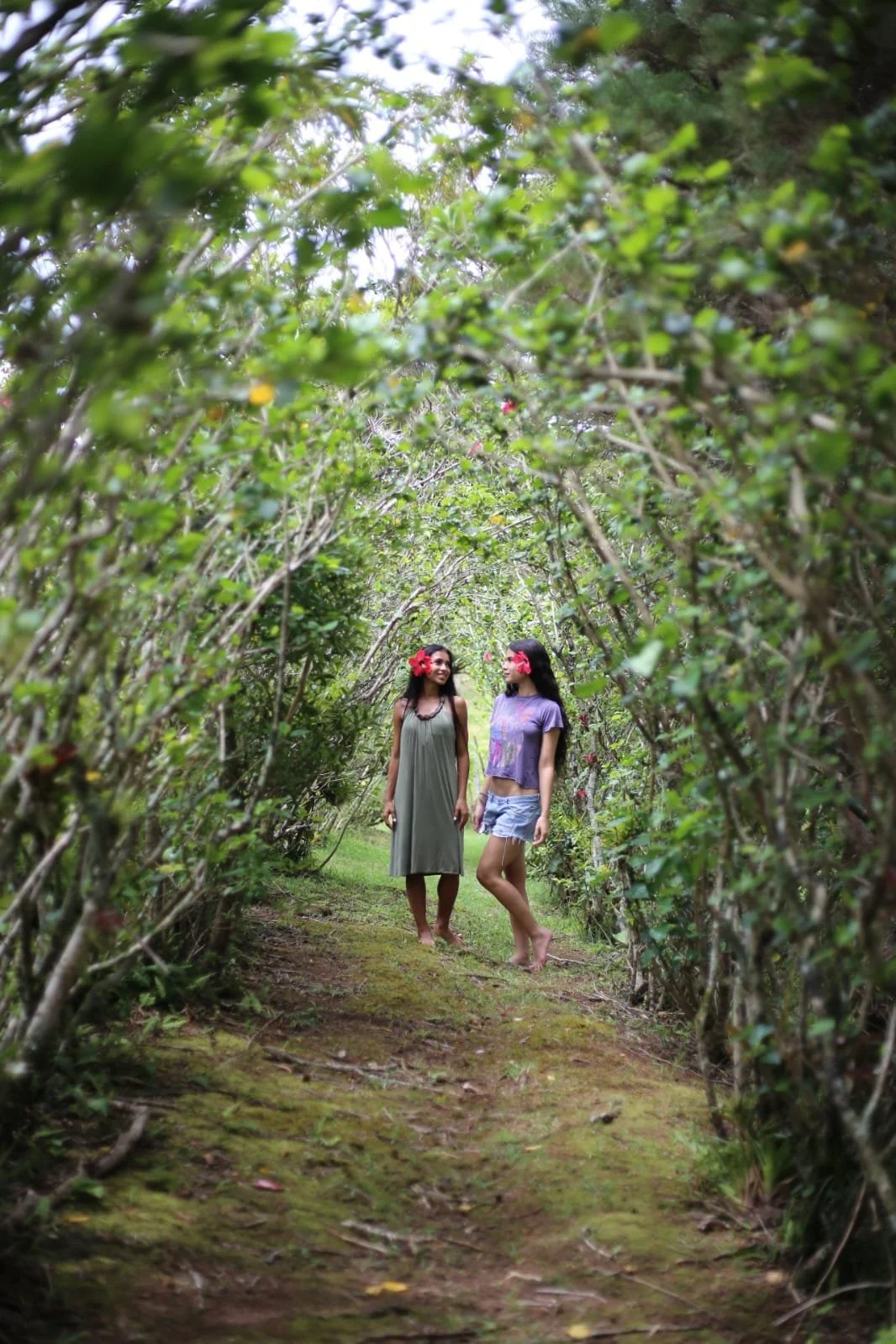
There was a time when the word hostel automatically brought to mind a basic dorm room, a shared bathroom, a questionable mattress and a tiny communal kitchen where six backpackers were simultaneously trying to cook pasta on one stove. Panama is helping to completely change that image. Across the country, a new generation of hostels has blurred the line between hostel, boutique hotel and tropical resort. Some properties have swimming pools, beautiful gardens, enormous common areas, stylish rooms, restaurants, bars, terraces, spectacular views and activities that could easily make you forget that you are technically staying in a hostel.
For backpackers, this can be a fantastic development. You can still get the social atmosphere that makes hostels so much fun, meet travelers from all over the world and sleep in a dorm, but the property itself can feel remarkably luxurious. Instead of simply being somewhere you return to at night after spending the entire day exploring, some hostels have become destinations in their own right. You can spend the morning exploring, return for lunch, jump in the pool, relax in a hammock, meet other travelers and spend the evening enjoying the bar or restaurant. At that point, calling it simply a "hostel" seems almost unfair.
Panama is particularly well suited to this style of accommodation because of its incredible variety of landscapes. You have tropical islands in Bocas del Toro, beaches along both coasts, mountains around Boquete and Chiriquí, jungle in central Panama, surfing destinations such as Santa Catalina and beautiful valleys such as El Valle de Antón. Give a property a beautiful piece of land, some comfortable outdoor spaces, a swimming pool, good food and a social atmosphere, and suddenly you have something that feels more like a miniature resort designed specifically for backpackers.
The swimming pool can completely change the atmosphere of a hostel. A basic hostel is often somewhere you return to after a day of sightseeing, hiking or swimming. A hostel with a beautiful pool can become part of the destination itself. You might spend the morning exploring and then return in the afternoon to relax for a few hours. Other travelers are usually doing exactly the same thing, which creates a very natural social atmosphere. People start talking beside the pool, over drinks, during meals or while relaxing in the common areas. You don't have to participate in organized social activities if you don't want to, but there are plenty of opportunities to meet people.
This becomes particularly attractive during the quieter periods of the year. Panama has seasonal fluctuations in tourism, and when demand drops, accommodation prices can become much more attractive. This is when savvy backpackers can sometimes find exceptional value at properties that would feel considerably more expensive during the busiest periods. A dorm bed at a beautiful hostel with a pool, restaurant, gardens and extensive common areas can suddenly look like an absolute bargain when compared with a conventional hotel.
There is, however, one important catch with many of these fancier hostels. They often don't have a guest kitchen. This can come as a surprise to experienced backpackers because the communal kitchen has traditionally been one of the defining features of hostel culture. Travelers buy groceries, cook together, share recipes and try to create dinner using whatever happens to be left in the refrigerator. In a more resort style hostel, the philosophy is often completely different. Instead of providing a kitchen for guests, the property has a restaurant, café or bar.
For some backpackers, this is a serious disadvantage. If you're traveling on an extremely tight budget and are accustomed to cooking your own meals, having to buy food every day can quickly eat into your travel budget. That $15 dorm bed can look very different once you have added breakfast, lunch, dinner and a few drinks. A traditional hostel with a kitchen can therefore still be the better choice for someone who is determined to keep daily expenses as low as possible.
For other travelers, however, the lack of a kitchen is hardly a problem. There is something wonderfully convenient about being able to walk downstairs, order a meal and go back to the pool without having to buy groceries, cook, wash dishes or figure out what to do with the half onion and three eggs sitting in your backpack. If you're on vacation rather than trying to travel as cheaply as physically possible, the restaurant can actually be part of the attraction.
This is where the modern hostel becomes an interesting compromise. You aren't necessarily choosing between a cheap backpacker dorm and an expensive hotel anymore. You can have the social atmosphere of a hostel while enjoying many of the facilities normally associated with a boutique hotel or resort. You can meet other travelers, share stories, join activities and stay in a dorm, but you can also have a swimming pool, comfortable lounges, beautiful gardens, a restaurant and somewhere pleasant to spend the afternoon.
Bocas del Toro is particularly well suited to this style of accommodation. The entire region already has the atmosphere of a Caribbean holiday destination, so it makes sense that some of its hostels have embraced the tropical resort concept. Palm trees, outdoor spaces, pools, bars, restaurants and hammocks fit naturally into the environment. You can wake up, head out to explore an island or beach, return in the afternoon and spend the rest of the day relaxing at your hostel. During quieter periods, this can provide an unusually good combination of price, comfort and atmosphere.
Boquete offers a completely different version of the same idea. Instead of tropical Caribbean surroundings, the emphasis is on mountains, gardens, cool evenings and beautiful views. A stylish hostel in the Boquete area can feel more like a mountain retreat than traditional backpacker accommodation. After spending the day hiking through the highlands, you can return to a comfortable property, have something to eat and relax in the gardens or common areas while the temperature drops in the evening.
Santa Catalina has developed its own version of the concept, influenced heavily by surfing and beach culture. Here, hostels can have the atmosphere of surf lodges, with outdoor common spaces and relaxed areas where travelers can meet after spending the day in the ocean. The accommodation becomes part of the surfing lifestyle rather than simply a cheap place to sleep.
Panama City has yet another version. Here, the fancy hostel can feel more like a boutique hotel, particularly in areas with historic buildings, stylish interiors, rooftop terraces and attractive common spaces. The big advantage is that travelers can still access dorm accommodation and the social atmosphere associated with hostels while having the option of private rooms and more sophisticated facilities.
The important thing for backpackers is to look beyond the price of the bed itself. The cheapest hostel isn't necessarily the best value. A very cheap bed in a property with nowhere comfortable to relax, limited common areas and no facilities might not be a better deal than a slightly more expensive bed at a property with a pool, restaurant, gardens, activities and an amazing social atmosphere. If you're going to spend several days somewhere, those extras can make a huge difference.
This is especially true in the off season. When prices fall, the difference between a basic hostel and a fancy hostel can become surprisingly small. You might be able to spend a little more and receive dramatically more in return. Instead of simply paying for a mattress, you're essentially paying for access to an entire experience.
Of course, the perfect hostel depends on the type of traveler you are. If you love cooking, a kitchen might be one of the most important facilities in the building. If you're traveling with a strict budget, you might prefer somewhere with inexpensive food options nearby. If you're traveling for the social experience, a large common area and regular activities may matter more than the design of the rooms. And if you're the kind of backpacker who thinks a swimming pool is more important than a kitchen, then Panama has plenty of interesting possibilities.
The modern Panama hostel is becoming something much more interesting than simply a cheap alternative to a hotel. It can be a social club, a restaurant, a swimming pool, a jungle retreat, a surf lodge, a mountain escape and a place to meet travelers from around the world, all at the same time.
The only thing you might not get is a kitchen.
And for some travelers, that will be the deal breaker. For everyone else, it might be a small price to pay for waking up in a tropical garden, grabbing breakfast downstairs, spending the afternoon beside a pool and realizing that you've somehow managed to get a mini resort experience without paying traditional resort prices.
That is the secret of Panama's fancier hostels. Sometimes the smartest way to travel cheaply isn't choosing the cheapest place. It's finding the place where your money buys you the most experience.