
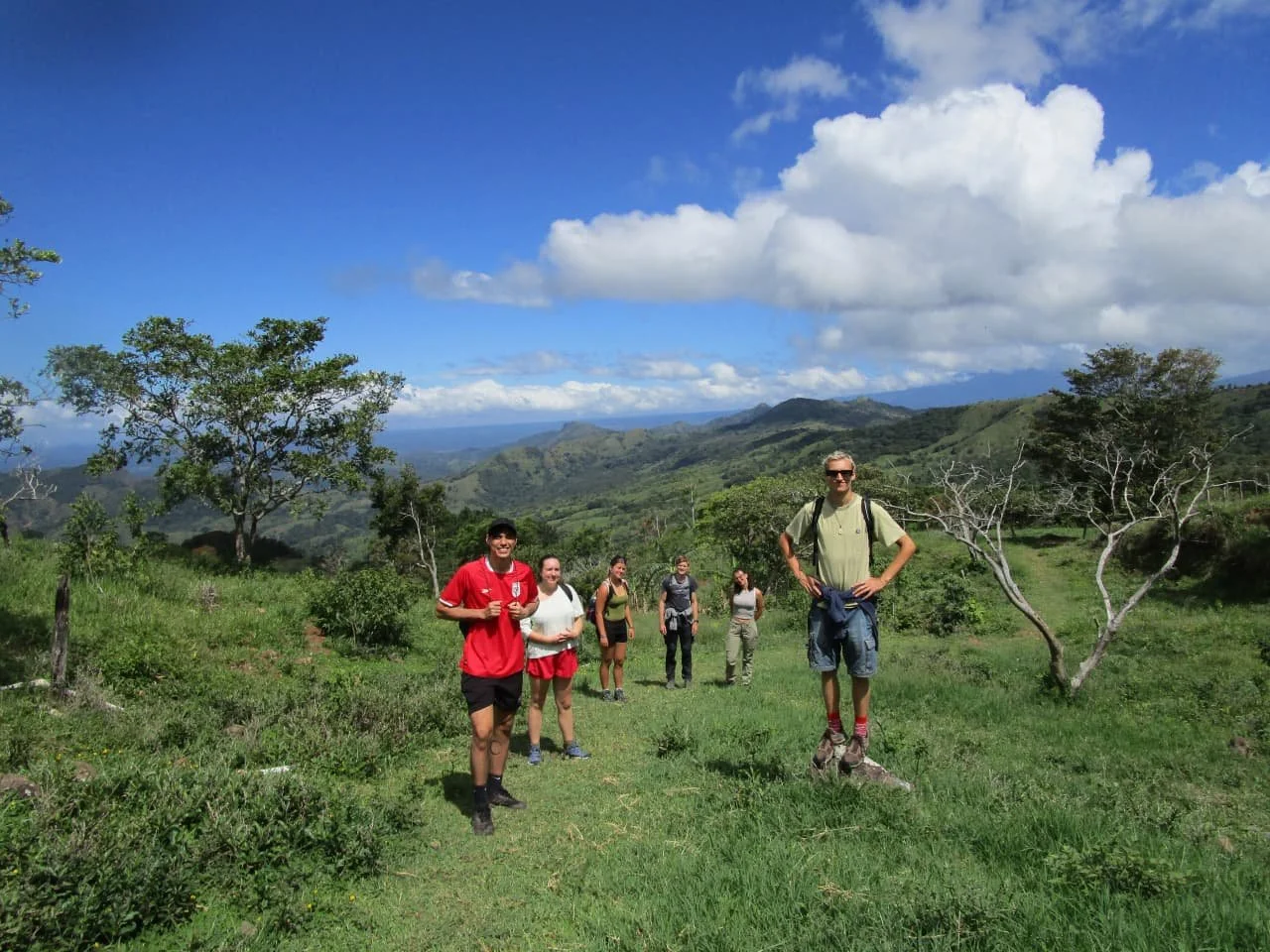
Panama is one of those countries that can feel remarkably easy to travel through. You can walk around historic neighborhoods, take a bus across the country, hike through cloud forest, jump into Caribbean water, rent a car and disappear into the mountains, or spend the evening in a busy city neighborhood. For the vast majority of travellers, Panama is a rewarding and manageable destination.
But Panama isn't completely risk-free, and understanding the country's safety landscape can make a huge difference.
The important thing is not to think of Panama as simply “safe” or “dangerous.” Safety varies enormously depending on where you are, what you're doing, what time it is, and how remote you are. Canada currently advises travellers to take normal security precautions in Panama overall, while recommending a much higher degree of caution in certain areas. The U.S. currently rates Panama Level 2, meaning travellers should exercise increased caution, particularly because of crime and potential civil unrest.
In other words, you don't need to spend your vacation looking over your shoulder. You simply need to understand the country.
The biggest misconception about safety in Panama
One of the biggest mistakes travellers make is treating the entire country as though it has the same security situation.
It doesn't.
Panama City is completely different from a tiny Caribbean island. A backpacker hostel in the mountains is completely different from an isolated stretch of coastline. Boquete is different from Colón. A popular tourist beach is different from an isolated beach near a trafficking route.
Some areas are genuinely high risk and should be avoided. Other areas are visited by thousands of tourists every year with relatively few problems.
The Canadian government currently identifies Colón Province, parts of Panama City, San Miguelito and Veracruz as higher-crime areas, while recommending avoiding all travel south of Metetí toward the Colombian border and the Mosquito Gulf because of extremely high levels of criminal activity.
That distinction is crucial.
Don't confuse the existence of dangerous areas with Panama being an unsafe country overall.
Petty theft is probably your biggest everyday concern
For an ordinary tourist, the most realistic security problem is usually not a dramatic armed robbery.
It's something much more mundane:
Someone taking something that you weren't paying attention to.
Pickpocketing, purse snatching, theft from accommodations and theft from vehicles can occur, including in tourist areas. Bus stations, crowded public areas and busy shopping districts deserve particular attention.
That means you should develop some simple habits.
Don't put your phone on the edge of a restaurant table.
Don't walk around with your passport, expensive camera, wallet and entire cash supply all in one bag.
Don't leave a backpack unattended on the beach while you swim.
Don't leave electronics visible inside a rental car.
And don't assume that because you're surrounded by other tourists, nobody is watching your belongings.
A little awareness goes a very long way.
Panama City requires a different level of awareness
Panama City is fascinating, modern and generally very accessible to travellers, but it also contains neighborhoods with dramatically different security situations.
Government travel advisories specifically identify areas including El Chorrillo, Santa Ana, Río Abajo, Curundú, Calidonia, Panama Viejo, 24 de Diciembre and parts of San Miguelito as higher-crime locations.
This doesn't mean you should be terrified of Panama City.
It means you should understand where you are going.
A common mistake is wandering away from a tourist area simply because a neighborhood looks interesting. During daylight this may be merely unwise. At night, it can become considerably more serious.
If you're unsure about a neighborhood, ask your hotel, hostel, tour operator or a trusted local.
And remember one of the oldest travel rules in existence:
You don't have to prove anything to anyone.
If an area feels wrong, turn around.
Casco Viejo: enjoy it, but don't switch your brain off
Casco Viejo is one of Panama's most popular tourist areas, filled with restaurants, bars, colonial architecture and nightlife.
It's also an area where tourists should maintain ordinary urban awareness.
Don't assume that being somewhere famous automatically makes every surrounding street equally safe. Keep valuables secure, be particularly aware after drinking, and use sensible transportation at night.
The British government specifically advises caution against muggings in several tourist and shopping areas, including Casco Viejo.
The lesson isn't “don't visit.”
It's:
Visit intelligently.
Don't make yourself an obvious target
You don't need to dress like you're trying to disappear.
But there's a difference between looking like a traveller who has a phone and looking like someone carrying thousands of dollars of electronics.
A flashy watch, expensive jewelry, professional camera hanging around your neck, open backpack and phone constantly in your hand can make you more noticeable.
The U.S. State Department similarly recommends avoiding expensive jewelry and displaying valuable possessions when travelling internationally.
One of the best travel-security strategies is remarkably simple:
Don't advertise what you have.
ATMs deserve some thought
Be particularly careful when withdrawing cash.
There have been reports of people being attacked after withdrawing money from ATMs. Official advice recommends using machines inside banks, shopping centers or other secure locations when possible.
Avoid making a routine out of walking around with a large amount of cash.
If you're travelling with someone, one person can keep an eye on the surroundings while the other uses the ATM.
And don't count your money on the sidewalk afterward.
Public buses and bus terminals
Panama's bus network can be an excellent way to travel around the country, especially for backpackers.
But crowded buses and terminals are exactly the environments where petty thieves can take advantage of distracted travellers.
Keep your daypack in front of you in crowded areas.
Don't put your phone in a loose back pocket.
Don't leave your passport or wallet in an easily accessible outer compartment.
And when you're exhausted after a long journey, remember that tired travellers are distracted travellers.
Taxis and transportation
Transportation safety is another issue worth taking seriously.
Driving standards can be inconsistent, roads can contain potholes and poorly marked hazards, lighting can be inadequate, and traffic can be chaotic in heavily populated areas. Official British guidance notes that traffic accidents are common.
If you're unfamiliar with Panama, using reputable ride-hailing services or transportation arranged through established accommodation can be preferable to simply jumping into an unknown vehicle.
And if you're renting a car, remember:
The biggest danger may not be crime at all. It may be traffic.
Drive defensively.
Renting a car? Be especially careful with the vehicle itself
A rental car gives you incredible freedom in Panama, particularly if you're exploring places outside the major tourist routes.
But don't turn your vehicle into a display case.
Never leave cameras, backpacks, passports, laptops or shopping bags visible inside.
Lock the doors.
Keep windows closed when appropriate.
Park somewhere sensible.
And if something goes wrong on the road, don't turn a minor traffic incident into a confrontation.
British travel advice specifically recommends remaining inside your vehicle after an accident while waiting for your insurance representative and traffic police, rather than confronting other drivers or bystanders.
Panama's roads can be more dangerous than its criminals
This is something first-time visitors sometimes underestimate.
You can be perfectly comfortable walking around a tourist district and then rent a car and discover that rural driving is a completely different experience.
Expect:
Poorly lit roads
Potholes
Motorcycles
Pedestrians
Animals
Sudden lane changes
Heavy traffic
Construction
Unexpected road conditions
Long stretches with limited services
At night, rural driving can become considerably more challenging.
If you've never driven in Panama before, don't assume that a short distance on Google Maps means a short or easy journey.
Hiking is another major safety issue
This is where Panama becomes particularly interesting.
Some of the country's biggest dangers aren't criminal at all.
They're nature, remoteness and overconfidence.
Panama has mountains, dense jungle, waterfalls, rivers, slippery trails and enormous areas where cell service can disappear.
Government travel advice specifically warns hikers around Boquete and Chiriquí that some trails aren't well marked, mobile coverage can be unreliable, and tourists have gone missing and died while hiking without adequate preparation or guidance.
So don't think:
“It's only a jungle hike.”
A jungle hike can become a serious emergency surprisingly quickly.
Tell somebody where you're going.
Download offline maps.
Take enough water.
Carry a charged phone and preferably a power bank.
Don't underestimate changing weather.
And if a trail is remote or poorly marked, consider using an experienced local guide.
Panama's rivers and waterfalls deserve respect
The same beautiful rivers that make Panama such an incredible adventure destination can also be dangerous.
Rain can rapidly change water levels.
Rocks become extremely slippery.
Currents can be stronger than they look.
A river that appears calm upstream can become powerful downstream.
If locals tell you that a river isn't safe after heavy rain, believe them.
And be particularly cautious around waterfalls and cliff-jumping locations.
A beautiful Instagram photograph is not worth a spinal injury.
The ocean can be more dangerous than people expect
Panama has spectacular beaches, but not every beach is suitable for casual swimming.
Strong currents and undertows occur along both Pacific and Caribbean coasts, and many beaches have few or no lifeguards. Drowning deaths occur every year.
This is especially important because tropical water can look incredibly inviting.
Don't assume calm-looking water means safe water.
Ask locals about currents.
Watch what experienced swimmers are doing.
Be cautious after storms.
And never underestimate rip currents.
There is also a particularly important warning regarding the Bay of Panama, where the British government advises against swimming because of pollution.
Boats require common sense too
Island hopping and boat tours are some of Panama's best experiences.
But don't automatically assume every boat operator follows the same safety standards.
Look at the vessel.
Look at the weather.
Look at the condition of life jackets.
And think twice if an operator seems careless about safety.
The U.S. State Department also warns travellers to avoid boats potentially connected to illegal activities and says emergency search-and-rescue capabilities can be limited in some maritime situations.
Snakes, spiders and other jungle creatures
Panama has plenty of wildlife that can make nervous travellers imagine the worst.
Yes, Panama has venomous snakes.
Yes, it has spiders, scorpions, ants and other creatures capable of delivering painful bites or stings.
But for most travellers, wildlife is not the major everyday safety threat.
The bigger problem is often human behaviour: picking something up, putting hands somewhere you can't see, disturbing an animal or wandering barefoot through places where you shouldn't.
Don't put your hands into holes.
Don't grab unfamiliar creatures.
Use a flashlight on night walks.
Shake out shoes and clothing if you've left them outside.
And give wildlife space.
You don't need to be terrified of the jungle.
You just need to respect it.
What about crime against tourists?
This is where perspective matters.
Panama does experience violent crime, including robberies and gang-related crime. Government advisories also note occasional violent incidents in tourist destinations and reports of express kidnappings.
But that doesn't mean the typical tourist walking around Panama is constantly at risk of being attacked.
Crime is geographically concentrated, and risk changes dramatically according to circumstances.
The smartest traveller doesn't obsess over crime.
They reduce opportunities for crime.
What should you do if someone tries to rob you?
This is perhaps the most important piece of advice in the entire article:
Your phone is replaceable. Your life isn't.
If confronted by an armed robber, don't try to be a hero.
Don't fight over a wallet.
Don't chase somebody because they stole your phone.
Don't escalate the situation because you feel angry or embarrassed.
Give them what they're asking for and get away safely.
You can replace a phone.
You cannot replace yourself.
Be careful with nightlife
Panama has a lively nightlife scene, particularly in Panama City and popular backpacker destinations.
Alcohol changes your risk calculation.
When you're drunk:
You're less observant.
You're easier to manipulate.
You're more likely to wander into unfamiliar areas.
You're more likely to lose your phone or wallet.
You're more likely to accept transportation from someone you shouldn't.
You're less capable of responding to an emergency.
You don't have to avoid nightlife.
Just avoid becoming the person who has no idea how they're getting back to their accommodation.
Dating and meeting people
Travellers meet people everywhere in Panama, and most interactions are completely ordinary.
But the same rules apply anywhere in the world.
Be cautious about strangers who suddenly seem extraordinarily interested in your money, possessions or accommodation.
Don't give strangers access to your hotel room or private rental simply because you've just met them.
Don't advertise how much money you have.
And if you're meeting someone you've only spoken to online, meet somewhere public first.
Protests can disrupt travel
Panama occasionally experiences demonstrations and protests, and these aren't necessarily confined to the capital.
Roadblocks can have a huge effect on travellers because Panama has relatively few major routes connecting different parts of the country.
A protest several hours away can sometimes affect buses, deliveries, fuel supplies or access to airports.
The British government notes that demonstrations can occur with little warning and that protests have previously affected routes including access toward Paso Canoas and airports.
So if you hear about a protest:
Don't go sightseeing at it.
You don't need to understand exactly what is happening before deciding that being somewhere else is preferable.
The Darién is a completely different category
This deserves special emphasis.
The Darién near the Colombian border is not simply another backpacking destination.
Government advisories warn against travel to substantial portions of the region because of organized crime, human trafficking, drug trafficking, kidnappings, violent crime and extremely limited emergency response.
The British government likewise warns of violence near the Colombia border, including violent crime, kidnapping and murder.
For an ordinary tourist, there is absolutely no reason to wander into restricted or high-risk territory simply for the sake of adventure.
Panama has thousands of safer adventures. Choose one of those.
The Mosquito Gulf is another area to take seriously
The remote Caribbean coastline between Boca de Río Chiriquí and Coclé del Norte is also specifically identified by Canada and the United States as an area travellers should avoid because of illegal activity including drug trafficking and human trafficking.
This is a good example of why looking at a map and thinking “That beach looks amazing” isn't always enough.
Remote doesn't automatically mean untouched paradise.
Sometimes remote means limited police, limited communications, limited transportation and limited emergency assistance.
Don't pick up mysterious packages on beaches
This sounds like something from a movie.
It isn't something you should experiment with.
Authorities have warned that packages containing drugs have been found in open water and on remote beaches. If you encounter something suspicious, don't touch it or move it.
The rule is simple:
If you don't know what it is, leave it alone.
What about hurricanes?
Panama isn't normally thought of as a hurricane destination, and direct hurricane strikes are not the country's main concern.
However, tropical systems elsewhere can contribute to periods of extremely heavy rainfall.
That matters because heavy rain can produce:
Flooding. Landslides. Dangerous rivers. Road closures.
The rainy season therefore isn't just about carrying an umbrella. If you're hiking, driving through mountains or travelling remotely, weather can become a genuine safety consideration.
Panama can also experience earthquakes
Earthquakes are another natural hazard travellers should understand.
You probably don't need to spend your vacation worrying about earthquakes, but if you're staying in Panama for an extended period, especially in a multi-story building, knowing basic earthquake procedures is sensible.
Natural-disaster preparation is one of those things you hope never becomes necessary.
But if it does, preparation suddenly becomes extremely valuable.
Keep copies of your documents
Your passport is one of the most important things you own while travelling.
Keep a secure digital copy of:
Passport
Travel insurance
Flight information
Accommodation details
Emergency contacts
Important medications
Identification documents
And don't carry every important document in the same place.
If your wallet disappears, you don't want your passport, bank cards and everything else disappearing with it.
Don't put your entire trip on your phone
This is an increasingly important travel-safety lesson.
Your phone might contain your:
Banking
Maps
Airline tickets
Accommodation reservations
Cryptocurrency
Photos of your passport
Communication with family
If it disappears, the problem is much bigger than losing a $200 device.
Use a strong passcode.
Enable location tracking.
Back up important information.
Keep your phone charged.
And download offline maps before heading into remote areas. The U.S. State Department specifically recommends offline maps and keeping devices charged when travelling.
Learn a few words of Spanish
You don't need to become fluent.
But knowing basic Spanish can dramatically improve your ability to deal with problems.
Learn:
Policía — police
Ayuda — help
Hospital — hospital
Emergencia — emergency
Estoy perdido — I'm lost
Necesito un médico — I need a doctor
No entiendo — I don't understand
Being able to communicate when something goes wrong is itself a safety tool.
Know the emergency numbers
Panama's emergency number is 911.
Police can also be reached at 104, while ambulance and fire services are listed as 103 by the UK government.
Save the numbers before you need them.
That's especially important if you're travelling somewhere remote.
The smartest safety strategy in Panama
The safest traveller isn't necessarily the most paranoid traveller.
It's the person who understands risk management.
They know where they're going.
They don't flash valuables.
They don't wander aimlessly into unfamiliar neighborhoods at 2 a.m.
They don't swim in dangerous conditions.
They don't hike alone into remote jungle without telling anyone.
They don't drive aggressively.
They don't ignore local warnings.
They don't assume every beach is safe.
And they don't let alcohol turn off their judgment.
So, is Panama safe for tourists?
Yes, Panama can absolutely be a safe and fantastic destination for travellers.
But “safe” doesn't mean “nothing can happen.”
Panama has ordinary urban crime, dangerous driving, powerful ocean currents, remote wilderness, occasional protests, extreme weather, and a handful of regions where travellers should not go.
The good news is that most of these risks are manageable.
The country is also remarkably diverse. You can go from skyscrapers to rainforest, Caribbean islands to highland cloud forests, and busy cities to remote mountain communities in a single trip.
That diversity is part of what makes Panama so fascinating.
It also means you need to adjust your safety habits depending on where you are.
In the city, watch your belongings.
On the road, watch the traffic.
In the jungle, watch your surroundings.
At the beach, watch the water.
In remote regions, watch your distance from help.
And perhaps the best Panama travel rule of all:
Don't be afraid of Panama. Respect Panama.
That distinction can turn a nervous first-time visitor into a confident traveller.
Panama doesn't require you to spend your vacation worrying about danger. It simply rewards travellers who pay attention, listen to locals and understand that adventure comes with responsibility.