
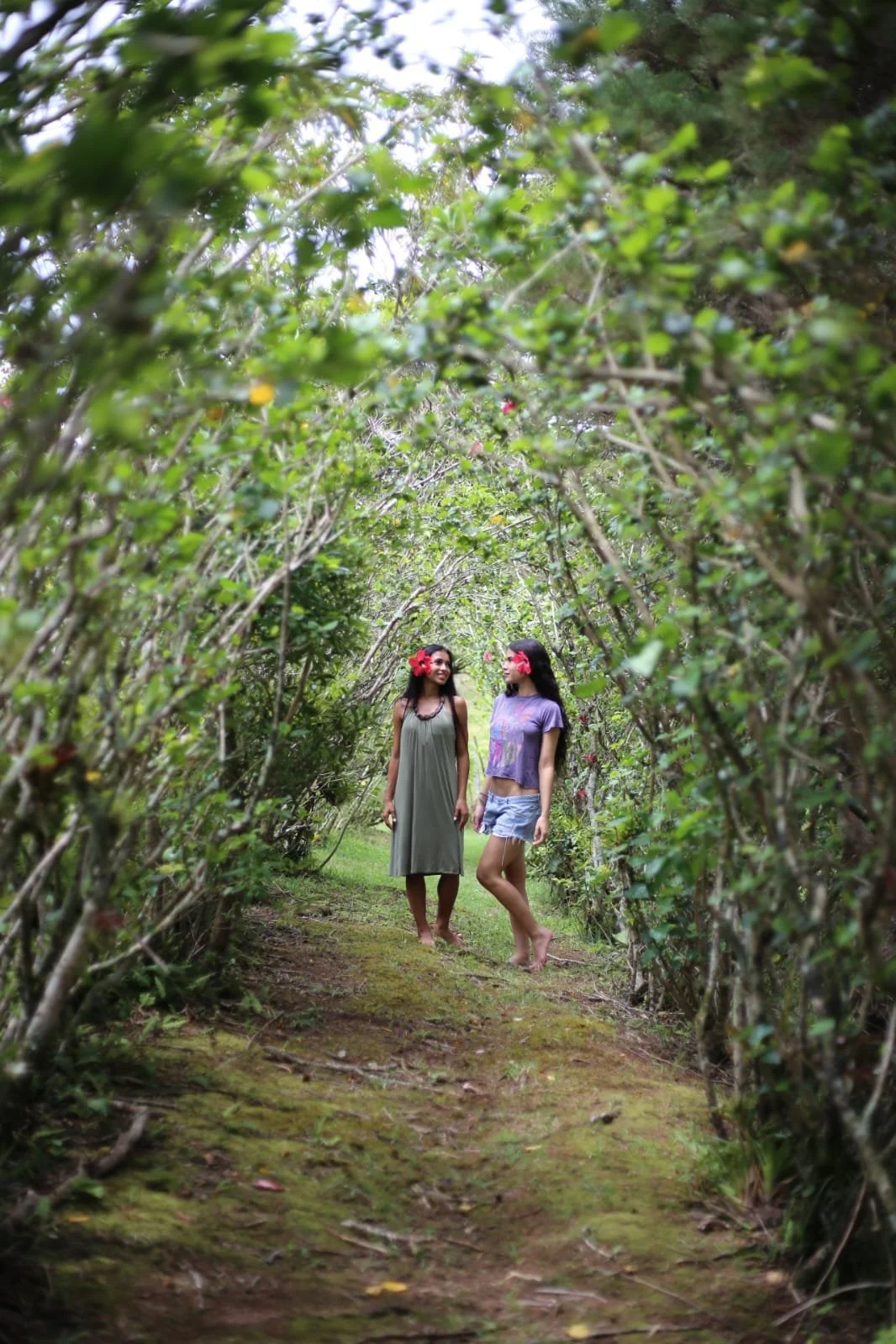
Central America is one of those parts of the world where the word “safe” can be surprisingly difficult to define. Seven countries sit between Mexico and South America, yet their security situations can be dramatically different. Even within the same country, a popular backpacker beach town can feel completely different from a dangerous neighborhood only a few hours away.
That is why comparing Central America simply by saying “Country A is safe and Country B is dangerous” can be misleading. For a traveller, what matters is where you are going, how you are travelling, what time of day you are moving around, whether you are using reputable transportation and whether you understand the local environment.
As of 2026, Canadian government travel advisories classify Panama as the only Central American country with an overall “take normal security precautions” rating, while Costa Rica, Belize, Guatemala, El Salvador, Honduras and Nicaragua are all rated at a higher level of caution, although the reasons and actual traveller experience differ enormously from country to country.
That doesn't mean Panama is completely safe or that the other six countries are dangerous places that tourists should avoid. In fact, millions of travellers visit Central America every year without experiencing serious problems.
The reality is much more interesting.
Panama: Probably the Easiest Place to Travel Safely
Panama is an interesting starting point because, compared with its Central American neighbors, it currently has a relatively favorable official safety picture.
Canada advises travellers to take normal security precautions in Panama overall. There are nevertheless specific places where the government recommends considerably more caution, including parts of Panama City, Colón, San Miguelito and Veracruz. The Darién region south of Metetí toward the Colombian border is in a completely different category, with Canada advising against all travel there because of extremely high levels of violent crime and organized criminal activity.
For the ordinary backpacker, however, much of Panama's tourist route is relatively straightforward.
Panama City, Boquete, David, Bocas del Toro, Santa Catalina, El Valle de Antón, Pedasí and the country's many smaller communities can be navigated without feeling like you're constantly looking over your shoulder.
There is petty theft, pickpocketing and occasional violent crime, just as there is elsewhere. Canadian authorities specifically warn about theft around some transport hubs and parts of Panama City, and violent crime does occur in places including Colón and David.
But Panama's biggest advantage for a traveller may be that you can generally use ordinary common sense rather than living in a state of constant fear.
Don't flash expensive possessions. Don't wander unfamiliar neighborhoods late at night. Take care of your phone and wallet. Use sensible transportation. Know where you are going.
For many backpackers, that's enough.
Costa Rica: Safe, But Don't Believe the Old Reputation
Costa Rica has long had a reputation as one of Latin America's easiest and safest destinations for tourists.
There is still plenty of truth behind that reputation, but travellers shouldn't confuse tourist friendly with crime free.
Canada currently advises a high degree of caution in Costa Rica because of crime. The U.S. State Department likewise rates Costa Rica Level 2 because petty crime is common and violent crime affecting tourists, including armed robbery, homicide and sexual assault, does occur.
Costa Rica's enormous tourism infrastructure makes it relatively easy to travel around, and many popular destinations feel comfortable for visitors. But its popularity also means tourists can become targets for theft.
Rental cars are particularly important to think about. Leaving luggage visible inside a vehicle, walking around with expensive cameras or assuming that a beautiful beach is automatically safe can create unnecessary problems.
Costa Rica is therefore a country where you can have a very safe holiday, but you shouldn't switch your brain off.
It is perhaps the classic Central American example of a destination that is safer than many people imagine but less carefree than its old reputation suggests.
Belize: Beautiful, English Speaking and More Complicated Than It Looks
Belize can be deceptive.
You arrive and discover English is widely spoken. The Caribbean atmosphere is relaxed. The islands are beautiful. People are friendly. Snorkeling and diving are spectacular.
It can feel incredibly easy.
But the country's crime situation deserves respect.
Canada currently advises travellers to exercise a high degree of caution because of high levels of violent crime throughout Belize. It specifically advises against non essential travel to Southside Belize City because of gang and drug related violence.
The important distinction is that Belize's security problems are not evenly distributed across the country.
A traveller spending time on Caye Caulker, San Pedro, Placencia or San Ignacio isn't necessarily experiencing the same environment as someone living in a high crime neighborhood of Belize City.
That doesn't mean tourist areas are immune. Canadian authorities note that violent incidents involving foreigners have occurred in several popular destinations, including Caye Caulker, Hopkins, Placencia, San Pedro and San Ignacio.
The sensible approach is to enjoy Belize while respecting the country's security realities.
Avoid wandering around unfamiliar areas after dark, don't display valuables and take extra care when moving around Belize City.
Guatemala: Incredible, But Requires More Awareness
Guatemala might be the country where the gap between what a tourist experiences and what the national security statistics suggest is particularly interesting.
Antigua can feel charming and heavily geared toward travellers.
Lake Atitlán can feel peaceful.
Flores and the route toward Tikal can be enormously rewarding.
Yet Guatemala has significant crime problems and complicated regional differences.
Canada currently advises a high degree of caution because of crime, roadblocks and demonstrations, with specific areas receiving stronger warnings.
The U.S. State Department currently rates Guatemala Level 3, advising travellers to reconsider travel because of crime and terrorism, with specific departments designated as no travel areas.
That doesn't mean backpacking through Guatemala is inherently reckless.
It means route planning matters.
A traveller who sticks to established tourist routes, uses reputable transportation, avoids isolated areas and pays attention to demonstrations can have a completely different experience from someone wandering randomly through high crime neighborhoods.
Guatemala is one of the countries where understanding the difference between regions is particularly important.
El Salvador: The Biggest Safety Story in Central America
El Salvador may have experienced the most dramatic change in its international safety image.
For years, the country was synonymous internationally with extremely high levels of gang violence.
Today, the picture is very different.
The U.S. State Department currently rates El Salvador Level 1, exercise normal precautions, although it still warns about road conditions and advises its employees against intercity travel at night.
Canada takes a more cautious position, currently advising a high degree of caution because of crime and the risk of arbitrary enforcement of local laws.
This difference between governments is important.
It demonstrates why travellers shouldn't look at a single ranking and assume it tells the whole story.
El Salvador has become an increasingly popular destination for surfers, backpackers and travellers interested in its beaches, volcanoes and towns.
But there is another consideration here that isn't simply about street crime: the country's aggressive security policies and emergency measures mean travellers should take local laws extremely seriously.
El Salvador can feel dramatically safer than its old reputation suggests, but visitors shouldn't interpret that as meaning that every aspect of the country's security environment is identical to Costa Rica or Panama.
Honduras: The Country Where Location Matters Enormously
Honduras has perhaps one of the biggest reputational problems in Central American tourism.
The country has historically struggled with very high levels of violent crime, gang activity and organized crime.
Canada currently advises a high degree of caution because of crime and has numerous regional warnings. It specifically notes that violent crime remains a concern and that certain areas have particularly serious problems.
But here's the fascinating part.
The Bay Islands are a completely different proposition for many travellers.
Roatán, Utila and other tourist destinations attract huge numbers of visitors for diving, snorkeling and Caribbean travel. Canada describes the Bay Islands as generally safe while still warning about petty crime and advising visitors to avoid isolated areas and certain neighborhoods after dark.
This is why saying simply “Honduras is dangerous” isn't particularly useful.
The Honduras experienced by a backpacker spending time diving in Utila is not necessarily the Honduras experienced by someone travelling through a high crime urban neighborhood or remote border region.
The country demands more route awareness than Panama or Costa Rica.
But that doesn't make it off limits.
Nicaragua: One of the Most Interesting Cases
Nicaragua has traditionally been popular with backpackers because it offers volcanoes, colonial cities, surfing, lakes and relatively affordable travel.
It can also feel surprisingly relaxed.
But there are two different safety questions here.
The first is ordinary crime.
The second is political and legal risk.
Canada currently advises a high degree of caution in Nicaragua because of the political situation, potential civil unrest and crime. Australia similarly warns of violent crime.
That makes Nicaragua somewhat different from a destination where the primary concern is simply pickpocketing.
Travellers should be conscious that political activity and local enforcement can have consequences, and they should be careful about photographing or becoming involved in sensitive situations.
For someone who understands those considerations, Nicaragua can still be an extraordinarily rewarding country.
So Which Country Is Actually Safest?
If you forced me to create a traveller oriented safety hierarchy rather than pretending there is a perfect scientific ranking, I would roughly divide Central America like this:
Easiest overall for a typical traveller: Panama and Costa Rica.
Generally manageable with normal backpacker awareness: El Salvador and many tourist areas of Nicaragua.
Requires more route awareness: Belize and Guatemala.
Requires the greatest attention to where you are going: Honduras.
But there is an enormous caveat.
These categories overlap.
A safe tourist area in Honduras can feel safer than a sketchy neighborhood in Panama City.
A quiet town in Guatemala can feel safer than certain parts of San José.
Caye Caulker can feel dramatically different from Southside Belize City.
Antigua can feel dramatically different from parts of Guatemala City.
And Roatán can feel dramatically different from some mainland Honduran cities.
Country rankings can therefore be useful, but neighborhood rankings are often more useful.
The Biggest Mistake Tourists Make
The biggest mistake isn't necessarily travelling to the "wrong" country.
It's assuming that a country has one universal safety level.
It doesn't.
Every Central American country contains safe places, risky places and places where the situation can change rapidly.
The smart traveller asks:
Where exactly am I staying?
How am I getting there?
Am I travelling during the day or at night?
Is this a tourist route or an isolated area?
What are locals telling me?
Are there current demonstrations, roadblocks or unusual security issues?
Those questions are much more useful than simply asking whether a country is safe.
Nighttime Changes Everything
One of the simplest rules for backpacking Central America is also one of the most effective:
Don't unnecessarily turn a daytime journey into a nighttime journey.
This matters for walking, driving and intercity transportation.
Roads can be poorly lit.
Some areas become much quieter.
Public transportation options change.
Criminal activity can become more difficult to detect.
And if something goes wrong, there may be fewer people around to help.
Canadian authorities specifically advise avoiding nighttime travel in several Central American countries, while U.S. guidance for El Salvador, for example, restricts government employees from intercity travel at night.
You don't need to hide in your hostel at 6 PM.
Just use judgment.
Petty Theft Is Probably the Most Relevant Risk for Most Backpackers
For the average traveller, the biggest practical security issue isn't necessarily getting caught up in organized crime.
It's losing your phone.
Your wallet.
Your passport.
Your camera.
Your backpack.
Your rental car gets broken into.
You leave your phone on the table.
You walk around drunk with your wallet sticking out.
You leave your backpack unattended on a bus.
These are avoidable problems.
And they're particularly frustrating because they can turn an otherwise fantastic trip into an administrative nightmare.
Don't Let Safety Fear Ruin Central America
This is equally important.
If you read enough government advisories and crime statistics, you could convince yourself that Central America is somewhere you shouldn't visit.
That would be a mistake.
Millions of people travel through the region every year.
They surf.
They hike.
They dive.
They visit volcanoes.
They stay in hostels.
They ride buses.
They eat street food.
They make friends with locals.
They get completely absorbed in the experience.
And most come home with stories about sunsets, food, wildlife and incredible people rather than stories about violent crime.
The trick isn't to be fearless.
It's to be aware without being paranoid.
Central America's Biggest Safety Secret
The safest traveller isn't necessarily the person who is most afraid.
It's the person who pays attention.
They notice who is around them.
They know where they're going.
They don't flash money.
They don't wander aimlessly into unfamiliar neighborhoods at 2 AM.
They use reputable transportation.
They listen when locals tell them an area isn't worth visiting.
They check current conditions before crossing a border.
They keep backups of important documents.
And when something doesn't feel right, they leave.
That approach works remarkably well across Central America.
The Bottom Line
Central America is not one giant safety category.
It is seven very different countries with different histories, crime patterns, political environments, infrastructure and tourist cultures.
Panama currently has the most favorable overall official advisory among the seven from Canada.
Costa Rica remains highly accessible to tourists but has a serious crime problem that visitors shouldn't underestimate.
Belize offers extraordinary Caribbean experiences but has significant violent crime concerns, particularly around Belize City.
Guatemala is spectacular and heavily travelled but requires careful route planning.
El Salvador has undergone an extraordinary improvement in its security situation, although travellers should understand its strict security environment and the differing assessments of foreign governments.
Honduras demands the most attention to regional differences, while its Bay Islands can offer a very different experience from high crime areas on the mainland.
Nicaragua remains a fascinating backpacking destination, but political and legal considerations make it important to understand the current environment before travelling.
And perhaps the most important lesson is this:
Don't ask, "Is Central America safe?"
Ask:
"Where am I going, how am I getting there, and what does the situation look like right now?"
That is the question that turns Central America from a frightening headline into what it really is: an enormous, diverse, fascinating region where millions of travellers have extraordinary experiences every year.