
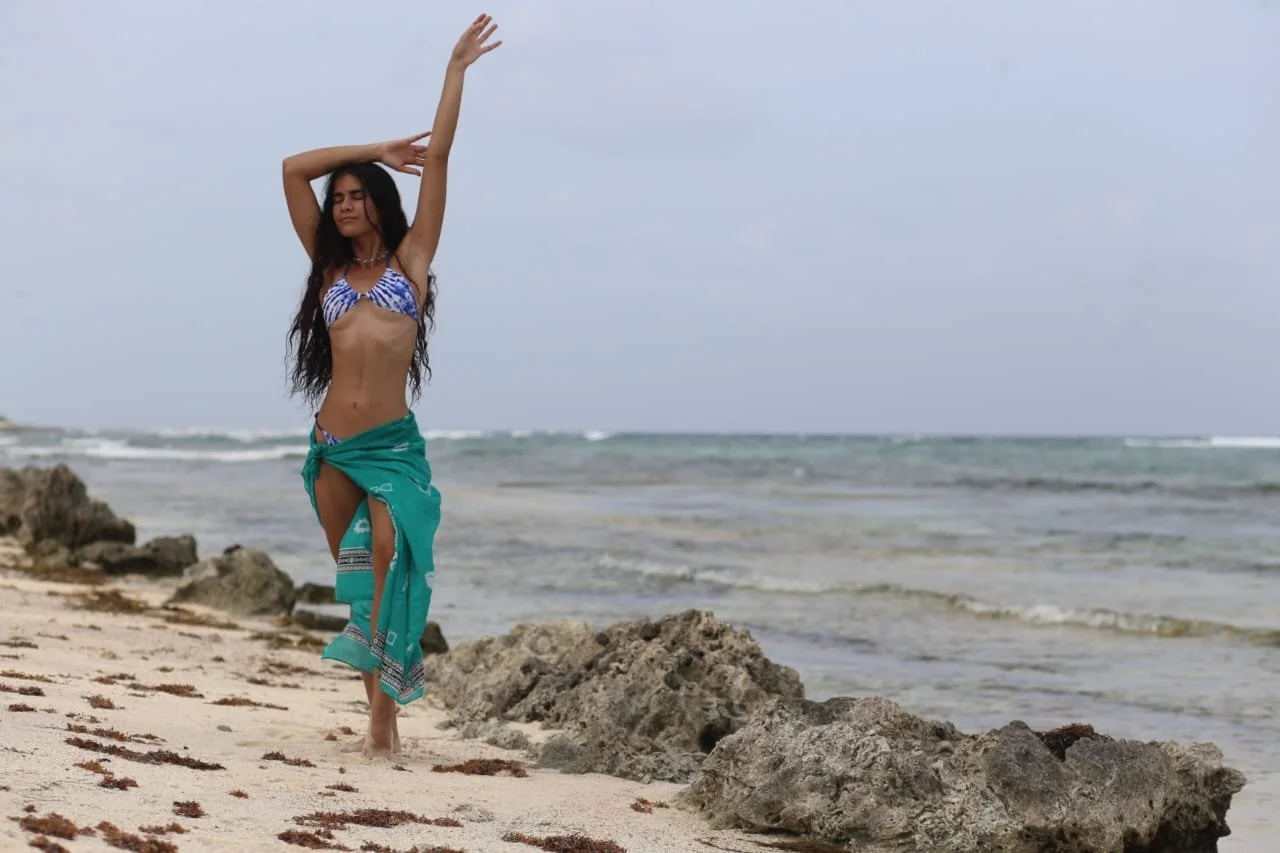
Panama is blessed with an enormous coastline, but one of the most important things to understand as a traveler is that a beautiful beach isn't automatically a safe beach for swimming. Panama has Caribbean beaches with calm turquoise water, Pacific beaches with powerful surf, tidal currents, river mouths and remote stretches of coastline where there may be nobody around if something goes wrong. The difference between a relaxing swim and a dangerous situation can sometimes be as simple as choosing the right side of an island or visiting at the right tide.
For travelers who mainly want to get into the water rather than surf, the Caribbean side generally offers more consistently calm swimming conditions, particularly around sheltered islands and bays. The Pacific can also have excellent swimming beaches, but conditions vary considerably from one beach to another and can change with tides, weather and swell.
Bocas del Toro: Some of Panama's Best Swimming
The islands around Bocas del Toro are among the best places in Panama for travelers who want warm, tropical water and relatively sheltered swimming conditions. The Caribbean geography creates numerous protected areas where the water can be remarkably calm compared with exposed Pacific beaches.
Bocas del Drago is one of the better choices for relaxed swimming. The beach is beautiful, relatively accessible and has a much calmer atmosphere than some of the more exposed Caribbean and Pacific beaches. It is an excellent place to spend a day swimming, relaxing and eating something nearby without needing to turn the experience into an expensive excursion.
Starfish Beach, on Isla Colón, is another famous swimming destination. The shallow Caribbean water and generally gentle conditions make it popular with travelers who simply want to float around in warm water. However, the name comes from the starfish found in the area, and visitors should avoid touching or lifting them out of the water. They are animals, not underwater souvenirs.
Isla Carenero also has sheltered areas that can be pleasant for swimming, although conditions vary depending on which side of the island you're on. The important lesson around Bocas is that you shouldn't assume every beach has identical conditions. Wind, waves and currents can be dramatically different only a short distance away.
The San Blas Islands: Beautiful, Shallow and Sheltered
The San Blas Islands, officially part of Guna Yala, are another excellent option for swimming. Many of the tiny islands are surrounded by shallow, protected Caribbean water. On a calm day, the sea can look almost absurdly peaceful, with water so clear that you can see the bottom while standing in it.
These islands are particularly appealing for travelers who aren't interested in powerful waves. Many beaches have a gradual entry into the water, making them excellent for simply wading, floating and snorkeling.
But there is an important distinction: San Blas is not one giant swimming pool. Weather, wind, currents and the particular island you're visiting matter. Your local boat captain or host will know which side of an island is safest on a given day, so listen to them rather than assuming that calm-looking water is automatically harmless.
The Pearl Islands: Sheltered Pacific Swimming
The Pearl Islands are an interesting exception to the idea that the Pacific is always rough. Their island geography creates numerous sheltered bays and beaches where swimming can be excellent.
On islands such as Contadora, you'll find beaches with relatively calm water and beautiful scenery. Because the islands are separated from the mainland, they also have a very different atmosphere from the exposed Pacific coastline.
The Pearl Islands are particularly appealing if you're staying in Panama City and want a beach experience without traveling all the way across the country.
Santa Clara and Farallón: Good Beaches, But Check Conditions
The beaches around Santa Clara and Farallón in Coclé Province are among the most accessible Pacific beaches for travelers coming from Panama City.
They have enormous stretches of sand and can be wonderful for swimming when conditions are favorable. However, this is where travelers need to start paying much more attention to the ocean.
The Pacific coast experiences stronger surf and currents than many sheltered Caribbean beaches. A beach can look perfectly calm from shore while still having a dangerous rip current farther out.
The safest approach is to swim where locals are swimming, avoid going far from shore and pay attention to the conditions before entering.
Playa Venao: Amazing for Surfing, Not the First Choice for Casual Swimmers
Playa Venao is one of Panama's most famous beaches, but it's important to understand why it's famous.
It's primarily a surfing destination.
That doesn't mean you can't swim there, but it does mean the ocean can have substantial waves and currents. If you're an experienced swimmer and understand surf conditions, that's one thing. If you're simply looking for somewhere calm to float around in the ocean, there are better choices.
Playa Venao is a perfect example of why "best beach" and "safest swimming beach" aren't necessarily the same thing.
Santa Catalina: Beautiful, But Respect the Pacific
Santa Catalina is another famous Panamanian destination that attracts surfers, divers and adventurers. The coastline is spectacular, but it isn't the place I'd choose first for someone whose primary goal is relaxed swimming.
The Pacific around Santa Catalina can have strong waves and currents, particularly around exposed beaches.
Ironically, some of the best water experiences in the area are actually offshore. Boat trips to places such as Coiba can provide opportunities for snorkeling and swimming in much clearer, sheltered waters, depending on conditions.
Coiba: Incredible Water, But Go With Experienced Operators
The waters around Coiba National Park can be spectacular. Visibility can be excellent, marine life is extraordinary and the surrounding islands create countless opportunities for snorkeling and swimming.
But Coiba is remote.
That changes the safety equation.
This isn't somewhere I'd recommend wandering into the ocean alone because the water looks beautiful. Go with an experienced local operator, follow instructions and pay attention to currents, tides and marine conditions.
The remote nature of Coiba is exactly what makes it spectacular, but it's also why you should treat the environment with more respect.
The Caribbean Generally Wins for Relaxed Swimming
If your definition of a safe swimming beach is warm water, relatively gentle waves, shallow entry and sheltered conditions, the Caribbean islands are generally your best bet.
Bocas del Toro and Guna Yala stand out because their geography naturally creates protected areas.
The Pacific coast is different. It is more exposed to ocean swell and has much stronger tidal movement in many places. That doesn't make Pacific beaches dangerous by definition. It simply means you need to be more selective.
Be Careful Around River Mouths
One of the most important things travelers should understand about Panama's beaches is the danger around river mouths.
Where freshwater rivers meet the ocean, currents can become complicated and unpredictable. Water can flow strongly out toward the sea, especially after heavy rain.
A beach may look completely peaceful while the area near a river mouth has a powerful current.
If you see a river entering the ocean, give that area a wide berth unless locals or lifeguards specifically indicate that swimming there is safe.
Rip Currents Are the Real Threat
For beach swimmers, rip currents are generally much more important to understand than sharks.
A rip current is a narrow channel of water moving away from shore. It can pull even a strong swimmer away from the beach.
The biggest mistake is trying to fight directly against it.
If you get caught in one, don't panic and don't try to swim straight back toward shore against the current. Instead, stay calm, float if necessary and swim parallel to the shoreline until you are out of the current, then make your way back toward the beach.
And if you see a beach with obvious strong breaking waves, powerful channels or warning signs, don't assume that being a good swimmer makes you immune.
The ocean doesn't care how confident you are.
What About Sharks?
Sharks naturally exist in Panama's waters, but shark attacks are not the main reason travelers should be concerned about swimming at Panamanian beaches.
Currents, waves, tides and changing weather conditions are much more practical safety concerns for ordinary beachgoers.
The same basic ocean rules apply anywhere: don't swim alone in remote areas, avoid swimming at night, don't enter the water during dangerous weather and listen to local warnings.
So Which Beaches Are Best?
If you're looking for relatively calm swimming rather than surfing, I'd put the options roughly into these categories.
Best bets for relaxed swimming: Bocas del Drago, Starfish Beach and many sheltered beaches around Bocas del Toro; beaches in Guna Yala; and sheltered beaches around the Pearl Islands.
Good Pacific options when conditions are calm: Santa Clara, Farallón and selected beaches around the Pearl Islands.
More suitable for experienced swimmers or surfers: Playa Venao, Santa Catalina and many exposed Pacific beaches.
But there is one rule more important than any ranking:
The safest beach today may not be the safest beach tomorrow.
Ocean conditions change.
Wind changes.
Tides change.
Rain changes river flow.
Swell changes.
A beach that was calm yesterday can have powerful waves today.
So before swimming, look at the water, ask locals or lifeguards about conditions, avoid isolated areas and don't let a beautiful photograph convince you that the ocean is harmless.
Panama has some truly spectacular swimming beaches. The secret is not simply finding the prettiest one. It's finding the right beach for the conditions on the day you're there.The Safest Beaches in Panama for Swimming
Panama is blessed with an enormous coastline, but one of the most important things to understand as a traveler is that a beautiful beach isn't automatically a safe beach for swimming. Panama has Caribbean beaches with calm turquoise water, Pacific beaches with powerful surf, tidal currents, river mouths and remote stretches of coastline where there may be nobody around if something goes wrong. The difference between a relaxing swim and a dangerous situation can sometimes be as simple as choosing the right side of an island or visiting at the right tide.
For travelers who mainly want to get into the water rather than surf, the Caribbean side generally offers more consistently calm swimming conditions, particularly around sheltered islands and bays. The Pacific can also have excellent swimming beaches, but conditions vary considerably from one beach to another and can change with tides, weather and swell.
Bocas del Toro: Some of Panama's Best Swimming
The islands around Bocas del Toro are among the best places in Panama for travelers who want warm, tropical water and relatively sheltered swimming conditions. The Caribbean geography creates numerous protected areas where the water can be remarkably calm compared with exposed Pacific beaches.
Bocas del Drago is one of the better choices for relaxed swimming. The beach is beautiful, relatively accessible and has a much calmer atmosphere than some of the more exposed Caribbean and Pacific beaches. It is an excellent place to spend a day swimming, relaxing and eating something nearby without needing to turn the experience into an expensive excursion.
Starfish Beach, on Isla Colón, is another famous swimming destination. The shallow Caribbean water and generally gentle conditions make it popular with travelers who simply want to float around in warm water. However, the name comes from the starfish found in the area, and visitors should avoid touching or lifting them out of the water. They are animals, not underwater souvenirs.
Isla Carenero also has sheltered areas that can be pleasant for swimming, although conditions vary depending on which side of the island you're on. The important lesson around Bocas is that you shouldn't assume every beach has identical conditions. Wind, waves and currents can be dramatically different only a short distance away.
The San Blas Islands: Beautiful, Shallow and Sheltered
The San Blas Islands, officially part of Guna Yala, are another excellent option for swimming. Many of the tiny islands are surrounded by shallow, protected Caribbean water. On a calm day, the sea can look almost absurdly peaceful, with water so clear that you can see the bottom while standing in it.
These islands are particularly appealing for travelers who aren't interested in powerful waves. Many beaches have a gradual entry into the water, making them excellent for simply wading, floating and snorkeling.
But there is an important distinction: San Blas is not one giant swimming pool. Weather, wind, currents and the particular island you're visiting matter. Your local boat captain or host will know which side of an island is safest on a given day, so listen to them rather than assuming that calm-looking water is automatically harmless.
The Pearl Islands: Sheltered Pacific Swimming
The Pearl Islands are an interesting exception to the idea that the Pacific is always rough. Their island geography creates numerous sheltered bays and beaches where swimming can be excellent.
On islands such as Contadora, you'll find beaches with relatively calm water and beautiful scenery. Because the islands are separated from the mainland, they also have a very different atmosphere from the exposed Pacific coastline.
The Pearl Islands are particularly appealing if you're staying in Panama City and want a beach experience without traveling all the way across the country.
Santa Clara and Farallón: Good Beaches, But Check Conditions
The beaches around Santa Clara and Farallón in Coclé Province are among the most accessible Pacific beaches for travelers coming from Panama City.
They have enormous stretches of sand and can be wonderful for swimming when conditions are favorable. However, this is where travelers need to start paying much more attention to the ocean.
The Pacific coast experiences stronger surf and currents than many sheltered Caribbean beaches. A beach can look perfectly calm from shore while still having a dangerous rip current farther out.
The safest approach is to swim where locals are swimming, avoid going far from shore and pay attention to the conditions before entering.
Playa Venao: Amazing for Surfing, Not the First Choice for Casual Swimmers
Playa Venao is one of Panama's most famous beaches, but it's important to understand why it's famous.
It's primarily a surfing destination.
That doesn't mean you can't swim there, but it does mean the ocean can have substantial waves and currents. If you're an experienced swimmer and understand surf conditions, that's one thing. If you're simply looking for somewhere calm to float around in the ocean, there are better choices.
Playa Venao is a perfect example of why "best beach" and "safest swimming beach" aren't necessarily the same thing.
Santa Catalina: Beautiful, But Respect the Pacific
Santa Catalina is another famous Panamanian destination that attracts surfers, divers and adventurers. The coastline is spectacular, but it isn't the place I'd choose first for someone whose primary goal is relaxed swimming.
The Pacific around Santa Catalina can have strong waves and currents, particularly around exposed beaches.
Ironically, some of the best water experiences in the area are actually offshore. Boat trips to places such as Coiba can provide opportunities for snorkeling and swimming in much clearer, sheltered waters, depending on conditions.
Coiba: Incredible Water, But Go With Experienced Operators
The waters around Coiba National Park can be spectacular. Visibility can be excellent, marine life is extraordinary and the surrounding islands create countless opportunities for snorkeling and swimming.
But Coiba is remote.
That changes the safety equation.
This isn't somewhere I'd recommend wandering into the ocean alone because the water looks beautiful. Go with an experienced local operator, follow instructions and pay attention to currents, tides and marine conditions.
The remote nature of Coiba is exactly what makes it spectacular, but it's also why you should treat the environment with more respect.
The Caribbean Generally Wins for Relaxed Swimming
If your definition of a safe swimming beach is warm water, relatively gentle waves, shallow entry and sheltered conditions, the Caribbean islands are generally your best bet.
Bocas del Toro and Guna Yala stand out because their geography naturally creates protected areas.
The Pacific coast is different. It is more exposed to ocean swell and has much stronger tidal movement in many places. That doesn't make Pacific beaches dangerous by definition. It simply means you need to be more selective.
Be Careful Around River Mouths
One of the most important things travelers should understand about Panama's beaches is the danger around river mouths.
Where freshwater rivers meet the ocean, currents can become complicated and unpredictable. Water can flow strongly out toward the sea, especially after heavy rain.
A beach may look completely peaceful while the area near a river mouth has a powerful current.
If you see a river entering the ocean, give that area a wide berth unless locals or lifeguards specifically indicate that swimming there is safe.
Rip Currents Are the Real Threat
For beach swimmers, rip currents are generally much more important to understand than sharks.
A rip current is a narrow channel of water moving away from shore. It can pull even a strong swimmer away from the beach.
The biggest mistake is trying to fight directly against it.
If you get caught in one, don't panic and don't try to swim straight back toward shore against the current. Instead, stay calm, float if necessary and swim parallel to the shoreline until you are out of the current, then make your way back toward the beach.
And if you see a beach with obvious strong breaking waves, powerful channels or warning signs, don't assume that being a good swimmer makes you immune.
The ocean doesn't care how confident you are.
What About Sharks?
Sharks naturally exist in Panama's waters, but shark attacks are not the main reason travelers should be concerned about swimming at Panamanian beaches.
Currents, waves, tides and changing weather conditions are much more practical safety concerns for ordinary beachgoers.
The same basic ocean rules apply anywhere: don't swim alone in remote areas, avoid swimming at night, don't enter the water during dangerous weather and listen to local warnings.
So Which Beaches Are Best?
If you're looking for relatively calm swimming rather than surfing, I'd put the options roughly into these categories.
Best bets for relaxed swimming: Bocas del Drago, Starfish Beach and many sheltered beaches around Bocas del Toro; beaches in Guna Yala; and sheltered beaches around the Pearl Islands.
Good Pacific options when conditions are calm: Santa Clara, Farallón and selected beaches around the Pearl Islands.
More suitable for experienced swimmers or surfers: Playa Venao, Santa Catalina and many exposed Pacific beaches.
But there is one rule more important than any ranking:
The safest beach today may not be the safest beach tomorrow.
Ocean conditions change.
Wind changes.
Tides change.
Rain changes river flow.
Swell changes.
A beach that was calm yesterday can have powerful waves today.
So before swimming, look at the water, ask locals or lifeguards about conditions, avoid isolated areas and don't let a beautiful photograph convince you that the ocean is harmless.
Panama has some truly spectacular swimming beaches. The secret is not simply finding the prettiest one. It's finding the right beach for the conditions on the day you're there.