
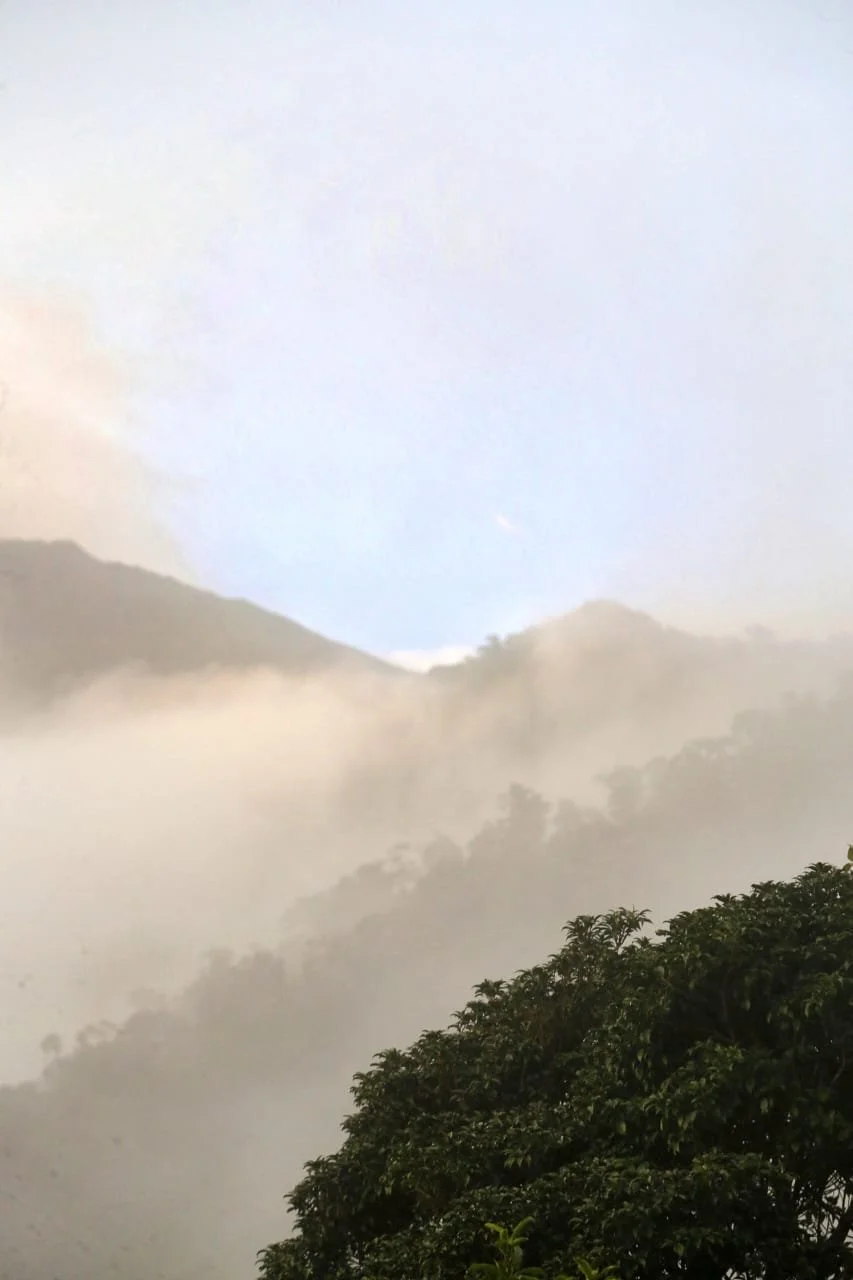
When people imagine Panama, they usually think of tropical fruits such as mangoes, papayas, pineapples, bananas and coconuts. Strawberries are probably not the first fruit that comes to mind. Yet high in the mountains of Chiriquí, surrounded by cool temperatures, volcanic soils and green valleys, Panama has developed a surprisingly important strawberry growing region. The center of this production is Cerro Punta, in the Tierras Altas district, where strawberries have become much more than an agricultural product. They have become part of the identity, tourism and food culture of the region. A study by the University of Panama identified the strawberry, Fragaria × ananassa, as the principal fruit produced in Cerro Punta, with production destined for markets throughout Panama.
A Tropical Country That Grows Strawberries
The first thing that makes Panama's strawberries fascinating is simply the location where they grow. Panama is a tropical country, but the mountains of Chiriquí create an entirely different climate. Tierras Altas sits at significant elevation, with cool temperatures and fertile volcanic soils that allow farmers to grow crops that would struggle in the hot lowlands. Panama's official tourism authority describes the region as an important agricultural area, with temperatures generally ranging from approximately 12°C to 25°C, depending on elevation and location. These conditions have allowed farmers to cultivate crops that seem almost completely unexpected in a tropical country, including strawberries.
This is one of the wonderful surprises of traveling through Chiriquí. You can leave the warm tropical lowlands, climb into the mountains and suddenly find yourself surrounded by greenhouses filled with strawberries. The vegetation changes, the air becomes cooler and the agricultural landscape begins to look almost European in certain places. Yet you are still in Panama, only a few degrees from the equator.
Cerro Punta: The Strawberry Capital
Cerro Punta has become closely associated with strawberry production. A 2021 study from the University of Panama described strawberries as the principal fruit produced in the area, noting that they are sold throughout the country both fresh and as minimally processed products.
The importance of strawberries has continued to grow as part of the agricultural identity of Tierras Altas. In 2024, Panama's Ministry of Agricultural Development reported that nine companies and small producers in the Tierras Altas area were cultivating approximately 14.5 hectares of strawberries under greenhouse conditions, with the most widely planted varieties including Albion, San Andreas and Camino Real. The ministry estimated production at approximately 80,946 pounds per month at that time.
That is a remarkable amount of strawberries for a country that most people would never associate with strawberry farming.
Why Do Strawberries Grow So Well Here?
The answer is a combination of altitude, temperature, soil and farming techniques. Strawberries generally perform better in cooler conditions than the hot tropical temperatures found across much of Panama. The highlands around Cerro Punta provide a much more suitable environment.
The volcanic origin of the region is also important. Volcanic soils can be highly fertile, and the agricultural landscape around Volcán Barú has developed over thousands of years of geological activity. The result is an extraordinary agricultural region where farmers produce vegetables, flowers, fruits and other crops for markets throughout Panama.
Greenhouses provide another important advantage. Instead of leaving strawberries completely exposed to changing weather conditions, growers can control their environment more carefully. This helps protect the plants and allows production to continue for much of the year.
The Strawberry Doesn't Look Like a Tropical Crop
Walking through a strawberry farm in Cerro Punta can almost feel like entering another country. The plants grow in carefully organized rows, often under protective structures, while the surrounding mountains rise dramatically behind them.
And then there is the fruit itself.
Bright red strawberries against the green landscape create a spectacular contrast. When they are freshly harvested, they can be extraordinarily aromatic and sweet, and visitors often have the opportunity to taste them directly in the region where they are grown.
For many tourists, this is part of the attraction. You are not simply buying strawberries in a supermarket. You are visiting the mountain farms that produce them.
From Plant to Strawberry
The production process is also fascinating. Strawberry plants are carefully propagated and established before being transferred into production areas. Once the plants are mature, they can produce fruit repeatedly.
A report about strawberry production in Cerro Punta describes the plants being cultivated under greenhouse conditions and harvested regularly. Farmers must repeatedly inspect the plants, identify ripe fruit and carefully pick strawberries without damaging them.
This is much more labor intensive than many people realize.
A strawberry may look simple sitting in a plastic container at a supermarket, but behind that little red fruit are months of cultivation, watering, fertilization, pest management, harvesting, sorting, cooling and transportation.
The Delicate Nature of the Strawberry
There is another reason strawberries are particularly interesting for agriculture: they are extremely perishable.
Once harvested, they need to be handled carefully and kept cool. Panama's Institute of Agricultural Marketing notes that strawberries should be refrigerated soon after harvesting and that maintaining the cold chain is important for preserving quality, freshness and nutritional characteristics.
This creates a logistical challenge for farmers in the mountains.
The fruit has to travel from high altitude farms to consumers while remaining in good condition. Producers therefore have to think about harvesting, packaging, refrigeration and transportation as part of the same process.
A strawberry grown in Cerro Punta may eventually end up on a plate in Panama City, which means that its journey from mountain greenhouse to consumer can be surprisingly sophisticated.
More Than Just Fresh Fruit
Strawberries in Panama are also used in an enormous variety of products. They can become smoothies, jams, ice cream, yogurt products, desserts, pastries, juices and other preparations.
The agricultural marketing information published by Panama's IMA specifically identifies strawberries as an ingredient for products including jams, juices, concentrates, yogurts, gelatins, ice creams and smoothies.
This has created an interesting relationship between agriculture and tourism.
A visitor may come to Cerro Punta to see the mountains, but then discover strawberry desserts, strawberry drinks and fresh berries being sold directly in the farming communities.
The strawberry becomes part of the travel experience.
The Strawberry Festival
The popularity of the fruit has become so significant that Cerro Punta now hosts a Festival de las Fresas y las Hortalizas, celebrating strawberries and the agricultural production of Tierras Altas.
The event has become an important attraction for the region. Panama's Ministry of Agricultural Development reported that the third edition took place in August 2025 and described strawberries and vegetables as important components of the local economy.
The festival is an excellent example of how agriculture can become tourism.
Instead of hiding the farming process behind the scenes, Cerro Punta celebrates it.
Visitors can experience the food, meet producers, see agricultural products and enjoy activities connected with the countryside. The event is intended not only to celebrate local farmers but also to strengthen agrotourism in Tierras Altas.
A Different Kind of Tourism
Strawberry farming gives Panama another form of tourism that is becoming increasingly interesting: agrotourism.
Rather than spending the entire vacation visiting conventional attractions, travelers can visit farms, learn how crops are produced and taste food directly where it is grown.
Cerro Punta is particularly well suited to this because strawberries exist alongside an enormous variety of vegetables and other crops. The region is sometimes described as one of Panama's agricultural pantries, with its cool climate and fertile soils supporting large amounts of vegetable production.
For travelers who enjoy food, nature and rural communities, a strawberry farm can therefore be just as interesting as a traditional tourist attraction.
Strawberries and the Mountain Lifestyle
There is also something very pleasant about the atmosphere surrounding strawberry production in the highlands. Cerro Punta is surrounded by mountains, forests, farms and winding roads. The climate is cooler than almost anywhere else in Panama, and mornings can feel crisp and fresh.
The agricultural landscape is part of the scenery.
You might drive past fields of vegetables, greenhouses, flower farms and strawberry plantations while Volcán Barú towers above the region.
It is a completely different image of Panama from the beaches and tropical islands that dominate international advertising.
Here, the country feels agricultural, mountainous and surprisingly cool.
A Fruit That Connects Agriculture and Tourism
Perhaps the most interesting thing about strawberries in Panama is that they demonstrate how strongly geography can influence a country's agriculture.
Panama is tropical, but it contains mountains high enough to create climates that allow crops normally associated with cooler regions to thrive. The strawberry is one of the best examples.
It also demonstrates how an agricultural product can become part of a destination's identity.
Cerro Punta is not simply a place where strawberries happen to be grown.
The fruit has become part of what visitors associate with the region. Strawberry farms, fresh berries, desserts, festivals and agrotourism have created an entire experience around the crop.
Why You Should Try Them in Chiriquí
If you are traveling through Boquete, Volcán or Cerro Punta, trying fresh strawberries is one of those small experiences that can make a trip more memorable.
Buy a container from a local producer.
Try a strawberry smoothie.
Have strawberries with cream.
Look for homemade jam.
Visit a farm if tours are available.
And take a moment to appreciate the strange journey of the fruit in front of you.
It was grown in the mountains of tropical Panama, in volcanic soil, at an altitude where temperatures can become surprisingly cool, carefully harvested by local workers and transported to the market.
That little red berry tells a much bigger story.
The strawberries of Panama are a perfect example of the country's incredible geographical diversity. In a nation famous for tropical beaches, rainforests and Caribbean islands, high in the mountains of Chiriquí another Panama exists, one of cool mornings, volcanic soil, greenhouses, vegetable farms and rows of bright red strawberries. In Cerro Punta, the humble strawberry has become an agricultural success, a source of local pride and increasingly a reason for travelers to explore the countryside.