
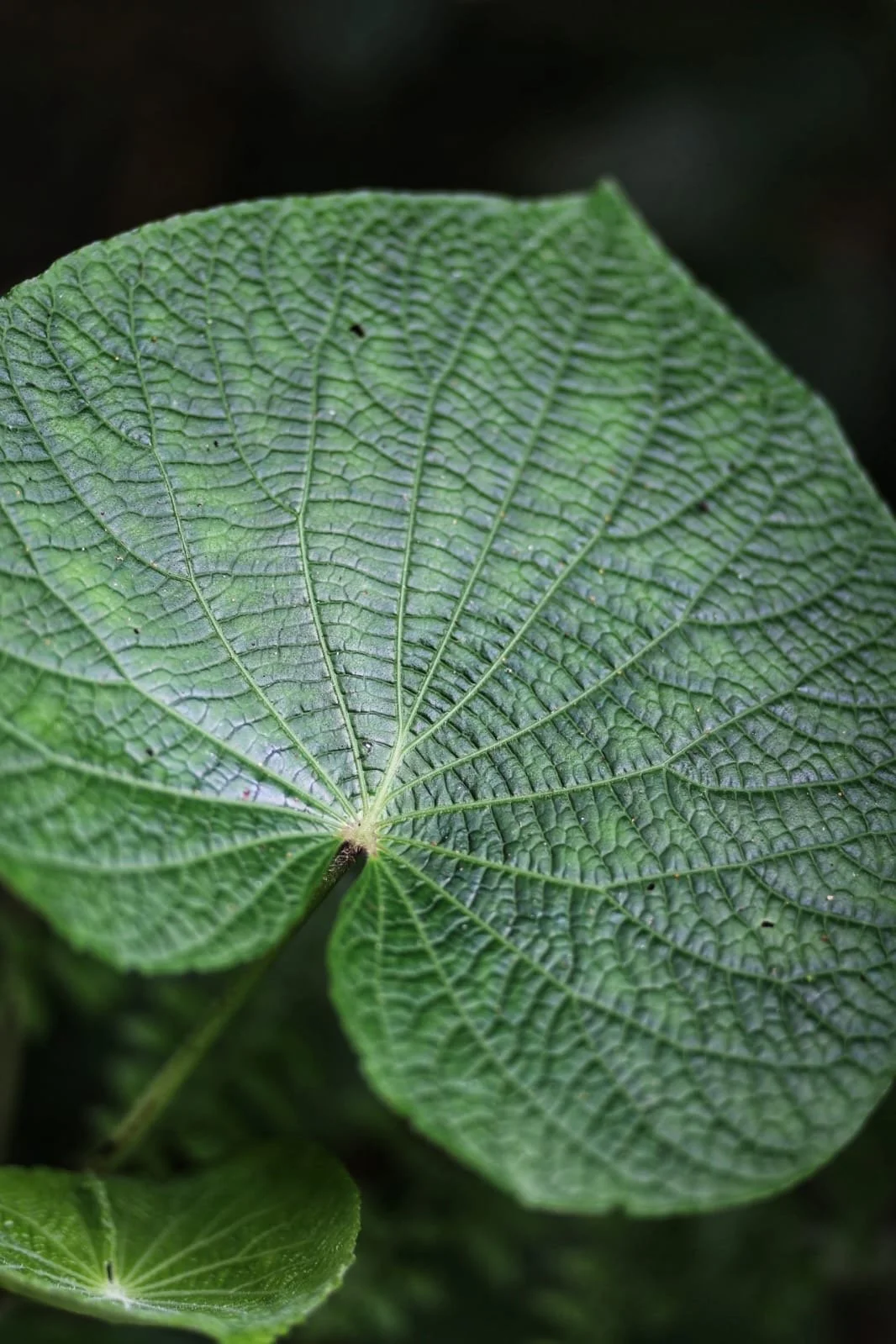
If you are visiting Panama and see culantro and cilantro at a market, it is easy to assume they are basically the same herb. Their names are almost identical, and both have a fresh, green, citrusy aroma. But in Panamanian cooking, they are quite different, and knowing the difference can completely change the flavor of a dish.
🌿 Culantro: the powerhouse of Panamanian cooking
Culantro is the long leafed herb with jagged edges that you will frequently encounter in traditional Panamanian cooking. Its flavor is much stronger and more concentrated than cilantro.
It is particularly important in dishes that need to develop flavor slowly.
The classic example is sancocho, Panama's famous chicken soup. Culantro is one of the ingredients that gives the broth its characteristic aroma and deep herbal flavor.
Culantro is also commonly used in:
Soups and stews
Beans
Rice dishes
Chicken
Meat
Fish and seafood
Sofritos and seasoning mixtures
Because it is so powerful, you generally don't need a huge amount. A few leaves can perfume an entire pot of soup.
Its flavor is earthier, stronger, more savory and more persistent than cilantro.
🌱 Cilantro: the fresher, lighter herb
Cilantro is the familiar herb with delicate, rounded leaves that is used around the world.
Its flavor is generally lighter and fresher, with the characteristic citrusy and slightly peppery flavor that people associate with Mexican, Central American and Caribbean cuisine.
In Panama, cilantro can be used in many of the same types of foods as culantro, but it often works particularly well as a fresh finishing herb.
You might find it chopped over food shortly before serving, mixed into sauces, added to salads, or used to give a fresh aroma to soups and other dishes.
🍲 The difference becomes obvious in sancocho
Sancocho is probably the best place to understand the difference.
If you make a traditional Panamanian sancocho with culantro, the herb becomes part of the identity of the broth. It provides a powerful savory and herbal aroma that survives the cooking process.
If you substitute cilantro, you will still have a delicious soup, but it will taste different. Cilantro tends to provide a brighter, fresher flavor rather than the deeper herbal character associated with culantro.
This is why a Panamanian cook may insist that culantro belongs in sancocho.
👃 The smell is the giveaway
If you have both herbs in front of you, simply crush a leaf between your fingers.
Cilantro will give you a familiar fresh, citrusy aroma.
Culantro will smell much stronger and more intense.
That difference becomes even more noticeable when the herbs are cooked.
🌎 Why does Panama use both?
Panamanian cuisine is a meeting point of Indigenous, Spanish, Afro Caribbean, Afro Panamanian and other culinary traditions.
Both herbs fit naturally into this cuisine, but they have developed somewhat different roles.
Culantro is strongly associated with traditional Panamanian cooking, especially soups, stews, beans and savory dishes.
Cilantro is more universal, appearing in both traditional recipes and dishes influenced by other Latin American cuisines.
🇵🇦 The easiest way to remember
Think of it this way:
Culantro = deep, powerful, traditional flavor
Cilantro = fresh, bright, finishing flavor
They can sometimes be substituted for one another, but they are not interchangeable if you are trying to reproduce the exact flavor of a traditional Panamanian recipe.
And if you want to understand Panamanian food, learning to recognize culantro is a great place to start. It is one of those seemingly simple ingredients that can tell you a surprising amount about the country's history, climate and culinary traditions.Culantro vs. Cilantro in Panama: Two Herbs, Two Very Different Roles
If you are visiting Panama and see culantro and cilantro at a market, it is easy to assume they are basically the same herb. Their names are almost identical, and both have a fresh, green, citrusy aroma. But in Panamanian cooking, they are quite different, and knowing the difference can completely change the flavor of a dish.
🌿 Culantro: the powerhouse of Panamanian cooking
Culantro is the long leafed herb with jagged edges that you will frequently encounter in traditional Panamanian cooking. Its flavor is much stronger and more concentrated than cilantro.
It is particularly important in dishes that need to develop flavor slowly.
The classic example is sancocho, Panama's famous chicken soup. Culantro is one of the ingredients that gives the broth its characteristic aroma and deep herbal flavor.
Culantro is also commonly used in:
Soups and stews
Beans
Rice dishes
Chicken
Meat
Fish and seafood
Sofritos and seasoning mixtures
Because it is so powerful, you generally don't need a huge amount. A few leaves can perfume an entire pot of soup.
Its flavor is earthier, stronger, more savory and more persistent than cilantro.
🌱 Cilantro: the fresher, lighter herb
Cilantro is the familiar herb with delicate, rounded leaves that is used around the world.
Its flavor is generally lighter and fresher, with the characteristic citrusy and slightly peppery flavor that people associate with Mexican, Central American and Caribbean cuisine.
In Panama, cilantro can be used in many of the same types of foods as culantro, but it often works particularly well as a fresh finishing herb.
You might find it chopped over food shortly before serving, mixed into sauces, added to salads, or used to give a fresh aroma to soups and other dishes.
🍲 The difference becomes obvious in sancocho
Sancocho is probably the best place to understand the difference.
If you make a traditional Panamanian sancocho with culantro, the herb becomes part of the identity of the broth. It provides a powerful savory and herbal aroma that survives the cooking process.
If you substitute cilantro, you will still have a delicious soup, but it will taste different. Cilantro tends to provide a brighter, fresher flavor rather than the deeper herbal character associated with culantro.
This is why a Panamanian cook may insist that culantro belongs in sancocho.
👃 The smell is the giveaway
If you have both herbs in front of you, simply crush a leaf between your fingers.
Cilantro will give you a familiar fresh, citrusy aroma.
Culantro will smell much stronger and more intense.
That difference becomes even more noticeable when the herbs are cooked.
🌎 Why does Panama use both?
Panamanian cuisine is a meeting point of Indigenous, Spanish, Afro Caribbean, Afro Panamanian and other culinary traditions.
Both herbs fit naturally into this cuisine, but they have developed somewhat different roles.
Culantro is strongly associated with traditional Panamanian cooking, especially soups, stews, beans and savory dishes.
Cilantro is more universal, appearing in both traditional recipes and dishes influenced by other Latin American cuisines.
🇵🇦 The easiest way to remember
Think of it this way:
Culantro = deep, powerful, traditional flavor
Cilantro = fresh, bright, finishing flavor
They can sometimes be substituted for one another, but they are not interchangeable if you are trying to reproduce the exact flavor of a traditional Panamanian recipe.
And if you want to understand Panamanian food, learning to recognize culantro is a great place to start. It is one of those seemingly simple ingredients that can tell you a surprising amount about the country's history, climate and culinary traditions.